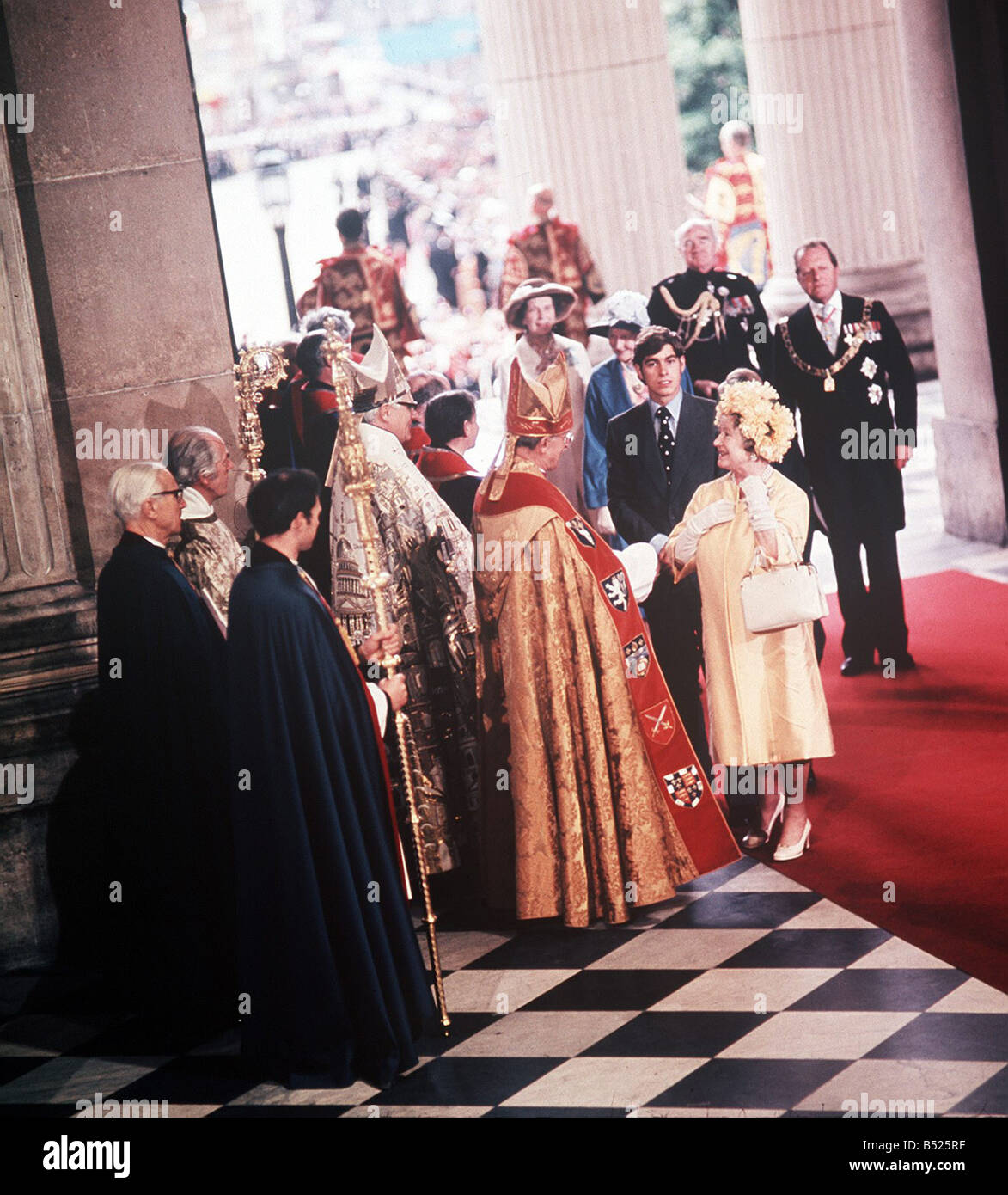
The Life and Legacy of Queen Elizabeth II: Prince Andrew’s Mother
Prince Andrew, Duke of York, is the second son of Queen Elizabeth II, who reigned as the monarch of the United Kingdom and the Commonwealth realms for over seven decades until her passing on September 8, 2022. As the longest-reigning s...
Prince Andrew, Duke of York, is the second son of Queen Elizabeth II, who reigned as the monarch of the United Kingdom and the Commonwealth realms for over seven decades until her passing on September 8, 2022. As the longest-reigning sovereign in British history, her life and constitutional role defined the modern monarchy, and her relationship with her children remains a subject of significant public and historical interest.
Contents
The Life of Queen Elizabeth II
Elizabeth Alexandra Mary Windsor was born on April 21, 1926, the first child of the Duke and Duchess of York, who later became King George VI and Queen Elizabeth. Her trajectory changed fundamentally in 1936 following the abdication of her uncle, King Edward VIII, which placed her father on the throne and positioned her as the heir presumptive.
Ascending the throne at age 25 in 1952, Queen Elizabeth II oversaw a period of immense global change, including the decolonization of the British Empire, the Cold War, and the development of the modern Commonwealth. Her commitment to duty, often characterized by her personal philosophy of "service," became the hallmark of her reign. Throughout her seven decades on the throne, she navigated complex political landscapes, acted as a constant symbolic figurehead, and managed the internal dynamics of the House of Windsor.
Prince Andrew and the Royal Family Structure
Born on February 19, 1960, at Buckingham Palace, Prince Andrew was the first child born to a reigning monarch since 1857. As the third child of Queen Elizabeth II and Prince Philip, Duke of Edinburgh, he occupied a distinct place within the royal lineage. During his early life, he followed a traditional path for a royal male, serving as a helicopter pilot in the Royal Navy, including active duty during the Falklands War in 1982.
The Queen’s role as both a mother and a sovereign created a unique dynamic. While she was the ultimate authority within the state, her family life was subject to the same public scrutiny that follows the British royal family. Prince Andrew’s public profile has been marked by both his military service and subsequent controversies that emerged later in his life, specifically those involving his associations and his eventual withdrawal from public-facing royal duties.
Historical Context of the Royal Lineage
To understand the position of Prince Andrew within the royal family, it is necessary to look at the structure established by Queen Elizabeth II. The following table summarizes the key figures in the immediate family of the late monarch.
| Name | Relation to Elizabeth II | Significant Role |
|---|---|---|
| Prince Philip | Spouse | Duke of Edinburgh, Consort |
| King Charles III | Eldest Son | Current Monarch |
| Princess Anne | Daughter | Princess Royal |
| Prince Andrew | Second Son | Duke of York |
| Prince Edward | Third Son | Duke of Edinburgh |
The succession of the British throne prioritizes the line of the monarch’s children. As of 2026, King Charles III holds the throne, having succeeded his mother in 2022. The Queen’s influence on the transition of the monarchy was meticulously planned, ensuring that the institution remained stable despite the personal challenges faced by various members of her family, including Prince Andrew.
The Impact of the Queen’s Passing
The death of Queen Elizabeth II in 2022 served as a watershed moment for the British monarchy. Her passing necessitated a reorganization of royal duties and internal family responsibilities. For Prince Andrew, this transition occurred against a backdrop of ongoing legal and reputational challenges that had already led to the removal of his military affiliations and his status as a working royal earlier in 2022.
The monarchy under King Charles III has moved toward a "slimmed-down" version of the royal establishment. This policy has further distanced the institution from members who are no longer actively representing the Crown in an official capacity. The legacy of Queen Elizabeth II continues to act as a stabilizing force for the institution, but the shift in leadership has significantly altered the environment in which her children, including Prince Andrew, operate.
Constitutional and Personal Roles
While Queen Elizabeth II held immense constitutional power as the Head of State, the personal relationships within the Windsor family were often kept private. The media and historical record frequently analyze the tension between the Queen’s public, stoic persona and the private struggles of her children. Prince Andrew’s career and personal life have been subject to intense media scrutiny, particularly regarding his association with Jeffrey Epstein and the subsequent civil litigation in the United States, which was settled out of court.
The Queen’s approach to these matters was historically characterized by a desire to preserve the dignity of the institution above all else. This often resulted in internal disciplinary measures that were communicated to the public through official statements from Buckingham Palace. These actions, such as the stripping of titles and military patronages, demonstrated the primacy of the monarch’s duty to the institution over familial considerations.
Frequently Asked Questions
Who was Prince Andrew’s mother? Prince Andrew’s mother was Queen Elizabeth II. She was the Queen of the United Kingdom and 14 other Commonwealth realms, reigning from 1952 until her death in 2022.
How did Queen Elizabeth II’s reign affect her children? The Queen’s reign placed her children in a unique position of perpetual public observation. They were expected to uphold the values of the monarchy while navigating lives that were often subject to intense media and public scrutiny, which sometimes conflicted with the private nature of their personal challenges.
Is Prince Andrew still a working member of the royal family? No. In January 2022, it was announced that Prince Andrew’s military affiliations and royal patronages were returned to the Queen, and he ceased to carry out public duties as a working member of the royal family. This status remains in effect in 2026.
What is the current relationship between the royal family and Prince Andrew? While he remains a member of the royal family, Prince Andrew is not a working royal. He does not represent the Crown at official engagements and maintains a private life, though he remains in the line of succession to the throne.
How does the current monarchy view Prince Andrew’s status? The current administration under King Charles III maintains a policy of a smaller, more focused royal family. There has been no indication of a return to public service for Prince Andrew, and he remains largely removed from the public activities of the royal household.
Conclusion and Next Actions
The life of Queen Elizabeth II was one of profound historical significance, and her influence continues to shape the contemporary British monarchy. For those interested in the history of the House of Windsor, it is recommended to review official archives and documented biographies provided by the Royal Household. Understanding the distinction between the monarch as a sovereign and as a parent is essential to grasping the complex internal mechanics of the royal family. For current developments regarding the status of royal family members, regular consultation of the official Royal UK website remains the most accurate primary source.
Image Gallery