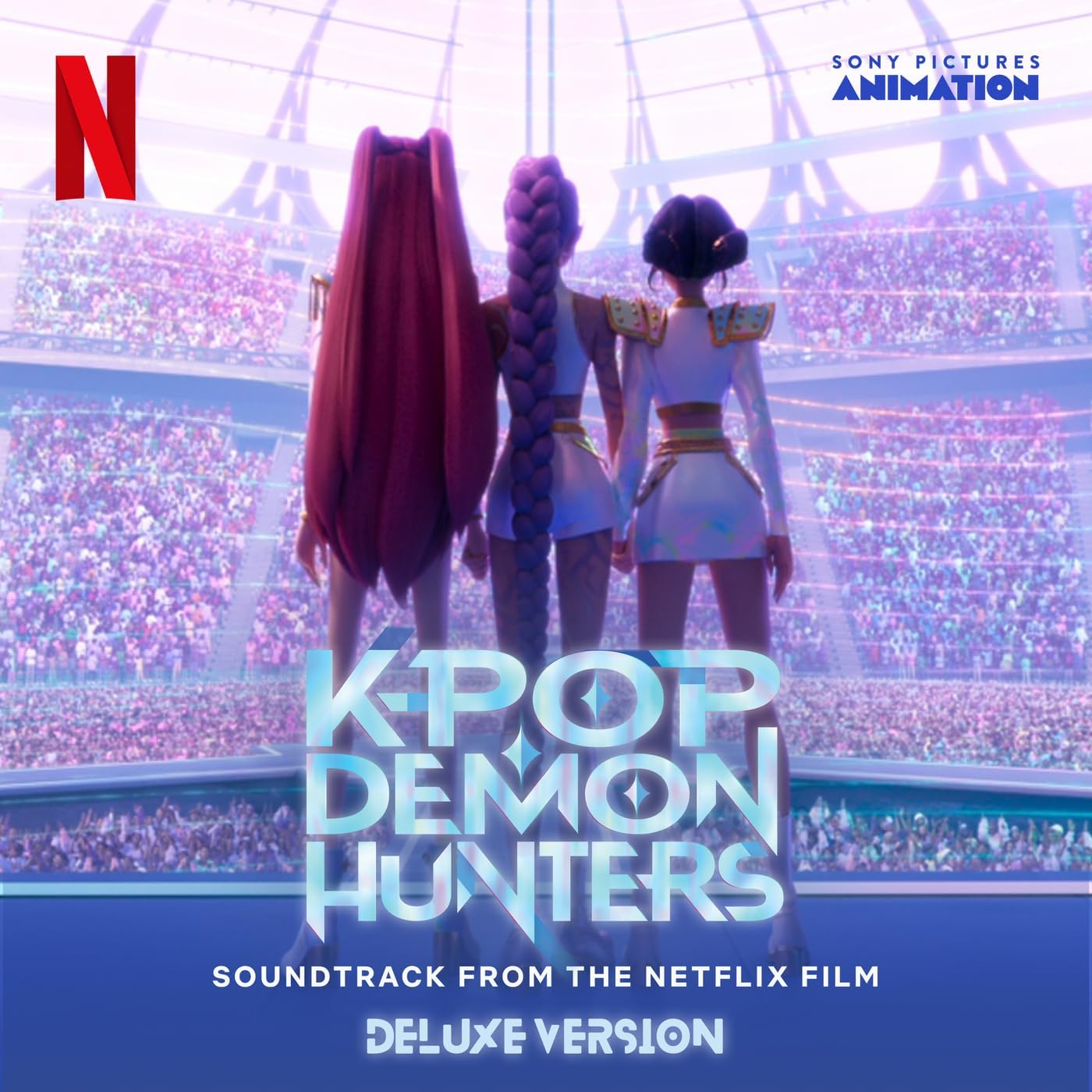
Kpop Demon Hunters Song Writer Ejae: Inside His Contributions to the Soundtrack
Ejae, the multi-talented artist and songwriter, played a pivotal role in shaping the sonic landscape of the K-pop original soundtrack for the hit series The Uncanny Counter, often referred to by fans through the lens of its premise as...
Ejae, the multi-talented artist and songwriter, played a pivotal role in shaping the sonic landscape of the K-pop original soundtrack for the hit series The Uncanny Counter, often referred to by fans through the lens of its premise as Demon Hunters. His contributions went beyond mere composition, acting as a bridge between the show’s intense, supernatural narrative and the emotive, high-energy requirements of the modern K-pop sound.
Contents
Understanding the Role of Ejae in K-Drama OSTs
The landscape of K-pop Original Soundtracks (OSTs) has evolved significantly over the last decade. It is no longer just about providing background music; it is about creating iconic anthems that encapsulate the emotional essence of a series. Ejae entered this space with a background as both a performer and a producer, allowing him to understand the nuances of melody and lyricism required to complement high-stakes television drama.
In the context of the series The Uncanny Counter, which follows a group of demon hunters tasked with capturing malevolent spirits, the music needed to balance urgency with the humanity of the protagonists. Ejae’s involvement in the writing and production process ensured that the tracks remained grounded in pop sensibilities while serving the atmospheric needs of the show’s action-packed sequences.
The Synergy Between Narrative and Sound
For a songwriter, composing for a series like The Uncanny Counter presents a specific set of challenges. The music must reflect the dual nature of the characters: ordinary humans by day and tactical combatants by night. Ejae’s contribution is widely recognized for its ability to shift tones, moving from melancholic introspection—which highlights the characters' past traumas—to hard-hitting, rhythmic compositions that elevate the tension during confrontation scenes.
Songwriting in this niche requires a deep familiarity with "K-pop DNA." This involves:
- The Build-up: Utilizing pre-chorus structures to raise audience anticipation, mirroring the "pre-fight" intensity of the demon hunters.
- The Hook: Creating a melodic anchor that sticks in the viewer's memory, ensuring the song remains associated with the emotional peak of the episode.
- Production Texture: Integrating synth-heavy arrangements that lean into the supernatural, thriller aspect of the show while maintaining a polished pop aesthetic.
Analyzing Ejae’s Creative Process
Ejae’s approach to songwriting is often characterized by a collaborative spirit. In the K-pop industry, OSTs are rarely the result of a single person’s effort; rather, they are a synergy of composer, lyricist, and the series production team. Ejae’s contribution often sits at the intersection of arrangement and vocal direction.
When looking inside his contributions, we observe a deliberate choice of instrumentation. He frequently employs mid-tempo beats that allow for clear vocal projection, ensuring that the lyrics—which often center on resilience and the search for truth—are not buried by complex sound design. This is crucial for Demon Hunters because the lyrics frequently serve as the internal monologue for the characters, articulating their struggle against the darkness.
Key Elements of Ejae’s OST Production
| Feature | Description | Importance to Narrative |
|---|---|---|
| Tempo Control | Variable BPM to match action or drama | Keeps viewer engaged during transitions |
| Vocal Layering | Rich backing tracks and harmonies | Adds depth to emotional scenes |
| Synth Integration | Modern, metallic textures | Accentuates the supernatural "demon" theme |
| Lyrical Themes | Resilience and hidden strength | Mirrors the growth of the demon hunters |
Technical Depth: The Craft of Songwriting for Broadcast
Writing for a streaming-era series involves technical considerations that differ from standard album tracks. Ejae and his contemporaries must account for "audio-visual syncing." This means the music must contain specific "cues" that match scene transitions or cuts.
In the production of tracks for The Uncanny Counter, Ejae utilized spatial audio techniques to ensure that the music sounded immersive on the various devices through which viewers consume content today—ranging from professional-grade home theater systems to mobile smartphone speakers. By balancing frequencies, he ensured that the bass lines (which often represent the "demon" encounters) did not overwhelm the mid-range melodies (which represent the human protagonists' resolve).
Challenges in K-Pop Soundtrack Development
One of the most persistent difficulties for songwriters in this space is maintaining an individual artistic identity while adhering to the "brief" provided by the drama’s music director. Ejae’s success lies in his ability to leave his signature on a track without overshadowing the source material.
Often, writers face the issue of the "tempo trap," where songs become too fast-paced to convey sadness or too slow to support a fight scene. Ejae’s work on this project demonstrated a mastery of the "mid-tempo bridge," a songwriting technique that allows a song to shift its emotional weight without breaking the rhythm. This technical precision is what separates high-quality OST work from generic background music.
Frequently Asked Questions
How did Ejae influence the tone of the Demon Hunters soundtrack? Ejae helped define the balance between the show’s gritty urban fantasy elements and the emotional weight of the protagonists’ personal backstories, using dynamic shifts in arrangement to support both action and drama.
Why is Ejae considered a key songwriter in this genre? His background as a multi-disciplinary artist allows him to write with the performer’s needs in mind, ensuring that vocalists can convey the necessary intensity required for intense supernatural drama.
What specific technical skills are required for writing OSTs? Beyond standard songwriting, it requires an understanding of scene pacing, audio-visual synchronization, and the ability to compose music that complements dialogue rather than competing with it.
How does K-pop production differ from traditional OST composition? K-pop production is characterized by high-fidelity polish and catchy, structural hooks, whereas traditional OST composition may focus more on orchestral underscore. Ejae bridges these by applying K-pop polish to narrative-driven song structures.
Is Ejae the sole writer for the soundtrack? No. Songwriting for K-drama soundtracks is typically a collaborative process involving a team of producers, lyricists, and musical directors. Ejae’s role is one of several contributors who shaped the final soundscape of the show.
Next Steps for Fans and Aspiring Songwriters
If you are a fan interested in the technical aspects of how The Uncanny Counter achieved its sound, the best next step is to analyze the "Instrumental" versions of the OST tracks. By listening to the production without the vocals, you can hear the layering techniques, synth modulation, and rhythmic shifts that Ejae and his team employed.
For those looking to move into professional songwriting, studying the "composition-to-scene" relationship is vital. Take a scene from a favorite drama, strip the audio, and try to identify why a particular instrument or tempo was chosen for that specific moment of tension. This reverse-engineering of professional tracks provides the clearest roadmap for understanding the contributions of writers like Ejae.
Image Gallery