Exploring the Impact of Jean-Paul Goude’s Work on Visual Culture
Jean-Paul Goude has fundamentally reshaped the landscape of twentieth and twenty-first-century visual communication through his unique synthesis of graphic design, photography, and kinetic art. His legacy is defined by a mastery of "gr...
Jean-Paul Goude has fundamentally reshaped the landscape of twentieth and twenty-first-century visual communication through his unique synthesis of graphic design, photography, and kinetic art. His legacy is defined by a mastery of "graphic staging," where the human body is transformed into a sculptural element, challenging conventional perceptions of race, gender, and proportion while setting the visual standard for editorial and commercial imagery.
Contents
The Foundation of Goude’s Aesthetic: The "Goudesque" Style
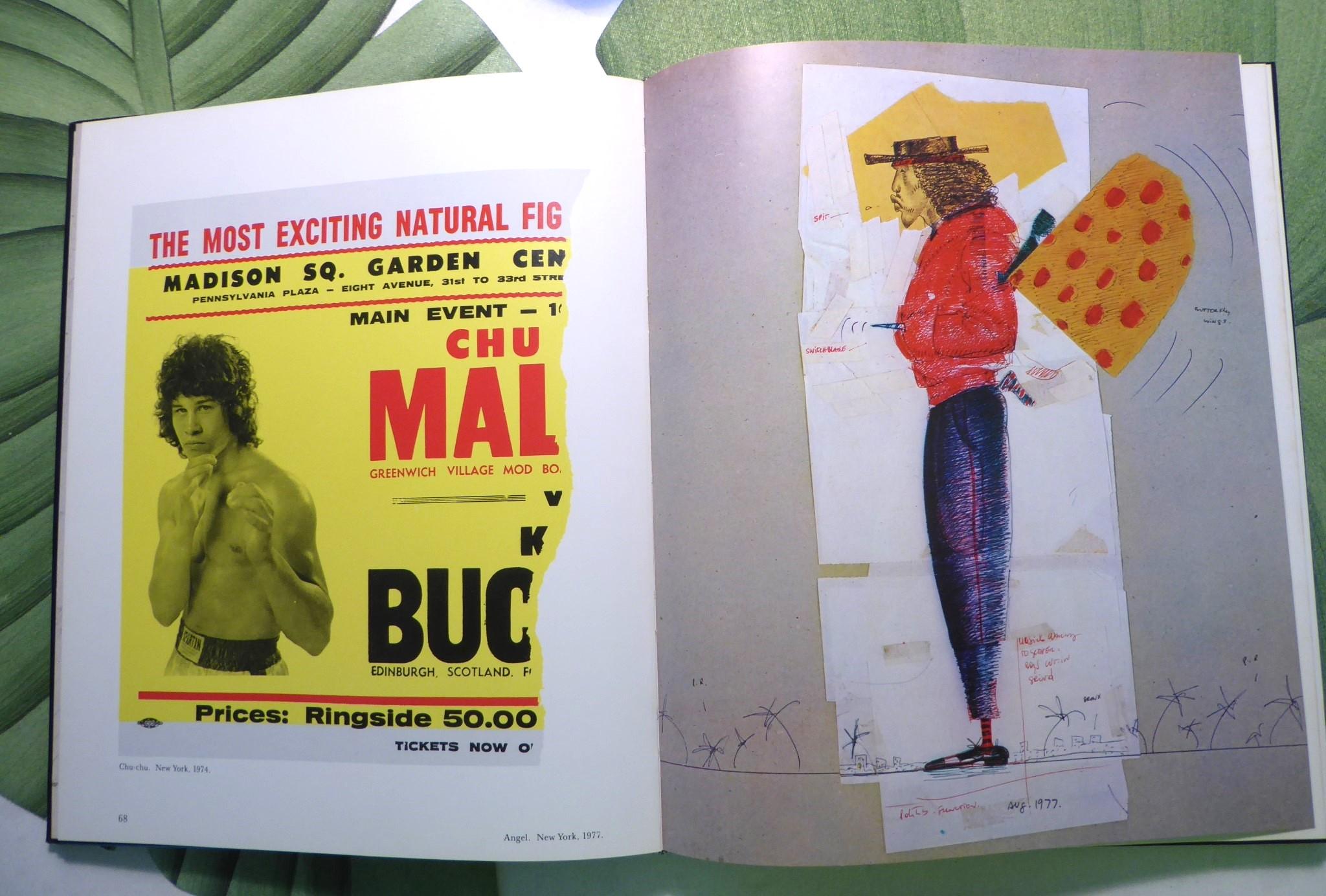
The core of Jean-Paul Goude’s influence lies in his ability to deconstruct reality and rebuild it with exaggerated, highly stylized proportions. His artistic evolution began in the 1960s, notably during his tenure as art director for Esquire magazine in New York. It was here that he began to experiment with "cut-and-paste" techniques long before the advent of digital image manipulation. By physically slicing prints, displacing elements, and re-photographing the collages, Goude developed a surreal, rhythmic aesthetic that became his trademark.
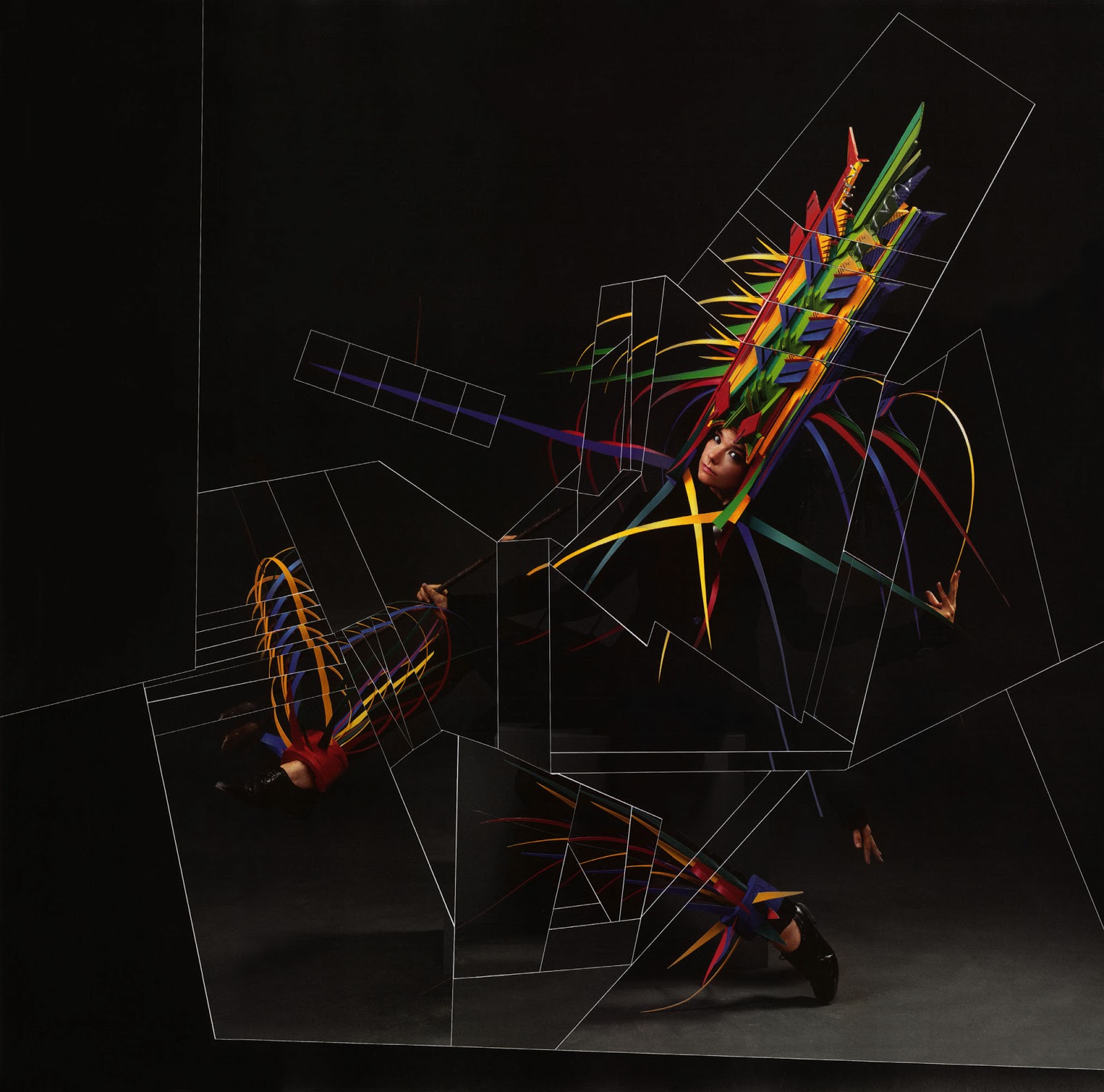
This approach—often referred to as "Goudesque"—is characterized by a tension between the static nature of a photograph and the dynamic energy of a performance. Goude’s background in dance and illustration informs this technique; he does not merely capture a moment, he choreographs it. By manipulating limbs, altering backgrounds, and emphasizing specific anatomical features, he forces the viewer to confront a hyper-reality that feels more potent than the original source material.
Impact on Editorial and Advertising Paradigms
Goude’s influence on the advertising industry is arguably his most enduring contribution to modern visual culture. In the 1980s and 90s, he transitioned from editorial layouts to high-concept commercial films and print campaigns that redefined how brands communicate luxury and personality.
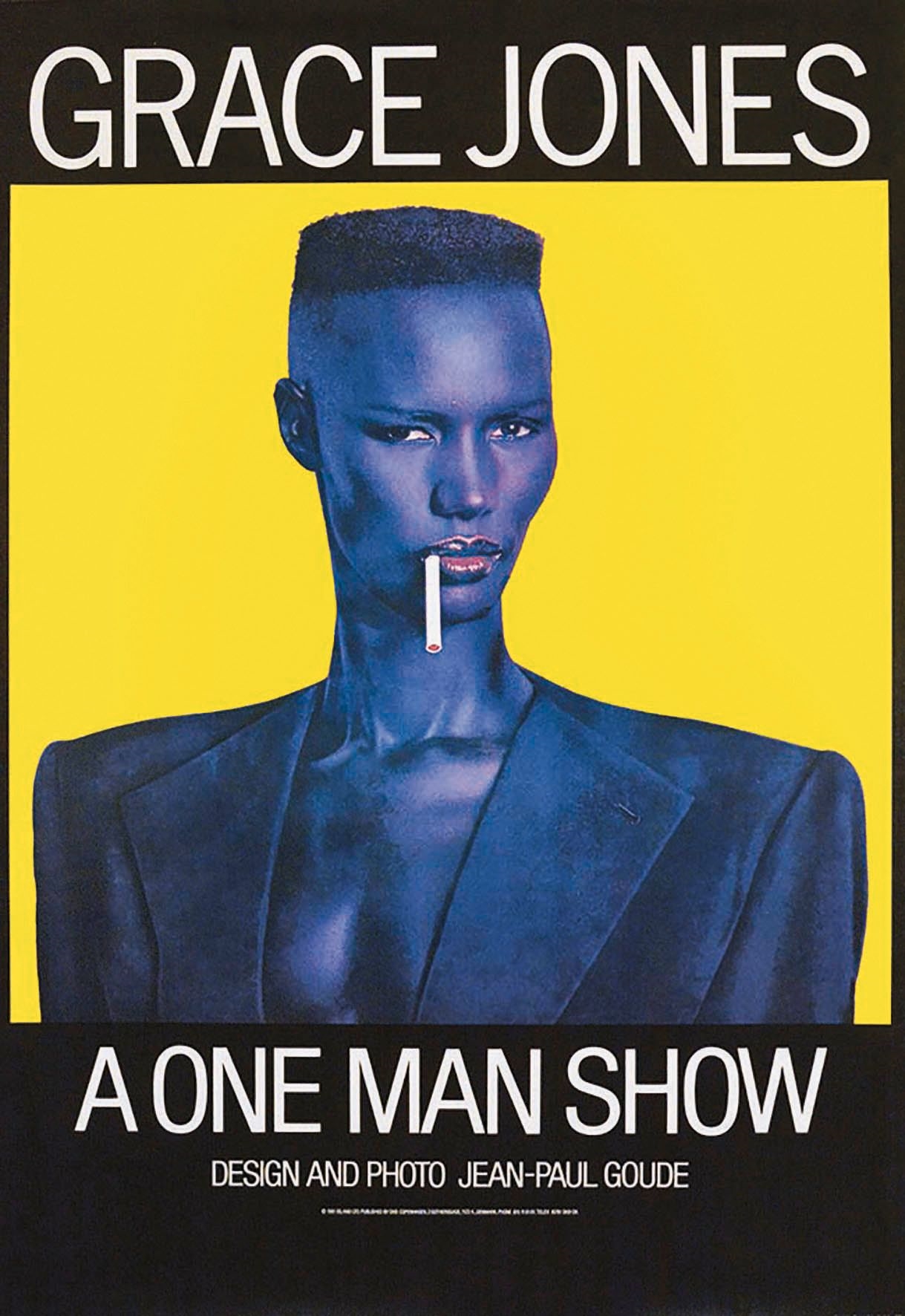
His collaboration with Grace Jones remains the most significant touchstone of his career. Together, they developed an iconographic language that challenged Western standards of beauty. Through campaigns for brands such as Chanel, Perrier, and Galeries Lafayette, Goude proved that commercial art could possess the same artistic weight as fine art photography. He introduced a level of theatricality to television commercials—utilizing grand-scale sets, repetitive choreography, and bold, primary-color palettes—that turned 30-second spots into memorable cultural events.
Comparative Influence: Goude vs. Traditional Fashion Photography
| Feature | Traditional Fashion Photography | The Goudesque Approach |
|---|---|---|
| Anatomical Focus | Realistic, human-scale | Exaggerated, sculptural, kinetic |
| Methodology | Candid or planned capture | Post-production montage / physical collage |
| Primary Goal | Selling the garment | Creating an abstract, rhythmic narrative |
| Viewer Perception | aspirational, grounded | surreal, theatrical, provocative |
Technical Innovation and Artistic Vision
While modern digital tools make image manipulation instantaneous, Goude’s impact is rooted in his analog discipline. His technical process required an acute understanding of composition, as every adjustment to a physical collage had to be calculated before the final exposure.
For aspiring visual artists, the study of Goude’s work offers a masterclass in spatial awareness. His use of the "wide-angle" perspective often makes the subject feel as though they are lunging toward the viewer, breaking the fourth wall of the two-dimensional frame. By integrating typography into his visual compositions, he also blurred the line between graphic design and photography, ensuring that the brand identity was not just placed on a photo, but woven into the fabric of the image itself.
Cultural Criticism and Evolving Perspectives
It is impossible to analyze the impact of Jean-Paul Goude without addressing the discourse surrounding his portrayals of race and the female body. Critics have historically pointed out that his obsession with the "exotic" and his frequent use of racialized imagery to serve Western commercial interests reflect deep-seated power dynamics. Goude’s work often objectifies his subjects, turning them into symbols or mannequins rather than individuals.
As of 2026, the scholarly evaluation of his work remains balanced between admiration for his technical innovation and critical examination of his historical role in shaping colonial-adjacent visual tropes. Understanding Goude requires an appreciation for his brilliance in art direction while remaining cognizant of the sociopolitical implications of his stylistic choices. He turned the gaze of the Western fashion industry toward a more diverse array of bodies, yet he did so through a lens that prioritized his personal artistic agenda above all else.
Navigating the Legacy of a Visual Visionary
To truly understand the impact of Jean-Paul Goude, one must view his body of work not as a collection of snapshots, but as a long-form performance piece. His influence persists in the work of modern fashion editors and creative directors who rely on "maximalist" visuals to capture attention in a saturated digital market.
If you are a student of visual arts or a professional in the creative industry, consider these three takeaways from his career:
- Physicality as Narrative: Don’t just capture a subject; find the movement or the physical attribute that tells the story of your concept.
- Break the Frame: Look for ways to manipulate the environment around the subject to create a unique atmosphere rather than relying on naturalistic settings.
- Consistency of Vision: Goude’s work is immediately recognizable because he held fast to his unique visual language, even when the broader trends of the fashion industry shifted elsewhere.
Frequently Asked Questions
How did Jean-Paul Goude’s background in illustration influence his photography? His background as a classical illustrator allowed him to view the camera frame as a blank canvas. He treated subjects as figures to be drawn or molded, which led to his signature distorted proportions that wouldn't have been achieved through standard camera lens choices alone.
Why is his work with Grace Jones considered so influential? Their collaboration transformed Jones into a global icon by merging African-inspired aesthetic references with European haute couture. It challenged the rigid beauty standards of the era and created a new archetype of power, strength, and androgyny.
Is Goude’s work considered "fine art" or "commercial art"? Goude occupies a rare space that blurs both. While his output was primarily for commercial clients, his meticulous process, artistic philosophy, and retrospectives at institutions like the Centre Pompidou validate his work as a significant contribution to the art history of the late 20th century.
What is "graphic staging" in the context of his work? It refers to his method of designing a photograph as if it were a theater stage. He would meticulously arrange lights, props, and the human subjects to ensure the final image functioned like a well-composed graphic poster rather than a spontaneous photograph.
How does his work hold up in 2026? The "Goudesque" style continues to influence modern social media aesthetics and high-end advertising. While the methods have moved from physical cut-and-paste to advanced generative AI and digital layering, the desire to create surreal, larger-than-life imagery remains a direct descendant of his influence.
Next Actions for Creative Professionals
To apply the lessons of Jean-Paul Goude to your own work, begin by revisiting his retrospective archives. Focus specifically on his early Esquire layouts to understand how he utilized negative space and typography. Practice the art of "staging" by creating a physical mood board of your subject—sketching their position in the frame before you ever reach for a camera or a design tool. By prioritizing the construction of the image over the capture of the image, you align yourself with the philosophy that transformed 20th-century visual culture.
Image Gallery