Navigating the Karpower.com Experience: An Overview of Powership Operations
Exploring the Karpower.com experience involves understanding the operational model of Karpowership, a subsidiary of Karadeniz Holding, which specializes in floating power plant solutions. The company provides rapid-response, modular el...
Exploring the Karpower.com experience involves understanding the operational model of Karpowership, a subsidiary of Karadeniz Holding, which specializes in floating power plant solutions. The company provides rapid-response, modular electricity generation infrastructure globally, primarily designed to assist nations experiencing energy deficits, grid instability, or remote regional power requirements.
Contents
Understanding the Powership Concept
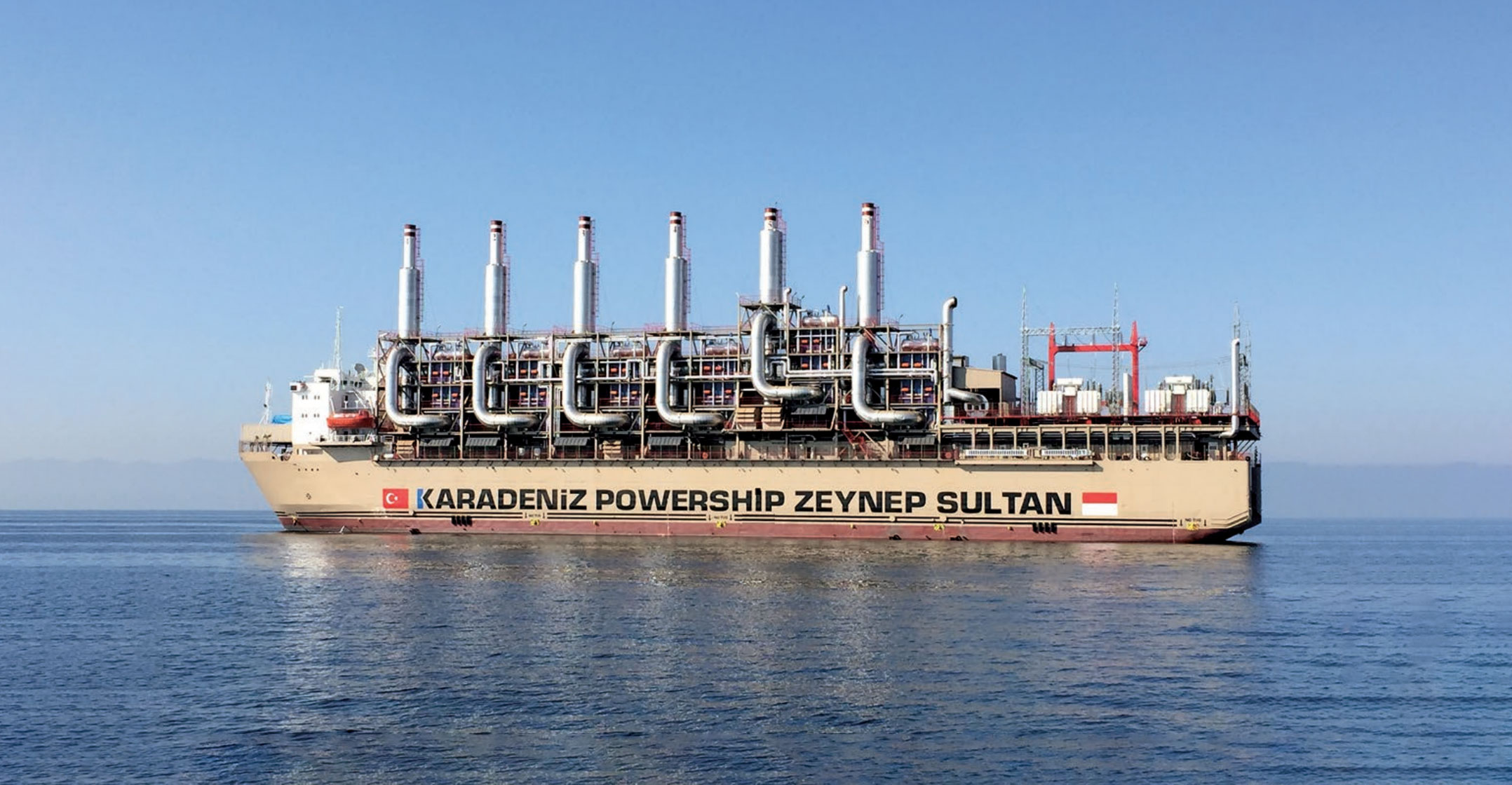
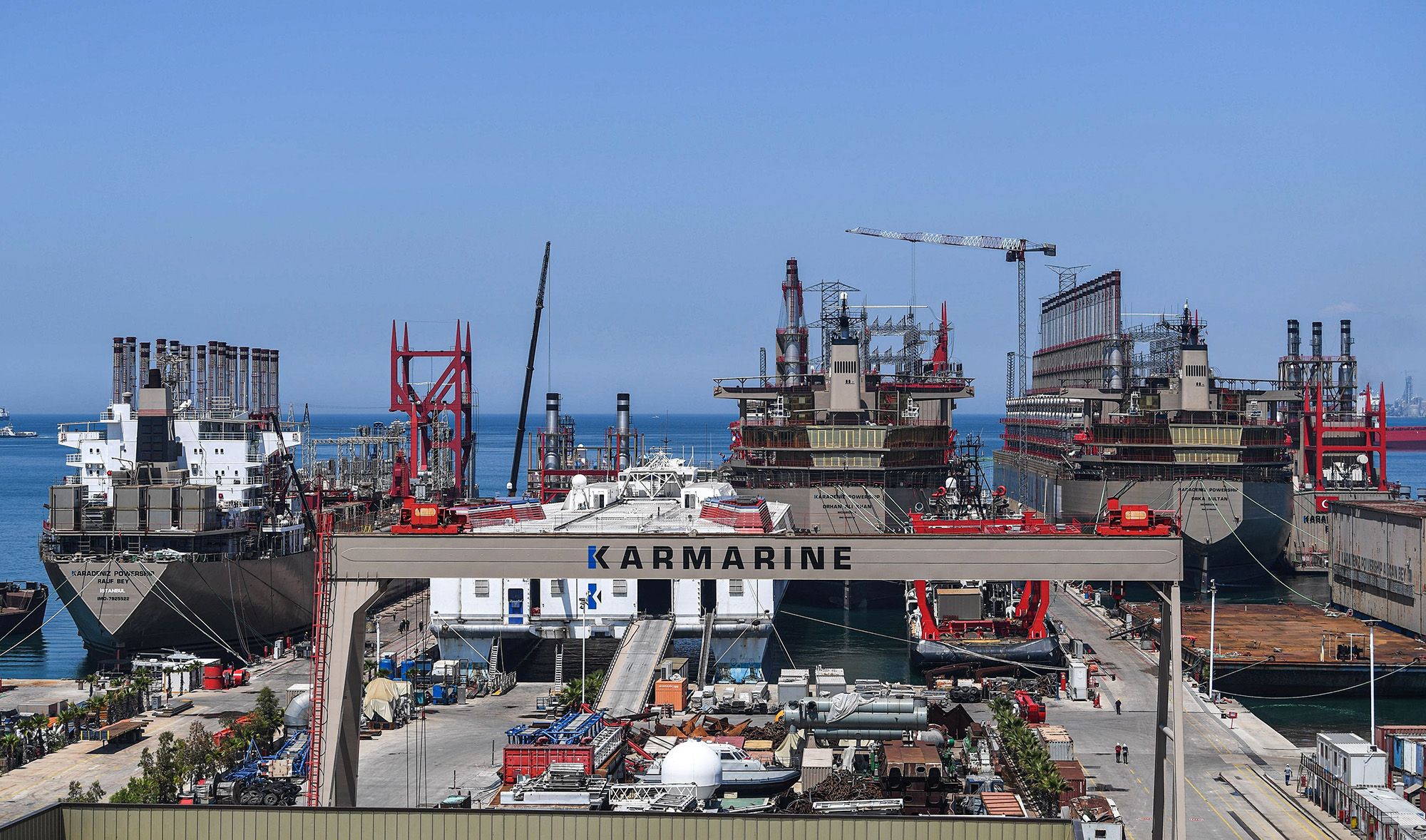
At the core of the Karpowership experience is the "Powership," a specialized vessel integrated with an onboard power plant. Unlike traditional land-based generation facilities, which require significant construction time, site preparation, and infrastructure development, Powerships are designed to arrive at a port and connect directly to the existing transmission grid via high-voltage cables.
This floating infrastructure approach allows for a highly flexible deployment strategy. Governments and utility providers facing sudden surges in demand or long-term energy shortages use these vessels as an immediate bridging solution. The vessels are designed to run on various fuel types, including heavy fuel oil (HFO), natural gas, or liquefied natural gas (LNG), depending on regional fuel availability and environmental compliance requirements.
Deployment Prerequisites and Infrastructure Requirements
For a project to transition from a conceptual inquiry on Karpower.com to an operational state, specific prerequisites must be met. The site location must be a maritime port with sufficient depth to accommodate the draft of the specific Powership model. Additionally, the location requires a grid connection point capable of handling the power output specified in the contract.
Infrastructure requirements typically include:
- Grid Connection Infrastructure: The availability of a high-voltage substation near the quay where the Powership will be moored.
- Fuel Supply Chain: Depending on the fuel choice, the host nation or the operator must ensure a consistent supply chain of HFO or, in the case of LNG, the presence of a Floating Storage and Regasification Unit (FSRU) or proximity to an onshore regasification terminal.
- Environmental and Regulatory Compliance: The operation requires rigorous environmental impact assessments, particularly regarding thermal discharge from the cooling systems and exhaust emissions, in accordance with both local laws and international maritime regulations.
Comparing Power Generation Solutions
When comparing the Powership model to traditional power plant procurement, the focus is generally on speed-to-power and financial structure. The following table illustrates the typical operational differences.
| Feature | Powership (Floating) | Traditional Land-Based Plant |
|---|---|---|
| Deployment Time | Rapid (Months) | Long (Years) |
| Mobility | Relocatable upon contract end | Fixed |
| Site Preparation | Minimal (Docking required) | Extensive (Land clearing, foundations) |
| Capital Expenditure | Low (Lease-based models) | High (Direct construction costs) |
| Grid Integration | Plug-and-play to nearby grid | Requires dedicated transmission lines |
Operational Lifecycles and Contractual Models
The Karpower experience for utility clients is typically defined by a Power Purchase Agreement (PPA). In these arrangements, the company provides the vessel, the maintenance, and the operational staff. The client—usually a national utility or a large industrial entity—pays for the capacity provided and the energy generated.
Contract terms vary significantly based on the duration of the deployment. Short-term contracts may be utilized for emergency relief during natural disasters or seasonal grid stress, while long-term contracts are often structured to provide a stable baseload for developing nations or to serve as a transitionary power source while larger, permanent infrastructure projects are completed.
Technological Specifications and Fuel Flexibility
A significant aspect of the Powership's design is its multi-fuel capability. Modern vessels in the fleet are often equipped with dual-fuel engines that can transition between liquid fuels and natural gas. This is a critical factor for many clients, as it allows them to pivot toward cleaner-burning natural gas as their national energy policy evolves or as LNG infrastructure becomes available.
Technical maintenance is handled by the operator’s specialized engineering teams, who ensure that the vessel complies with the International Convention for the Prevention of Pollution from Ships (MARPOL) and other relevant maritime safety protocols. Because the plant is modular, maintenance can often be conducted on individual engines or sub-systems without requiring the entire power plant to be taken offline, thereby ensuring higher availability factors.
Challenges and Considerations for Prospective Partners
Potential clients or interested observers should be aware of the complexities involved in such projects. The logistical coordination of bringing a vessel into an existing port requires significant cooperation with local port authorities. Furthermore, there is the challenge of integrating a floating asset into a potentially fragile national grid. Grid stability must be carefully managed to prevent frequency fluctuations, which requires sophisticated power electronics and synchronization hardware on the vessel.
Common obstacles during the lifecycle of a project include:
- Fuel Logistics: Ensuring that the fuel supply is uninterrupted, particularly in remote regions where logistics are underdeveloped.
- Public Perception: Navigating local environmental concerns regarding ship emissions in urban port areas.
- Grid Capacity: Ensuring the local transmission network can actually absorb the load being delivered by the Powership without overloading existing lines.
Frequently Asked Questions
How does a Powership connect to the national grid? The vessel is moored at a port near an existing substation. High-voltage cables are run from the vessel to the substation, effectively bypassing the need for long transmission lines and enabling power injection into the grid within a relatively short timeframe.
What is the environmental impact of these floating plants? Powerships are subject to international maritime standards for emissions. They are equipped with advanced exhaust treatment systems to mitigate pollutants. When operating on natural gas, they produce significantly lower carbon and particulate emissions compared to heavy oil or coal-fired plants.
Are these projects suitable for permanent power generation? While often marketed as bridging or temporary solutions, the operational lifespan of the vessels allows for long-term deployment. Many nations choose to utilize them for years while planning or constructing permanent, land-based generation infrastructure.
Who is responsible for the fuel costs in a typical PPA? This depends on the specific contract. In "Energy Conversion" models, the client is often responsible for providing the fuel, while in "Full-Service" or "Power Sales" models, the fuel cost is typically bundled into the tariff charged to the utility.
What happens if the local grid suffers a failure? The vessels are equipped with black-start capabilities, meaning they can start independently and energize a dead grid section without relying on external power. This makes them highly effective for disaster recovery and restoring grid stability after major outages.
Recommendation for Further Engagement
For stakeholders, investors, or government representatives interested in specific project viability, the next step involves initiating a technical feasibility study. This includes analyzing the specific port conditions, the local transmission grid capacity, and the feasibility of local fuel supply chains. Reviewing official tender requirements and consulting the technical specifications provided by Karadeniz Holding for the relevant vessel classes is essential for accurate project scoping and cost estimation.
Image Gallery