How to Create a Funny Hack: Principles of Harmless Pranking and Creative Problem Solving
Creating a funny hack involves blending creative engineering with lighthearted social engineering to produce a result that surprises, entertains, or improves a situation in an unexpected way. The process requires identifying a mundane...
Creating a funny hack involves blending creative engineering with lighthearted social engineering to produce a result that surprises, entertains, or improves a situation in an unexpected way. The process requires identifying a mundane environment, applying a harmless, reversible modification, and ensuring the final result prioritizes safety, consent, and shared laughter over confusion or damage.
Contents
The Philosophy of the "Funny Hack"
A "hack" in the context of humor is not a digital intrusion or a malicious exploit. Instead, it is an inventive reconfiguration of objects, software, or social dynamics intended to provide comic relief. Whether you are modifying a desk setup, adjusting a digital display, or rearranging a common workspace item, the objective is to introduce a moment of absurdity.
The most successful funny hacks are those that feel "in the spirit" of the environment. They should be intellectually playful, suggesting that the hacker understands the context well enough to subvert it gently. A good hack follows the "Rule of Three": it should be surprising, brief in its setup, and universally harmless.
Prerequisites for Responsible Hacking
Before you attempt to implement a comedic project, you must audit your intent and your environment. A hack that damages property, interrupts critical business operations, or causes genuine distress is not a "funny hack"—it is vandalism or harassment.
- Consent and Environment: Never hack equipment that is mission-critical. If your workplace depends on a printer for time-sensitive contracts, that printer is off-limits. Stick to personal items, breakroom fixtures, or non-essential decorative elements.
- Reversibility: Every hack you create must be completely reversible. You should be able to restore the original state of the object within seconds. If you use adhesives, ensure they are non-permanent; if you adjust digital settings, ensure you know exactly how to reset them.
- Safety First: Avoid electrical modifications, physical obstructions that could cause a trip-and-fall hazard, or any chemical substances. Safety is the boundary that defines where a joke ends and a liability begins.
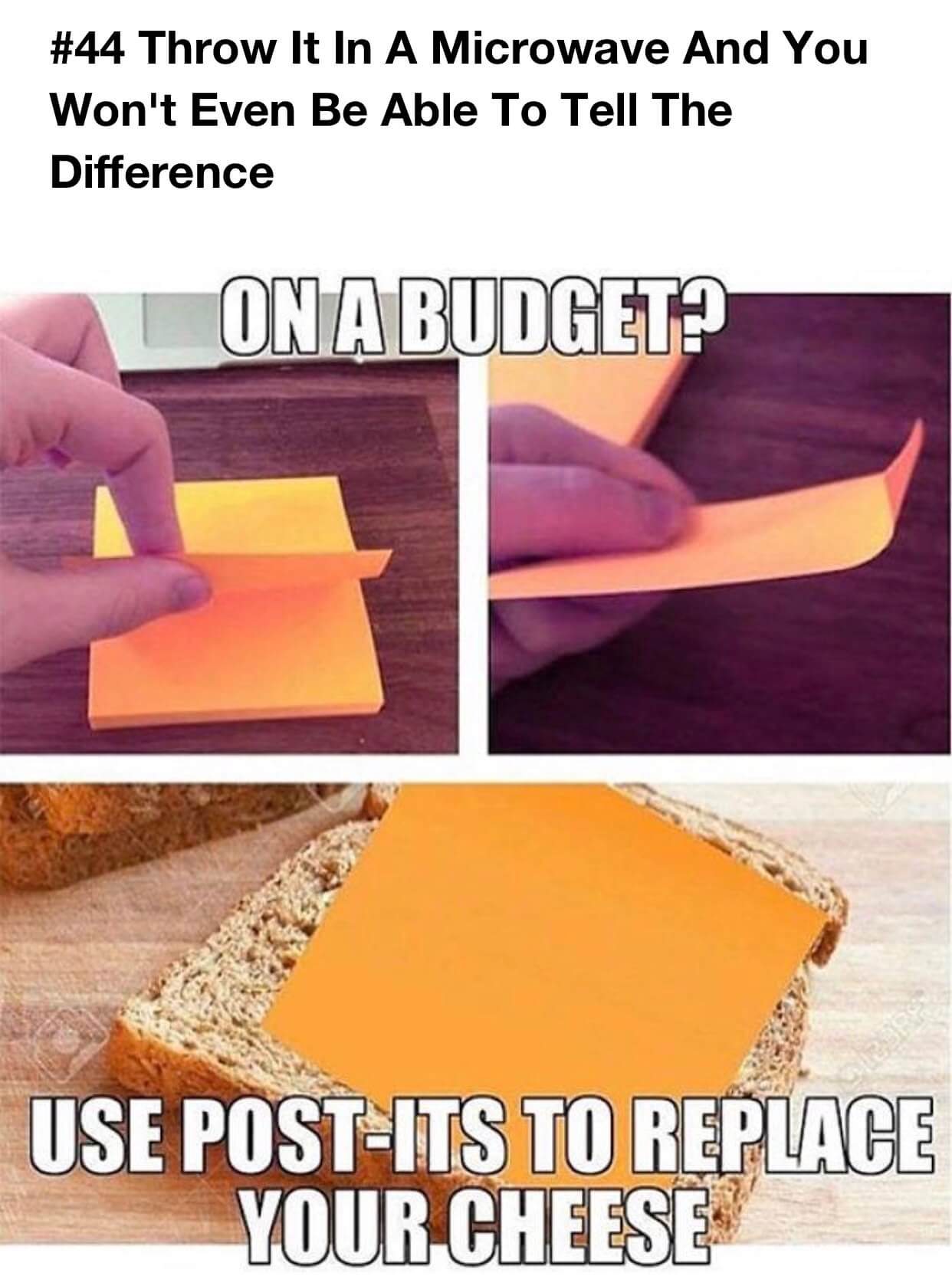
- Tooling: Keep your "hacker kit" light. Masking tape, sticky notes, static-cling decals, and temporary software macros are the gold standards. Avoid anything that leaves a residue or requires tools for removal.
Step-by-Step Guide to Executing a Playful Hack
To move from an idea to a finished hack, follow this structured approach to ensure the execution is clean and the timing is perfect.
Phase 1: Observation
Identify a "pain point" or a routine occurrence that feels overly serious. For instance, if people in your office are constantly misplacing the same stapler, you might consider "upgrading" it to be more conspicuous. Do not pick a target based on their personal vulnerability; choose objects that belong to the collective or that hold little personal value to the target.
Phase 2: Design and Mockup
Before deploying, test the mechanism. If you are applying a sticker to a laptop lid to display a custom "system status," test the adhesive on a similar surface first to ensure it leaves no residue. If you are creating a "hardware modification"—such as replacing a standard mouse with an trackball—ensure the user can easily swap back to their preference.
Phase 3: The Deployment
Deploy the hack when there is minimal risk of discovery. The "reveal" is the most important part of the experience. It should be sudden enough to be noticeable, but the resolution should be immediate. If your target is confused for more than thirty seconds, you have over-complicated the joke.
Phase 4: The Reveal and Restoration
Always be present, or be prepared to reveal yourself as the author. An anonymous hack can quickly become a source of anxiety. By taking ownership, you turn a potential mystery into a social interaction. Once the laugh has been had, assist in the cleanup or restore the object to its original state yourself.
Comparison of Hacking Mediums
Different environments allow for different types of creative expression. The following table helps categorize the risk and complexity of various approaches.
| Medium | Complexity | Reversibility | Typical Impact |
|---|---|---|---|
| Physical (Paper/Tape) | Low | Instant | High visibility, zero damage |
| Digital (UI/Macros) | Moderate | Instant | High confusion, no physical trace |
| Hardware (Swapping) | Moderate | Quick | Functional annoyance, easily reversed |
| Ambience (Lighting/Audio) | High | Immediate | High sensory impact, requires caution |
Common Pitfalls and How to Avoid Them
Even with the best intentions, hacks can go sideways. Awareness of these common errors is essential for anyone interested in creative engineering for humor.
- Overstaying the Welcome: A joke that lasts for three days ceases to be funny and becomes an annoyance. If a colleague is clearly trying to work and the hack is preventing them from doing so, terminate the prank immediately.
- The "Shared Resource" Trap: Do not hack communal resources like coffee machines or shared printers. When a tool is needed by everyone, any modification—even a harmless one—creates a collective bottleneck.
- Lack of Context: A hack that is funny in one culture or office dynamic may be perceived as offensive in another. Understand your audience. If you aren't sure if someone will find it funny, do not proceed.
- Digital Footprints: If you are modifying software, ensure you do not inadvertently trigger security alerts or system logs that might bring an IT department into the equation. A "funny hack" should remain between peers, not trigger a corporate policy investigation.
Troubleshooting Your Hack
If your hack produces an unintended result, prioritize restoration.
- If the target is confused: Explain the joke immediately. There is no shame in saying, "I’m sorry, I was trying to do a bit of a funny office hack, I didn't mean to cause any trouble."
- If the object is stuck: If you used an adhesive that is harder to remove than expected, use a mild solvent appropriate for the surface (like rubbing alcohol for non-porous plastics). Test in a hidden spot first.
- If the hack fails to elicit a laugh: Accept that the joke didn't land. Don't double down. Immediately remove the modification and apologize for the interruption.
Frequently Asked Questions
1. Is it legal to create these types of hacks? Yes, provided you own the item or have explicit permission to modify it, and the action does not violate terms of service or safety regulations. Always remember that unauthorized modification of property you do not own can lead to disciplinary action or legal issues.
2. What is the difference between a "hack" and a "prank"? A prank is often centered on the reaction of the person; a hack is centered on the modification of the object. A funny hack prioritizes the cleverness of the change, whereas a prank can sometimes lean into embarrassment or shock. Aim for the "aha!" moment of the hack rather than the "gotcha!" of the prank.
3. Should I document my hacks? Documenting can be fun for your own memories, but be careful with posting photos online. Always blur faces and obscure identifying information unless you have clear permission from everyone involved.
4. How do I know if my humor is too obscure? If you have to explain the joke, it is likely too obscure for the setting. A successful hack should be visually or functionally obvious. If the target has to ask "What is this?" you may have misjudged the execution.
5. Are there any items I should absolutely never touch? Never touch medical equipment, safety gear, fire extinguishers, or anything labeled with a warning sign. Additionally, avoid touching personal belongings like wallets, keys, or phones, as these are viewed as extensions of a person's private space.
Next Steps
To begin your journey into creative hacking, start by observing the "friction points" in your daily routine. Look for objects that are strictly utilitarian and ask yourself, "How could this be more delightful?" Start with something as simple as replacing a default desktop wallpaper with a high-resolution, slightly absurd image, or using repositionable notes to create a temporary, humorous label for a common object. Always keep the experience positive, reversible, and respectful of the space you inhabit.
Image Gallery