Why Leadership Ebooks Matter for Modern Managers
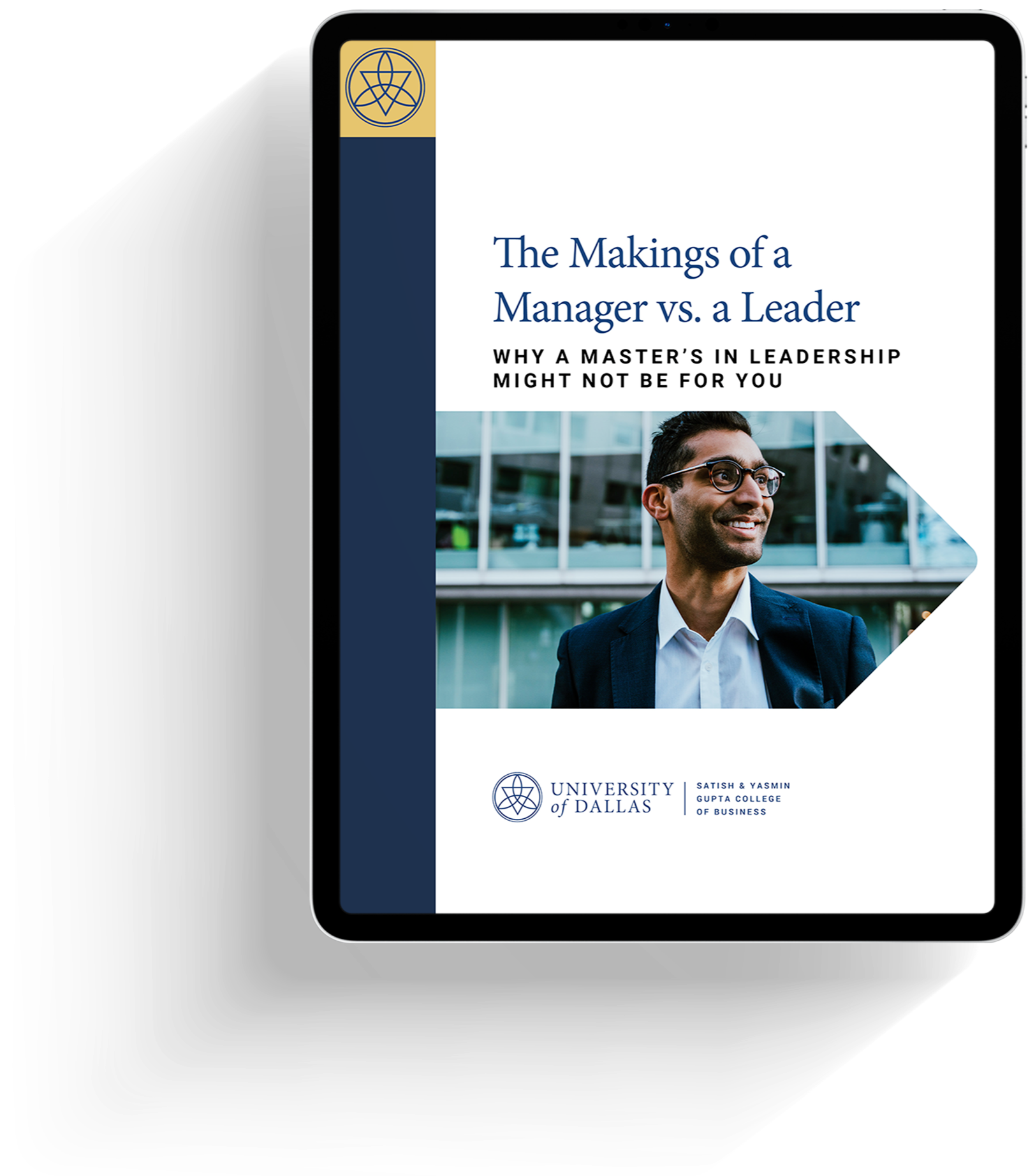
Leadership ebooks serve as high-utility, modular knowledge assets that allow modern managers to bridge specific skill gaps, digest complex management theories, and implement actionable strategies without the temporal commitment of trad...
Leadership ebooks serve as high-utility, modular knowledge assets that allow modern managers to bridge specific skill gaps, digest complex management theories, and implement actionable strategies without the temporal commitment of traditional business literature. By providing instantaneous access to expert frameworks, these digital tools enable leaders to remain agile, informed, and capable of addressing the immediate operational challenges that define the current fast-paced corporate environment.
Contents
The Shift Toward Modular Executive Development
In the traditional professional development model, a manager might spend months consuming a 400-page hardcover volume to extract a single relevant framework. In contrast, the modern management landscape—characterized by hybrid work models, rapid technological shifts, and fluctuating market conditions—demands a more surgical approach to learning. Leadership ebooks are uniquely positioned to solve this. They are often written as "point-of-need" resources, focusing on specific competencies like conflict resolution in remote teams, AI-driven project management, or psychological safety in high-stress environments.
By condensing expertise into focused digital formats, ebooks accommodate the fragmented schedules of senior managers. They allow for "just-in-time" learning, where a manager facing a specific departmental crisis can download a targeted guide, apply a proven methodology to the immediate problem, and iterate based on real-time feedback. This efficiency replaces passive consumption with active application, transforming leadership development from a slow-burn academic exercise into a dynamic, performance-enhancing tool.
Key Advantages of Digital Leadership Resources
The primary value proposition of the leadership ebook is the removal of friction between information and execution. Below are the functional pillars that distinguish these resources from traditional media:
Accessibility and Ubiquity
Modern managers operate across multiple ecosystems—traveling between offices, managing remote teams, and balancing personal life. Ebooks reside in the cloud, syncing across tablets, smartphones, and laptops. This ensures that expert guidance is available during a commute, in a waiting area before a board meeting, or during a late-night strategy session. The ability to perform full-text searches within a document also allows managers to treat ebooks as reference manuals rather than linear narratives.
Cost-Efficiency and Scalability
For organizations seeking to upskill management teams, the cost per head for physical books and shipping often becomes prohibitive. Ebooks offer a scalable alternative. Enterprises can purchase institutional licenses to distribute specific leadership modules to middle managers globally without logistics overhead. This allows for a standardized internal language—ensuring that all managers are using the same terminology and framework when discussing organizational change or performance metrics.
Iterative Updates
Unlike printed materials, which can become obsolete within months of publication, digital leadership content is frequently updated by authors to reflect shifting economic conditions or updated organizational standards. When a manager invests in a high-quality ebook, they are often buying into a lifecycle of information that the publisher maintains, ensuring the methodology remains current.
Strategic Comparison: Ebooks vs. Traditional Professional Media
To understand why leadership ebooks hold a distinct place in a manager's toolkit, it is helpful to contrast them with other professional media formats.
| Format | Depth of Coverage | Implementation Speed | Best Use Case |
|---|---|---|---|
| Leadership Ebooks | High (Topic Specific) | Immediate | Solving specific operational problems |
| Hardcover Textbooks | Comprehensive/Academic | Slow | Long-term theoretical mastery |
| Industry Journals | Niche/Technical | Moderate | Staying abreast of regulatory changes |
| Management Podcasts | Low/Conceptual | Fast (but ephemeral) | Idea generation and industry trends |
As shown in the table, the ebook fills the gap between conceptual high-level podcasts and long-form academic texts. It is the tactical middle ground for the working professional who has little time for theory but high demand for results.
Prerequisites for Effective Integration
To derive actual value from leadership ebooks, managers must treat them as an operational resource rather than a collection of light reading. Integration requires a systematic approach:
- Diagnosis: Identify the specific performance bottleneck. Is it a lack of delegation? A difficulty in fostering innovation? Or a breakdown in cross-functional communication? Selecting the right ebook starts with an honest assessment of current limitations.
- Annotation and Digitization: Use the note-taking capabilities inherent in e-readers to highlight actionable frameworks. Export these highlights to project management tools like Notion or Jira to ensure the principles are integrated into daily workflows.
- Pilot Application: Apply a single methodology from the book to a specific team project. Measure the outcome—such as team velocity, meeting efficiency, or employee sentiment scores—before adopting the strategy as a standard practice.
- Peer Discussion: If an organization adopts a specific ebook as a shared resource, schedule brief monthly "tactical roundtables" where managers discuss how they applied the concepts to their respective departments.
Addressing Common Pitfalls
The accessibility of ebooks can lead to a false sense of mastery. A common mistake is "informational gluttony," where managers purchase dozens of titles but fail to apply the content. To avoid this, limit consumption. Adopt a "one-in, one-out" policy: do not purchase a new leadership title until the frameworks from the previous one have been tested in a real-world scenario.
Another challenge is the variance in content quality. Because the barrier to entry for digital publishing is low, not all ebooks provide rigorous, research-backed management advice. Managers should vet authors by looking for verifiable track records—such as peer-reviewed citations, established tenures at respected institutions, or documented success in previous leadership roles.
Frequently Asked Questions
Are leadership ebooks as credible as traditional hardcover books?
Credibility is determined by the author and publisher, not the format. Many legacy business publishing houses now release simultaneous digital editions of their most prestigious works. Always check the credentials of the author and look for reviews from reputable industry publications to confirm the rigor of the content.
How do I store and organize my digital library?
Use cloud-based document management systems that allow for tagging and searchability. Tagging books by competency (e.g., #ChangeManagement, #ConflictResolution, #StrategicPlanning) allows for instant retrieval when a specific business issue arises.
Can an ebook replace executive coaching?
No. An ebook is an information tool; executive coaching is an interactive, diagnostic, and personalized developmental process. However, ebooks often serve as the "homework" or foundational reading for coaching engagements, accelerating the time spent in actual coaching sessions.
Is it necessary to read these books from front to back?
No. Modern leadership ebooks are designed for non-linear consumption. After reading the executive summary and the initial methodology, jump to the sections that address your immediate challenges. Using the table of contents as a diagnostic tool is a highly effective way to save time.
How often should a manager revisit these resources?
Professional development is iterative. It is advisable to revisit a core leadership ebook every 6 to 12 months, or whenever your responsibilities shift, such as a promotion or a significant reorganization, to determine if the strategies you previously implemented still align with your new scope of work.
Next Actions for the Modern Manager
To begin leveraging leadership ebooks effectively, select one area of your management practice that requires immediate improvement. Search for a highly-rated, industry-specific guide written by an established expert in that field. Purchase the ebook, dedicate 30 minutes to reading the relevant methodology, and identify one action item to implement with your team by the end of the week. By moving from passive reading to active implementation, you turn digital assets into tangible management results.
Image Gallery