Understanding the Financial Thresholds of Rolls-Royce Ownership
The question of a specific net worth required to own a Rolls-Royce is often less about a singular, hard financial cutoff and more about the interplay between high-net-worth liquidity, maintenance requirements, and the total cost of own...
The question of a specific net worth required to own a Rolls-Royce is often less about a singular, hard financial cutoff and more about the interplay between high-net-worth liquidity, maintenance requirements, and the total cost of ownership. While there is no official income or asset mandate set by the manufacturer, financial advisors typically suggest that a luxury vehicle should represent no more than 5% to 10% of one's total liquid net worth to ensure it remains a sustainable luxury rather than a financial liability.
Contents
The Reality of Rolls-Royce Total Cost of Ownership
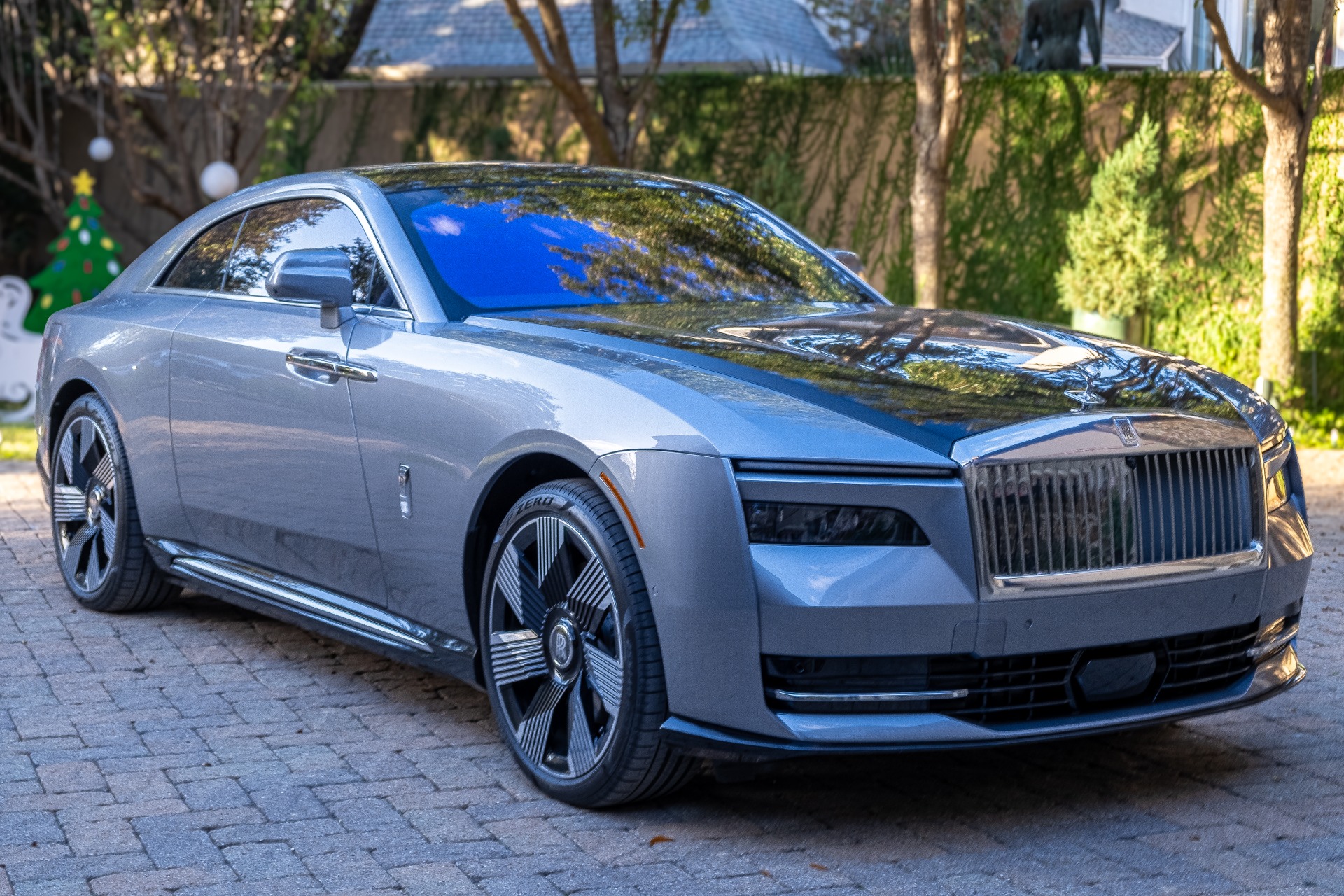
Purchasing a Rolls-Royce is significantly different from acquiring a mass-market luxury vehicle. Beyond the initial purchase price—which can range from $350,000 for a base-model Ghost to well over $600,000 for a customized Phantom or Spectre—the financial commitment is ongoing.
Initial Acquisition and Depreciation
A Rolls-Royce is a bespoke asset. Most owners choose to customize their vehicles through the "Bespoke" program, which can add tens or even hundreds of thousands of dollars to the final invoice. While these vehicles hold value better than many luxury cars, they are still depreciating assets. A buyer must be prepared for the initial value adjustment that occurs the moment the vehicle leaves the showroom floor.
Maintenance and Service Costs
The engineering precision required for Rolls-Royce vehicles necessitates specialized service. Unlike standard luxury brands that can be serviced at a variety of independent shops, a Rolls-Royce typically requires authorized dealer service to maintain warranty integrity and ensure the longevity of high-performance components.
- Routine Services: Annual inspections and fluid changes often cost several thousand dollars.
- Tires and Components: Rolls-Royce vehicles use bespoke tires designed for specific noise-cancellation and handling requirements. Replacing a full set of tires can cost upwards of $3,000 to $5,000.
- Insurance Premiums: Insuring a vehicle valued at half a million dollars requires specialized coverage. Premiums are significantly higher than standard luxury vehicles due to the high cost of repair and replacement parts.
Financial Prerequisites: The "Rule of Thumb" for Luxury Assets
Financial planners often utilize the 10% rule as a baseline for high-ticket luxury purchases. If a buyer spends $500,000 on a vehicle, a conservative financial profile suggests a total net worth—excluding the primary residence—of at least $5 million to $10 million. This buffer ensures that even in the event of economic downturns or unforeseen personal financial shifts, the owner is not "house poor" or, in this case, "garage poor."
Liquidity vs. Net Worth
It is critical to distinguish between total net worth and liquidity. An individual may have a net worth of $5 million tied up entirely in real estate or private business equity, but without sufficient liquid cash or cash-flow-generating assets, they may struggle to manage the monthly costs of insurance, premium fuel, and high-end maintenance associated with a Rolls-Royce.
Comparative Cost Analysis
To provide perspective on the financial weight of Rolls-Royce ownership, it is helpful to compare the entry-level costs with other high-end luxury vehicle categories.
| Vehicle Tier | Estimated MSRP (2026) | Annual Maintenance/Insurance | Asset-to-Worth Ratio |
|---|---|---|---|
| Entry Luxury Sedan | $60,000 – $80,000 | $2,000 – $4,000 | < 1% |
| High-End Sport Sedan | $120,000 – $180,000 | $5,000 – $8,000 | 2% – 3% |
| Bespoke Ultra-Luxury | $350,000 – $600,000+ | $15,000 – $25,000 | 5% – 10% |
Note: Figures represent estimates based on typical ownership profiles and do not constitute professional financial advice.
The Role of Financing in High-End Automotive Ownership
Many high-net-worth individuals choose to finance their Rolls-Royce even if they have the cash on hand. This is often a strategic financial decision rather than a necessity. By utilizing low-interest loans or specialized automotive leases, owners can keep their capital invested in businesses or equities that yield higher returns than the interest rate on the car loan.
Lease vs. Purchase Considerations
Leasing a Rolls-Royce is a common path for those who prefer to cycle through the latest models every two to three years. This mitigates the long-term risk of out-of-warranty repairs and allows the owner to remain in a vehicle that features the most recent technological advancements, such as the latest iteration of the Ghost’s "Planar" suspension system or the most recent advancements in the Spectre’s electric drivetrain.
Factors That Influence Financial Suitability
Beyond simple net worth, several factors impact whether one should proceed with the purchase of a vehicle in this class:
- Income Stability: Even with a high net worth, periodic cash flow is necessary to support the operating costs.
- Portfolio Diversification: If the majority of an individual's wealth is concentrated in a single, volatile asset class, purchasing a high-depreciation item like an ultra-luxury vehicle may expose them to unnecessary risk.
- Regional Cost Variances: Insurance premiums, local taxes, and registration fees for ultra-luxury vehicles vary wildly by jurisdiction. In some regions, luxury vehicle taxes can add tens of thousands of dollars to the purchase price.
Common Misconceptions Regarding Ownership
- "Is a Rolls-Royce only for billionaires?" While many owners are billionaires, the primary demographic is the "High-Net-Worth Individual" (HNWI), typically those with investable assets ranging from $5 million to $30 million.
- "Do I need a business justification?" While some owners purchase the vehicle through a corporate entity for executive travel or corporate branding, the majority of Rolls-Royce purchases are personal. Consulting with a tax professional is required to determine the deductibility or appropriateness of such a purchase for a business.
Frequently Asked Questions
Do I need a specific credit score to finance a Rolls-Royce?
Yes, high-end automotive financing typically requires a "Super Prime" credit score, usually 740 or above. Because these loans are often for hundreds of thousands of dollars, lenders require a deep credit history and evidence of significant debt-to-income capability.
Does the cost of ownership differ between the Phantom and the Spectre?
The Spectre, as an all-electric vehicle, changes the maintenance profile. Owners save on traditional internal combustion engine maintenance (oil changes, exhaust system components) but may face different insurance considerations and long-term battery health management, which is a new frontier for ultra-luxury EVs.
Can I buy a used Rolls-Royce to lower the entry cost?
Buying a "Provenance" Certified Pre-Owned (CPO) Rolls-Royce is a common strategy. It lowers the barrier to entry while providing the buyer with the security of a manufacturer-backed warranty, which is essential for mitigating the high costs of mechanical repairs.
What is the most expensive part of owning a Rolls-Royce?
Beyond the initial purchase, the most significant long-term costs are often specialized insurance premiums and the inevitable decline in market value, which is substantial in the first 36 months of ownership.
Is professional driver insurance required?
While not a legal requirement, many owners who utilize a professional chauffeur must ensure their insurance policy covers "livery" or professional driving services, which can increase the cost of the premium compared to a standard personal-use policy.
Next Steps for Prospective Owners
Before visiting a dealership, it is advisable to conduct a personal financial audit. Ensure that your liquidity ratios are healthy and speak with your wealth manager regarding the impact of a high-capital expenditure on your overall tax strategy. When you are ready, schedule an appointment with your regional authorized dealer to discuss bespoke configurations and to experience the vehicle's unique ride quality, which remains the primary driver for ownership within this segment.
Image Gallery