Navigating the Archives of Funny President Pics: Access, Context, and Digital Ethics
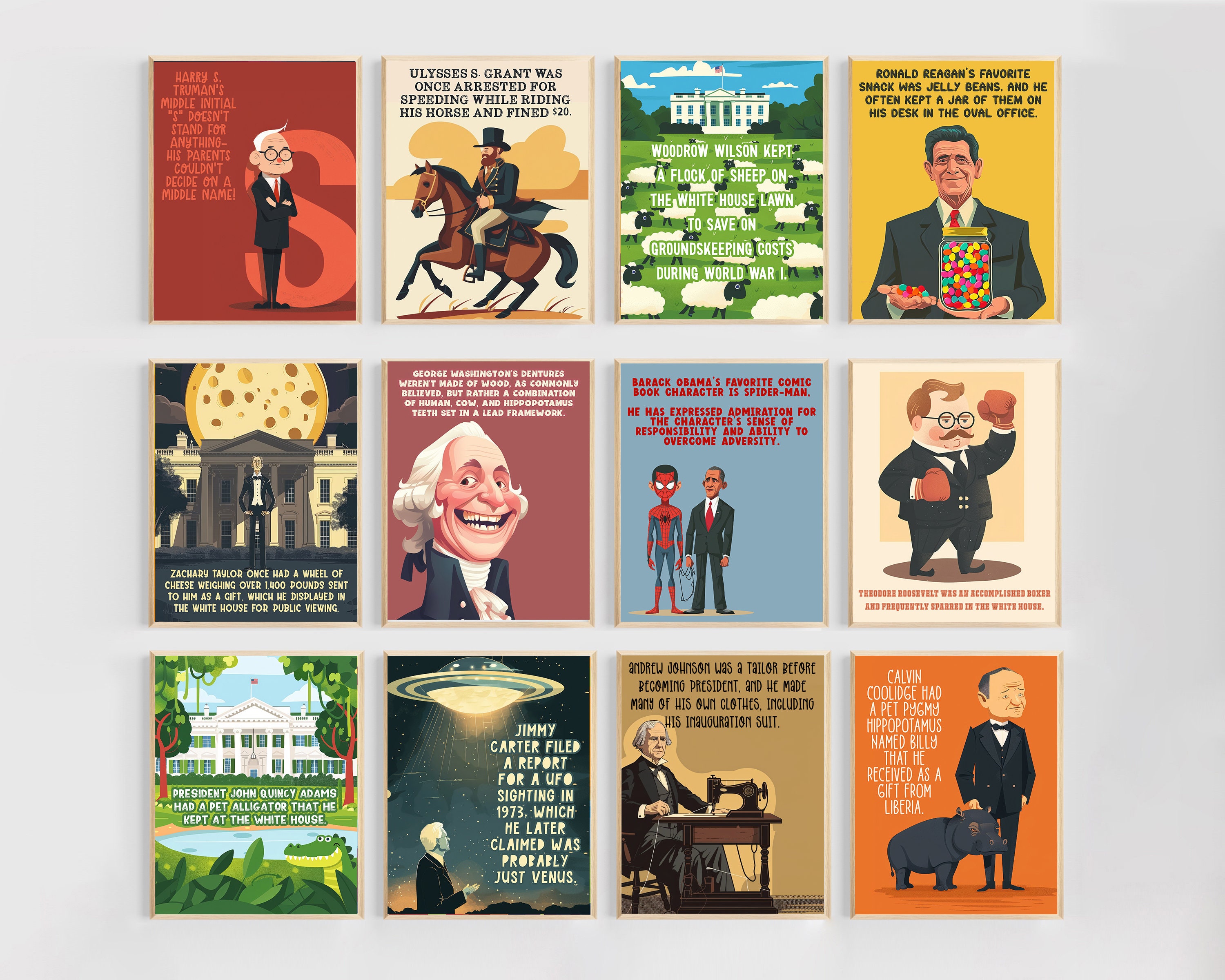
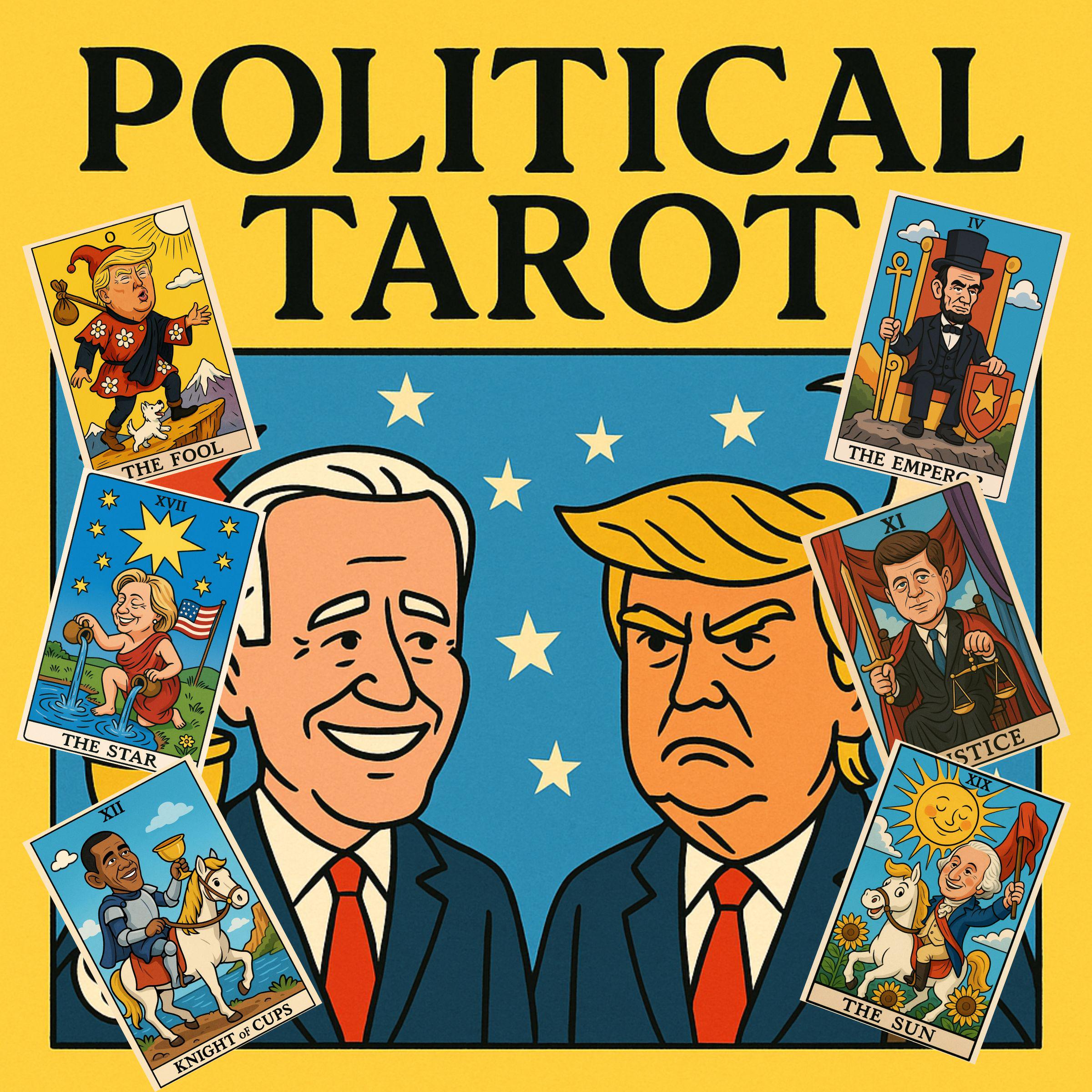
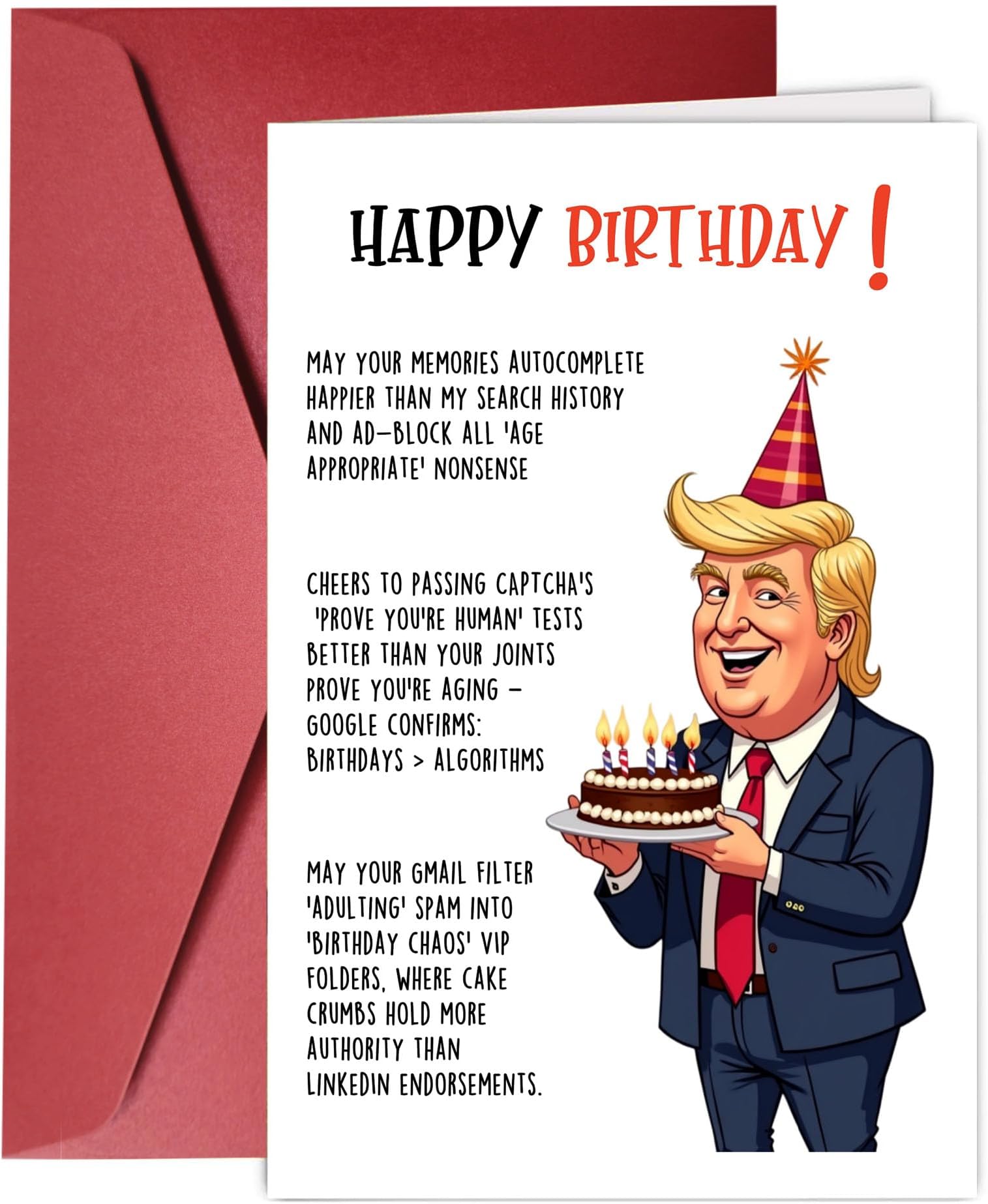
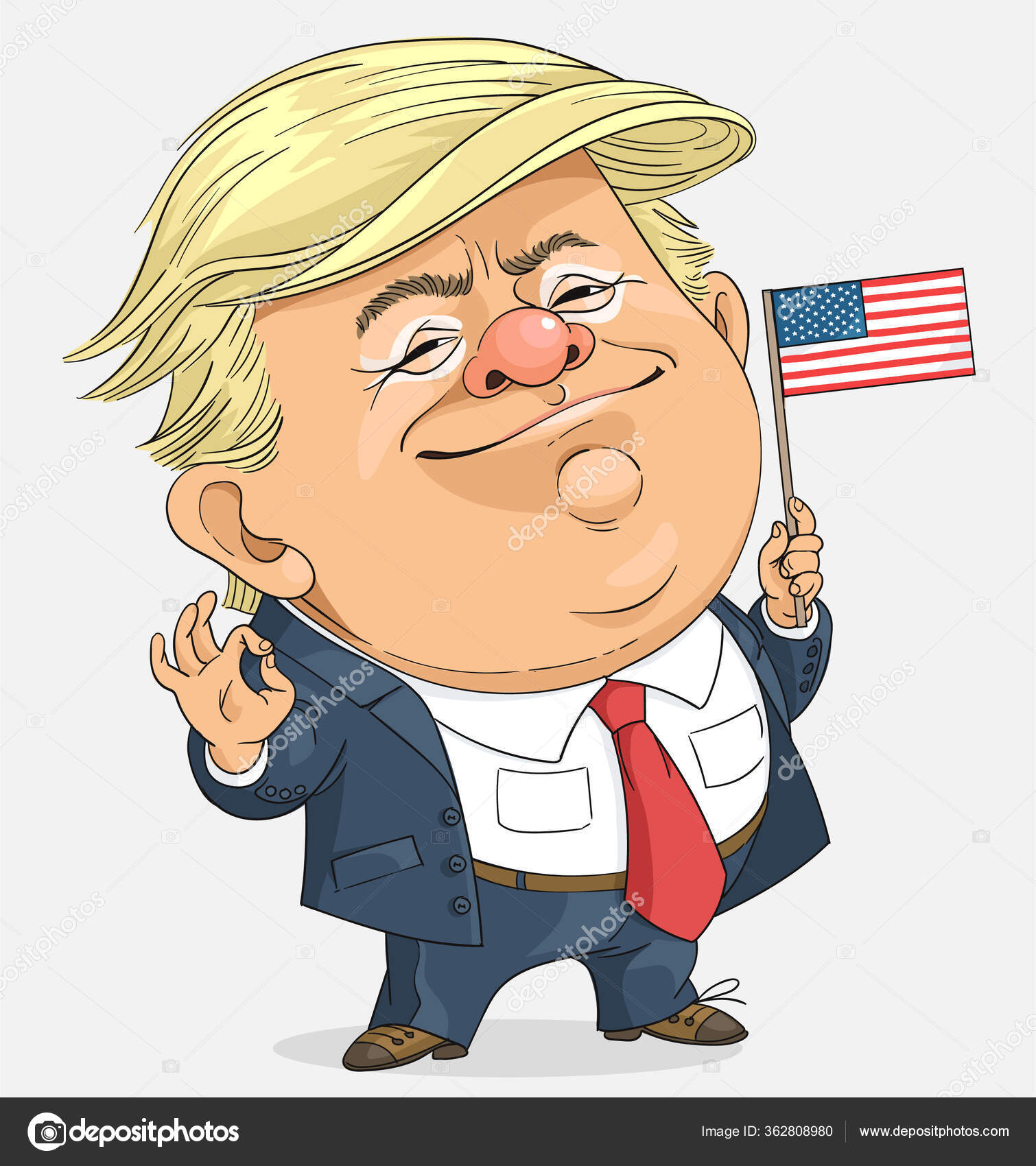
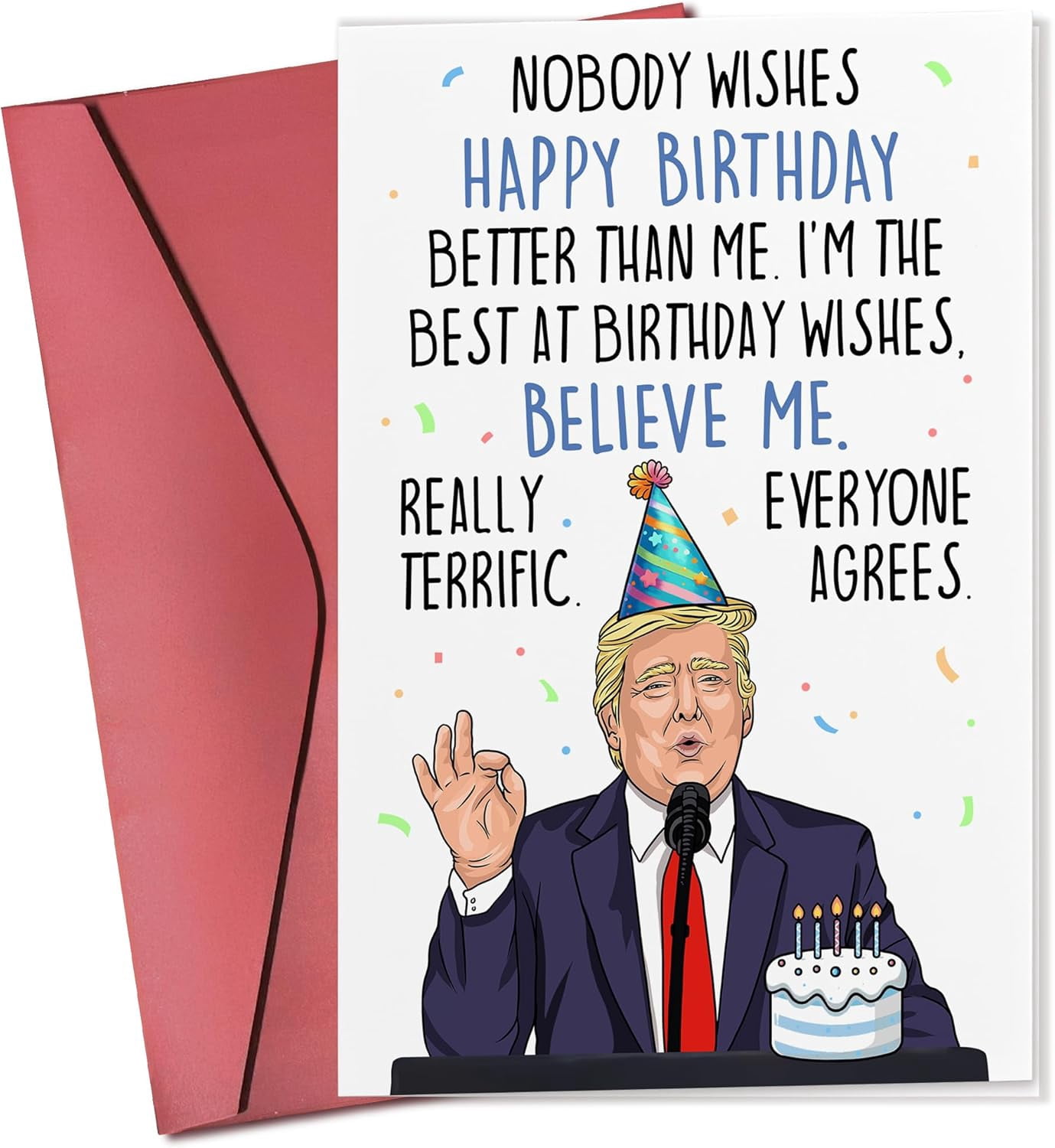
Funny president pics serve as a intersection between political satire, historical documentation, and digital culture. While the internet hosts millions of manipulated and candid images of world leaders, accessing these files requires a...
Funny president pics serve as a intersection between political satire, historical documentation, and digital culture. While the internet hosts millions of manipulated and candid images of world leaders, accessing these files requires an understanding of media literacy, copyright status, and the distinction between official archival photography and user-generated digital parodies.
Contents
The Landscape of Presidential Imagery
Presidential photography functions as an essential record of statecraft, yet it frequently migrates into the realm of humor. These images generally fall into two distinct categories: candid moments captured by official White House photographers and digital composites created by the public. Official archives, such as those maintained by the National Archives and Records Administration (NARA) and the Library of Congress, provide the raw material for most humorous interpretations. Because these images are produced by government employees in the course of their duties, the majority of official U.S. presidential photos are in the public domain.
When searching for images that lean into humor, users often encounter content that has been edited or taken out of context. Distinguishing between a genuine, humorous candid shot and a post-production digital fabrication is the first step in responsible media consumption. Authentic candid shots—such as a president making an exaggerated face during a mundane briefing or reacting to a surprise interaction—often carry more cultural weight than processed memes because they capture genuine human vulnerability within a rigid office.
Accessing Authentic Presidential Archives
To locate high-quality, high-resolution presidential photography that possesses intrinsic humorous or candid value, researchers and casual observers should rely on primary sources rather than third-party image aggregators. Primary sources ensure metadata accuracy, such as the date, location, and the specific event context, which prevents the spread of misinformation.
- The National Archives (NARA): Through the Presidential Libraries system, NARA hosts extensive digital databases. These libraries allow users to browse photos by specific administration.
- Library of Congress: The Prints and Photographs Online Catalog provides access to historical imagery, including earlier presidencies where "funny" photos might capture unique period fashion or unconventional public appearances.
- Official White House Photographers’ Portfolios: Many photographers post collections on platforms like Flickr or official government domains. These archives are categorized by year, offering a chronological path through the "human" side of the presidency.
When accessing these records, users are generally free to download and use public domain images. However, if an image involves a recognizable person who is not a public figure, or if it is being used for commercial advertising, additional considerations regarding Right of Publicity laws may apply.
Analyzing the Nature of Digital Satire
Beyond official photography, the internet is saturated with manipulated images. From a technical SEO and media analysis perspective, it is critical to categorize these files by their creation method:
- Candid Miscontextualization: An authentic photo presented with an inaccurate or humorous caption. This is the most common form of "funny" presidential content.
- Digital Composites (Photoshop/AI): Images where elements have been added or removed to create a humorous scenario. Since 2023, the rise of sophisticated generative AI has made these images harder to detect.
- Sequential Humor: Short-form video or GIFs taken from televised events, such as a president struggling with an umbrella or a podium, which rely on movement rather than static composition.
Comparison of Presidential Image Sources
| Source Type | Authenticity | Intellectual Property | Primary Utility |
|---|---|---|---|
| Official Archives (NARA) | High | Public Domain | Historical research/Editorial |
| News Agencies | High | Licensed/Copyrighted | Current events reporting |
| Social Media Aggregators | Variable | Uncertain/User-owned | Entertainment/Viral trends |
| Generative AI Platforms | None | Proprietary | Creative satire/Art |
Guidelines for Verifying Candid Imagery
The proliferation of manipulated imagery necessitates a rigorous verification process, especially for those intending to use these images in professional or educational projects. Before sharing or citing a "funny" photo, apply these three verification steps:
- Reverse Image Search: Use a reverse image search engine to identify the original publication date and source. If the image appears in official White House galleries, the context is likely confirmed.
- Metadata Inspection: Check for EXIF data in downloaded files. While social media platforms often strip this data, raw files from archival sources usually contain information regarding the camera settings and the photographer’s ID.
- Cross-Reference: If an image depicts a highly unusual or "too good to be true" moment, search for news reports from that specific date. A major candid moment involving a president will almost always be documented by multiple news outlets.
Ethical Considerations in Political Satire
Humor is a cornerstone of democratic expression, yet the line between satire and defamation is defined by jurisdictional legal standards. In the United States, public figures face a higher threshold for proving defamation, generally requiring "actual malice"—the knowledge that information was false or a reckless disregard for the truth. However, creators of funny president pics should remain aware that using a president’s likeness for commercial endorsement without permission can lead to legal complications under state-level Right of Publicity statutes.
Furthermore, the rise of "deepfakes" has prompted legislative responses at both the state and federal levels. While satire remains protected, content that is intended to deceive the public regarding official government actions is increasingly subject to platform-specific moderation policies. Ensuring that your content is clearly labeled as satire or fan-work is a standard best practice in 2026.
Frequently Asked Questions
Are photos taken by White House photographers copyrighted? No. In the United States, works created by federal employees as part of their official duties are in the public domain. This means they can be used, shared, and modified without copyright infringement, provided no other privacy or publicity rights are violated.
How can I tell if a funny photo of a president is AI-generated? Look for inconsistencies in lighting, distorted hands or background text, and "impossible" anatomical features. Additionally, if you cannot find the photo in any reputable news outlet or official archive, it is likely a digital creation rather than a photograph.
What is the best way to search for candid photos? The most efficient method is to search the official Flickr albums of the relevant Presidential Library or the official White House photostream. Using search terms like "candid," "behind the scenes," or specific dates provides more relevant results than general keyword searches.
Can I use funny president pics on my business website? While you generally do not need a copyright license for public domain presidential photos, you should avoid using them to imply that the individual is endorsing your products or services. Using a president's likeness for commercial gain can violate Right of Publicity laws.
Do these images have any historical value? Yes. Even "funny" or candid images are part of the historical record. They provide insight into the personality of the leader and the cultural atmosphere of their time. Historians often use these non-formal images to build a more comprehensive portrait of a presidency than formal state portraits can offer.
Recommendation for Further Action
If you are looking to curate a collection or perform research, start by bookmarking the specific Presidential Library websites associated with the era you are studying. These sites provide high-resolution, unwatermarked files that are free to use. When saving these files, always keep a record of the original URL and the date of retrieval to maintain accurate attribution, even if the image is being used for a comedic purpose. For professional applications, always consult with a legal professional to ensure your usage does not infringe on personality rights or commercial regulations.
Image Gallery