Understanding What a Tuna Salad Recall Means for Consumer Safety
A tuna salad recall is a formal public health action initiated when a manufacturer or regulatory body identifies a safety risk, such as bacterial contamination or undeclared allergens, in a specific batch of products. Consumers are adv...
A tuna salad recall is a formal public health action initiated when a manufacturer or regulatory body identifies a safety risk, such as bacterial contamination or undeclared allergens, in a specific batch of products. Consumers are advised to immediately stop eating affected items, verify product codes against official lists, and return or discard products to prevent foodborne illness.
Contents
The Anatomy of a Food Recall
When a food product like tuna salad is recalled, it signifies that the manufacturer or a government agency—such as the Food and Drug Administration (FDA) or the United States Department of Agriculture (USDA)—has determined the product does not meet safety standards. Recalls are not always the result of a known outbreak of illness; in many cases, they are precautionary measures taken during routine quality control testing or internal audits.
A recall is triggered when a "hazard" is identified. In the context of pre-packaged deli salads, the most common hazards include biological pathogens like Listeria monocytogenes, Salmonella, or E. coli. Alternatively, a recall may be issued due to "undeclared allergens." If a manufacturer fails to list an ingredient like egg, wheat, or soy on the label, the product is considered misbranded and potentially dangerous to individuals with specific dietary sensitivities.
Immediate Steps for Consumers
If you hear news of a recall, your first objective is to determine if the product in your refrigerator is subject to the alert. Manufacturers rarely recall an entire product line; they typically target specific production dates, lot codes, or "best by" dates.
- Do not consume: If you suspect you have an affected item, isolate it immediately. Place it in a bag or a sealed container so it does not come into contact with other foods, and keep it out of reach of children or pets.
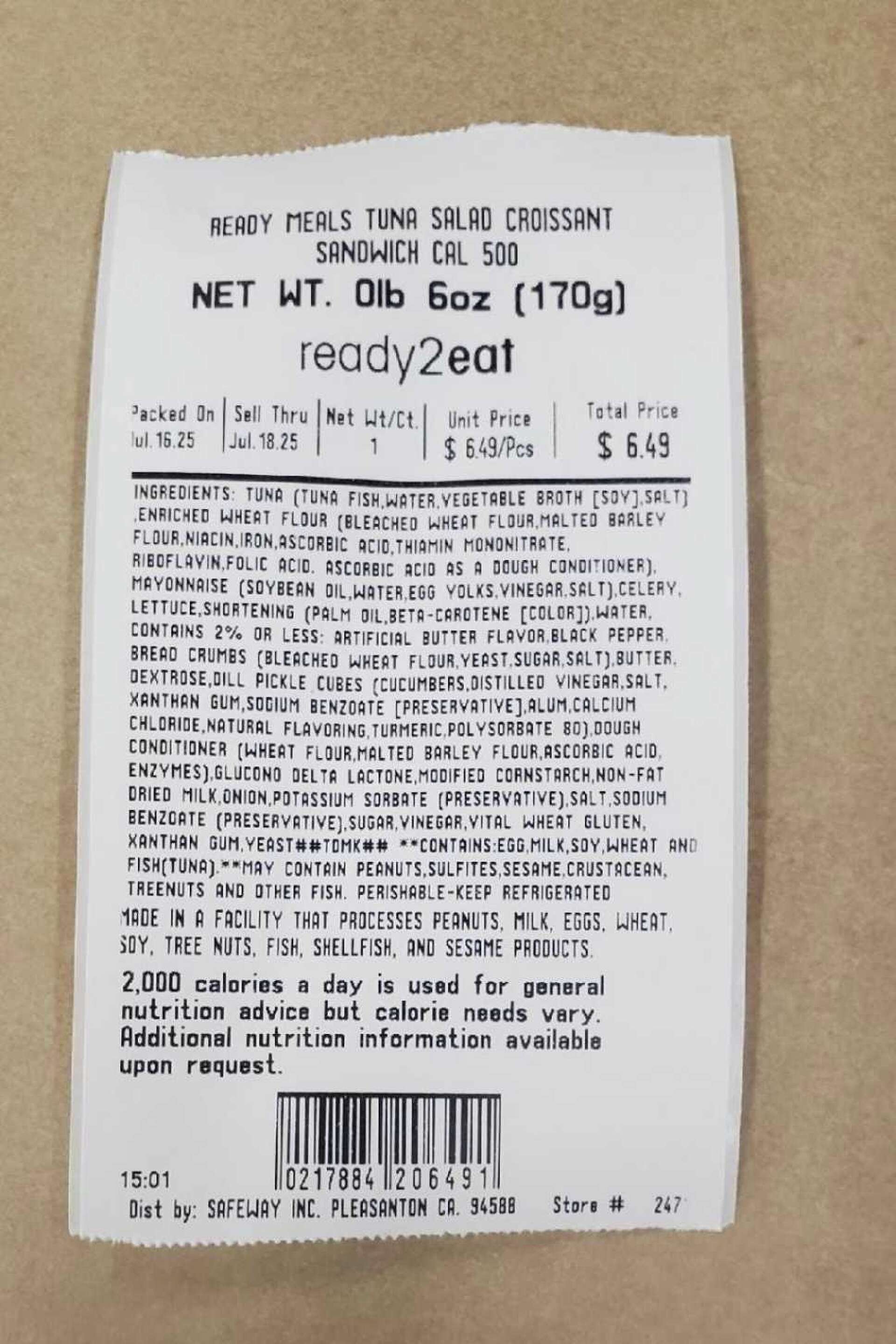
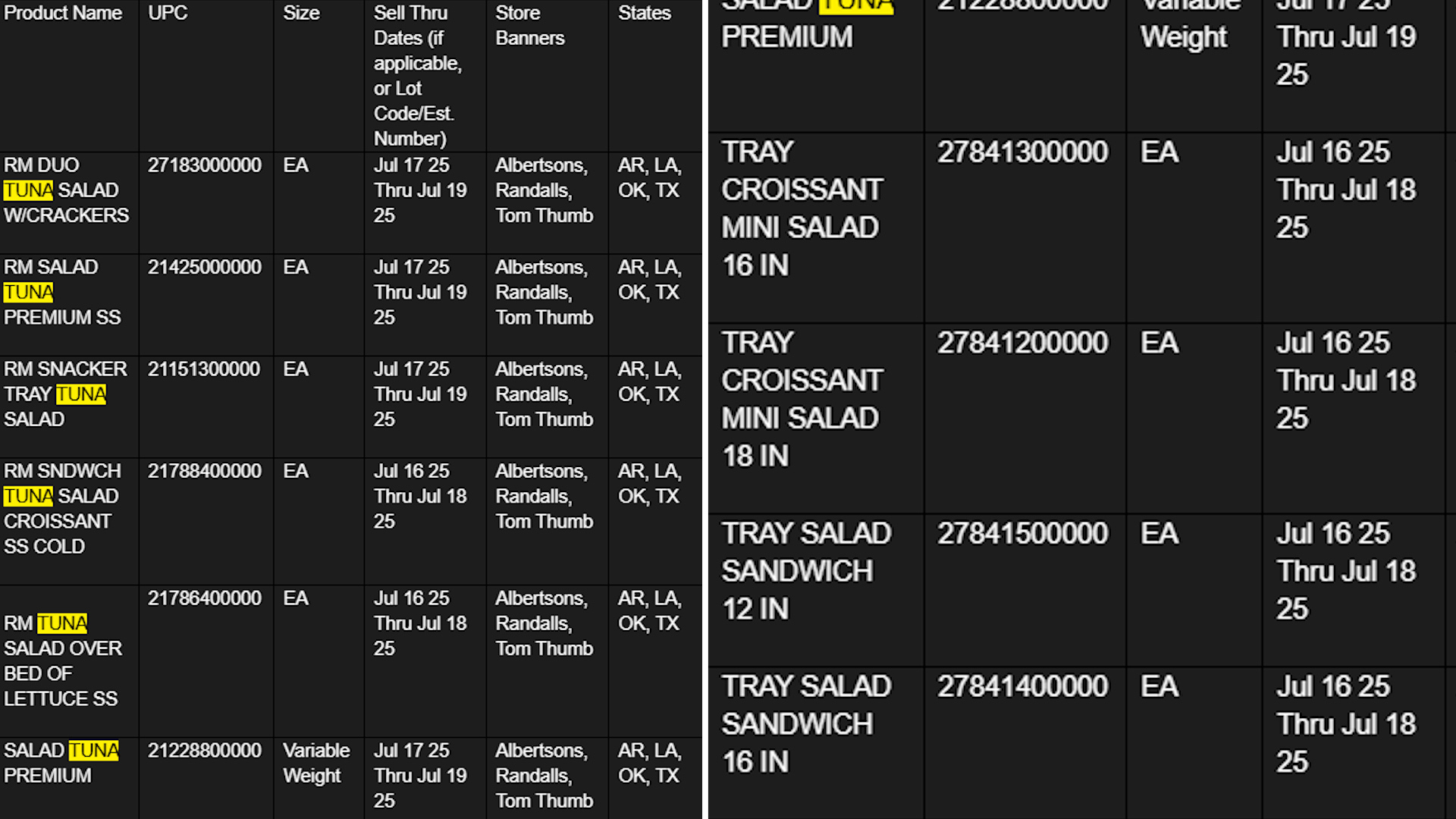
- Check the identifiers: Locate the packaging. Look for the establishment number (often printed as "EST" followed by a number), the lot code, and the expiration or sell-by date.
- Cross-reference: Visit the official FDA or USDA recall portal. These databases allow you to search by brand name or product type to find the exact "Notice of Recall."
- Follow instructions: The recall notice will specify if you should return the item to the point of purchase for a refund or dispose of it. If you are instructed to discard the item, ensure it is disposed of in a way that prevents others from retrieving it from your trash.
Distinguishing Between Recall Classes
Regulatory agencies categorize recalls into three distinct classes based on the severity of the health risk. Understanding these classifications helps you assess the urgency of the situation:
- Class I: This is the most serious level. It indicates a reasonable probability that the product will cause serious adverse health consequences or death. Products recalled under Class I include those contaminated with dangerous bacteria or unlisted severe allergens.
- Class II: This applies to products that may cause temporary or medically reversible adverse health consequences, or where the probability of serious health outcomes is remote.
- Class III: This involves products that are unlikely to cause any adverse health reaction but have violated FDA labeling or manufacturing regulations.
Common Risks Associated with Tuna Salad
Tuna salad presents unique food safety challenges compared to shelf-stable canned tuna. Because it is a "ready-to-eat" (RTE) deli product, it is usually kept in the cold chain—the temperature-controlled supply chain required to maintain product integrity.
The primary risk is temperature abuse. If the product is not maintained at 40°F (4°C) or below throughout its distribution, bacteria can multiply rapidly. Furthermore, the handling process involved in mixing, chopping, and packaging tuna salad introduces more points of contact, increasing the potential for cross-contamination. Unlike raw tuna that is intended to be cooked at home, tuna salad is typically consumed directly from the container, meaning there is no "kill step"—such as boiling or baking—to neutralize potential pathogens before ingestion.
How to Verify if Your Product Is Affected
| Identification Feature | Where to Find It | Why It Matters |
|---|---|---|
| Brand Name | Front of packaging | Confirms the manufacturer's identity. |
| Lot / Batch Code | Stamped on the side or bottom | Identifies the specific production shift. |
| Sell-By / Use-By Date | Stamped near the lot code | Differentiates safe stock from recalled stock. |
| UPC / Barcode | Back or bottom label | Provides digital tracking for retail systems. |
| Establishment Number | Often inside the USDA inspection mark | Identifies the specific facility of origin. |
The Role of Manufacturers and Retailers
When a recall occurs, the company involved is responsible for executing a "recall strategy." This includes notifying every retailer that received the affected shipment. Large grocery chains are typically required by their own internal safety protocols to use point-of-sale (POS) systems that automatically block the purchase of a recalled item at the register.
However, this does not protect the consumer who already has the item at home. Retailers are expected to post "Point of Sale" notices in the store, typically at the deli counter or customer service desk, to inform shoppers of the recall. If you purchased the tuna salad via a third-party delivery app or an online grocery service, check your email; reputable services often send automated notifications to customers who purchased items matching the recalled lot codes.
Dealing with Potential Exposure
If you or a household member consumed tuna salad that has since been recalled, do not panic, but remain vigilant. Most foodborne illness symptoms—such as nausea, vomiting, abdominal cramps, and diarrhea—appear within a few hours to several days after exposure.
- Monitor symptoms: If anyone in the household develops symptoms, track their severity and duration.
- Hydration: Ensure the affected person stays hydrated.
- Medical advice: Contact a healthcare provider if symptoms become severe, such as high fever, bloody diarrhea, or signs of dehydration (e.g., dizziness or inability to keep liquids down).
- Consulting the recall notice: The recall notice will often state the specific pathogen involved (e.g., Listeria). This information is helpful to provide to your doctor, as it allows them to tailor diagnostic tests more effectively.
Disclaimer: This information is for educational purposes and does not constitute medical or legal advice. If you are experiencing a medical emergency, contact your local healthcare provider or emergency services immediately.
Frequently Asked Questions
Does a recall mean the entire brand is unsafe? No. Recalls are almost always limited to specific production runs or facilities. A recall on a specific "Tuna Salad Tub" sold in a particular region does not necessarily mean that all products from that brand—or even all tuna salad from that brand—are contaminated.
Can I kill the bacteria by freezing the tuna salad? No. Freezing is generally bacteriostatic, meaning it stops bacteria from multiplying, but it does not kill existing pathogens. Cooking the food to the appropriate internal temperature is the only effective way to eliminate most bacteria, but this is rarely practical for deli salads, which are intended to be eaten cold.
What happens to the recalled product after I return it? Retailers are required to collect the returned inventory and either destroy it or return it to the manufacturer for official destruction. This ensures the product does not accidentally re-enter the food supply chain.
How do authorities find out about the contamination? Reports originate from several sources: routine inspections by food safety officials, consumer complaints filed with the FDA, or the company’s own internal quality assurance monitoring. If a company finds a deviation in their own testing, they are required by law to report it to the governing agency.
Do I need a receipt to get a refund for a recalled item? Most retailers will issue a refund for a recalled product even without a physical receipt, as they have internal records of the transaction or the recall itself justifies the return. However, it is advisable to check the specific policy of the store where the purchase was made.
Next Steps for Product Safety
Moving forward, maintain a habit of checking your refrigerator for items subject to recent alerts. You can subscribe to email updates from the FDA's "Recalls & Safety Alerts" portal to receive real-time information. If you suspect an item in your home is part of a recall, document the lot code and date, discard it according to the official notice, and report the purchase to the retailer to secure your refund or store credit. Staying informed is the most effective way to navigate food supply disruptions.
Image Gallery