The 25 Pound Bag Explained: A Comprehensive Guide to Bulk Procurement and Logistics
A 25-pound bag is a standardized unit of measure used in wholesale, industrial, and agricultural sectors to package dry goods, feed, chemicals, and retail products. It serves as the bridge between consumer-facing small-scale packaging...
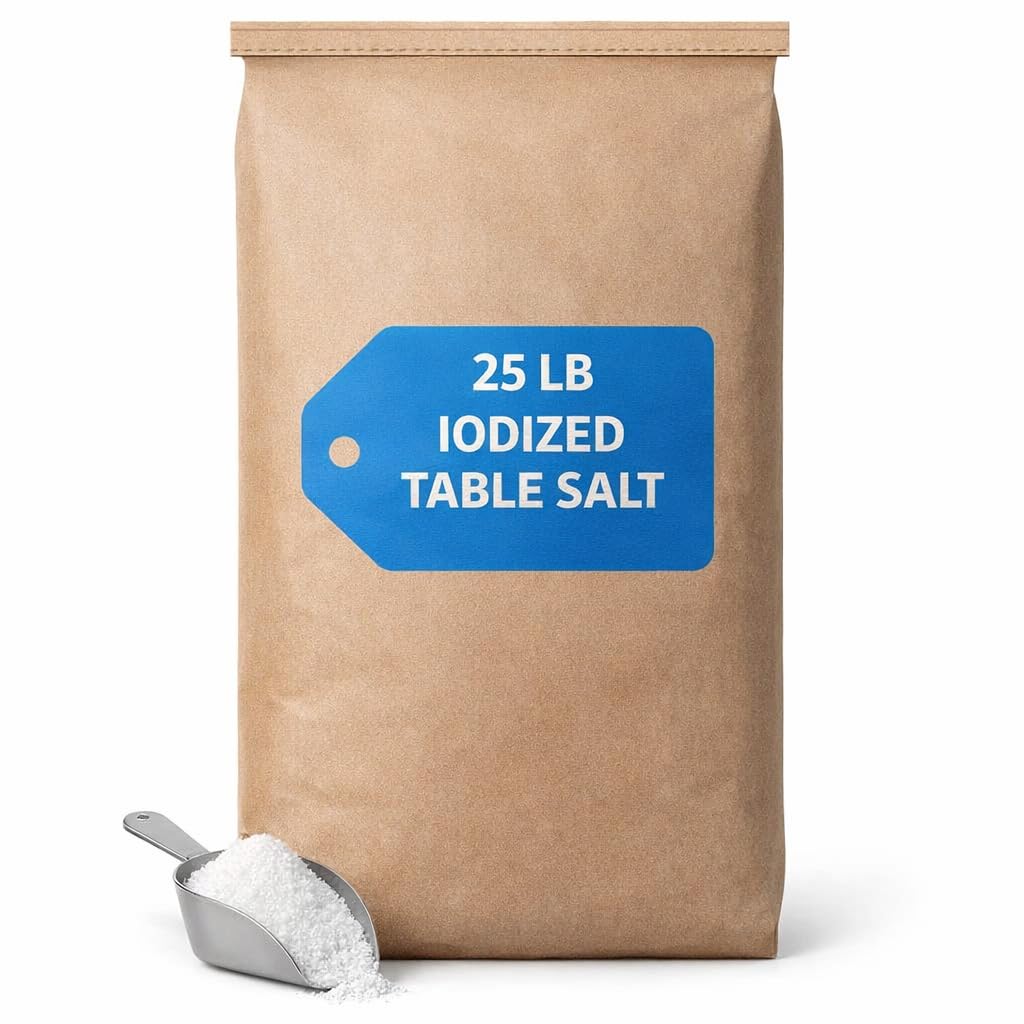
A 25-pound bag is a standardized unit of measure used in wholesale, industrial, and agricultural sectors to package dry goods, feed, chemicals, and retail products. It serves as the bridge between consumer-facing small-scale packaging and industrial-grade bulk containers, offering a balance of transportability, shelf stability, and volume efficiency for businesses and large-household consumers.
Contents
The Utility of the 25-Pound Unit
In industrial and commercial logistics, packaging is rarely arbitrary. The selection of a 25-pound (approximately 11.34 kg) weight threshold is driven by human factors engineering and supply chain standardization. Unlike the 50-pound bag—which is the industry standard for "heavy" manual handling—the 25-pound bag is designed for a wider demographic of workers and retail consumers who may lack specialized heavy-lifting equipment.
By limiting the weight to 25 pounds, manufacturers comply with various ergonomic guidelines that suggest minimizing repetitive lifting of weights exceeding 30 pounds to prevent musculoskeletal injuries. From a retail perspective, this size is the "sweet spot" for high-turnover items like pet food, specialty grains, potting soil, and industrial cleaning compounds. It provides enough product to justify a bulk-price reduction compared to 5-pound or 10-pound alternatives, while remaining manageable for a single person to lift, transport, and pour without mechanical assistance.
Common Industries Utilizing 25-Pound Packaging
The use of this specific weight class spans several distinct markets, each with its own set of regulatory requirements regarding moisture control, material integrity, and labeling.
Food and Agriculture
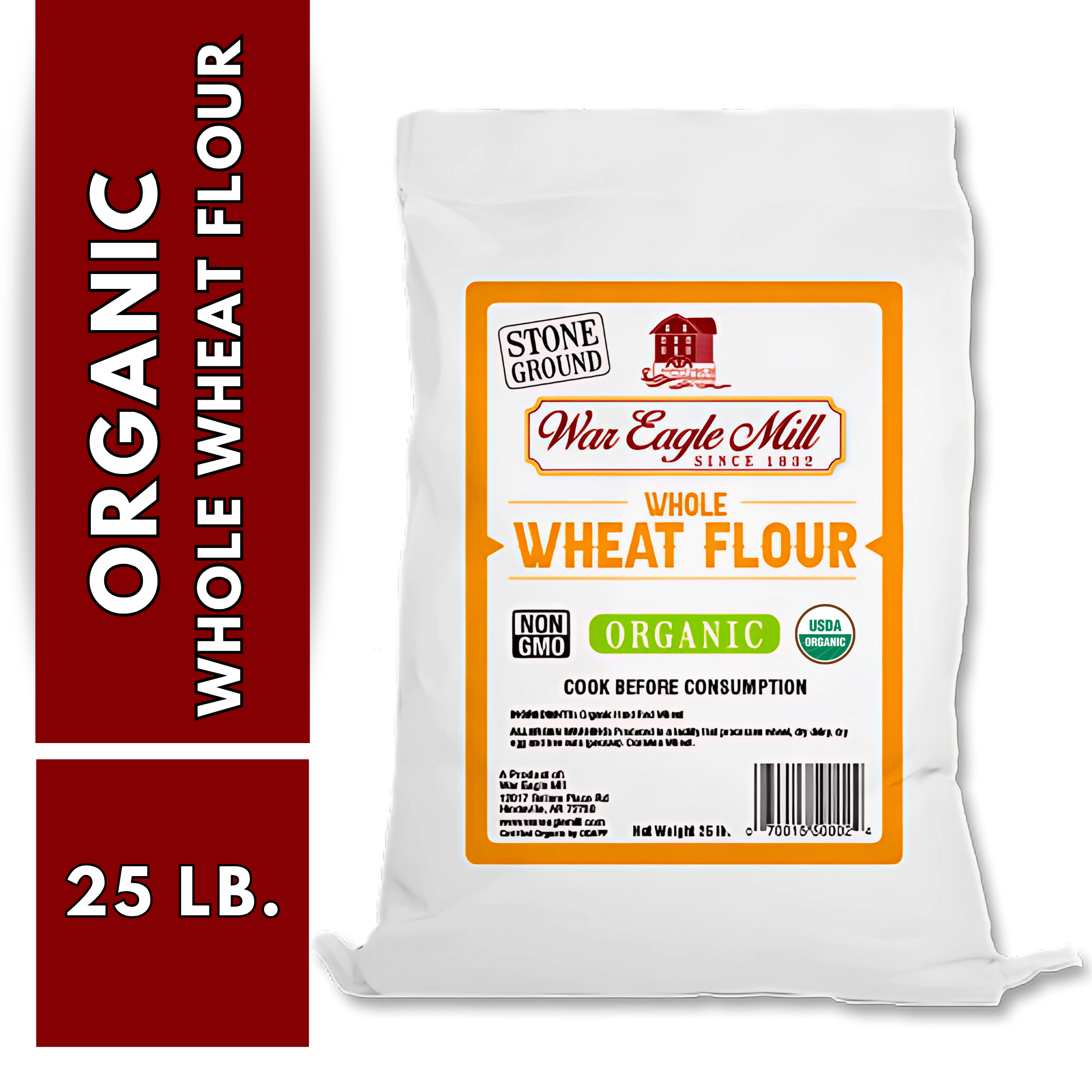
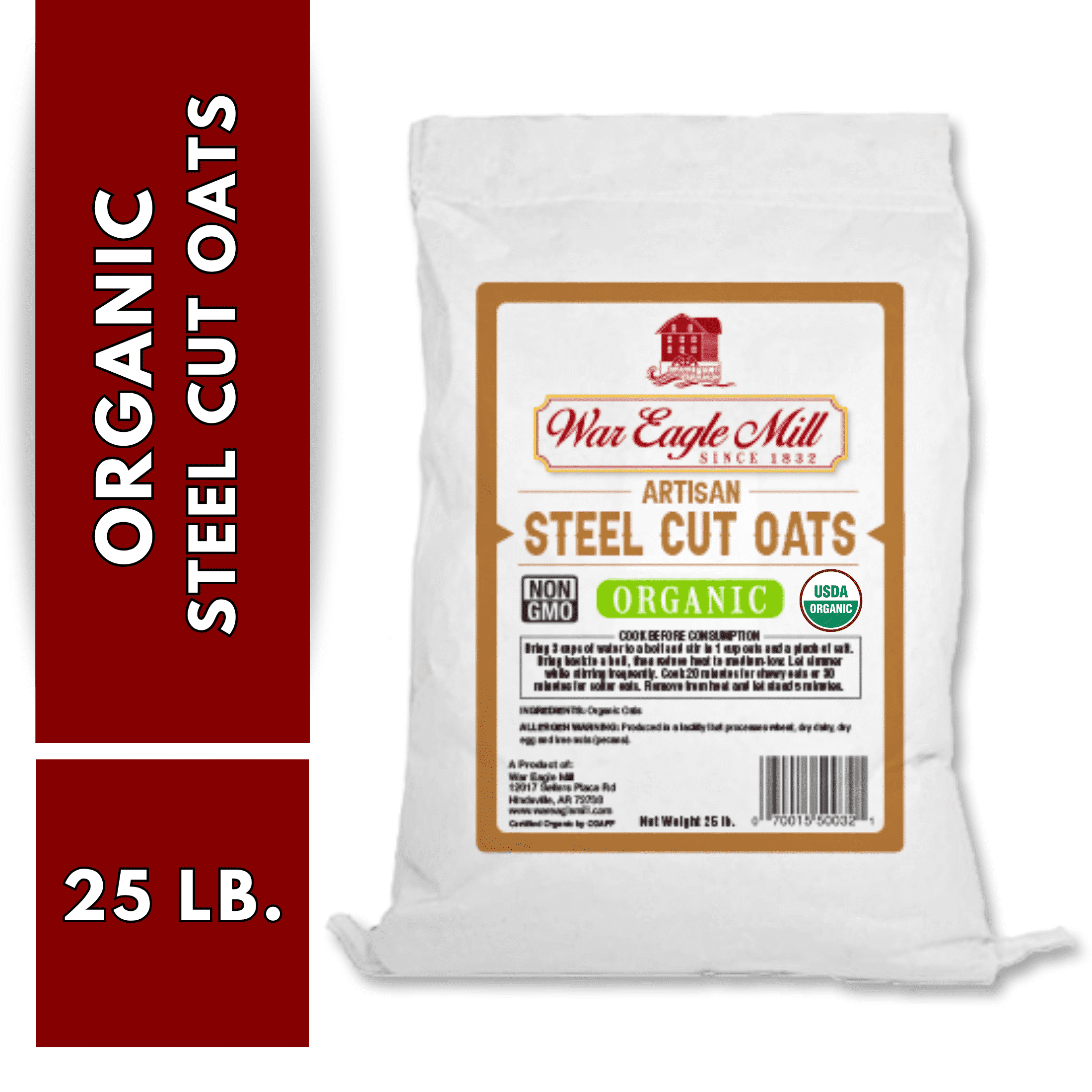
In the culinary and agricultural sectors, 25-pound bags are the standard for professional kitchens and artisanal producers. Flour, rice, dried beans, and coffee beans are frequently shipped in these units. The bag material is typically a food-grade multi-wall paper or a high-density polyethylene (HDPE) laminate. These materials are engineered to maintain internal humidity levels, which is critical for preventing spoilage or clumping in hygroscopic products like sugar or flour.
Animal Feed and Supplements
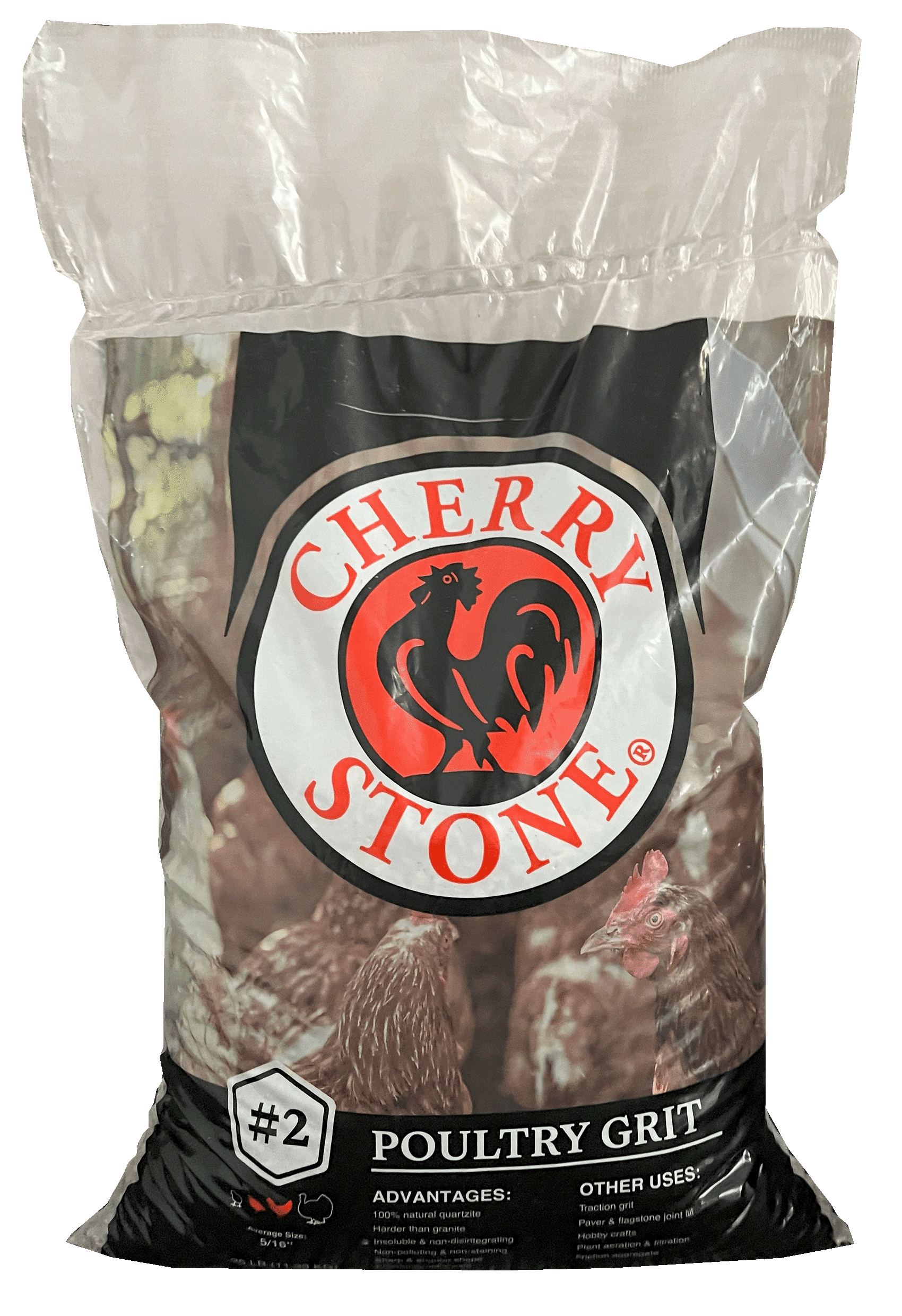
The pet food industry relies heavily on the 25-pound bag for "premium" dry kibble. In this context, the packaging serves as a marketing tool as much as a protective vessel. You will often see resealable zippers or "hook-to-hook" fasteners on 25-pound bags of pet food, a feature rarely found on larger 50-pound bags, as the 25-pound unit is targeted toward suburban households where storage space is at a premium and ease of use is a priority.
Construction and Gardening
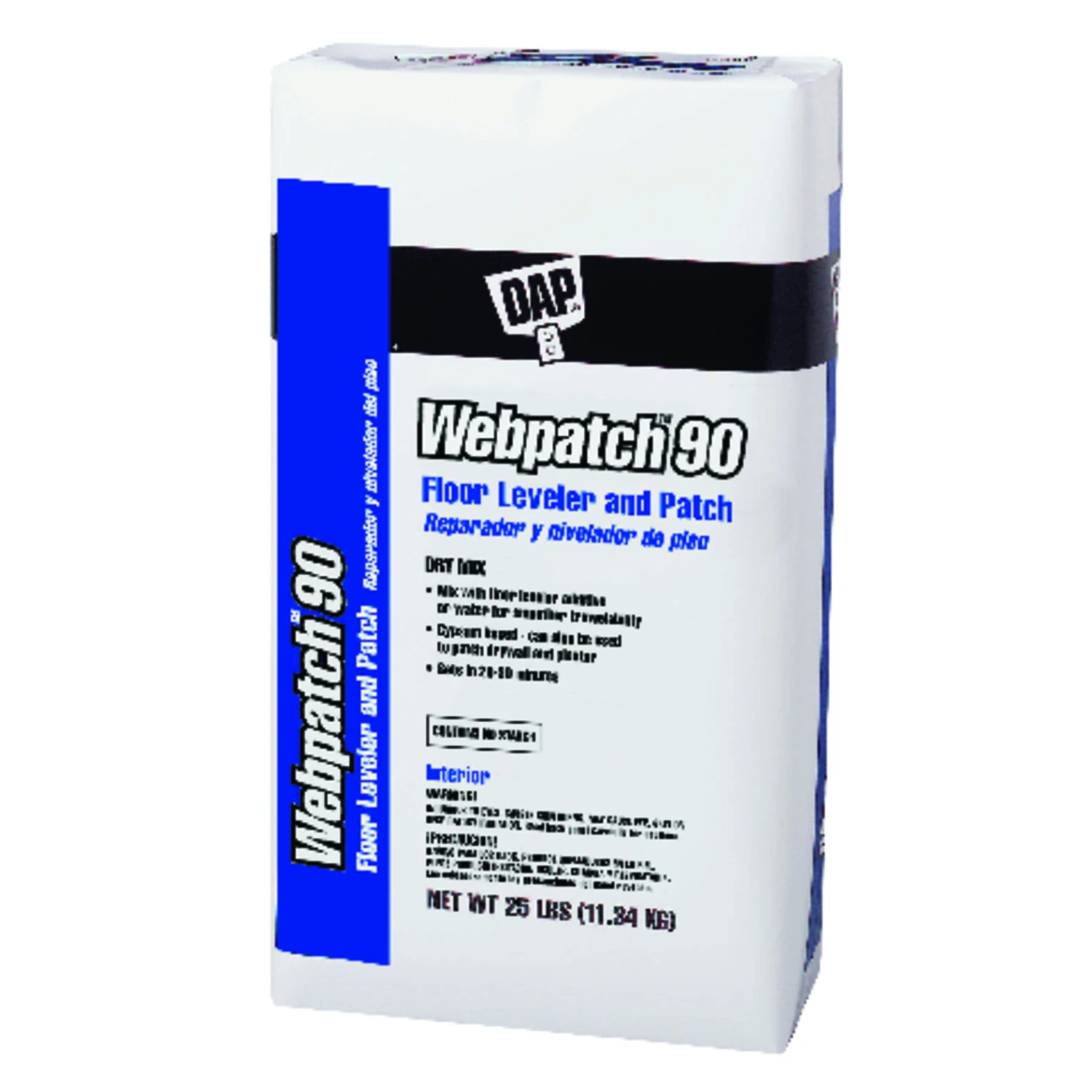
For specialized materials like mortar mix, grout, or high-end grass seed, the 25-pound bag serves as a pro-sumer compromise. Professional contractors may prefer 50-pound or 80-pound bags to minimize the number of trips to the pallet, but the 25-pound bag is frequently stocked in hardware stores for DIY homeowners who require a precise amount of material for a project without the need for excess storage.
Logistical Considerations and Material Specifications
Understanding the bag itself is essential for anyone responsible for procurement or inventory management. The integrity of the contents depends entirely on the construction of the packaging.
- Multi-Wall Paper Sacks: Common for dry goods. They provide high breathability but are susceptible to moisture intrusion.
- Woven Polypropylene: Highly durable and tear-resistant. These are standard for fertilizers, salt, and seeds.
- Plastic Laminates: Often used for goods requiring an airtight barrier, such as specialty chemicals or moisture-sensitive powders.
Weight Verification and Tolerance
It is important to note that the weight of the bag may not always perfectly equal 25 pounds of net weight. Industry standards, such as those overseen by the National Institute of Standards and Technology (NIST) in the United States, allow for "reasonable variations" in packaged goods due to unavoidable deviations in manufacturing and dehydration during storage. However, the average weight of a sample set must meet or exceed the labeled net weight.
| Material Type | Primary Use Case | Moisture Resistance | Durability |
|---|---|---|---|
| Paper (Multi-wall) | Flour, Grains | Low | Moderate |
| Woven Poly | Feed, Fertilizer | High | Very High |
| Plastic Laminate | Chemicals, Powders | Excellent | High |
Handling and Storage Best Practices
To maximize the shelf life of products stored in 25-pound bags, proper warehousing is non-negotiable. Even with heavy-duty packaging, the environment dictates the longevity of the contents.
- Palletization: Never store bags directly on concrete floors. Use wooden or plastic pallets to allow for air circulation, which prevents moisture wicking from the floor into the product.
- Stacking Patterns: When stacking 25-pound bags, use a "pinwheel" or "interlocking" pattern to maintain vertical stability. High-density stacking can cause bottom bags to compress, leading to potential ruptures.
- Rotation: Follow a First-In-First-Out (FIFO) system. Because 25-pound units are often shelf-stable for long periods, it is easy to lose track of older stock that may be nearing its expiration date.
Common Mistakes in Procurement
Businesses often overestimate or underestimate their need for this specific size. A common error is assuming that the 25-pound bag is always the most economical choice. While it is cheaper per pound than small retail packages, it may be significantly more expensive per pound than "tote bags" (bulk sacks containing 1,000+ pounds).
If your operation consumes more than 200 pounds of a specific material per week, conducting a cost-benefit analysis regarding bulk "super sack" delivery versus individual 25-pound bags is recommended. Factor in the cost of labor—handling four 25-pound bags is more labor-intensive than moving one 100-pound unit via pallet jack.
Frequently Asked Questions
Are 25-pound bags always exactly 25 pounds?
Not necessarily. While they are labeled as 25 pounds, manufacturers are allowed small, legally defined tolerances for minor variations in moisture content and filling precision. The product should be sold by net weight, which excludes the weight of the packaging material itself.
Can a 25-pound bag be recycled?
Recyclability depends entirely on the material. Woven polypropylene is generally recyclable at specialized facilities, but multi-wall paper bags with plastic liners or adhesive layers are often not accepted in curbside recycling programs. Always check the resin identification code or local municipal guidelines.
What is the advantage of 25-pound bags over 50-pound bags?
The primary advantage is ease of handling. The 25-pound weight is significantly easier for an individual to lift without the risk of repetitive strain injuries. Additionally, many 25-pound bags include secondary convenience features, such as resealable closures, that are impractical on larger, heavier bags.
How should I store 25-pound bags to prevent pest infestation?
Keep bags off the floor, away from walls, and in a climate-controlled environment. If storing food or animal feed, utilize metal or heavy-duty plastic storage bins if the original packaging is not airtight or if there is a known risk of rodent activity in your storage area.
When should I move from 25-pound bags to bulk totes?
Transitioning to bulk totes or "super sacks" is typically advisable when your consumption rate exceeds 500–1,000 pounds per delivery cycle. This shift reduces per-unit costs, decreases packaging waste, and lowers labor hours associated with manual handling and disposal of individual bags.
Is the price per pound lower for 25-pound bags?
Generally, yes, compared to smaller consumer sizes. However, they are almost always more expensive per pound than buying in bulk silos or 2,000-pound super sacks. Use the 25-pound bag primarily when you need a balance between manageable weight and wholesale volume pricing.
Next Steps for Procurement
When sourcing products in 25-pound increments, verify the supplier's "minimum order quantity" (MOQ) and pallet configurations. If you are a business user, request a product specification sheet to confirm the bag’s material composition and its suitability for your specific humidity and temperature requirements. For personal use, ensure that you have dedicated, dry storage space ready before taking delivery, as these units require a significantly larger footprint than standard shelf items.
Image Gallery