How to Change the Hyundai Sonata Transmission Fluid: A Comprehensive Maintenance Guide
Changing the transmission fluid in a Hyundai Sonata is a critical maintenance task that helps ensure smooth gear shifts, optimal fuel efficiency, and the longevity of the transmission system. While modern Sonata models utilize "sealed"...
Changing the transmission fluid in a Hyundai Sonata is a critical maintenance task that helps ensure smooth gear shifts, optimal fuel efficiency, and the longevity of the transmission system. While modern Sonata models utilize "sealed" transmissions—meaning they lack a traditional dipstick and drain plug—the fluid still degrades over time due to heat and mechanical shear. By following the correct manufacturer-specified procedure, you can perform this service yourself to maintain your vehicle's performance.
Contents
Understanding the Hyundai Sonata Transmission System
The Hyundai Sonata has utilized various transmission architectures over the years, primarily shifting from traditional four-speed and six-speed automatic transmissions to the modern eight-speed automatic and Dual-Clutch Transmission (DCT) systems found in recent models.
It is vital to recognize that there is no "universal" transmission fluid. Hyundai mandates specific fluid grades, most commonly SP-IV or higher variants, depending on your vehicle’s specific model year and transmission type. Using the incorrect fluid can cause premature clutch failure, sluggish shifting, or permanent damage to the valve body. Always consult your owner’s manual or the label located on the transmission casing to identify the exact fluid requirement.
Prerequisites and Safety Precautions
Before beginning, ensure you have the proper environment. Transmission fluid is highly sensitive to contamination; even a small amount of dirt entering the fill port can cause solenoid failure.
- Surface Level: You must perform this service on a perfectly level surface. Because these transmissions rely on an internal overflow standpipe to determine the correct fluid level, any tilt will result in an inaccurate fill.
- Safety Gear: Wear safety glasses and nitrile gloves. Transmission fluid is a chemical irritant and can be hot if the vehicle was recently driven.
- Tools Required:
- Vehicle lift or four jack stands (all four corners must be raised to keep the car level).
- Metric socket set (specifically 17mm or 24mm for drain/fill plugs).
- A fluid transfer pump (manual hand pump or pneumatic).
- A calibrated thermometer (infrared or digital contact probe).
- A catch pan with a minimum 6-quart capacity.
- Clean lint-free rags.
Step-by-Step Fluid Exchange Procedure
Because most Hyundai Sonata transmissions are sealed, you cannot simply drain and fill to a specific volume. You must follow a "drain, fill, and level-check" sequence.
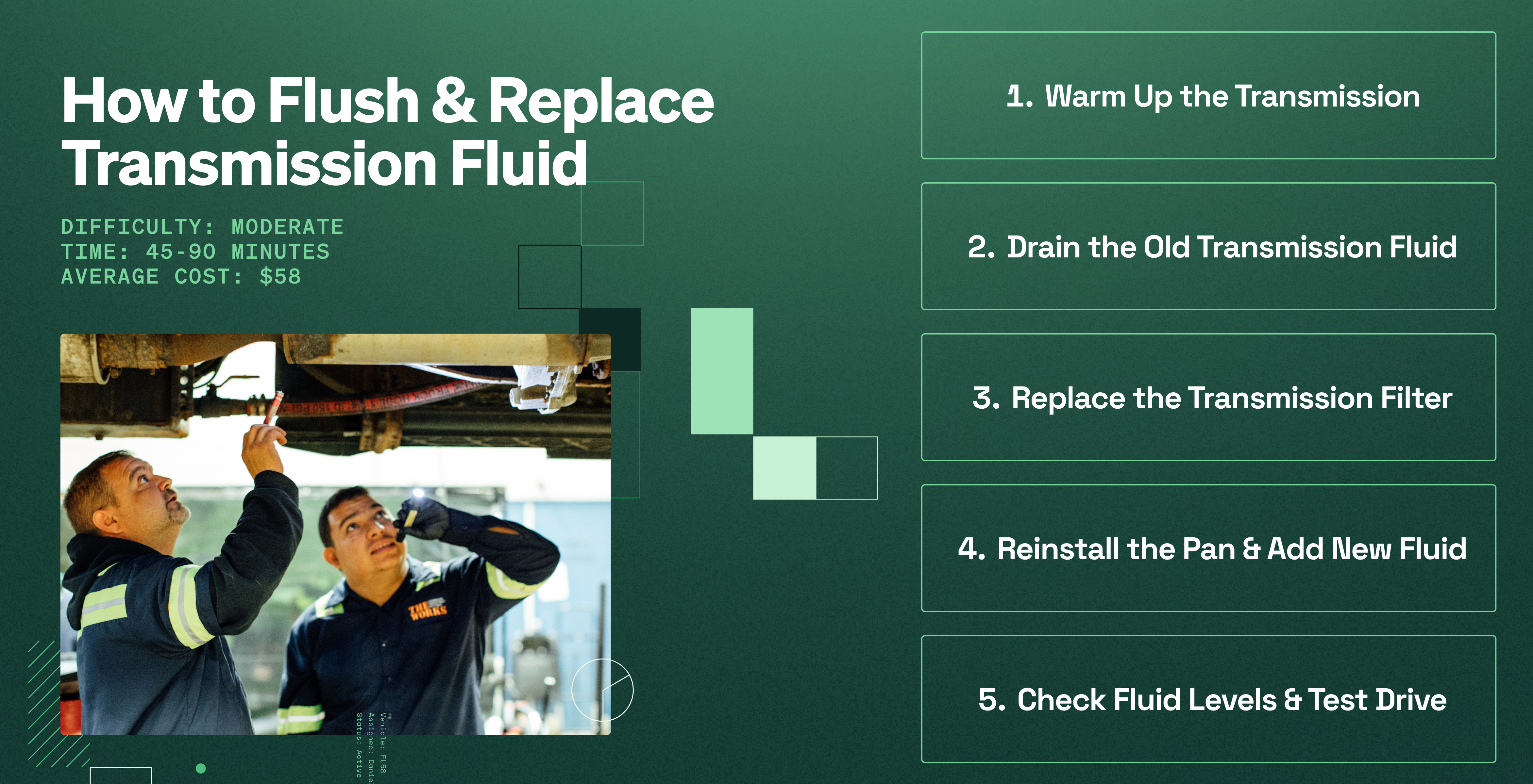
1. Preparation and Draining
Ensure the engine is cool enough to work on but warm enough that the transmission fluid flows easily. Raise the vehicle on four jack stands. Locate the drain plug on the bottom of the transmission pan. Place your catch pan underneath and remove the drain plug. Allow the fluid to drain completely—this usually takes 15–20 minutes. Inspect the magnetic tip of the drain plug for excessive metallic shavings; while a fine gray paste is normal, large metal chunks suggest internal transmission damage.
2. Refilling the Transmission
Reinstall the drain plug with a new crush washer. Move to the top or side of the transmission housing to locate the fill plug. This is often positioned near the battery tray or air cleaner housing. Using your fluid pump, insert the amount of fluid recommended by the manual (typically 4 to 5 quarts). Do not overfill at this stage.
3. The Leveling Process
This is the most critical step for a sealed transmission. The internal standpipe inside the drain hole allows excess fluid to spill out once it reaches the correct height at a specific operating temperature.
- Start the engine and let it idle in Park.
- Cycle through all gears (P, R, N, D) for 5 seconds each to circulate the new fluid through the valve body.
- Keep the engine running. Monitor the transmission fluid temperature using an OBD-II scanner or an infrared thermometer aimed at the transmission pan.
- Once the fluid reaches the manufacturer-specified temperature range (usually between 120°F and 130°F), remove the level-check plug (usually a smaller bolt located on the side of the drain plug assembly).
- If fluid flows out in a thin stream, wait until it drops to a drip, then replace the plug. If no fluid comes out, add more via the fill port until it begins to drip.
Comparison of Transmission Service Types
| Service Type | Scope of Work | Benefits | Limitations |
|---|---|---|---|
| Drain and Fill | Removes 40-50% of old fluid | Inexpensive, low risk | Leaves old fluid in the torque converter |
| Full Flush | Replaces 90-100% of fluid | Thorough cleaning | High risk of dislodging debris in high-mileage cars |
| Pan Drop/Filter | Changes filter + fluid | Removes physical debris/sludge | Requires new gasket and labor-intensive |
Troubleshooting Common Issues
If you experience "slipping" or harsh shifting after a fluid change, first verify that the fluid level was set at the correct temperature. A common error is checking the level while the fluid is cold, which results in an under-filled transmission. If the fluid is confirmed to be at the correct level and issues persist, consider whether the transmission has suffered permanent wear that the old, thicker fluid was masking. In such cases, avoid high-pressure flushes, as they can accelerate the failure of worn clutch packs.
Frequently Asked Questions
1. How often should I change my Hyundai Sonata transmission fluid? While some manufacturers claim "lifetime" fluid, most experts recommend changing it every 60,000 to 90,000 miles. If you drive in heavy city traffic or hilly terrain, perform this service every 45,000 miles to account for thermal stress.
2. Can I use universal automatic transmission fluid? No. Hyundai transmissions are designed to operate with specific frictional characteristics. Using a generic fluid that does not meet the specific Hyundai SP-IV or ATF-9 specification can lead to "shuddering" or delayed engagement.
3. Why is my transmission fluid dark and burnt-smelling? Dark fluid with a burnt odor indicates severe oxidation caused by overheating. This is a sign that the transmission has been pushed beyond its limits. A fluid change might help, but the internal clutches may already be compromised.
4. What happens if I overfill the transmission? Overfilling causes the fluid to foam due to contact with the rotating gears. This foam does not provide adequate lubrication or hydraulic pressure, leading to overheating, erratic shifting, and potential seal blowouts.
Next Steps and Professional Guidance
If you do not have access to an OBD-II scanner capable of reading transmission fluid temperatures or a safe way to raise the entire vehicle level, it is highly recommended to have this service performed by a certified technician. Professional shops utilize high-precision equipment to ensure the exact fluid level, preventing the common risks associated with DIY home procedures. If you choose to do it yourself, always use OEM-spec fluid and replace the crush washers on all plugs to prevent future leaks.
Image Gallery