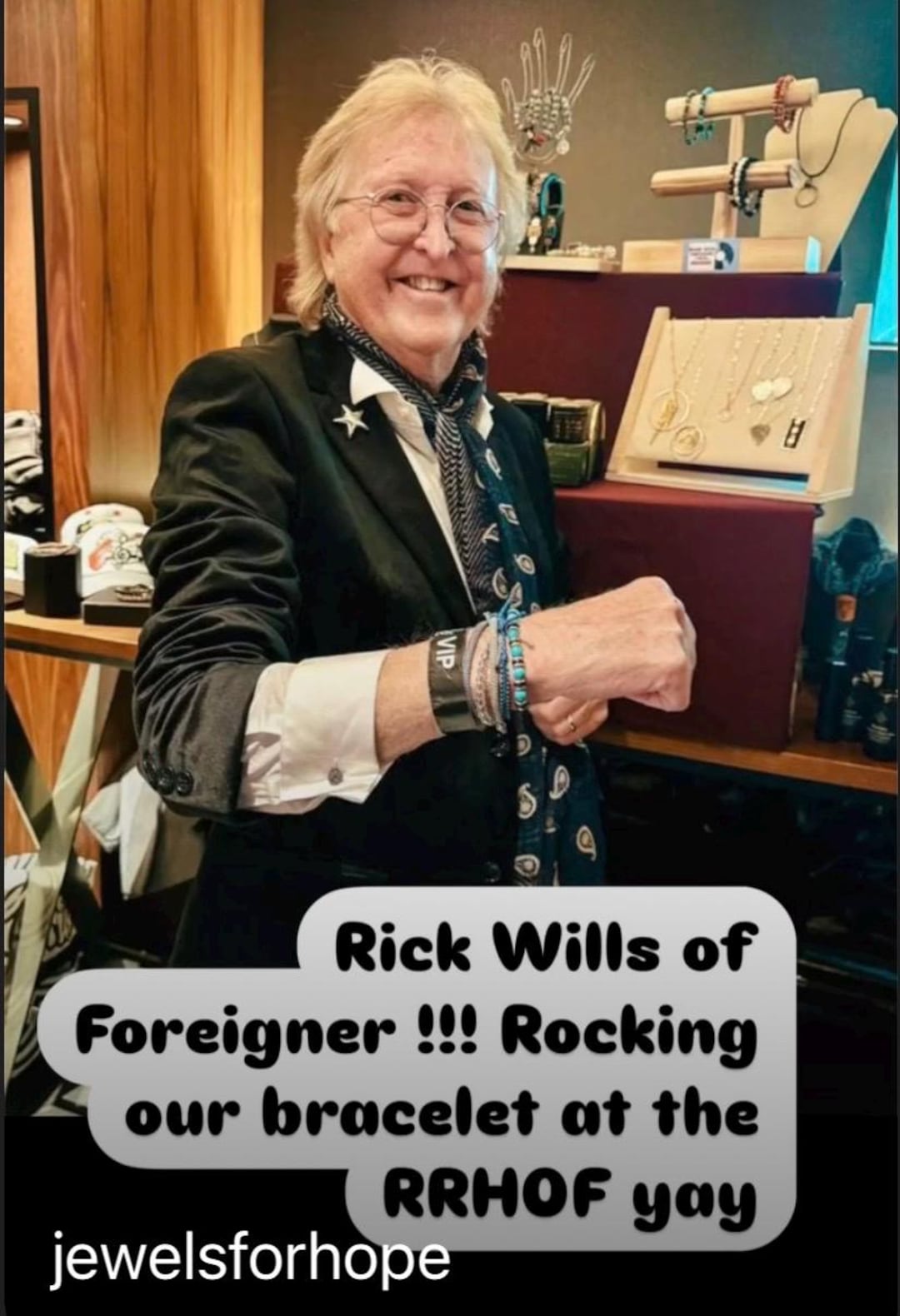
Rick Wills: From Classic Rock Bass to Touring Legend
Rick Wills stands as a pillar of British rock history, recognized globally for his precise, melodic, and groove-oriented bass playing. His career reflects the evolution of the classic rock era, moving from the foundational psychedelic...
Rick Wills stands as a pillar of British rock history, recognized globally for his precise, melodic, and groove-oriented bass playing. His career reflects the evolution of the classic rock era, moving from the foundational psychedelic and progressive scenes of the late 1960s to the massive, stadium-filling arenas of the 1980s. Throughout his trajectory, Wills provided the essential rhythmic backbone for some of the most successful bands of the 20th century, effectively bridging the gap between artistic exploration and commercial touring excellence.
Contents
Early Foundations: The British Rock Underground
Born in London, Rick Wills’ professional journey began in the fertile environment of the mid-1960s British music scene. His initial breakthrough came with the band Bullet, which eventually evolved into the group Cochise. During this period, Wills developed his fundamental approach to the electric bass—a style defined by a deep understanding of space and dynamics. Unlike bassists who focused solely on speed or excessive ornamentation, Wills emphasized the "pocket," ensuring that every note served the song’s broader structure.
This formative period was characterized by constant live performance and recording studio experimentation. By the time he joined Peter Frampton in the group Frampton's Camel in 1972, Wills had already established a reputation as a highly reliable and musically literate bassist. His work with Frampton exposed him to the rigorous demands of international touring, a skill set that would define the next several decades of his professional life.
The Professional Pivot: Joining Bad Company and Foreigner
Wills’ transition from an ensemble player to a core member of global rock institutions occurred when he replaced Boz Burrell in Bad Company in 1979. Stepping into the shoes of a respected player within a high-profile act requires significant technical adaptability and the ability to honor a band's established sound while injecting individual personality. Wills managed this transition seamlessly, contributing to the band's later-era output and reinforcing his standing as a premier studio and live bassist.
However, it was his tenure with Foreigner, beginning in 1979, that solidified his status as a "touring legend." As a member of Foreigner during their commercial peak, Wills played on era-defining albums like 4 (1981). His bass lines on tracks such as "Urgent" are masterclasses in rhythmic propulsion, utilizing a mixture of punchy, processed tones and precise synchronization with the drum kit. During this period, Foreigner was at the forefront of the arena rock movement, and Wills was instrumental in translating complex studio arrangements into powerful, live concert experiences for massive audiences.
Technical Approach to the Bass Guitar
Wills’ technical prowess is rooted in his selection of equipment and his deliberate phrasing. Throughout his career, he has been associated with a variety of instruments, most notably the Fender Precision Bass. The Precision Bass is favored by many of rock’s legendary figures for its consistent mid-range punch and reliability. For Wills, the instrument provided the perfect canvas for his style:
- Consistent Phrasing: Wills rarely overplays. He uses silence as a musical tool, allowing his notes to breathe and providing the necessary space for guitar hooks and vocal melodies to shine.
- Tone Shaping: In the 1980s, Wills adapted his sound to suit the changing production standards of the time, often utilizing active electronics and compression to achieve a tighter, more modern sound without losing the organic feel of a finger-style approach.
- Live Reliability: The hallmark of a touring legend is the ability to replicate studio-quality performance night after night. Wills is frequently cited by peers for his consistency, stamina, and ability to lock into a groove even under the acoustic challenges of large arena venues.
Comparison of Key Professional Tenures
The following table summarizes the key organizations where Rick Wills provided the bass foundation, highlighting the diversity of his contributions to the classic rock canon.
| Band / Artist | Primary Years | Notable Contribution | Role Type |
|---|---|---|---|
| Cochise | 1970–1972 | Progressive/Country Rock | Founding Member |
| Frampton's Camel | 1972–1975 | High-energy Rock | Lead Bassist |
| Bad Company | 1979–1992 | Classic Hard Rock | Member/Session |
| Foreigner | 1979–1992 | Arena Rock/Multi-Platinum | Core Member |
| Roxy Music | 1982–1983 | Art/Sophisti-Pop | Touring Bassist |
| David Gilmour | 1984–1986 | Solo Studio/Touring | Lead Bassist |
Beyond the Studio: The Touring Legend Legacy
The term "touring legend" is often applied to musicians who define the standard for live performance. Wills earned this distinction through his work with diverse artists, including his collaboration with David Gilmour of Pink Floyd. Working with Gilmour required an entirely different level of precision compared to the straight-ahead rock of Foreigner. Gilmour’s compositions often rely on nuanced, atmospheric textures, and Wills’ ability to adjust his playing style to suit these requirements demonstrated his professional versatility.
By the late 1980s and early 1990s, the role of a session and touring musician had shifted. Wills remained active, navigating the changes in the music industry by maintaining high standards and a commitment to live excellence. His legacy is not just one of records sold, but of the countless musicians he influenced who aim for that same "less is more" philosophy in their own bass playing.
Frequently Asked Questions
What was Rick Wills' primary influence on the sound of Foreigner? Wills provided a tight, melodic foundation that allowed the band's keyboard-heavy production to sit correctly in the mix. His syncopated playing style, particularly on high-tempo hits, helped drive the band’s commercial success during the 1980s.
Why is Rick Wills associated with the Fender Precision Bass? The Precision Bass offers a robust, mid-range-focused tone that cuts through a dense mix, which was essential for the arena-rock sound Wills is known for. Its durability made it the ideal tool for the rigors of multi-year world tours.
Did Rick Wills contribute to the songwriting process in his bands? While often recognized for his performance, Wills was an active participant in band arrangements, helping translate riffs into cohesive song structures that favored live audience engagement.
How does Rick Wills' style differ from other bassists of the era? Unlike bassists who utilized complex slap techniques or high-fret melodic work, Wills focused on rhythmic consistency and locking in with the percussion. His playing is characterized by purposeful restraint, prioritizing the song's energy over individual showmanship.
Next Actions for Aspiring Bassists
To emulate the career trajectory and performance standards of Rick Wills, focus on the following professional development goals:
- Prioritize the Pocket: Practice playing along to a metronome or drum loop until your timing is impeccable. The most valuable bassist is the one who never wavers in tempo.
- Study Arrangement: Analyze your favorite tracks to understand how the bass interacts with the guitar and vocals. Learn when to play a foundational root note and when to introduce a melodic fill.
- Master Your Equipment: Learn how your instrument reacts to different amplifiers and room acoustics. A touring professional needs to be able to achieve a great tone quickly in any environment.
- Value Consistency: Whether rehearsing or performing live, treat every session with the same level of focus. Reliability is the most critical trait for long-term survival in the professional music touring industry.
Image Gallery