The Essential Guide to the Last Day to Mail for Christmas in 2026
To ensure your packages and holiday cards arrive by December 25, 2026, you must plan around the specific cutoff dates established by major shipping carriers. For domestic standard shipping in the United States, most services require it...
To ensure your packages and holiday cards arrive by December 25, 2026, you must plan around the specific cutoff dates established by major shipping carriers. For domestic standard shipping in the United States, most services require items to be postmarked or accepted by the carrier between December 15 and December 20, 2026, depending on the speed of service selected.
Contents
Understanding Holiday Shipping Deadlines
The period leading up to Christmas is the busiest time of the year for logistics providers, including the United States Postal Service (USPS), United Parcel Service (UPS), and FedEx. These organizations implement "holiday cutoff" dates to manage the surge in volume while attempting to maintain service level agreements.
It is vital to distinguish between a "ship-by" date and a "delivery" date. The last day to mail refers to the point at which you must physically hand your parcel to the carrier, drop it in a collection box, or schedule a pickup. Once the carrier processes the item, the transit time begins. If you miss the cutoff for a slower service, you are often forced to upgrade to more expensive expedited options, such as overnight or next-day air, which carry significantly higher costs.
Carrier-Specific Deadlines and Services
Each carrier operates its own infrastructure and fleet, leading to variations in performance and reliability during the peak season. In 2026, the following guidelines serve as the baseline for domestic transit within the contiguous United States.
United States Postal Service (USPS)
The USPS remains the most common choice for residential mail. Their deadlines are generally categorized by the class of service, ranging from Ground Advantage to Priority Mail Express.
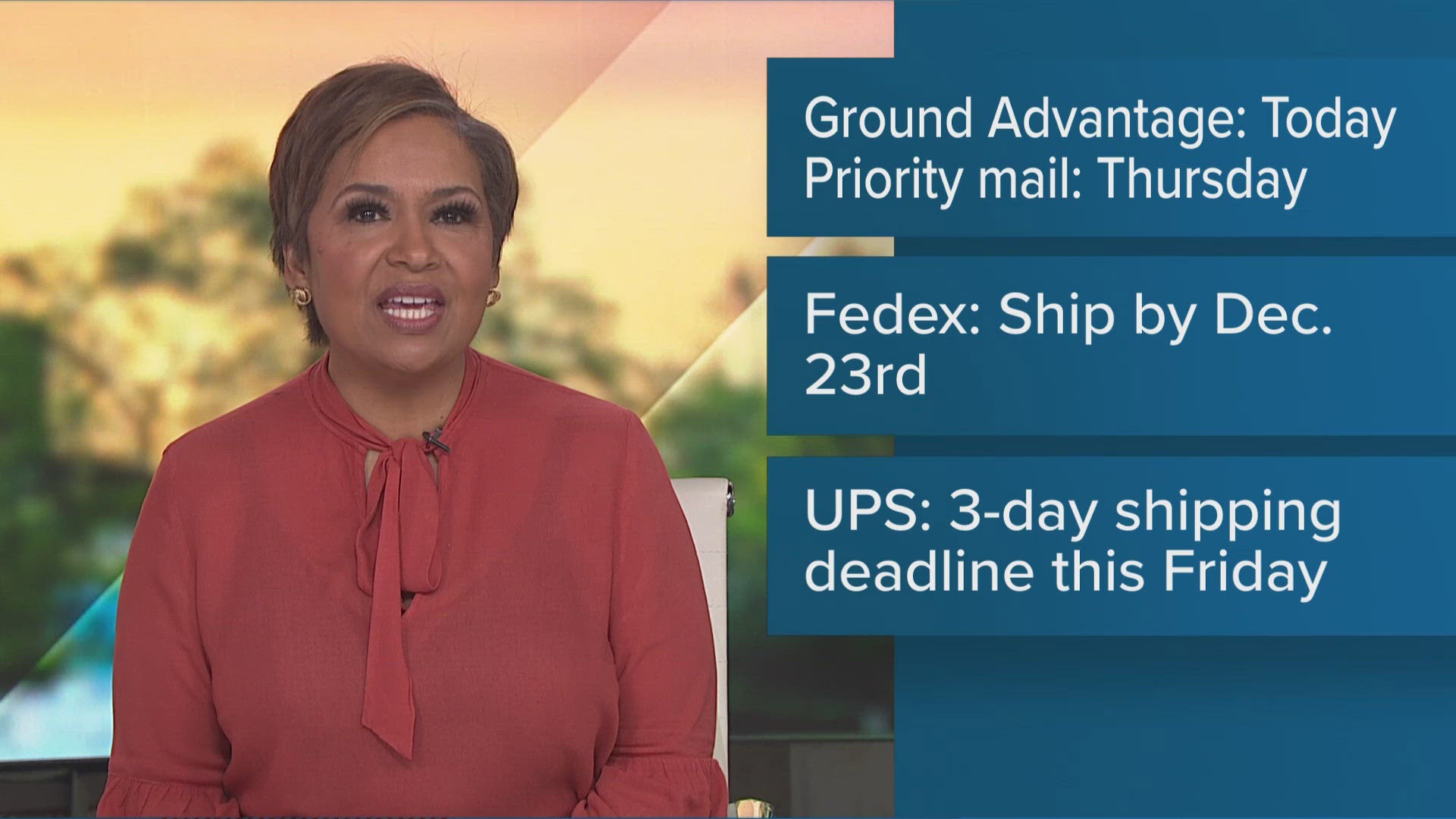
- USPS Ground Advantage: This is the most economical service, but it is also the slowest. To ensure delivery before the holiday, these items should be mailed no later than December 17, 2026.
- Priority Mail: Designed for faster transit, these items typically need to be dropped off by December 19, 2026.
- Priority Mail Express: This is the premium service, often providing overnight delivery. Even with this speed, the absolute cutoff is typically December 21 or 22, 2026, depending on the destination zip code.
United Parcel Service (UPS) and FedEx
Private carriers like UPS and FedEx offer more granular tracking and guaranteed delivery windows. However, these guarantees often come with premium pricing.
- Ground Shipping: Because UPS and FedEx Ground services rely on regional hubs, their deadlines are often earlier than postal services to account for capacity management. You should aim to have your packages in the system by December 15, 2026, to allow for potential weather-related delays.
- Air and Expedited Services: Services such as UPS Next Day Air or FedEx Overnight allow you to push your shipping date as late as December 23, 2026, though the cost will be significantly higher than standard shipping.
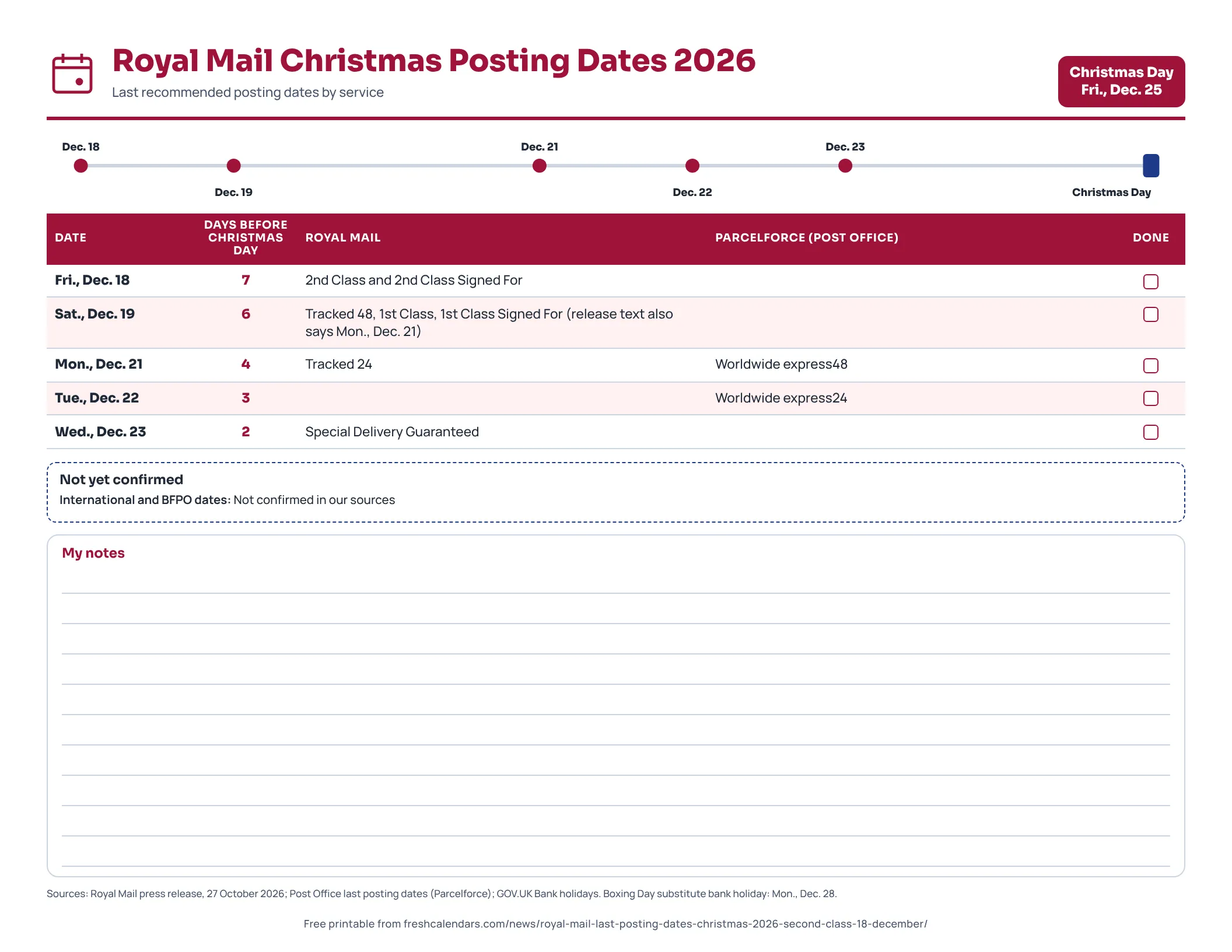
Comparison Table: 2026 Holiday Shipping Expectations
| Service Class | Typical Cutoff Date | Best For |
|---|---|---|
| Economy Ground | Dec 15–17 | Budget-friendly, non-urgent gifts |
| Standard Priority | Dec 18–19 | Reliable timing for most packages |
| Overnight / Express | Dec 22–23 | Last-minute, high-value items |
| International | Dec 1–5 | Long-distance or overseas delivery |
Note: Dates represent the recommended "drop-off" window for reliable arrival by December 25. Actual transit may vary based on weather and regional hub capacity.
Factors Influencing Delivery Success
Even when you adhere to the published last day to mail for Christmas, several external factors can disrupt the delivery timeline. Recognizing these risks is part of a responsible shipping strategy.
1. Weather Events and Seasonal Disruptions
Mid-to-late December is historically prone to severe winter weather in the Northern Hemisphere. Heavy snowfall, ice storms, and extreme cold can paralyze regional transit hubs, leading to multi-day delays that no carrier can circumvent. Shipping early provides a "buffer" against these unpredictable occurrences.
2. Label Accuracy and Packaging Requirements
A common cause of delay is a misread address or inadequate packaging. Automated sorting machines rely on clean, high-contrast labels. If your address is handwritten, ensure it is in block letters with a dark pen. Furthermore, packages that are not properly reinforced can break open in transit, leading to them being pulled from the automated stream for manual repair, which invariably adds days to the delivery process.
3. Destination Distance
The "zone" system used by all carriers calculates the distance between the origin and the destination. A package mailed from New York to California will naturally take longer to arrive than a local shipment. Always check the carrier’s specific zone map if you are shipping cross-country to determine if you need to ship earlier than the national average cutoff date.
Strategic Planning for the Holiday Season
To avoid the stress of tight deadlines, adopt a proactive approach. Begin by cataloging all recipients and identifying the value of the items being sent. High-value items should be shipped earlier, regardless of deadline, to allow for potential tracking issues or the need for claims filing.
Second, utilize online postage tools. Printing your label at home often provides a discount on rates and ensures your package is ready for immediate processing upon drop-off. This eliminates the need to wait in line at a post office counter, where staff may be overwhelmed during the week before Christmas.
Finally, prioritize service over cost if the gift is time-sensitive. The difference in price between Ground and Express shipping is often dwarfed by the utility of ensuring the gift arrives before the holiday. If you find yourself past the cutoff dates for standard services, check the websites of the carriers directly; they often publish real-time, location-specific service alerts that reflect current backlog levels.
Frequently Asked Questions
Are international deadlines different from domestic ones? Yes. International shipping is significantly more complex due to customs processing. You should plan to mail international gifts no later than the first week of December to account for potential border clearance delays.
What happens if I miss the last day to mail? If you miss the deadline, you have three options: choose a premium overnight service if still available, send an electronic gift card, or pivot to a "late gift" strategy. Most carriers do not offer refunds if a package is delayed due to weather or natural disasters, so keep expectations realistic.
Do PO Boxes have different cutoffs than residential addresses? Generally, no. The deadline applies to the carrier’s network. However, local post office hours during the week of Christmas may vary, meaning you should check the specific hours of operation for your local branch to ensure you do not arrive during an unexpected holiday closure.
Is there a specific time of day I should mail my packages? Yes. Aim to drop off your packages before the final daily collection time. If you drop a package off after the final pickup of the day, it will not begin its journey until the following morning, effectively shortening your transit window by 24 hours.
How can I track my package to ensure it arrives? Always ensure you receive a tracking number at the time of mailing. Use the carrier’s official website or mobile application to set up text or email alerts. This will notify you of any delays or attempted deliveries, allowing you to intervene if necessary.
Next Action: Verify Your Local Cutoff
Your next step is to visit the official website of your preferred carrier—such as USPS.com, UPS.com, or FedEx.com—and input your zip code into their "Holiday Shipping" calculator. These tools provide the most accurate, location-specific information available for 2026. Prioritize dropping off your packages at least 48 hours before the absolute final deadline to account for high seasonal volume and potential unexpected logistical hurdles.
Image Gallery