Understanding the Black Spanish Grape in American Viticulture
The Black Spanish grape, widely recognized in viticultural circles as Lenoir or Jacquez, represents a unique intersection of American wild grape ancestry and European viticultural heritage. Primarily established in the Southern United...
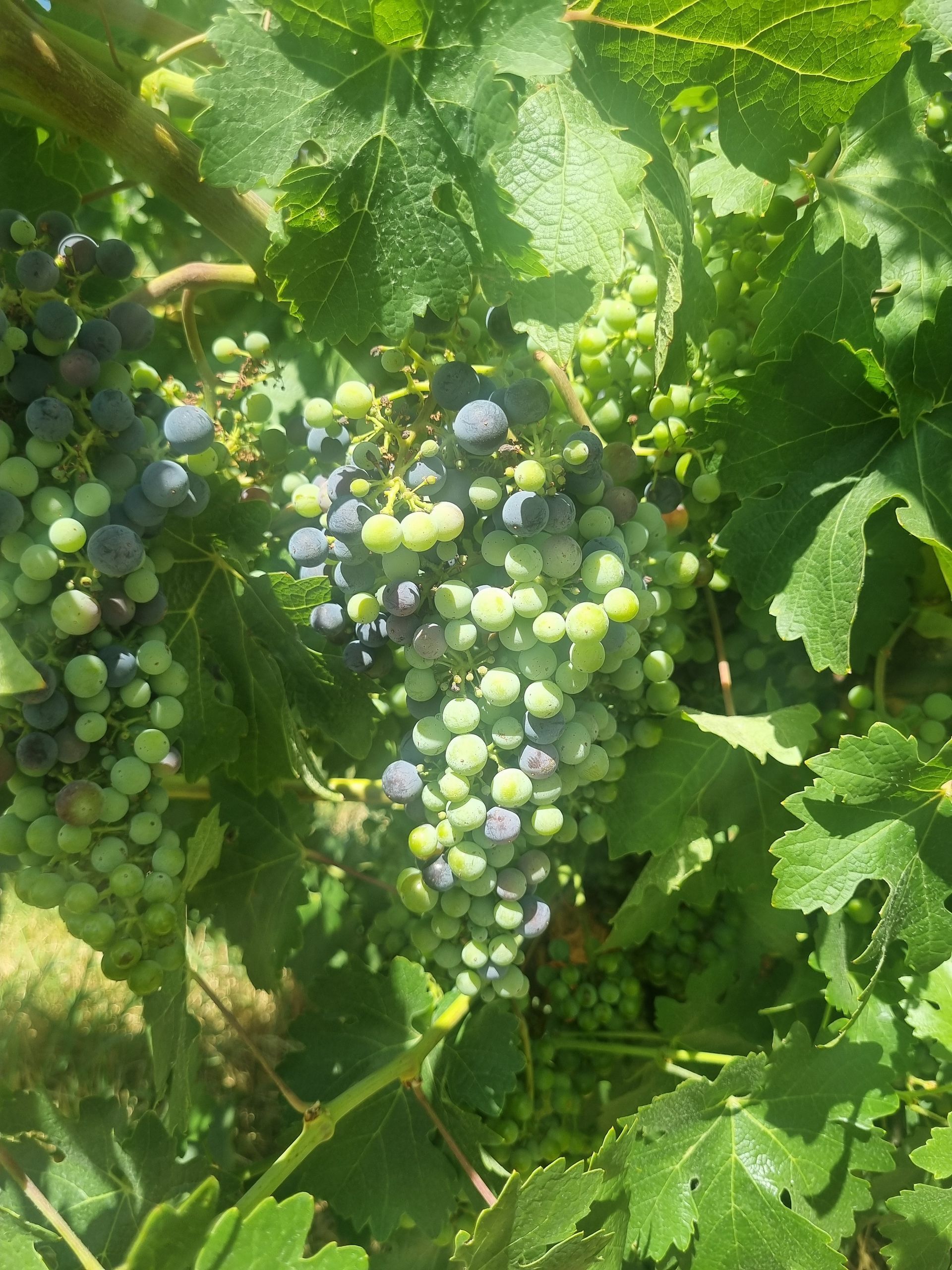
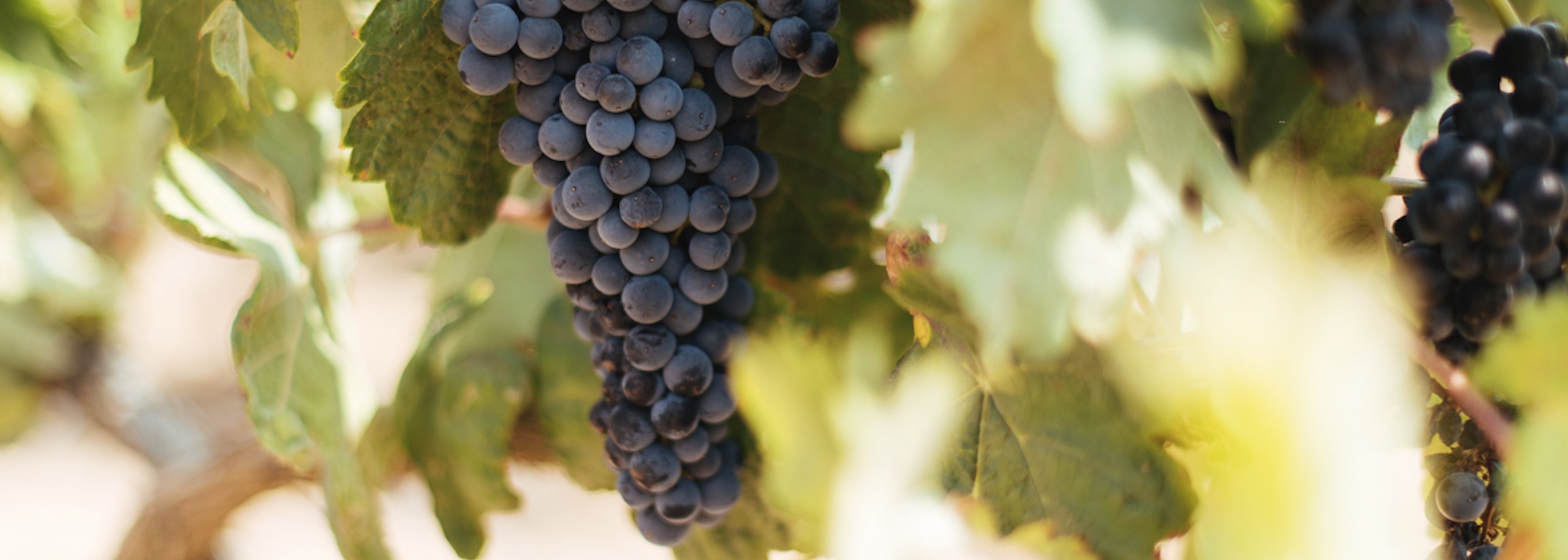
The Black Spanish grape, widely recognized in viticultural circles as Lenoir or Jacquez, represents a unique intersection of American wild grape ancestry and European viticultural heritage. Primarily established in the Southern United States and Texas, this hybrid variety is valued for its remarkable disease resistance, deep pigmentation, and ability to thrive in humid, challenging climates where traditional Vitis vinifera often fails.
Contents
The Genetic Identity and Historical Context
The term "Black Spanish" is largely a regional synonym for a cultivar historically known as Lenoir, though it has been called by several names including Jacquez and Ohio. Its parentage is the subject of historical study, with most ampelographers agreeing that it is a complex hybrid derived from Vitis aestivalis, Vitis cinerea, and Vitis vinifera.
Unlike the delicate European vines—Vitis vinifera—that require specific temperate conditions and are highly susceptible to pests like phylloxera, the Black Spanish grape possesses a robust, evolved immunity to many of the fungal pressures and insects endemic to the American South. Historically, this grape played a critical role in the 19th-century wine industry. Before and during the devastation caused by the phylloxera epidemic in Europe, American hybrids like Black Spanish were sent overseas as potential rootstocks to save the French viticultural industry. While other varieties ultimately became the standard for grafting, the historical significance of the Black Spanish grape remains a testament to the survival and adaptability of American indigenous vines.
Viticultural Characteristics and Field Performance
For growers, the Black Spanish grape is a practical, if demanding, choice. Its primary advantage is its inherent resistance to Pierce’s disease, a lethal bacterial infection caused by Xylella fastidiosa that decimated much of the potential for Vitis vinifera production in the Gulf Coast and parts of Texas.
Growth Habit and Management
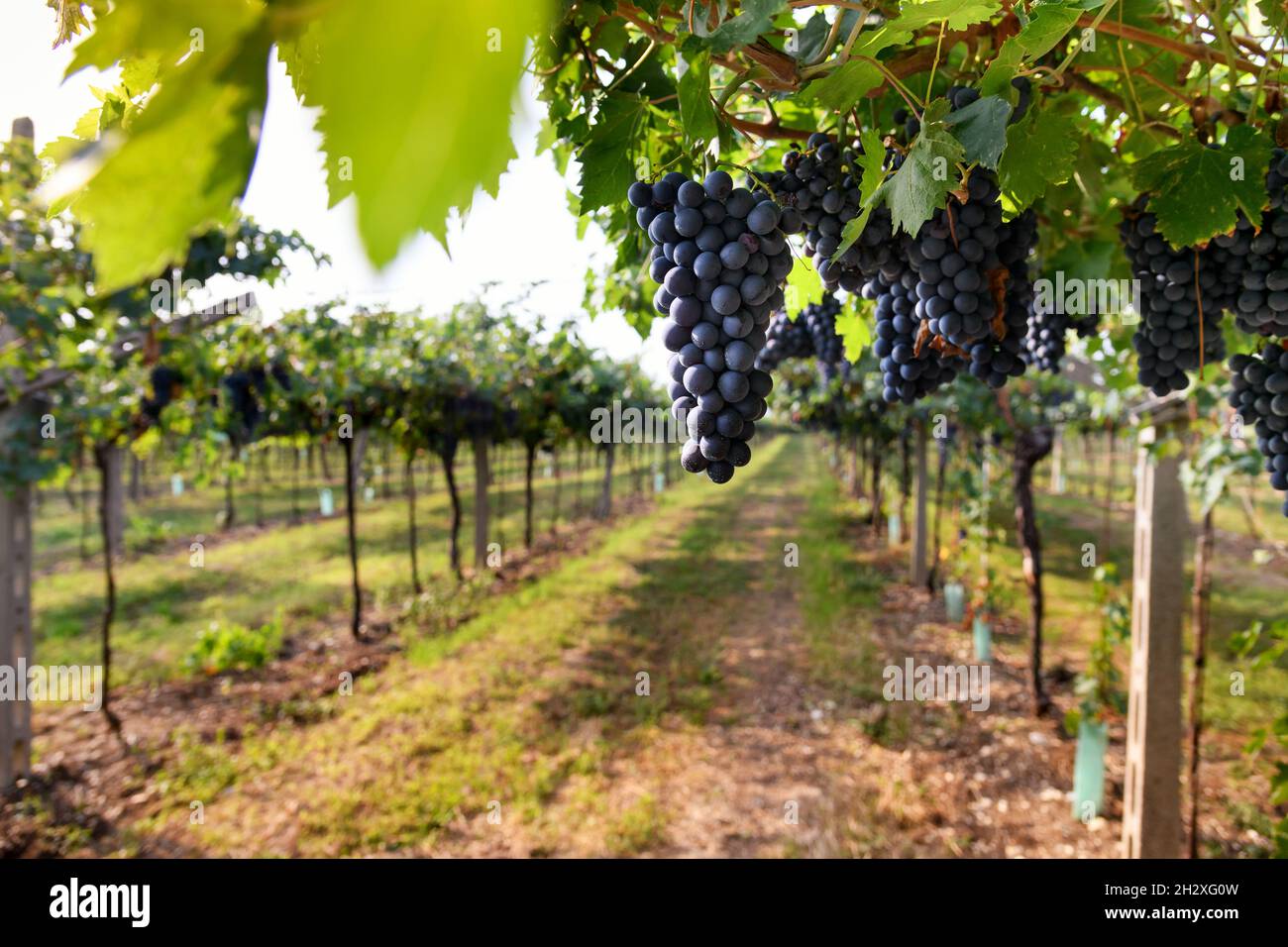
- Vigor: This vine is exceptionally vigorous. Growers must implement aggressive canopy management strategies, including specialized trellising systems like the Geneva Double Curtain or high-cordon systems to accommodate the expansive, trailing growth patterns.
- Yields: It is a prolific producer. If left unmanaged, the vine will focus its energy on excessive vegetative growth rather than fruit maturity, leading to diluted flavor profiles. Proper crop thinning is essential for maintaining quality.
- Harvest Timing: It typically ripens in late summer. Because it maintains high acidity even when sugar levels (Brix) are high, winemakers must monitor harvest windows carefully to balance the intense color and tannin structure with potential acidity.
Winemaking Challenges and Sensory Profile
The wine produced from Black Spanish is distinct, often polarizing among consumers accustomed to standard varietals like Cabernet Sauvignon or Merlot. Its most defining physical trait is its extreme pigmentation. The skins are rich in anthocyanins, resulting in a wine that is nearly opaque, often described as ink-like.
From a winemaking perspective, the challenge lies in the fruit’s naturally high acidity and its unique tannin structure. Without careful handling, the wine can exhibit a "foxy" or gamey characteristic, a hallmark of many non-vinifera hybrids. However, modern techniques—such as extended skin maceration, controlled malolactic fermentation, and neutral oak aging—have allowed winemakers to refine these traits. When executed correctly, the wine presents notes of dark berries, black pepper, and sometimes floral undertones, offering a rustic, full-bodied experience that pairs exceptionally well with heavy, spicy, or smoked foods.
Comparative Analysis of Adaptable Varieties
The following table outlines how the Black Spanish grape compares to other varieties frequently found in challenging American viticultural regions.
| Feature | Black Spanish (Lenoir) | Norton (Cynthiana) | Cabernet Sauvignon |
|---|---|---|---|
| Primary Vitis Parent | Hybrid (Aestivalis/Vinifera) | Vitis aestivalis | Vitis vinifera |
| Pierce's Disease Resistance | High | High | Very Low |
| Climate Preference | Hot/Humid | Temperate/Continental | Mediterranean |
| Typical Tannin Levels | High | High | Moderate-High |
| Production Difficulty | Moderate | Moderate | High (in humid zones) |
Legal and Regulatory Considerations
In the United States, the naming of wine labels is governed by the Alcohol and Tobacco Tax and Trade Bureau (TTB). Because "Black Spanish" is often treated as a synonym for Lenoir, producers must ensure that their varietal labeling complies with federal regulations. If a wine is labeled with a specific grape name, at least 75% of the wine must be derived from that variety. For regional identity, wines produced in specific areas like the Texas Hill Country or certain American Viticultural Areas (AVAs) may have specific planting guidelines, although Black Spanish remains a permitted variety in many southern jurisdictions. Growers and producers should always reference the current TTB guidelines to ensure that marketing materials accurately reflect the composition of the wine.
Common Pitfalls for New Growers
One of the most frequent errors in cultivating Black Spanish is the assumption that its disease resistance implies "no maintenance" viticulture. While the vine is hardy, it is not immune to all fungal pathogens. Black rot and powdery mildew can still impact yields if the vineyard lacks adequate airflow.
Another error involves site selection. While Black Spanish thrives in heat, it still requires proper soil drainage. Planting in low-lying areas prone to standing water can lead to root rot and diminished vine longevity. Furthermore, the vigor of the vine can lead to nutrient depletion if the soil profile is not adequately managed through regular testing and organic or synthetic supplementation.
Frequently Asked Questions
Why is the Black Spanish grape often called "Lenoir"? Lenoir is the most historically consistent name for the cultivar, named after a North American nurseryman. "Black Spanish" is a colloquialism that became dominant in the Southern U.S., likely due to the dark color of the berries and early misconceptions regarding the grape's origins.
Can Black Spanish be used to make white wine? No. The grape is a "teinturier" variety, meaning it has red flesh as well as red skins. Any attempt to press the juice will result in a colored must, making it unsuitable for white or even traditional rosé production without extreme clarification techniques.
Is Black Spanish susceptible to phylloxera? Because of its American hybrid lineage, it is significantly more resistant to phylloxera than pure Vitis vinifera. However, most commercial vineyards still graft the variety onto rootstocks to ensure long-term soil health and consistent growth performance.
What is the best way to cellar a Black Spanish wine? Due to its high tannin and acidity levels, Black Spanish has excellent aging potential. Like other robust reds, it should be kept in a cool, dark environment (approximately 55°F) with consistent humidity. Decanting is often recommended to soften the tannins before serving.
Professional Next Steps for Viticulturists
For those looking to integrate Black Spanish into an American viticultural project, the first step is a rigorous site assessment. Consult with local agricultural extension offices regarding soil composition and microclimate variables. If you are an established winery looking to trial this variety, prioritize sourcing budwood from verified, disease-free certified nurseries. The goal should be to treat the vine's natural vigor as a canvas; through precise pruning and controlled yield management, the Black Spanish grape can produce wines that are both regionally authentic and commercially compelling.
Image Gallery