Understanding the Origins and Cultural Identity of Selena Quintanilla
Selena Quintanilla, often referred to simply as "Selena," was born in the United States. She was a native of Lake Jackson, Texas, and spent her entire life as an American citizen. While her heritage and musical career were deeply inter...
Selena Quintanilla, often referred to simply as "Selena," was born in the United States. She was a native of Lake Jackson, Texas, and spent her entire life as an American citizen. While her heritage and musical career were deeply intertwined with Mexican culture and the Spanish language, she was born, raised, and performed primarily within the United States.
Contents
Birthplace and Early Life in Texas
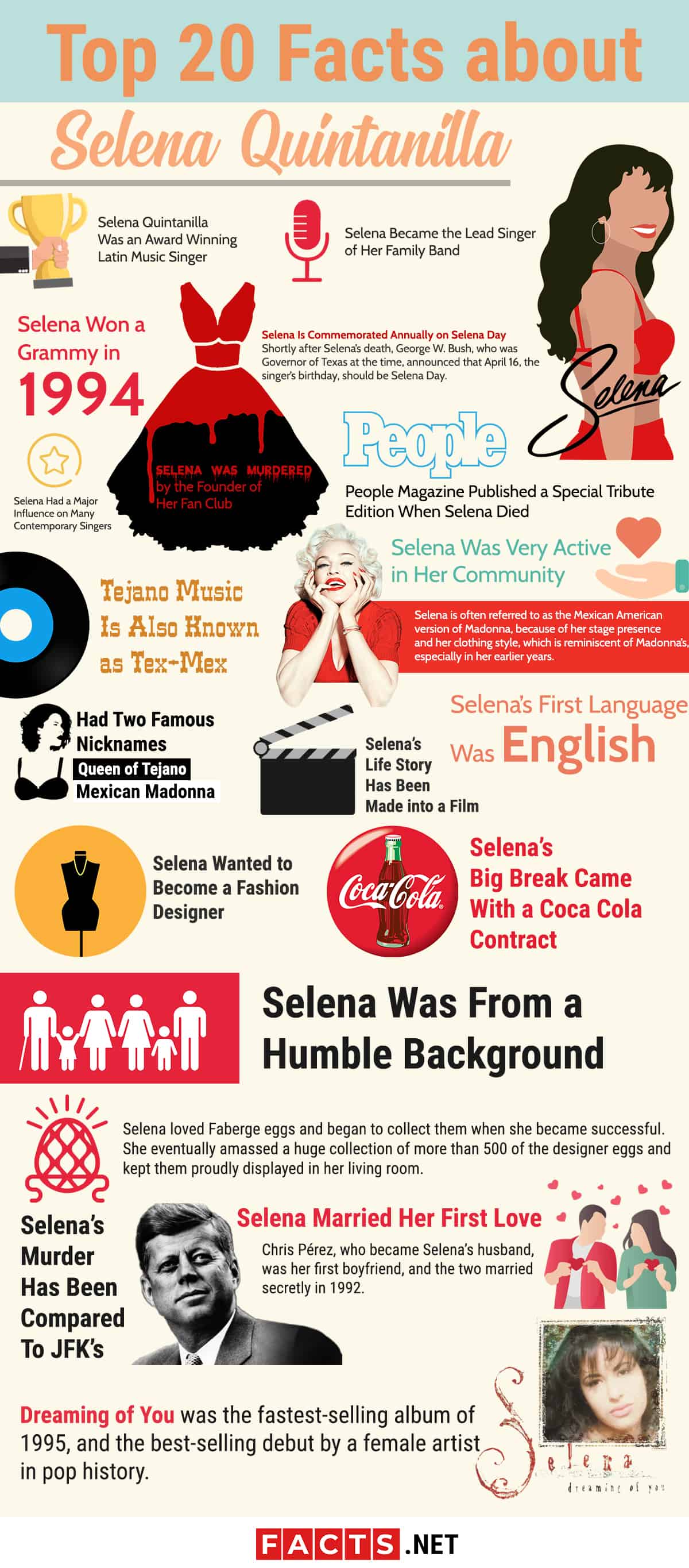
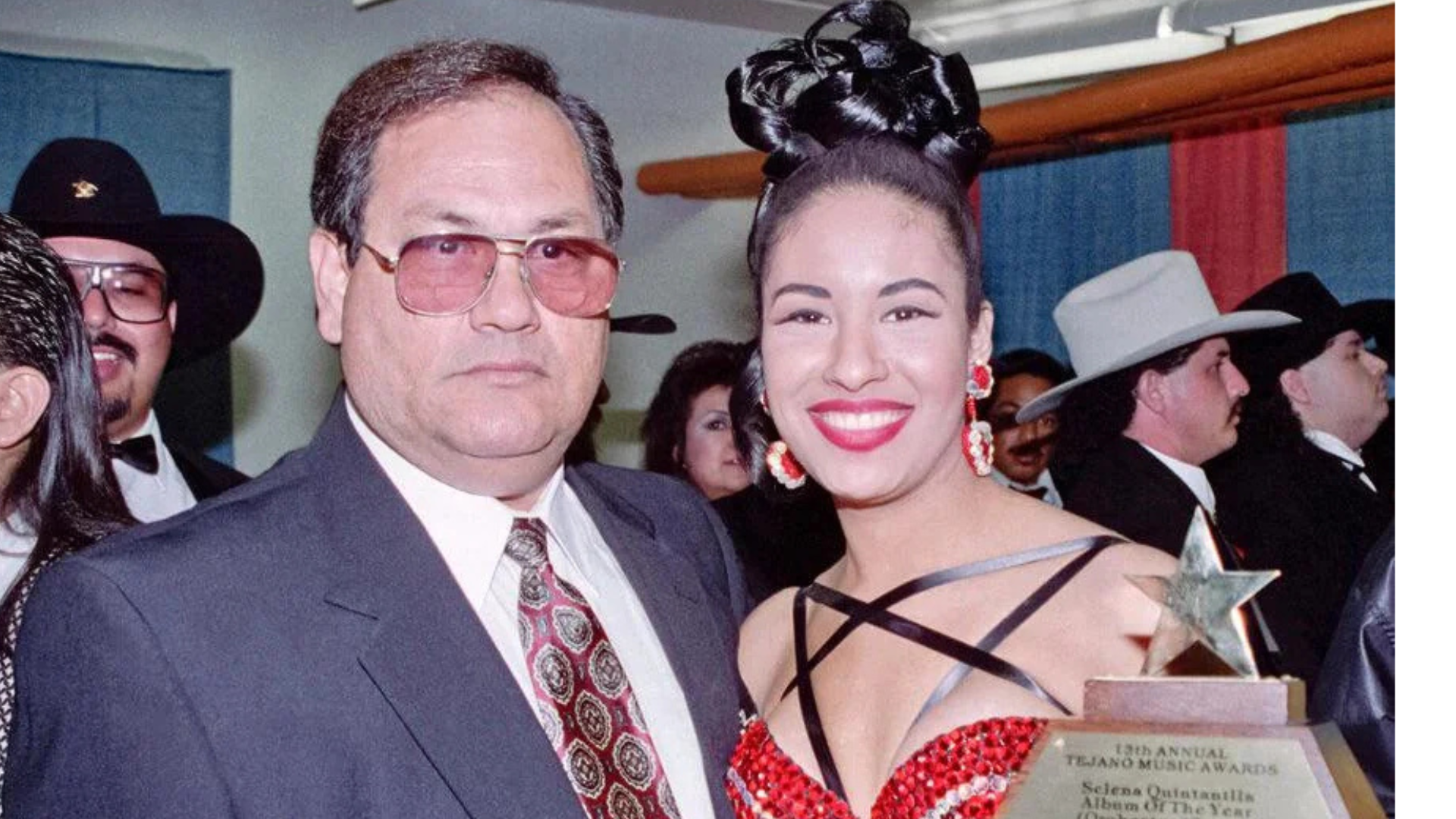
Selena Quintanilla was born on April 16, 1971, in Lake Jackson, Texas. Her family moved to Corpus Christi, Texas, when she was a young child, which became the base for her family’s musical group, Selena y Los Dinos. As the daughter of Mexican-American parents, Abraham Quintanilla Jr. and Marcella Ofelia Samora, Selena grew up in a household where she was exposed to both American pop culture and traditional Mexican music.
The distinction between her national identity as an American and her cultural identity as a Tejana (a Texan of Mexican descent) is vital to understanding her legacy. Despite her international fame and her status as a cultural icon in Mexico, she was not born in Mexico, nor was she a Mexican citizen by birth. Her life and career were fundamentally shaped by the specific socio-cultural environment of South Texas during the 1980s and early 1990s.
The Significance of the Tejano Identity
To understand why there is often confusion regarding Selena’s nationality, one must look at the nature of Tejano music. Tejano is a fusion of various forms of folk and popular music originating among the Mexican-American populations in Central and South Texas. It incorporates elements of German and Czech influences—such as the accordion—alongside traditional Mexican genres like the ranchera and cumbia.
Selena is famously credited with bringing Tejano music into the mainstream. For many, her identity was synonymous with a bridge between two worlds: the United States, where she was born, and Mexico, where she gained significant popularity. Because she sang primarily in Spanish—a language she had to learn as a teenager to further her career—many international fans perceived her as a Mexican artist. In reality, her success in Mexico was a testament to her ability to reach an international audience while remaining a product of the Texas music scene.
Distinguishing Citizenship from Cultural Heritage
The confusion regarding Selena’s country of origin often stems from a conflation of ethnicity and nationality. Selena was ethnically Mexican-American, but her nationality was American. Throughout her life, she traveled internationally for performances and public appearances, but her home, legal jurisdiction, and primary cultural output were anchored in the American legal and educational system.
Her journey is a classic example of the "hyphenated" American experience, where an individual deeply identifies with their ancestral roots while being a product of their birth country. Below is a breakdown of the core identifiers regarding her identity:
| Feature | Description |
|---|---|
| Birthplace | Lake Jackson, Texas, USA |
| Nationality | American |
| Ethnicity | Mexican-American |
| Cultural Region | South Texas (The Rio Grande Valley/Corpus Christi) |
| Primary Language | English (Native); Spanish (Learned for musical performance) |
| Professional Base | Corpus Christi, Texas, USA |
The Impact of Language on Public Perception
One of the most defining aspects of Selena’s career was her transition from English to Spanish in her music. Growing up in Lake Jackson, English was her first language. Her father, Abraham Quintanilla, recognized that in order to succeed in the Tejano music market, she needed to record and perform in Spanish.
This linguistic requirement required dedication and study. Selena often spoke about the difficulty of learning to sing in Spanish, working closely with her father to perfect her pronunciation and emotional delivery. This effort made her deeply respected in Spanish-speaking countries, particularly Mexico. Because she became a household name throughout Latin America, the assumption that she hailed from that region became a common misconception. However, every concert, interview, and recording project was conducted under her status as a United States artist.
Legacy and Cultural Recognition in 2026
Even in 2026, over three decades after her tragic passing in 1995, the dialogue surrounding Selena’s identity continues to highlight the complex nature of American identity. Museums, including the Selena Museum in Corpus Christi, emphasize her roots in Texas and her contribution to the American music landscape.
Her impact remains a subject of study in academic circles, focusing on how she navigated the complexities of being a Mexican-American woman in the music industry. By embracing her heritage while fully claiming her American upbringing, she paved the way for future generations of artists to operate within both spheres without the need to choose one identity over the other.
Frequently Asked Questions
Was Selena Quintanilla ever a citizen of Mexico? No. Selena Quintanilla was a lifelong citizen of the United States by birth. While she had deep ties to Mexico through her family’s heritage and her massive fan base there, she never held Mexican citizenship.
Did Selena speak Spanish fluently? She was not a native Spanish speaker. She grew up speaking English. As she rose to prominence in the Tejano music industry, she dedicated herself to learning Spanish to communicate with her fans and to record her music. By the time she reached the height of her career, she was proficient in Spanish.
Why is there often confusion about where she is from? The confusion arises because Selena became a massive icon in Mexico and across Latin America. Because her music, clothing style, and public persona were heavily influenced by Mexican culture, and because she sang in Spanish, many global fans associated her with Mexico rather than her actual birthplace of Texas.
Where is Selena buried? Selena is buried in the Seaside Memorial Park in Corpus Christi, Texas. This location has remained a site of pilgrimage for fans from all over the world who wish to pay their respects to her memory.
How did the Texas music scene influence her career? The Texas music scene provided the specific cultural, social, and economic environment required for Tejano music to flourish. Without the infrastructure of the Texas music industry—including local radio stations, regional concert venues, and the unique cultural mix of South Texas—her specific brand of music would not have had the same foundation to grow.
Final Recommendation
If you are interested in learning more about the life and history of Selena Quintanilla, the most accurate resources are the biographical archives provided by the Corpus Christi Museum of Science and History and the official, family-sanctioned biography archives. These sources maintain historical accuracy regarding her birth, her professional development in Texas, and the nuance of her identity as a Mexican-American artist who became a global icon.
Image Gallery