The Evolution of Flower Art at Sandringham: From Royal Tradition to Sustainable Innovation
The evolution of flower art at Sandringham represents a journey from the labor-intensive, formal bedding schemes of the Victorian era to the ecologically driven, organic philosophies of the 21st century. This transformation reflects th...
The evolution of flower art at Sandringham represents a journey from the labor-intensive, formal bedding schemes of the Victorian era to the ecologically driven, organic philosophies of the 21st century. This transformation reflects the personal tastes of successive British monarchs, balancing high-status horticultural display with modern requirements for biodiversity and climate resilience.
Contents
In 2026, the Sandringham Estate stands as a premier example of how historic royal gardens can transition into sustainable landscapes. The shift from manicured lawns to intricate topiary and drought-resistant planting marks a significant milestone in the estate's history, moving away from purely ornamental art toward a functional, living ecosystem.
The Victorian Foundation: Establishing the Sandringham Aesthetic
The story of flower art at Sandringham began in earnest in 1862, when the estate was purchased for the Prince of Wales (the future King Edward VII). Under the influence of the Prince and Princess Alexandra, the gardens were transformed from a modest country estate into a grand horticultural showcase. The Victorian era was characterized by "carpet bedding"—the practice of using thousands of colorful annuals to create intricate, geometric patterns that resembled oriental rugs.
During this period, the art was defined by human dominance over nature. Vast greenhouses were constructed to house exotic species brought back from across the British Empire. Flower art was not merely about the plants themselves but about the technical ability of the gardening staff to maintain perfect symmetry and vibrant color throughout the summer months. Princess Alexandra, in particular, had a profound love for flowers, which led to the creation of the Alexandra Rose, a variety that became synonymous with her charity work and the estate's floral identity.
The scale of Victorian floral art at Sandringham required a massive workforce. Records indicate that dozens of gardeners were employed solely to maintain the borders and the "wild" gardens that were fashionable at the time. This era established the estate as a center for horticultural excellence, blending formal European styles with the emerging English "wild garden" movement championed by William Robinson.
The Influence of Queen Alexandra and the Rise of the Sandringham Flower Show
While the gardens themselves were a private sanctuary, the "flower art" of Sandringham became a public endeavor through the Sandringham Flower Show. Founded in 1866, the show was originally intended to encourage tenants and local villagers to take pride in their own gardens. By the early 20th century, it had evolved into one of the most prestigious horticultural events in the United Kingdom.
The flower show introduced a competitive element to flower art. Displays were no longer just static garden features but became curated "exhibits." The Royal Family often entered their own produce and flowers (though usually non-competitively), setting a standard for the region. The evolution of the show mirrors the evolution of the garden:
- Early Years: Focused on cottage garden staples and vegetables.
- Mid-Century: Introduced professional nursery displays and complex floral arrangements.
- Modern Day (2026): Focuses on sustainable gardening, organic blooms, and ecological garden design.
The show continues to be held in the parkland of Sandringham House, serving as a bridge between the private royal gardens and the public’s appreciation for floral craft.
Mid-Century Shifts: Functional Beauty and the Jellicoe Legacy
The mid-20th century, particularly under King George VI and Queen Elizabeth II, saw a move toward a more "manageable" and structured form of flower art. Following World War II, the extreme labor requirements of Victorian bedding became unsustainable. The King sought a more simplified landscape that emphasized the natural beauty of the Norfolk countryside.
A pivotal moment in this evolution occurred in 1947, when the acclaimed landscape architect Sir Geoffrey Jellicoe was commissioned to design the formal garden to the north of the house. Jellicoe’s work introduced a more architectural approach to flower art. Instead of relying solely on seasonal color, he used structural elements like pleached lime trees and box hedging to create "rooms" within the garden.
This period emphasized:
- Perennial Planting: Moving away from annuals to reduce labor and costs.
- The Stream Walk: A more naturalistic planting style that utilized the estate’s water features.
- The Rose Garden: A focal point of floral art that featured classic British varieties, managed with traditional pruning techniques.
Queen Elizabeth II maintained this balance for decades, ensuring that the gardens remained a sanctuary of traditional English gardening while slowly introducing more modern maintenance techniques.
The Modern Era: King Charles III and the Sustainable Revolution
As of 2026, the most dramatic evolution in Sandringham’s flower art has occurred under the direction of King Charles III. Known for his lifelong commitment to organic farming and environmentalism, the King has fundamentally reimagined the estate's floral landscape. The most visible change is the replacement of the sprawling West Lawn with a massive Topiary Garden.
The Topiary Garden: A Masterpiece of Contemporary Design
Completed in the mid-2020s, the Topiary Garden is a feat of modern flower art. Rather than using flower beds as the primary source of visual interest, this garden uses structured greenery to create a year-round artistic display.
- The Design: Over 5,000 yew and box plants were arranged in geometric patterns.
- The Flora: Within the topiary structures, the King introduced a mix of hardy perennials and meadow flowers. These were chosen for their ability to attract pollinators and their resilience to the changing climate of East Anglia.
- The Aesthetic: The result is a "living sculpture" that changes with the light and seasons, moving away from the static, high-maintenance displays of the past.
Organic Transformation and Soil Health
The art of gardening at Sandringham is now as much about what is happening underground as it is about the blooms. The estate has transitioned to fully organic management. This means the "art" now includes the complex science of soil microbiology. Chemical fertilizers and pesticides have been replaced with compost teas, mulching, and integrated pest management.
By 2026, the gardens serve as a laboratory for sustainable horticulture. The evolution has moved from "control over nature" to "partnership with nature." This shift is reflected in the choice of plants, which now favor native species and "pollinator-friendly" palettes of purples, yellows, and whites, rather than the garish, hybrid-heavy colors of the Victorian era.
Comparative Overview: Floral Eras at Sandringham
The following table highlights the shifts in priorities, plant choices, and maintenance philosophies across the three most distinct eras of Sandringham’s horticultural history.
| Feature | Victorian/Edwardian Era (1862–1910) | Mid-Century Era (1947–2022) | The Carolean Era (2023–2026+) |
|---|---|---|---|
| Primary Philosophy | Grandeur and Imperial Status | Structured Elegance & Simplification | Biodiversity and Sustainability |
| Key Floral Element | Exotic Annuals (Carpet Bedding) | Hybrid Tea Roses & Perennials | Native Wildflowers & Topiary |
| Water Usage | High (Regular irrigation) | Moderate | Low (Drought-resistant species) |
| Soil Management | Chemical-based fertilization | Transition to traditional methods | 100% Organic (Soil Association) |
| Labor Requirement | Extremely High (Manual intensive) | High (Pruning and lawn care) | Moderate (Structural maintenance) |
| Public Impact | Private showcase / Local Show | Tourist destination / Iconic status | Educational model for "Eco-Gardening" |
Planning a Visit: Accessing the Gardens and Flower Show
For those wishing to witness the evolution of flower art firsthand, the Sandringham gardens are typically open to the public from April through October.
The Sandringham Flower Show
Held annually in late July, the show remains the best opportunity to see the pinnacle of regional flower art. Visitors can expect:
- The Royal Marquees: Featuring displays from the estate's own gardens and greenhouses.
- Amateur Competitions: Categories for floral arrangement, garden design, and botanical photography.
- Sustainability Clinics: New for 2026, these sessions provide practical advice on transitioning home gardens to organic practices, mirroring the work done on the estate.
Garden Tours
Guided tours often highlight the Jellicoe Garden and the North Garden. In 2026, special emphasis is placed on the new Topiary Garden. Visitors are encouraged to book in advance through the official Sandringham Estate website as capacity is managed to protect the delicate organic ecosystems being established.
FAQs
What prompted the change from lawn to topiary at Sandringham?
The decision was primarily driven by environmental concerns and a desire to increase biodiversity. Traditional lawns offer very little for local wildlife and require significant water and chemical input to remain green during dry summers. The Topiary Garden provides a habitat for insects and birds while using plants that are better suited to the climate of Norfolk.
Can I still see traditional roses at Sandringham?
Yes, the Rose Garden remains a significant feature of the estate. However, the management of these roses has changed. They are now grown using organic methods, and the varieties are being diversified to include more "single" flowers, which are more accessible to bees than traditional "double" hybrid tea roses.
Is the Sandringham Flower Show still a royal event?
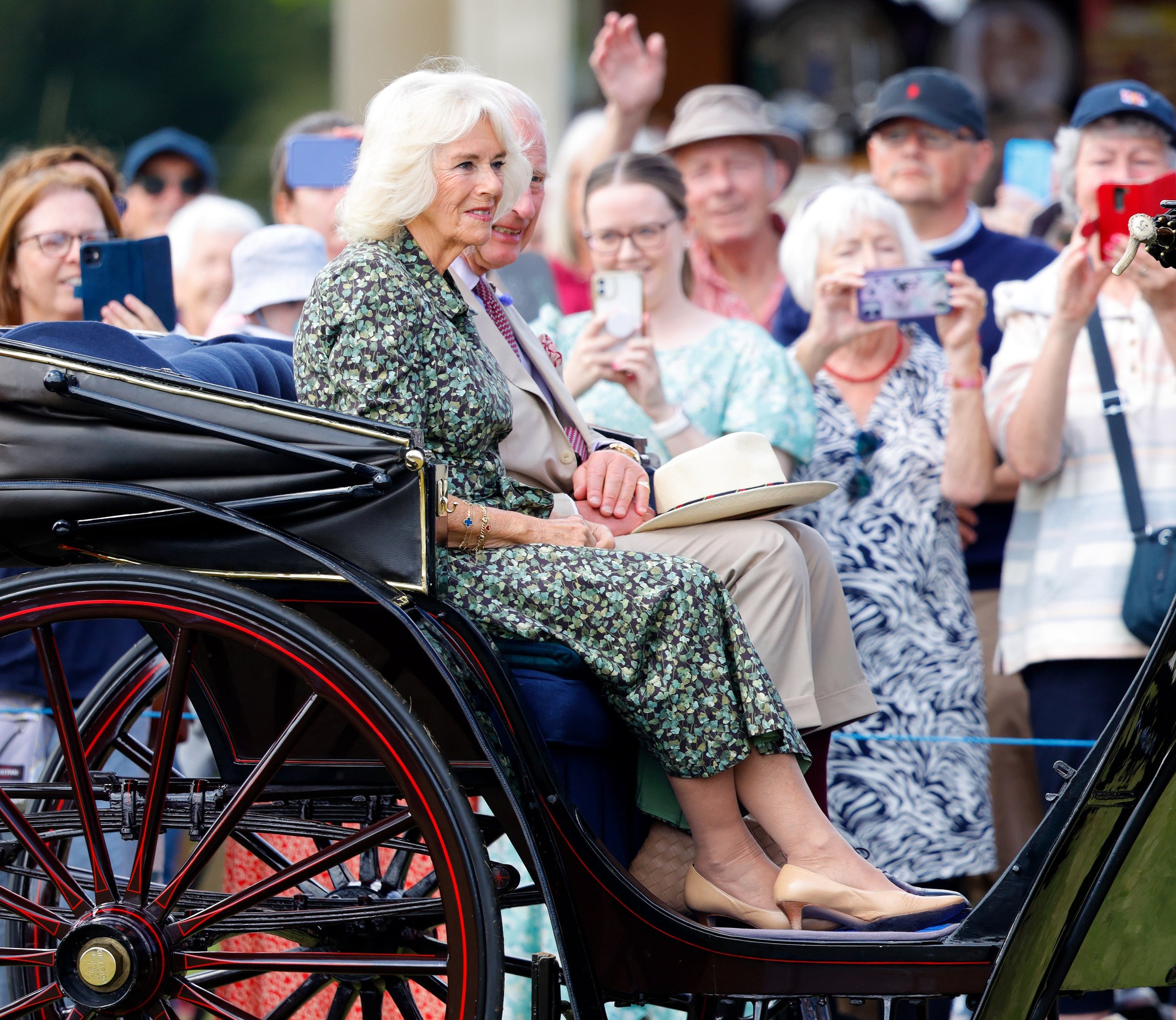
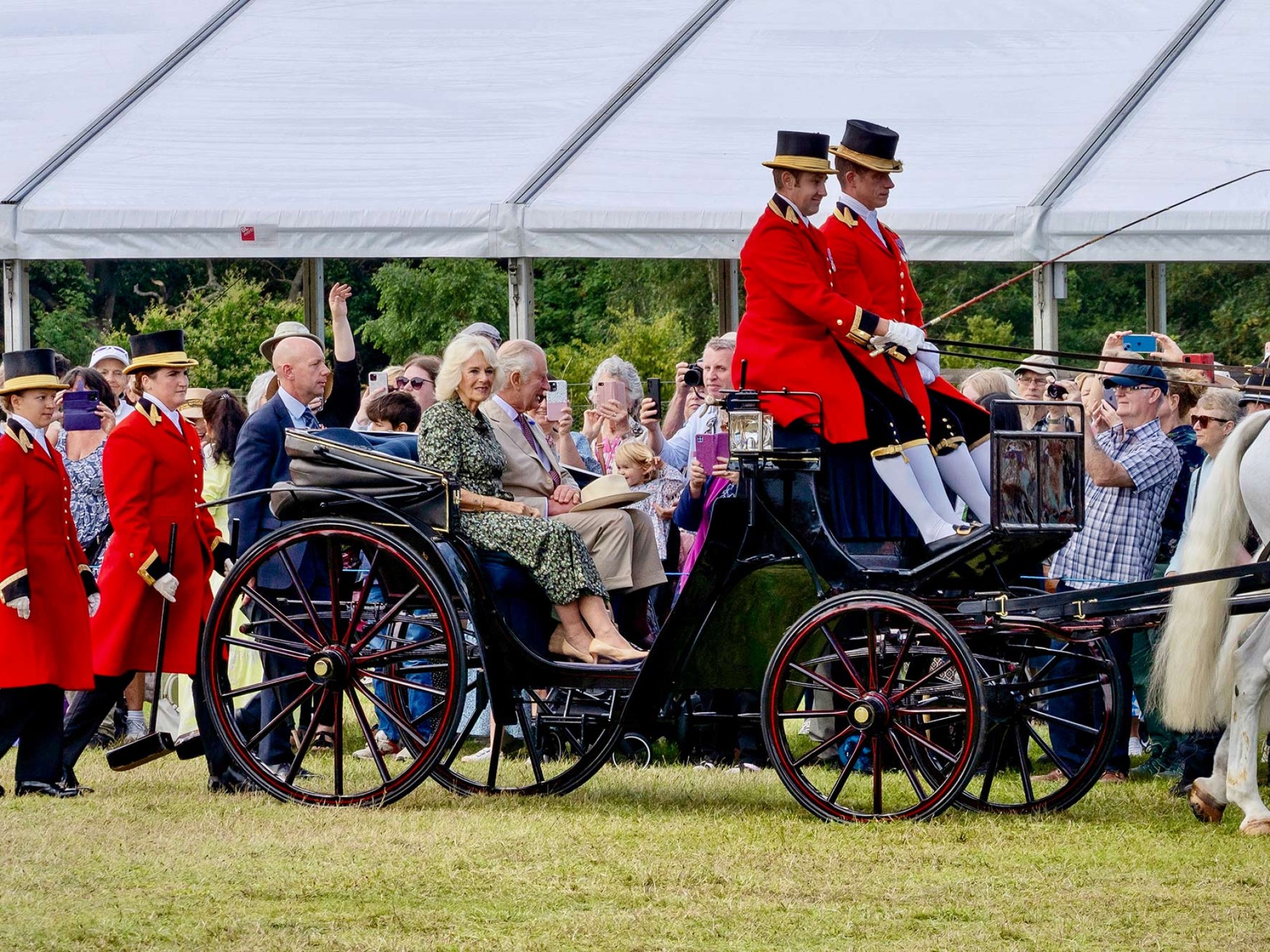
The Flower Show has long enjoyed royal patronage. Members of the Royal Family traditionally attend the show, arriving in a horse-drawn carriage to tour the marquees. This tradition continues to the present day, reinforcing the link between the monarchy and British horticulture.
How has climate change affected the flower art at Sandringham?
The estate has had to adapt to hotter, drier summers. This is reflected in the "evolution" of the plant palette—moving away from thirsty annuals toward deeper-rooted perennials and shrubs that can withstand periods of drought without artificial irrigation.
Recommendation for Visitors
To truly appreciate the evolution of flower art, start your visit at the Victorian-style shrubberies near the house, move through the Jellicoe North Garden, and finish at the modern Topiary Garden. This physical walk through the grounds provides a chronological history of British horticultural tastes over the last 160 years. For a deeper dive, plan your visit to coincide with the Sandringham Flower Show in July, where the intersection of royal tradition and community gardening is most vibrant.
Image Gallery