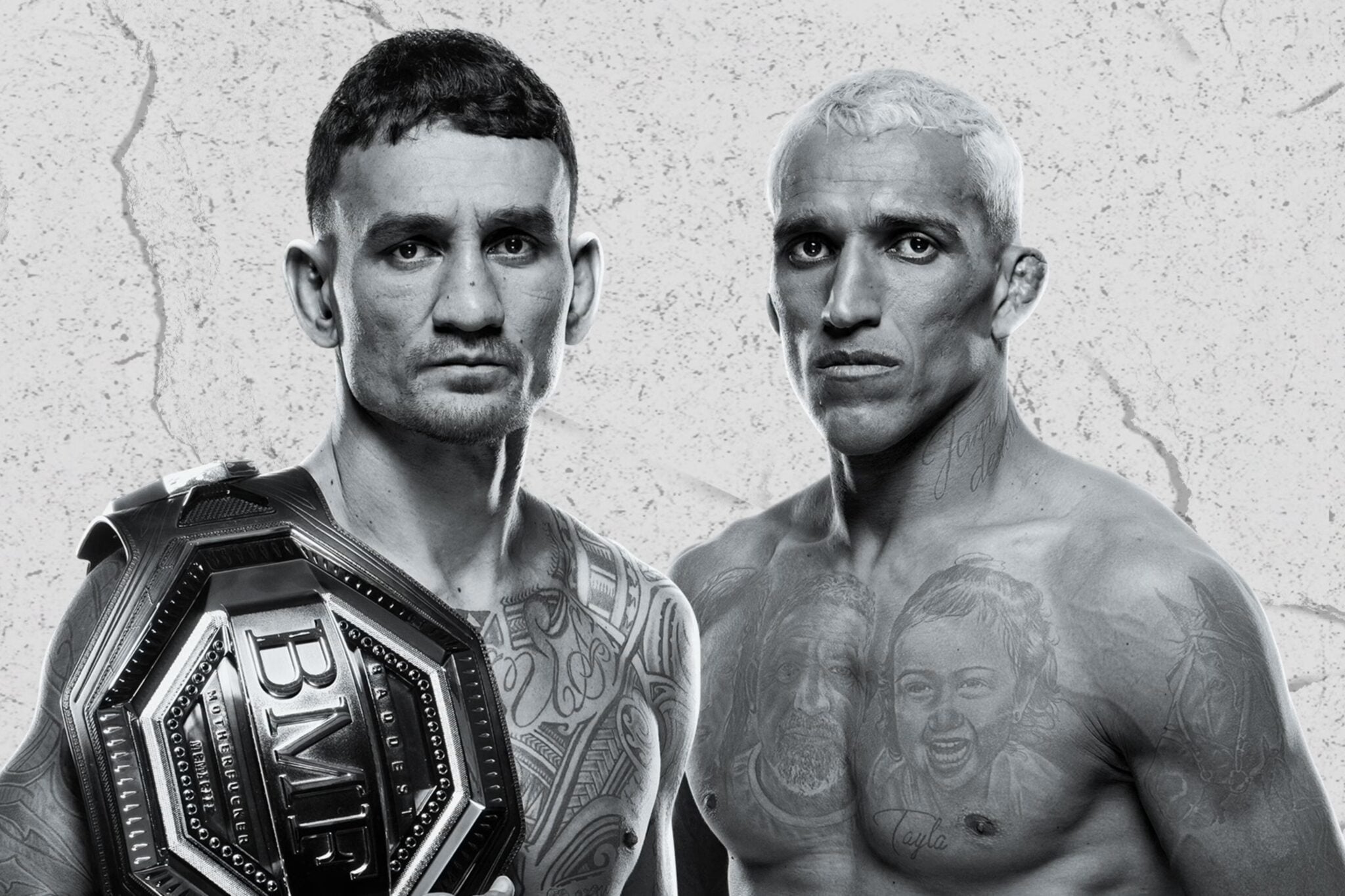
Understanding the Legacy and Post-Career Transition of Retired UFC Champions
Retired UFC champions occupy a unique position in the landscape of combat sports, representing the pinnacle of athletic achievement in Mixed Martial Arts (MMA). While the Octagon demands peak physical performance, the transition to lif...
Retired UFC champions occupy a unique position in the landscape of combat sports, representing the pinnacle of athletic achievement in Mixed Martial Arts (MMA). While the Octagon demands peak physical performance, the transition to life after professional fighting requires navigating complex business opportunities, physical recovery, and the preservation of one’s legacy within the Ultimate Fighting Championship history books.
Contents
Becoming a UFC champion requires years of high-level discipline, mastery of diverse combat disciplines, and the ability to thrive under immense pressure. Once a fighter reaches the summit and eventually chooses to retire, they face the challenge of pivoting from full-time athlete to entrepreneur, coach, or broadcaster. For fans and observers, understanding this transition provides context to the history of the sport and the realities of professional longevity. This article explores the nature of these careers, the criteria for retirement in elite combat sports, and the paths former titleholders take once they hang up their gloves.
The Definition of a Retired UFC Champion
In the context of the Ultimate Fighting Championship, a "retired champion" is a former titleholder who has officially stepped away from professional MMA competition. Unlike other sports where retirement may be a definitive, league-sanctioned event, retirement in the UFC is often self-determined.
The distinction between an active fighter and a retired one is formally recognized when a fighter removes themselves from the official UFC rankings and notifies the organization’s administration of their intent to cease competition. Some athletes retire at the peak of their performance to preserve their health and legacy, while others depart following a decline in their physical capabilities.
Criteria and Categorization
A retired champion is typically classified based on the weight class in which they held the undisputed title. The UFC maintains historical archives of all undisputed champions, and while the organization may periodically honor these individuals, their status as "retired" remains a personal or professional designation rather than a formal legal contract state.
Paths After the Octagon: The Business of Post-Career Life
The transition from a professional fighter to a post-career life involves several distinct avenues. Because the shelf life of a professional fighter is inherently limited by physical attrition, the most successful retired champions often plan for their transition years before their final walk to the cage.
1. Coaching and Gym Ownership
Many former champions leverage their technical expertise to transition into roles as head coaches or gym owners. By opening training centers or joining established elite camps, these individuals pass on the specific strategies and techniques that brought them championship gold. This path allows the athlete to remain physically active and involved in the tactical evolution of the sport.
2. Broadcast and Media Roles
The rise of MMA as a global sport has created a demand for authentic voices in media. Retired champions frequently serve as color commentators, studio analysts, or podcast hosts. Their firsthand experience in high-stakes bouts provides a layer of credibility that is essential for broadcast quality. This role also allows the organization to maintain a connection to its past icons, keeping their names relevant to new generations of fans.
3. Entrepreneurial Ventures and Brand Ambassadorship
Many high-profile champions exit the sport with significant capital and personal branding. Common ventures include apparel lines, nutritional supplement brands, or equity stakes in sport-related technology. Additionally, acting as an official brand ambassador for the UFC or external sponsors allows retired legends to monetize their fame while participating in promotional tours and fan events.
Comparison of Post-Career Trajectories
The following table summarizes the common transition paths observed in retired UFC champions as of 2026.
| Transition Path | Primary Focus | Required Skill Set | Typical Outcome |
|---|---|---|---|
| Coaching | Mentorship | Tactical planning, patience | Development of future talent |
| Broadcasting | Analysis | Public speaking, communication | High visibility in media |
| Entrepreneurship | Commercial growth | Financial management, networking | Long-term asset development |
| Ambassadorship | Legacy promotion | Public relations, charisma | Continued brand affiliation |
Physical Recovery and Long-Term Health
One of the most critical aspects of being a retired UFC champion is the management of long-term health. Decades of training, weight cutting, and combat impact take a toll on the human body. As of 2026, there is an increased focus on the health outcomes for retired fighters, particularly regarding neurological health and joint integrity.
Many retired champions participate in longitudinal health studies to help the medical community understand the long-term effects of concussion and repeated impact. These athletes often utilize professional sports medicine facilities to address chronic injuries sustained during their tenure in the Octagon. Access to high-quality physical therapy and recovery protocols is a standard component of post-career management for those who wish to maintain an active lifestyle long after their final bout.
Maintaining Legacy and Historical Significance
The UFC maintains its history through official records, highlighting the accomplishments of those who held undisputed belts. For a retired champion, their legacy is not static. It is maintained through the induction into the UFC Hall of Fame and continued involvement in legacy-building activities.
The Hall of Fame, in particular, recognizes significant contributions to the sport. Being inducted is considered the highest honor for a retired champion, acknowledging not just their wins and losses, but their impact on the growth of the organization. This recognition often facilitates better post-career opportunities, as the "Hall of Famer" title provides a permanent seal of athletic distinction.
Frequently Asked Questions (FAQ)
1. Does a retired UFC champion still receive compensation from the organization? Generally, active pay ceases upon retirement. However, retired champions may receive revenue from legacy branding, Hall of Fame appearances, or specific licensing agreements related to their likeness in video games or merchandise.
2. Can a retired UFC champion return to professional competition? Yes. In the history of the UFC, numerous champions have retired, only to announce their return months or years later. There is no structural bar to a return, provided the fighter passes all required medical clearances and drug testing protocols.
3. What role does the UFC play in the lives of retired athletes? The UFC provides resources through its various health and wellness programs and maintains historical connections with retired stars. While it does not function as a retirement fund, it acts as a platform for career growth in the media and coaching sectors.
4. How is the "greatest of all time" (GOAT) status determined for retired champions? "GOAT" status is subjective and debated by fans and analysts. It is usually based on a combination of title defenses, quality of opposition, the longevity of their reign, and their overall impact on the development of mixed martial arts techniques.
Practical Steps for Aspiring Athletes to Prepare for Retirement
For those currently in the sport or considering a career in professional fighting, planning for retirement should be an integral part of one's professional development:
- Financial Literacy: Consult with certified financial planners who understand the volatile nature of professional athlete earnings. Establishing a diverse portfolio before the fighting career peaks is essential.
- Education: Utilize off-camp time to pursue certifications or degrees. Developing professional skills outside of combat sports provides a safety net.
- Networking: Build relationships with partners, sponsors, and media organizations well before retirement. Your reputation as an athlete is an asset that can be converted into business opportunities.
- Medical Documentation: Keep meticulous records of all physical injuries and medical treatments. This is vital for long-term health management and insurance documentation post-career.
The transition from the intense environment of professional fighting to retirement is a significant life change. By focusing on physical recovery, financial stability, and leveraging their hard-earned status, retired UFC champions can continue to lead impactful lives long after their days in the Octagon have ended.
Image Gallery