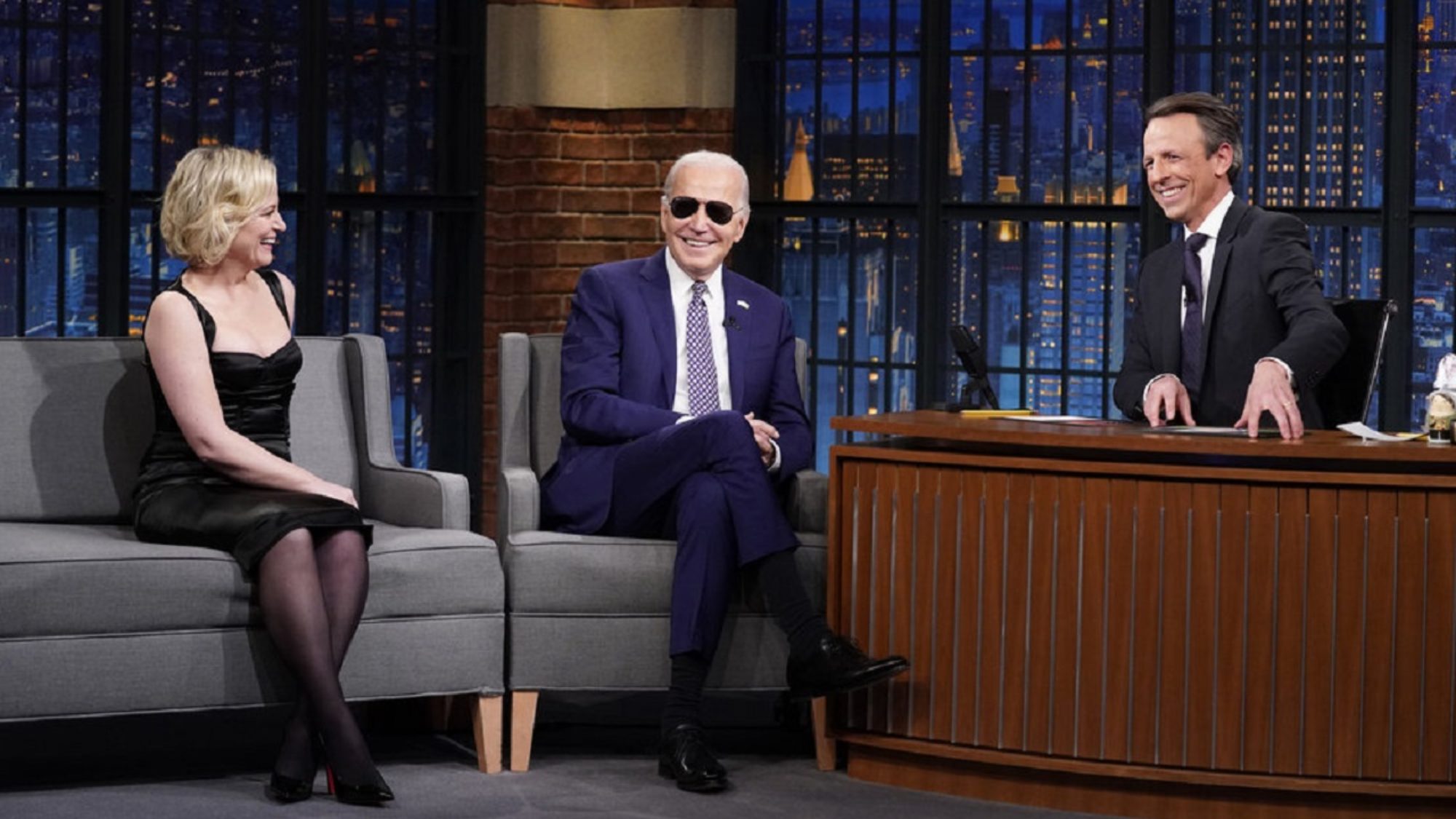
Amy Poehler and Seth Meyers: Analyzing Their Iconic Entertainment Weekly Cover Appearances
Amy Poehler and Seth Meyers have shared a significant professional history that has frequently intersected with the pages of Entertainment Weekly. Throughout their respective careers at Saturday Night Live and beyond, the pair has been...
Amy Poehler and Seth Meyers have shared a significant professional history that has frequently intersected with the pages of Entertainment Weekly. Throughout their respective careers at Saturday Night Live and beyond, the pair has been featured on the magazine's covers—both collectively and individually—marking key milestones in the landscape of American comedy and late-night television. These cover stories serve as a curated historical record of their rising influence, their collaborative synergy during the "Weekend Update" era, and their eventual transition into becoming two of the most recognizable faces in the media industry.
Contents
The Significance of the Entertainment Weekly Cover
For figures in the entertainment industry, an Entertainment Weekly (EW) cover is more than just a promotional photo opportunity; it is a cultural barometer. Since its inception, the magazine has functioned as the definitive chronicler of pop culture, identifying the actors, comedians, and creators who define the zeitgeist. When Amy Poehler and Seth Meyers appeared on the cover, it signaled that they had transcended the status of mere "television personalities" and had become foundational pillars of comedy.
The covers featuring Poehler and Meyers often highlighted the "SNL alumni" narrative. The magazine leveraged their shared background at the Saturday Night Live desk—where they served as co-anchors of "Weekend Update"—to position them as the intellectual and comedic heirs to the show’s legacy. Analyzing these cover stories reveals how the publication framed their transition from sketch performers to independent powerhouses, with Poehler moving toward her acclaimed role in Parks and Recreation and Meyers launching his late-night career.
Historical Context: The Weekend Update Synergy
The most notable joint attention garnered by Poehler and Meyers within the pages of Entertainment Weekly emerged from their tenure as the desk-bound duo on SNL. Between 2008 and 2012, they revitalized the "Weekend Update" segment, balancing sharp political satire with a rapport that felt both scripted and genuinely spontaneous.
Why Their Partnership Resonated
- Comedic Timing: Their ability to trade off punchlines during the segment set a new standard for rapid-fire delivery.
- Cultural Commentary: They balanced partisan mockery with broad cultural observations, appealing to a wider demographic than previous iterations of the segment.
- Media Coverage: Entertainment Weekly recognized this chemistry early on, often pairing them in "Best of" lists and cover features that explored the "Golden Age" of late-night comedy, providing fans with deep dives into their writing process and personal camaraderie.
Individual Growth and Solo Cover Features
While their shared history is a major draw for media coverage, the evolution of their individual careers necessitated solo features. As Poehler pivoted toward producing and starring in Parks and Recreation, and Meyers eventually moved to Late Night with Seth Meyers, Entertainment Weekly tracked these trajectories independently.
Amy Poehler: The Pivot to Lead
Poehler’s solo covers often emphasized her versatility as a performer, writer, and producer. Her transition to the role of Leslie Knope in Parks and Recreation was a frequent subject of analysis for the publication. EW covered the slow-burn success of the series, highlighting how Poehler’s brand of optimistic, character-driven comedy shifted the tone of modern sitcoms.
Seth Meyers: From Writer to Host
Meyers’ solo features largely focused on the transition from the frantic pace of the SNL writer's room to the structured, monologue-heavy format of late-night hosting. Entertainment Weekly was instrumental in chronicling how Meyers utilized his political satire background to reshape the late-night landscape, specifically regarding his "A Closer Look" segment, which became a staple for viewers seeking analytical takes on current events.
Comparing Their Media Coverage Profiles
The following table outlines how Entertainment Weekly generally categorized and covered the duo based on their distinct career phases.
| Career Phase | Focus of Coverage | Primary Themes |
|---|---|---|
| SNL Tenure | Collaborative Comedy | Chemistry, "Weekend Update" legacy, sketch writing |
| Poehler (Parks Era) | Character Acting | Female leadership in comedy, showrunning, sitcom longevity |
| Meyers (Late Night) | Political Satire | Late-night format evolution, monologue writing, topical relevance |
| Joint Legacy | The "SNL" Pipeline | The influence of the show on modern media and hosting |
Analyzing the Impact of Print Media on Comedy Careers
The relationship between comedy stars and entertainment publications has shifted significantly over the last two decades. While Entertainment Weekly once served as the primary gatekeeper for mainstream visibility, the digital age has changed the nature of these cover stories.
During the mid-2000s and early 2010s, a cover appearance was a definitive "arrive" moment. For Poehler and Meyers, these features helped solidify their identities in the minds of the public. They provided a space for long-form interviews that allowed audiences to see behind the veneer of their stage personas. This type of media exposure remains valuable because it humanizes figures who are often viewed only through the lens of their professional output.
Common Misconceptions About Their Cover Appearances
One common misconception among collectors and pop culture enthusiasts is the belief that Poehler and Meyers had a dedicated, recurring series of covers. In reality, their presence on Entertainment Weekly was largely dictated by the release schedules of their respective projects. It was rare for them to appear solely as "Amy and Seth"; rather, they were often part of broader "SNL" retrospectives, "Women in Comedy" features, or "Late Night" roundups.
Readers looking for specific back issues or archival digital content should search based on the specific television season or the premiere of a major project, rather than the names of the performers alone. This ensures more accurate results when navigating digital archives.
Frequently Asked Questions
1. Did Amy Poehler and Seth Meyers ever have a joint cover exclusively dedicated to their friendship? While they have appeared together on several covers, these features were almost always tied to their professional roles at SNL. There is no prominent issue dedicated solely to their personal friendship, though the interviews within those covers often highlight their mutual respect and long-standing professional bond.
2. Where can I find archival copies of these Entertainment Weekly issues? Back issues are frequently available through online secondary marketplaces, vintage magazine retailers, or via digital subscription platforms that maintain historical archives of major entertainment publications.
3. Why is the EW cover considered a milestone for comedians? Historically, the Entertainment Weekly cover solidified a comedian's transition from an ensemble performer to a household name. It provided prestige and suggested that the subject had reached a level of cultural saturation worthy of mainstream advertising and mass-market analysis.
4. How did their EW covers influence their career trajectories? These covers served as critical promotional tools during pivotal shifts—such as Poehler moving into a lead sitcom role or Meyers launching his hosting career. By featuring them prominently, the magazine signaled to industry executives and viewers alike that these performers were the "next big thing" in comedy.
5. Are there digital versions of these specific magazine issues? Most publications from the 2000s and 2010s have been digitized. Readers should check the official Entertainment Weekly digital archive or major aggregator sites to determine if specific issues have been converted to digital formats for online viewing.
Recommendation for Researchers and Fans
For those interested in documenting the history of Amy Poehler and Seth Meyers, the most productive path is to catalog their appearances by project launch dates. Start with the 2008-2012 SNL seasons for their collaborative work, then branch out to 2013-2015 for Poehler's Parks and Recreation coverage and 2014-2016 for the launch and stabilization of Meyers' Late Night. This methodology ensures that you are collecting information that reflects the true chronology of their media exposure rather than speculative anecdotes. Always prioritize official publication dates and verified project releases when establishing a timeline of their media appearances.
Image Gallery