Accounting for Life Insurance Cancellation and Face Value Received
Accounting for the cancellation of a life insurance policy and the subsequent receipt of face value or cash surrender value requires distinguishing between the policyholder’s intent, the nature of the policy, and the tax implications o...
Accounting for the cancellation of a life insurance policy and the subsequent receipt of face value or cash surrender value requires distinguishing between the policyholder’s intent, the nature of the policy, and the tax implications of the payout. Generally, the accounting treatment depends on whether the policy is a personal asset or a corporate-owned asset and whether the amount received exceeds the policy's cost basis.
Contents
When a life insurance policy is terminated, the insurer may issue a check for the cash surrender value (if it is a permanent policy) or the face value (if it is a death benefit payout). From a financial reporting perspective, the primary task is to recognize the gain or loss by comparing the net proceeds received against the accumulated cost basis, which is typically the sum of all premiums paid minus any dividends or prior partial withdrawals.
Distinguishing Between Cash Surrender Value and Face Value
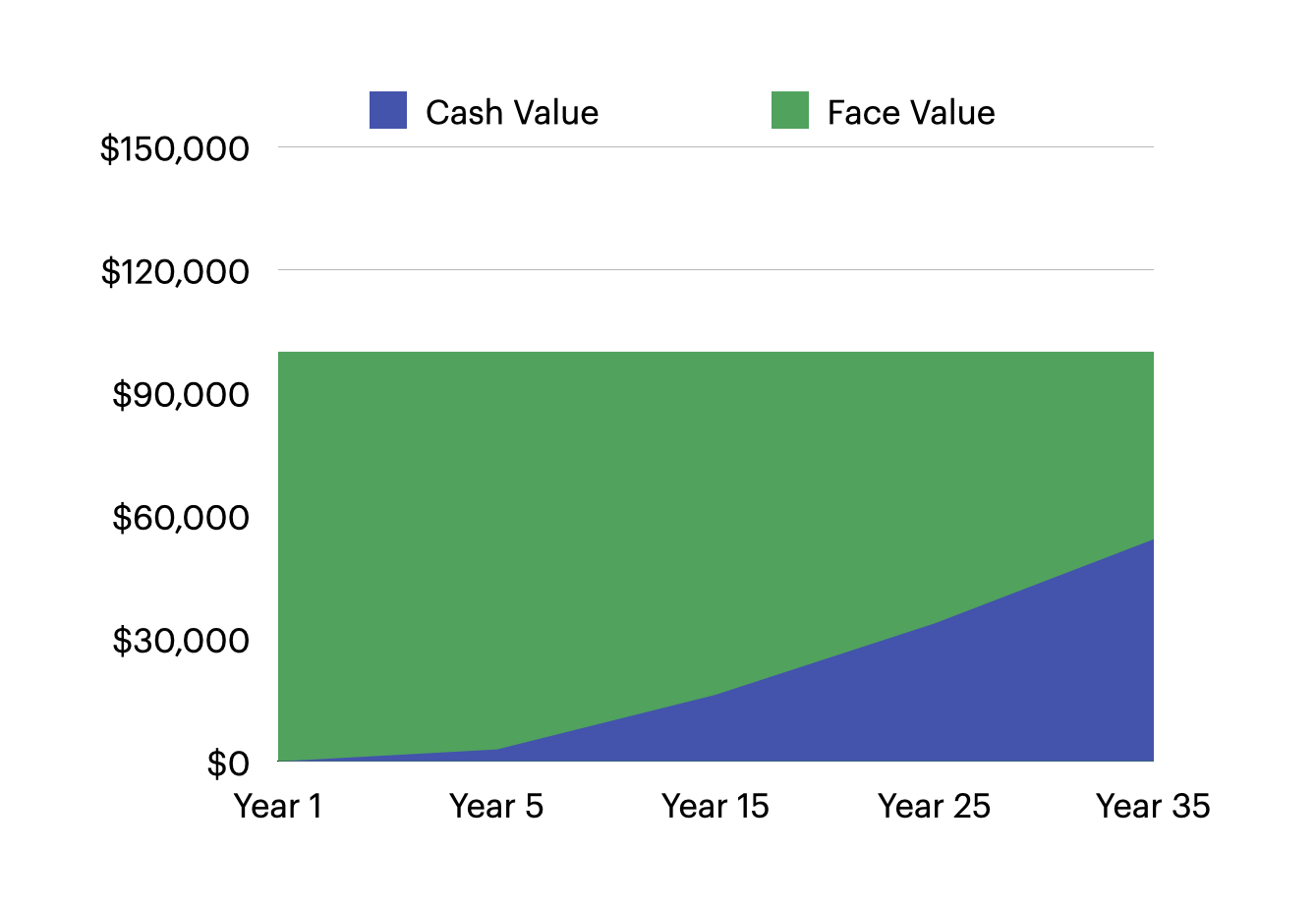
It is critical to clarify the nomenclature used in insurance accounting. "Face value" refers to the death benefit promised by the policy. This is typically only received upon the death of the insured. If you are cancelling an existing policy, you are generally entitled to the "cash surrender value" (CSV). The CSV is the savings component that accumulates within permanent insurance products like Whole Life or Universal Life.
If a policy is terminated prior to the death of the insured, the insurer will pay out the CSV, provided the policy has been active long enough to have accrued one. If the policy is surrendered, the insurer subtracts any outstanding loans or unpaid premiums from the CSV. The resulting amount is the "net proceeds." Accounting for this transaction involves closing out the asset account and recognizing the difference between the net proceeds and the book value of the policy.
Financial Accounting for Individuals
For individual policyholders, the accounting treatment is simplified but carries significant tax weight. You must maintain a record of your "investment in the contract."
- Calculate the Basis: Sum all premiums paid over the life of the policy. Subtract any tax-free dividends received or prior partial withdrawals.
- Determine the Gain: Subtract your calculated basis from the net proceeds received from the insurance company.
- Report as Income: Under current tax regulations, any amount received in excess of your basis is generally treated as ordinary income and is taxable. If the proceeds are less than your basis, the loss is typically considered a personal loss and is generally not tax-deductible.
Corporate-Owned Life Insurance (COLI) Accounting
When a corporation owns a life insurance policy on an executive or employee, the accounting complexity increases. The company must treat the policy as an asset on the balance sheet.
- Initial Recognition: The premiums paid are generally not expensed entirely but are capitalized as an asset (Cash Surrender Value).
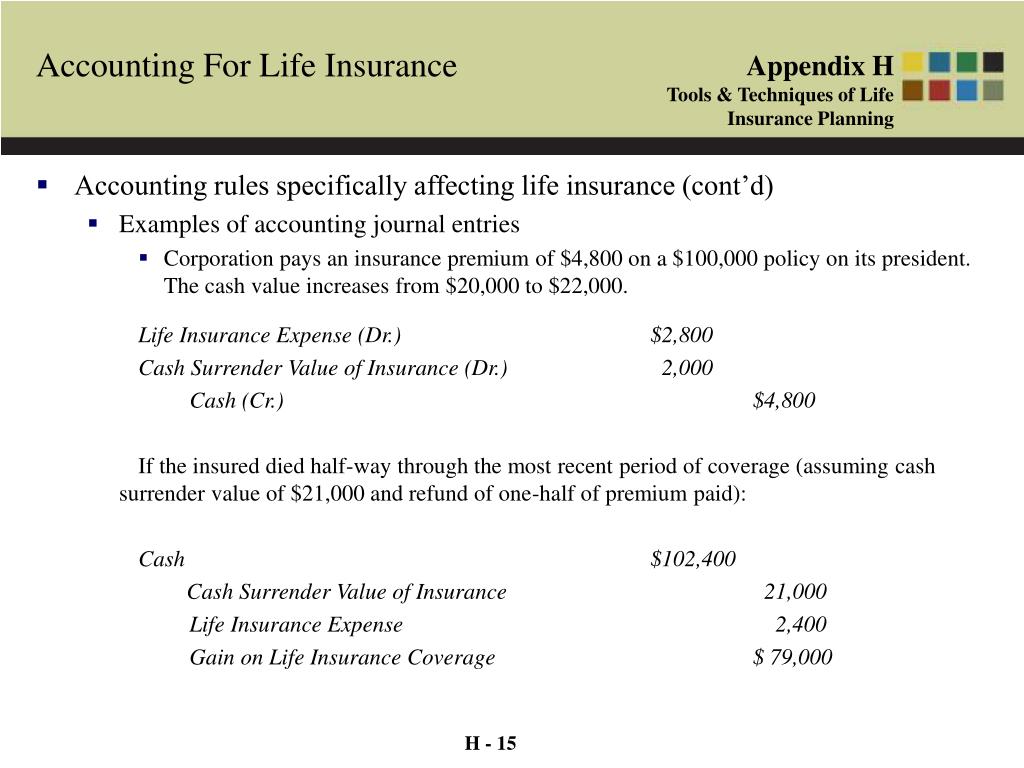
- Periodic Adjustments: At the end of each reporting period, the company must adjust the asset’s carrying value to reflect the current cash surrender value provided by the insurer. Any increase in the CSV is typically recorded as a reduction in insurance expense, effectively reflecting a return on the premiums paid.
- Cancellation/Surrender: Upon cancellation, the company removes the policy asset from the balance sheet. If the cash proceeds received are greater than the carrying value, the company recognizes a gain in the income statement. If the proceeds are less, a loss is recorded.
Tax Implications and Reporting Requirements
The taxation of proceeds received from a life insurance cancellation is governed by the rules regarding "inside buildup." Because life insurance enjoys tax-deferred growth, the sudden realization of that growth upon surrender triggers a tax event.
| Component | Description | Tax Treatment |
|---|---|---|
| Premiums Paid | Total cost of insurance | Tax-free recovery of basis |
| Cash Surrender Value | Total value at time of cancellation | N/A |
| Gain (CSV minus Basis) | Excess earnings | Taxable as ordinary income |
| Death Benefit (Face Value) | Payout upon death | Generally tax-free to beneficiary |
It is essential to consult with a tax professional regarding IRS Form 1099-R, which the insurance carrier will likely issue. This form details the gross distribution and the taxable amount, providing the necessary data for your annual tax filing.
Steps to Reconcile Insurance Records
To ensure your books or personal records accurately reflect the closure of a policy, follow these structured steps:
- Request a Surrender Statement: Do not rely on estimates. Request a formal statement from the insurance carrier that lists the gross proceeds, any outstanding policy loans, and the final net check amount.
- Retrieve Historical Premium Data: Gather all premium payment receipts or annual statements. If your records are incomplete, the insurance company can provide a history of premiums paid, which is essential for determining your cost basis.
- Verify Outstanding Loans: If you have taken policy loans against the cash value, these are not usually taxable if the policy stays in force. However, upon cancellation, these loans are satisfied from the cash value. Ensure the amount reported on your 1099-R accurately accounts for this debt satisfaction.
- Journalize the Transaction: For businesses, debit "Cash" for the amount received, credit "Life Insurance Asset" for the book value, and record the difference to "Gain/Loss on Disposal of Asset."
Common Accounting Mistakes
One of the most frequent errors in accounting for policy cancellation is the failure to account for "dividends" or "withdrawals" taken during the life of the policy. Many policyholders mistakenly assume their cost basis is simply the sum of all premiums paid. If you previously withdrew cash from the policy or received dividends that were not reinvested, those amounts reduced your basis at the time they were received. Failing to account for these reductions will result in an understatement of your taxable gain.
Another common oversight occurs with policy loans. While a loan is not taxable while the policy is active, the cancellation of a policy with an outstanding loan can create a "phantom income" scenario. If the loan balance exceeds your basis, you may end up with a tax liability that exceeds the cash proceeds you actually receive in your bank account.
Professional Advisory and Disclaimer
Financial accounting for life insurance can intersect with complex regulatory frameworks. If you are handling the cancellation of a significant policy, or if the policy is held within a trust, a business, or an estate, professional guidance is highly recommended. Rules regarding "transfer-for-value" and specific state-level insurance regulations can impact the net proceeds and the tax reporting requirements.
This information is provided for educational purposes and does not constitute financial, legal, or tax advice. You should verify your specific policy details with your insurance carrier and review the latest IRS guidance or the relevant jurisdictional tax code before filing your tax returns.
Frequently Asked Questions
Is the death benefit taxable if I receive it after cancelling the policy? No. The death benefit (face value) is only paid upon the death of the insured. If you cancel the policy, you are not receiving a death benefit; you are receiving the cash surrender value. These are two distinct financial events with different tax consequences.
How do I find my cost basis if I lost my records? Most insurance carriers maintain permanent records of your policy history. You can contact their policyholder service department and request a "cost basis report" or a history of total premiums paid to date.
What happens to the policy loans when I cancel? When you surrender a policy, the insurer automatically deducts any outstanding loan balance and accrued interest from the cash value before issuing your final payment. This transaction is considered a distribution, and any amount used to pay off the loan is included in the calculation of your gain.
Does a gain from a policy surrender qualify for capital gains tax? Generally, no. The gain on a surrendered life insurance policy is typically treated as ordinary income because it represents the earnings (interest/dividends) that accumulated within the policy on a tax-deferred basis, rather than an appreciation of a capital asset.
Can I deduct a loss if the cash surrender value is less than the premiums paid? In most jurisdictions, if you surrender a life insurance policy for an amount less than what you paid in premiums, the difference is considered a personal loss and is not tax-deductible.
Final Next Actions
To finalize your accounting for a life insurance cancellation, start by obtaining the official "Surrender Settlement Statement" from your insurer. Ensure this document reconciles with your own internal records of premiums paid and any prior partial withdrawals. If you are a business entity, ensure your accountant adjusts your balance sheet immediately upon receipt of the funds to reflect the removal of the asset and the realization of any gain or loss. If you are an individual, keep the 1099-R and your basis calculation document with your tax records for at least seven years to satisfy potential future audits.
Image Gallery