Understanding the Beijing CCTV Building: Architectural Significance and Why It Is Worth Seeing
The China Central Television (CCTV) Headquarters in Beijing is a masterwork of structural engineering and contemporary architecture that redefines the traditional skyscraper. Designed by Rem Koolhaas and Ole Scheeren of OMA, this "loop...
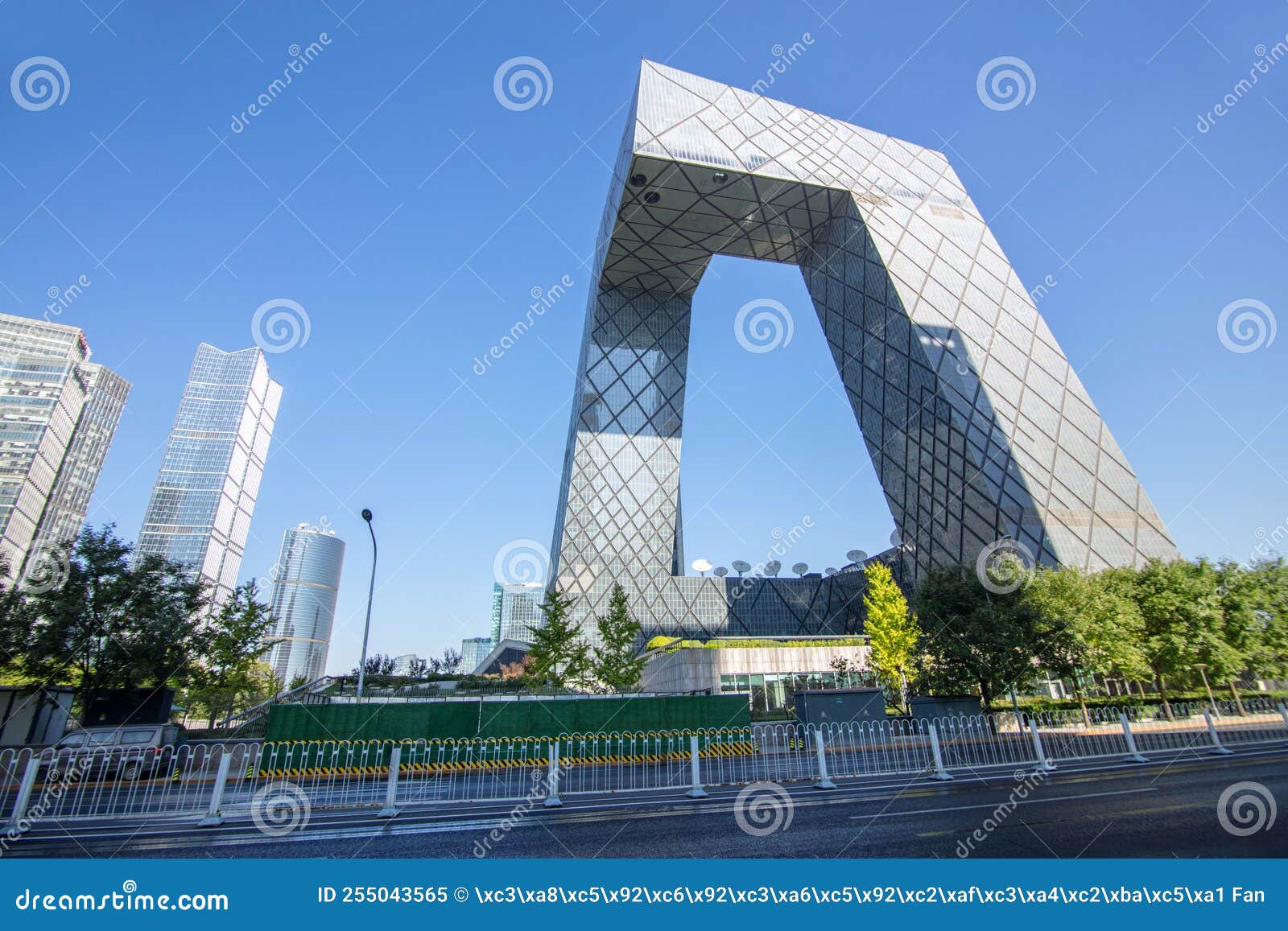
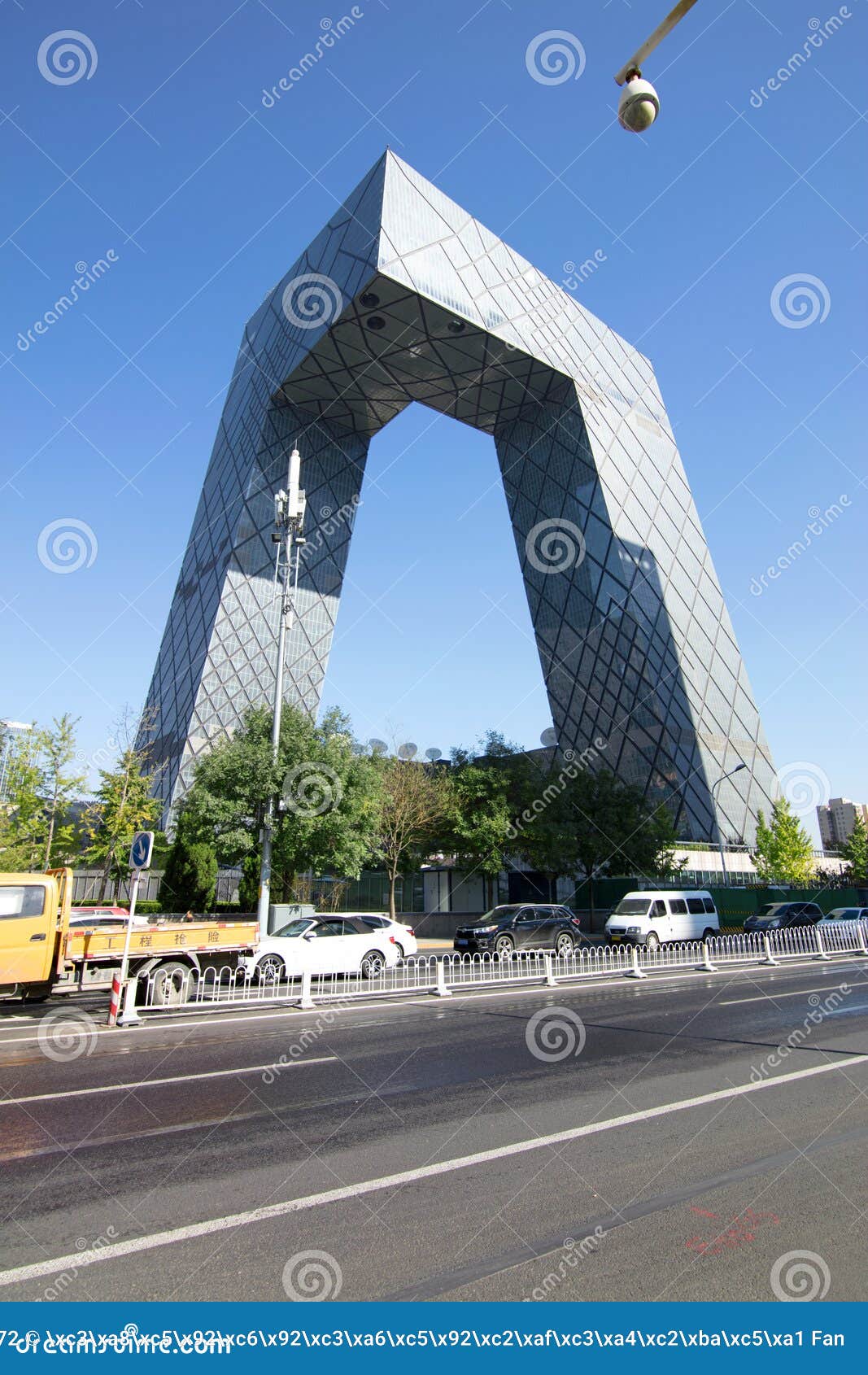
The China Central Television (CCTV) Headquarters in Beijing is a masterwork of structural engineering and contemporary architecture that redefines the traditional skyscraper. Designed by Rem Koolhaas and Ole Scheeren of OMA, this "looped" structure challenges the verticality of modern cityscapes, offering an iconic, gravity-defying silhouette that is essential for any visitor interested in modern urban design and civil engineering.
Contents
The Architectural Vision: Defying the Skyscraper Norm
Most skyscrapers are designed as linear towers reaching for the sky. The CCTV building, completed in 2012, is fundamentally different. It is a continuous loop of six horizontal and vertical sections, creating a complex, irregular grid that functions as a single, unified structure.
When you visit, the first thing you will notice is the sheer audacity of the geometry. It does not simply rise; it folds over itself. This design was not merely for aesthetic novelty; it serves a functional purpose, housing the entire process of television production—from administration and news broadcasting to studios and program creation—within a single, interconnected flow. Standing at the foot of the building, the viewer is confronted with a massive "overhang" that seems to hover, pushing the boundaries of what is possible with steel and glass.
Engineering Feats: The Science Behind the Loop
The CCTV building is a testament to sophisticated engineering, specifically designed to withstand Beijing’s seismic activity. Because the building is essentially a three-dimensional crank, it requires a structural system capable of handling complex stresses.
The building utilizes an "irregular grid" of steel bracing that is visible on the exterior facade. This is not just a stylistic choice; the density of the grid varies according to the amount of stress at any given point. In areas where the building experiences higher forces, the grid is tighter and more robust. For those with an interest in technical architecture, observing how the exterior diagrid aligns with the interior stress distribution provides a profound look at how modern skyscrapers are constructed to be both resilient and visually arresting.
Location and Urban Context
Situated in the heart of Beijing’s Central Business District (CBD) in the Chaoyang District, the CCTV building serves as the anchor for an evolving skyline. Unlike many tourist sites that are tucked away in historic compounds, the CCTV building is embedded in the working fabric of the city.
The location is significant because it marks the shift of Beijing from an imperial, horizontal city to a global, vertical metropolis. Nearby, you will find other architectural landmarks, such as the China Zun (CITIC Tower), allowing visitors to contrast the innovative, looped design of the CCTV headquarters with more traditional, tapering skyscraper designs. The site is highly accessible via Beijing’s public transit network, making it a convenient stop for those touring the city’s contemporary architectural corridor.
Comparative Perspective: CCTV Headquarters vs. Traditional Towers
To appreciate why the CCTV building is worth seeing, it is helpful to compare it to the structural norms of the early 21st century.
| Feature | Typical Skyscraper | CCTV Headquarters |
|---|---|---|
| Geometry | Vertical, Tapering | Looped, Interconnected |
| Structural System | Central Core (Concrete) | Diagrid (Steel Exoskeleton) |
| Floor Plates | Uniform, Stacked | Varied, Multi-level Loops |
| Aesthetic Goal | Height and Dominance | Connectivity and Continuity |
By studying this comparison, one gains an appreciation for the shift in architectural philosophy from "how tall can we build" to "how can we redefine the shape of the city." The CCTV headquarters represents a departure from the phallic competition of the 20th century, focusing instead on the interconnected nature of the organization it houses.
Practical Guidance for Visitors
While the interior of the CCTV headquarters is largely a secure, professional workspace for the state broadcaster, the building is best experienced from the exterior.
- Best Viewing Times: Visit during the "golden hour" just before sunset. The reflective glass facade catches the low-angled sun, highlighting the intricate patterns of the steel diagrid.
- Photography Tips: To capture the scale of the "loop," move to the intersections of the surrounding streets. A wide-angle lens is recommended, as the structure’s immense size makes it difficult to frame in a standard field of view from close range.
- Transit Access: The site is serviced by several subway lines. The closest stations provide easy walking access to the plaza level, where you can look directly up at the hovering cantilever.
- Security Awareness: As this is a major governmental media hub, maintain awareness of local security regulations regarding photography. While public areas are accessible, always respect perimeter signage and local security protocols.
Frequently Asked Questions
Can visitors enter the CCTV building? The CCTV headquarters is an active operational facility for television production. General public access to the interior is limited, and there is no public observation deck. Most visitors experience the building by viewing the exterior architecture from the surrounding CBD area.
Why is the building nicknamed "The Big Underpants"? This is a colloquial, satirical term coined by some local residents due to the building's distinctive "looped" shape, which some suggest resembles a pair of large trousers. It reflects the public's fascination with its unconventional form.
Is it safe to visit the building? Yes, the building is located in a highly developed and secure business district. It is safe for tourists to visit, photograph the exterior, and walk through the public spaces around the base of the structure.
What is the best time of year to see it? Spring and Autumn offer the most comfortable weather for walking through the CBD. Avoid the height of summer heat if you plan on exploring the architectural corridor on foot.
The Lasting Impact of the CCTV Headquarters
The Beijing CCTV building remains a landmark of global interest because it proves that architecture does not have to follow the path of least resistance. It forces the eye to track a continuous path, effectively breaking the monotony of the surrounding skyline. For engineers, it remains a study in steel management. For the average visitor, it is a photo opportunity that captures the scale of 21st-century China’s architectural ambitions.
If you are planning a trip to Beijing, prioritizing an afternoon in the CBD to walk the perimeter of this structure is highly recommended. It serves as a stark reminder of how design can redefine a landscape, turning a functional office space into a global cultural icon. Whether you are an architectural enthusiast or a casual traveler, the building’s ability to defy logic makes it one of the few structures in Beijing that demands a firsthand look.
Image Gallery