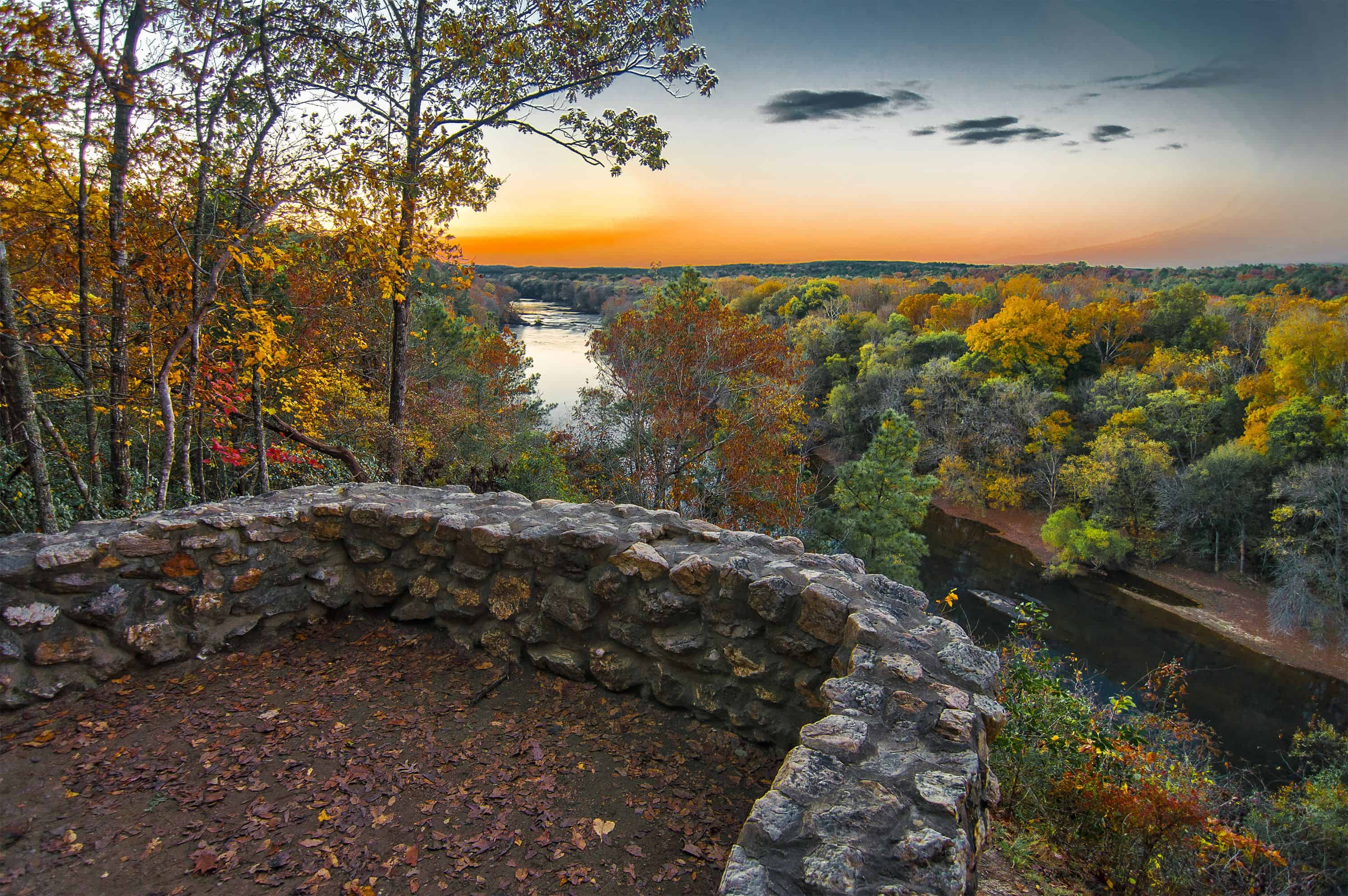
Navigating Property Considerations for a House in Raven Rock
Acquiring or managing a house in Raven Rock requires a nuanced understanding of local zoning regulations, geographical constraints, and regional property market dynamics. Whether the objective is residential investment or personal occu...
Acquiring or managing a house in Raven Rock requires a nuanced understanding of local zoning regulations, geographical constraints, and regional property market dynamics. Whether the objective is residential investment or personal occupancy, stakeholders must evaluate environmental disclosures, historical building codes, and municipal infrastructure access to ensure long-term property viability and legal compliance.
Contents
Defining the Raven Rock Locale
Raven Rock is a name that appears in various geographical contexts across North America, most notably as an unincorporated community or a specific designated area in states like Pennsylvania, North Carolina, and New Jersey. Before engaging in any real estate transaction, the primary task is to identify the specific jurisdiction relevant to your interest.
The term often refers to areas characterized by rugged terrain or proximity to state parks and geological formations. Understanding the topography is essential because a house in Raven Rock—depending on its specific location—may be subject to steep slope ordinances, watershed protection regulations, or limitations on septic system installations. Verification of the property’s exact coordinates against municipal tax maps is the first step in determining applicable building constraints.
Prerequisites for Property Evaluation
Before committing to a purchase or renovation project in areas like Raven Rock, potential owners must conduct a rigorous due diligence process. This involves more than a standard visual inspection; it requires a deep dive into the legal and physical history of the plot.
- Title Search and Easements: Investigate if the property is burdened by utility easements or access rights for neighbors. In rural or semi-rural areas, informal agreements regarding road maintenance or shared water sources are common and must be formalized or vetted.
- Zoning and Land Use: Verify the current zoning designation. Some Raven Rock properties are situated in protected zones where expansion, short-term rentals, or commercial activity may be strictly prohibited.
- Environmental Assessment: Given the rocky or forested nature of these regions, check for flood zone designations and geological stability reports. Ensuring that the foundation of a house is suited to the underlying soil composition is critical for long-term structural integrity.
- Utility Infrastructure: Unlike suburban subdivisions, homes in these regions may rely on well water, propane delivery, and private septic systems. Ensure these systems meet current health department standards for 2026.
Comparative Analysis of Property Features
When evaluating real estate in distinct geographical areas, it is helpful to contrast the typical features of rural-adjacent residential properties. The following table provides a breakdown of considerations for buyers navigating these markets.
| Feature | Standard Consideration | Impact on Value/Cost |
|---|---|---|
| Water Source | Municipal vs. Private Well | Well maintenance and testing costs. |
| Waste Disposal | Sewer vs. Septic System | Septic inspection and pump-out intervals. |
| Topography | Flat vs. Sloped Lot | Foundation costs and drainage requirements. |
| Access | Paved Road vs. Private Drive | Snow removal and maintenance responsibility. |
| Connectivity | Fiber/Cable vs. Satellite | Influence on remote work capability. |
Navigating Building and Renovation Challenges
For those seeking to renovate or build a house in Raven Rock, strict adherence to local building codes is non-negotiable. Many areas labeled "Raven Rock" are protected for their natural beauty, which often translates to stringent architectural review boards or historical preservation mandates.
If your project involves structural modifications, you will likely need to submit site plans that account for runoff and erosion control. Because of the common prevalence of rocky subsoil, excavation costs can vary significantly. Contractors often face delays if the geological survey was not thorough, leading to unexpected blasting or specialized equipment requirements. Always secure verified permits through the relevant county office to avoid stop-work orders that can inflate project costs during the 2026 fiscal year.
Financial and Insurance Implications
The financial structure of owning a property in a remote or terrain-specific area differs from standard residential real estate. Insurance providers often categorize these homes based on fire risk (proximity to wooded areas) and the availability of emergency services.
- Insurance Premiums: Because of the terrain and vegetation, fire insurance may be priced higher than in urban centers. It is recommended to obtain multiple quotes from providers who understand the specific risk profile of your exact location.
- Property Tax Assessments: In unincorporated areas, tax rates may be lower, but residents often pay out-of-pocket for services like waste management or road maintenance that are typically covered by municipal taxes in cities.
- Maintenance Reserves: Owners should budget an additional 1% to 2% of the property value annually for the upkeep of private systems, such as well pumps and access roads, which are the sole responsibility of the property owner.
Frequently Asked Questions
1. Is a house in Raven Rock considered a high-risk flood zone? Flood risk is location-dependent. You must consult the FEMA Flood Map Service Center for the specific coordinates of your property. Even if a house is on high ground, drainage patterns around rocky formations can lead to localized flash flooding.
2. What should I check regarding septic systems in this area? Verify when the septic system was last inspected and pumped. In many rural jurisdictions, sellers are required to provide a septic certification or a "clearance" from the local health department confirming the system is functional and compliant with current environmental codes.
3. Are there restrictions on short-term rentals in Raven Rock? This depends entirely on the local county or township ordinances. Many residential zones have moved to restrict or require special permits for short-term rentals as of 2026. Review local zoning bylaws before planning an investment centered on rental income.
4. How do I verify if a private road is legally accessible? A title search should reveal any recorded easements. If a road is private, it is essential to determine if there is a formal road maintenance agreement signed by all property owners who rely on that road for access. Without one, you could face legal or financial disputes regarding repairs.
5. Why are excavation costs higher for properties in this region? If the "rock" in Raven Rock refers to significant granite or limestone outcroppings, standard trenching for utilities or foundations is impossible. You may need specialized equipment or blasting services, which significantly increase the overhead for construction or major plumbing repairs.
Next Steps for Property Owners
To ensure your interests are protected, prioritize a comprehensive site survey and a thorough review of the property title by a local real estate attorney. Before finalizing any financial commitment, request a full set of maintenance logs for any private utility systems. Engaging a local inspector who has specific experience with the geological and infrastructural challenges common to Raven Rock is the most effective way to identify potential liabilities before they become costly repairs.
Image Gallery