SoFi Parent PLUS Loan Refinancing: Requirements, Transfer Options, and Trade-offs
Refinancing a Parent PLUS loan through SoFi allows parents to lower their interest rates, alter repayment terms, or legally transfer federal debt responsibility directly to their child. Because federal Parent PLUS loans carry higher fi...
Refinancing a Parent PLUS loan through SoFi allows parents to lower their interest rates, alter repayment terms, or legally transfer federal debt responsibility directly to their child. Because federal Parent PLUS loans carry higher fixed interest rates and origination fees than standard student loans, refinancing into a private SoFi loan can generate significant interest savings for qualifying borrowers.
Contents
Understanding Parent PLUS Loans and SoFi’s Refinancing Role
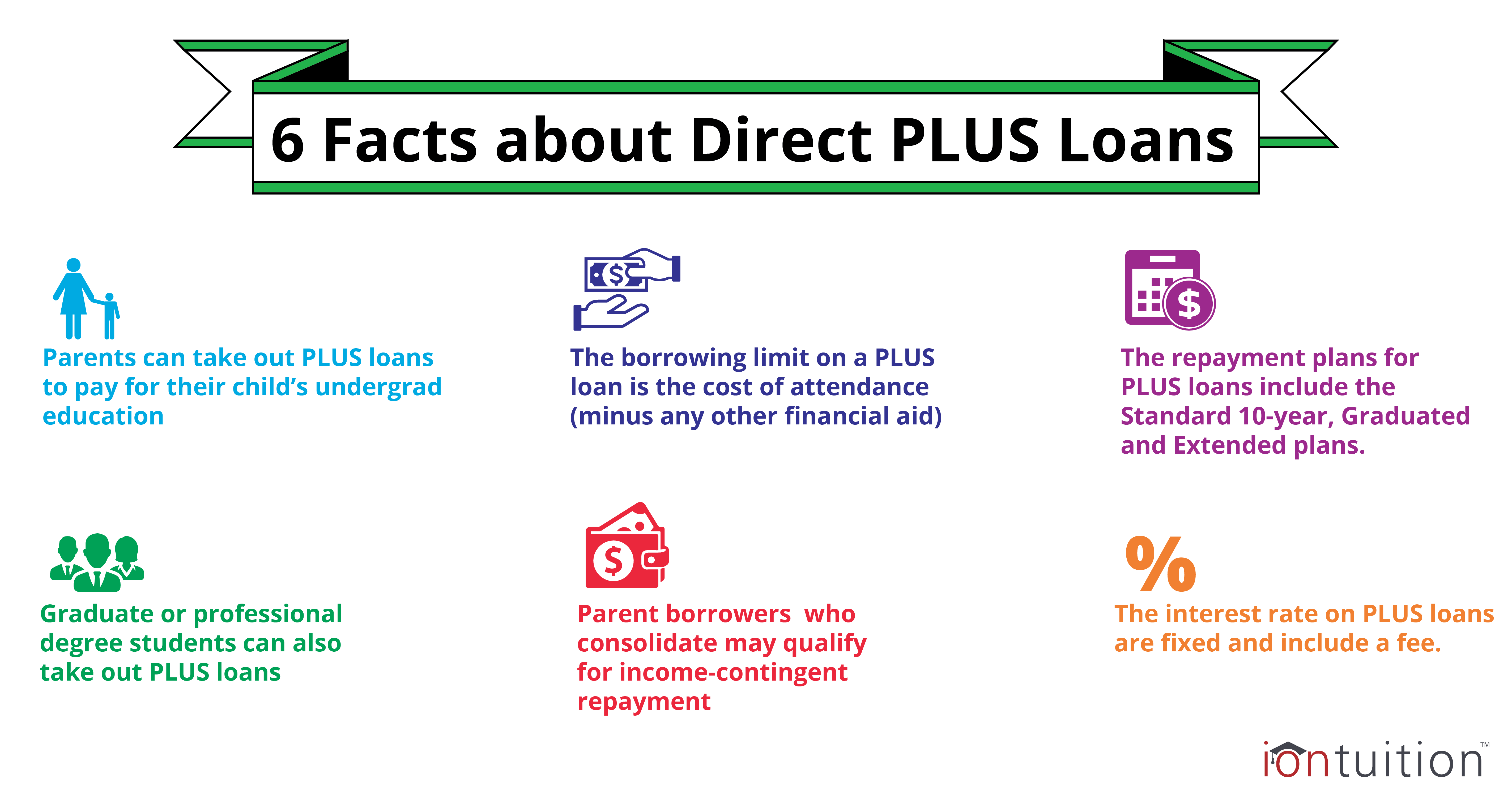
Federal Parent PLUS loans are direct, non-subsidized federal loans issued by the U.S. Department of Education to parents of dependent undergraduate students. While these loans help families cover educational expenses up to the total cost of attendance, they traditionally carry the highest interest rates and origination fees of any federal student loan program.
SoFi (Social Finance) does not originate federal loans. Instead, SoFi acts as a private financial institution offering private student loan refinancing. When an individual applies for a SoFi Parent PLUS loan refinance, SoFi pays off the existing federal Parent PLUS loan balance and replaces it with a new private loan contract. This new loan operates under SoFi’s private lending terms, interest rates, and repayment schedules.
Refinancing through private financial institutions converts public debt into private debt. While this shift often reduces the overall cost of borrowing for high-credit applicants, it permanently eliminates access to federal borrower protections, including income-driven repayment programs and federal forgiveness tracks.
Refinancing Options: Retaining the Debt vs. Transferring to the Student
When refinancing a Parent PLUS loan with SoFi, borrowers generally choose between two primary paths depending on financial capability and family goals: keeping the debt in the parent's name or transferring legal ownership to the adult child.
1. Refinancing in the Parent’s Name
Under this option, the parent remains the sole legal borrower. SoFi evaluates the parent’s credit history, income, and debt-to-income (DTI) ratio to issue a new private loan.
- Primary Benefit: Securing a lower interest rate or a shorter repayment term based on the parent's established financial history.
- Repayment Flexibility: Parents can select between fixed-rate or variable-rate options, alongside custom terms ranging from 5 to 20 years.
- Legal Obligation: The debt remains exclusively on the parent’s credit report.
2. Transferring the Debt to the Student
Federal regulations strictly prohibit transferring a Direct Parent PLUS loan directly to a student within the federal system. However, private refinancing through lenders like SoFi provides a mechanism to shift the debt obligation to the child.
- How It Works: The adult child applies for a private student refinance loan through SoFi, designating the parent’s federal Parent PLUS loan as the target debt to pay off.
- Student Qualification: The student must meet all of SoFi's standard credit, income, and employment criteria independently. If the student lacks established credit or sufficient income, the parent (or another qualified individual) can act as a co-signer.
- Legal Transfer: Once approved and funded, the federal Parent PLUS loan is completely paid off, releasing the parent from legal liability and placing the new loan solely in the student's name.
Eligibility Requirements for SoFi Refinancing
To qualify for Parent PLUS loan refinancing with SoFi, applicants must satisfy clear financial, legal, and educational prerequisites.
SOFI REFINANCING PREREQUISITES
Financial Standing : FICO Score (650+), Low DTI Ratio
Legal Status : U.S. Citizen, Permanent Resident, or Visa
Education Status : Student graduated from accredited school
Employment : Verified stable income or job offer
Credit Score and History: SoFi generally targets prime and super-prime borrowers. Applicants typically need a credit score in the upper 600s or higher to qualify, with scores above 750 required to unlock the competitive advertised interest rates.
Income and Employment: Borrowers must demonstrate stable, ongoing income or present an official job offer starting within 90 days. SoFi evaluates the debt-to-income ratio to ensure the borrower can easily handle the new monthly payments alongside existing obligations.
Educational Completion: For a student to take over a Parent PLUS loan, they must have completed an associate or bachelor’s degree from a Title IV accredited post-secondary institution.
Citizenship: Applicants must be U.S. citizens, permanent residents, or eligible non-citizens with a valid Social Security number and legal U.S. address.
Comprehensive Comparison: Federal Parent PLUS vs. SoFi Private Refinance
Choosing between retaining a federal Parent PLUS loan and refinancing with SoFi requires weighing long-term savings against lost safety nets.
| Feature / Attribute | Federal Parent PLUS Loan | SoFi Refinanced Loan |
|---|---|---|
| Lender Type | Federal Government (U.S. Dept. of Ed) | Private Financial Institution (SoFi) |
| Interest Rate Structure | Fixed rate (set annually by federal law) | Choice of Fixed or Variable rates |
| Origination Fee | Mandatory (approx. 4.228%) | $0 Origination Fee |
| Debt Transferability | Non-transferable to the student | Transferable to student (if student qualifies) |
| Income-Driven Repayment | Limited (Only ICR via Federal Consolidation) | None (Standard fixed monthly payments) |
| Public Service Loan Forgiveness (PSLF) | Eligible (Requires consolidation into Direct Loan & ICR) | Ineligible |
| Discharge on Death/Disability | Mandatory federal discharge | Softened private policy (SoFi discharges upon death) |
| Hardship Forbearance | Statutory entitlement (Up to 3 years) | Proprietary unemployment protection programs |
Federal Benefits Lost Upon Refinancing
Refinancing a federal student loan into a private loan is an irreversible decision. Once a Parent PLUS loan is paid off by a private lender, all statutory federal protections attached to that original loan are permanently surrendered.
Income-Driven Repayment (IDR) and Public Service Loan Forgiveness (PSLF)
Federal Parent PLUS loans can be consolidated into a Federal Direct Consolidation Loan to become eligible for Income-Contingent Repayment (ICR). Through ICR, parents employed by eligible 501(c)(3) non-profits or government agencies can pursue Public Service Loan Forgiveness (PSLF) after making 120 qualifying monthly payments. Details regarding federal repayment rules and forgiveness programs are documented on the official U.S. Department of Education StudentAid.gov website.
Refinancing with SoFi removes the loan from the federal framework entirely, eliminating eligibility for PSLF, ICR, or any future federal debt relief programs. Parents working in public service should rarely refinance their federal loans if PSLF is an achievable goal.
Deferment, Forbearance, and Discharge Rules
Federal loans provide standard statutory rights to defer payments during times of economic hardship, unemployment, or return to higher education. While SoFi offers an Unemployment Protection Program to assist borrowers facing involuntary job loss, these private benefits are offered at the lender's discretion and lack the strict statutory protections guaranteed under the Higher Education Act. Guidance on private loan risks can be reviewed via the Consumer Financial Protection Bureau.
Step-by-Step Guide: How to Refinance a Parent PLUS Loan with SoFi
Refinancing a loan with SoFi involves a digital application process designed to evaluate financial capacity and verify current loan balances.
Step 1: Prequalification and Rate Check
Submit basic personal details, employment information, and social security credentials on SoFi's platform to perform a soft credit check. This step allows applicants to view estimated interest rates, repayment terms, and potential monthly savings without affecting their credit score.
Step 2: Select Loan Terms and Structure
Choose between a fixed-rate loan (which offers consistent monthly payments) or a variable-rate loan (which may start lower but fluctuates based on benchmark indices). Decide whether the parent will remain the primary applicant or if the student will apply independently (with or without a co-signer) to take over the debt.
Step 3: Complete Full Application and Upload Documentation
Submit a formal application, triggering a hard credit inquiry. Applicants must upload supporting financial documentation:
- Government-issued identification.
- Recent pay stubs, W-2 forms, or tax returns.
- Official payoff statements from the current federal loan servicer detailing the exact balance and daily interest accrual.
Step 4: Final Signatures and Funding
Upon underwriting approval, review the loan agreement, disclosure forms, and interest rate disclosures carefully. Electronically sign the loan promissory note. SoFi will transmit payment directly to the federal loan servicer to satisfy the Parent PLUS balance. Borrowers must continue making scheduled payments to their federal servicer until confirmation is received that the federal account balance is zero.
Frequently Asked Questions
Can a child refinance a Parent PLUS loan into their own name with SoFi?
Yes. SoFi permits adult children to refinance their parents' federal Parent PLUS loans into private loans under the child's name. The child must meet SoFi’s credit, income, and educational requirements independently or apply with a creditworthy co-signer.
Will checking interest rates with SoFi damage my credit score?
Initial rate checks with SoFi rely on a soft credit inquiry, which does not impact your credit score. If you proceed with the full application, SoFi performs a hard credit inquiry, which may temporarily reduce your score by a few points.
What credit score is required to refinance a Parent PLUS loan with SoFi?
While SoFi does not publish strict minimum thresholds, qualifying applicants generally present a credit score of 650 or higher. Securing the lowest advertised interest rates typically requires a credit score exceeding 750, paired with a strong debt-to-income profile.
Are there any origination or prepayment fees with SoFi student loan refinancing?
No. SoFi does not charge origination fees, application fees, or prepayment penalties. Borrowers can pay off their refinanced student loan early without incurring financial penalties.
Can I refinance a Parent PLUS loan if the student did not graduate?
No. SoFi requires that the student whose education was funded by the Parent PLUS loan completed an associate or bachelor's degree at an accredited Title IV institution before the loan can be refinanced.
Strategic Recommendation and Next Steps
Before refinancing a Parent PLUS loan with SoFi, conduct a complete assessment of your family's financial stability and career trajectories.
If the parent works in public service, struggles with job security, or requires an income-contingent monthly payment, maintaining the debt within the federal system remains the safest financial strategy. However, if the primary goal is minimizing overall interest cost, the family has stable cash flow, and the student is prepared to assume legal responsibility for their educational costs, refinancing with SoFi presents a compelling option.
Next Actionable Step: Gather current payoff statements from your federal loan servicer to determine your exact interest rate and outstanding balance. Run a preliminary rate check on SoFi to compare your current federal rate against private refinancing quotes, and calculate total lifetime interest savings before submitting a formal application.
Image Gallery