Why Manufacturers Need Life and Health Insurance for Their Teams
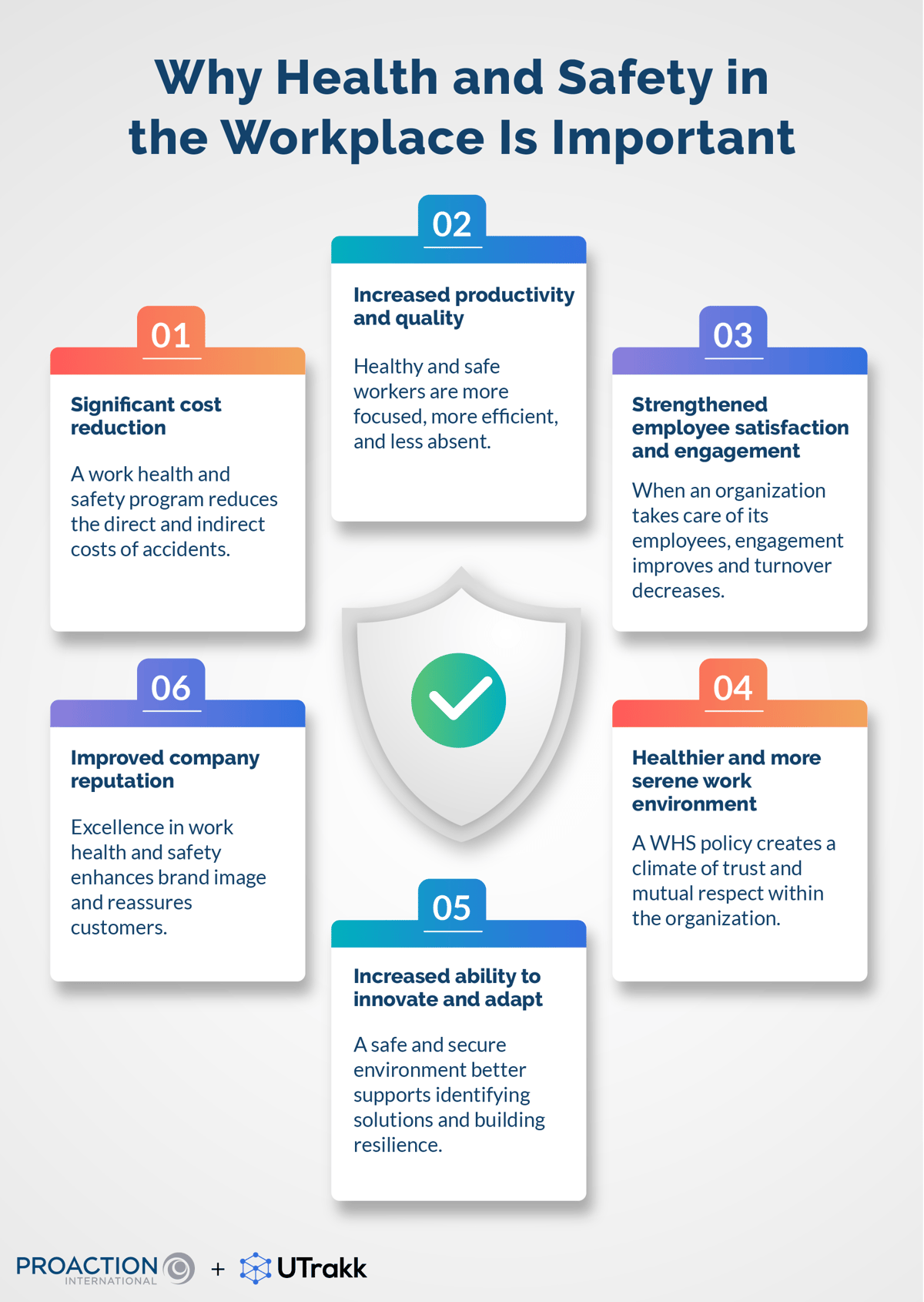
Manufacturing companies need life and health insurance for their teams to mitigate high physical job risks, reduce costly worker turnover, and protect operational continuity. Offering robust group benefits helps industrial employers at...
Manufacturing companies need life and health insurance for their teams to mitigate high physical job risks, reduce costly worker turnover, and protect operational continuity. Offering robust group benefits helps industrial employers attract skilled labor, satisfy regulatory requirements, lower absenteeism, and protect workers and their families against unexpected medical expenses, severe disability, or loss of life.
Contents
The High-Risk Physical Reality of Manufacturing Operations
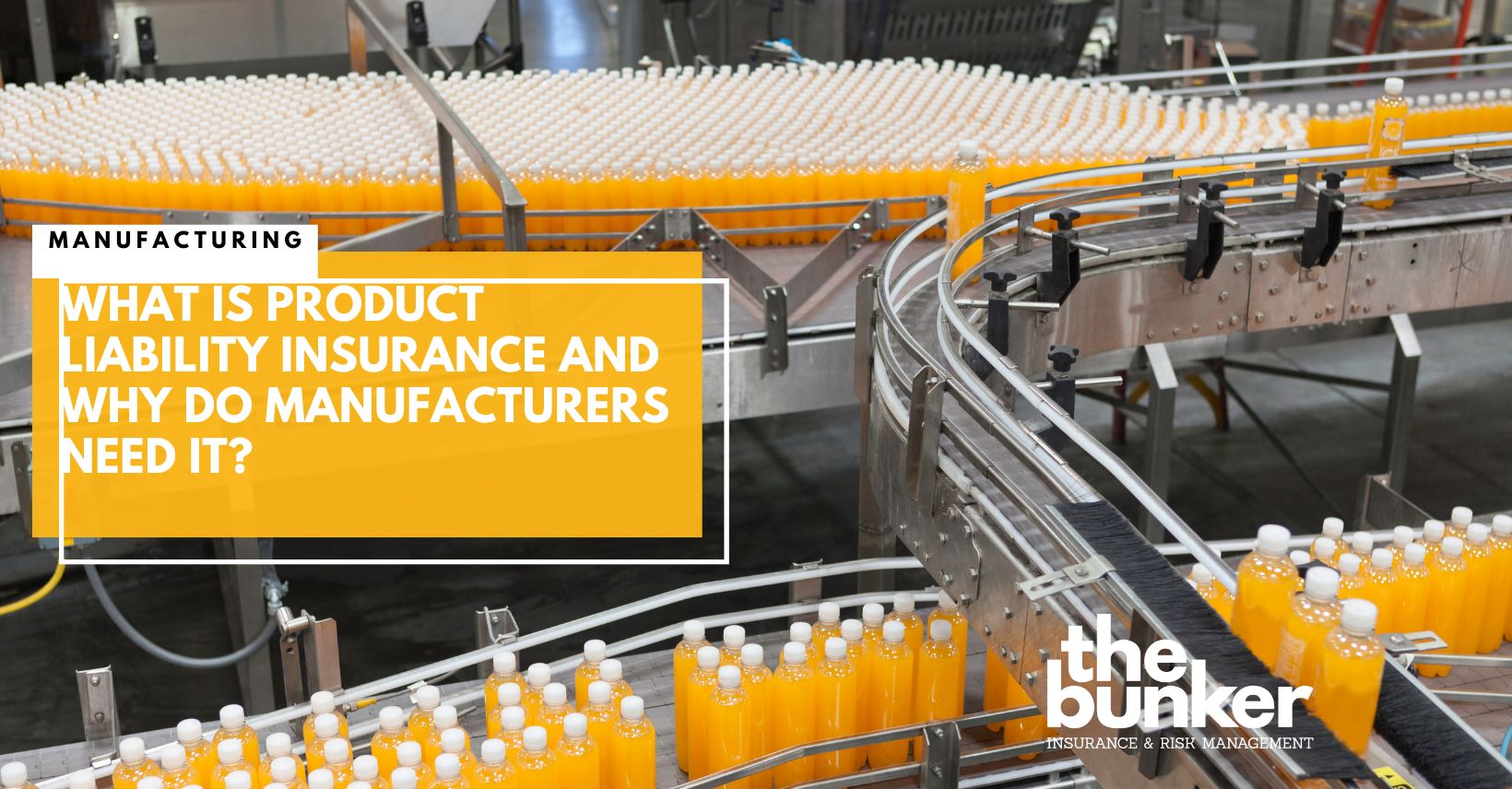
Manufacturing facilities host operational environments distinct from traditional office spaces. Plant floors, fabrication shops, processing units, and assembly lines involve heavy machinery, high-voltage equipment, automated robotics, automated conveyors, and chemical exposures. Despite strict safety protocols and automation advances, physical risk remains an inherent factor in industrial production.
Mitigating Occupational Hazards and Physical Strain
Machine operators, welders, assemblers, and maintenance technicians perform physically demanding tasks daily. Heavy lifting, repetitive movements, and extended periods on hard surfaces contribute significantly to musculoskeletal disorders, repetitive stress injuries, and sudden physical trauma.
When workers lack comprehensive health insurance, minor physical discomforts often go unaddressed until they manifest as debilitating conditions requiring emergency care or prolonged leave. Group health insurance provides early access to primary care, physical therapy, and diagnostic imaging. By addressing health concerns before they trigger critical injuries, manufacturers minimize severe medical claims and preserve workforce capacity.
Addressing Non-Occupational Illnesses and Chronic Conditions
While workplace safety programs focus on preventing job-site incidents, non-occupational health conditions—such as cardiovascular disease, diabetes, and respiratory ailments—pose severe operational threats. Factory shifts require endurance and focus; an unmanaged chronic condition impairs reaction time, increasing the probability of workplace accidents.
Comprehensive group health insurance gives team members access to prescription management, preventive screenings, and specialist care. Maintaining a healthy baseline across the workforce directly correlates with reduced safety incidents on the production floor.
Attracting and Retaining Skilled Trades in a Competitive Market
The manufacturing sector faces an ongoing deficit of skilled labor. Specialized roles—including CNC programmers, industrial electricians, tool-and-die makers, quality assurance technicians, and plant engineers—require extensive technical training. Modern manufacturers must compete not only with regional competitors but also with industries offering remote or flexible arrangements.
| Without Comprehensive Insurance | With Life & Health Insurance |
|---|---|
| - High turnover rate | - Increased job retention |
| - Expensive emergency recruiting | - Lower recruitment overhead |
| - Lost production capability | - Stable, skilled shop floor |
| - Low employee morale | - Enhanced union relations |
Overcoming the Skilled Labor Shortage
Mid-career tradespeople and younger technical graduates place high priority on total compensation packages. High-wage offerings without baseline health coverage and life insurance are often rejected by high-performing technicians seeking long-term security.
Offering employer-sponsored health coverage alongside term or whole life insurance signals organizational stability. It demonstrates that management values worker well-being, transforming an enterprise into an employer of choice in regional industrial hubs.
Lowering Recruitment and Onboarding Expenses
Replacing a skilled manufacturing worker involves significant capital expenditure. The cost of recruiting, background checks, drug screening, safety certifications, and machine-specific onboarding can reach thousands of dollars per employee. High turnover disrupts line efficiency, lowers output quality, and increases defect rates.
Providing robust life and health benefits significantly curbs voluntary turnover. Workers are less likely to transition to competing machine shops or processing plants over minor wage differences when their families depend on comprehensive medical networks and life coverage.
Safeguarding Business Continuity and Productivity
Unplanned downtime is among the most expensive operational failures in manufacturing. Equipment left unmanned due to worker absence stalls production pipelines, causes bottlenecking, and threatens delivery schedules for major customer orders.
Reducing Absenteeism and Presenteeism
Absenteeism directly reduces daily plant output. Presenteeism—where employees work while unwell or injured—is equally damaging. A worker operating heavy stamping presses, saws, or forklifts while compromised by illness or unmanaged pain poses an immediate safety risk to themselves and co-workers.
Health insurance coverage grants workers access to urgent care, tele-health services, and mental health support. Timely care allows employees to recover fully before returning to physical duties, ensuring that the personnel operating equipment are fit for duty.
Providing Financial Security Through Group Life Insurance
Group life insurance serves as an essential financial backstop for an industrial workforce. In the event of a tragic off-duty accident, terminal illness, or fatal workplace incident, life insurance guarantees financial assistance to the worker's surviving dependents.
- Basic Group Term Life: Typically funded by the employer, offering coverage equal to one or two times the employee’s annual earnings.
- Voluntary Supplemental Life: Allows team members to purchase additional protection at group-discounted premium rates without rigorous medical underwriting.
- Accidental Death and Dismemberment (AD&D): Provides specific lump-sum payouts for catastrophic loss of limb, eyesight, or accidental death on or off the clock.
This safety net alleviates acute financial anxiety for workers who support families, fostering a focused work environment and strengthening company loyalty.
Key Differences: Group Health Insurance vs. Workers' Compensation
A common misconception among business owners is that statutory workers' compensation renders commercial group health insurance redundant. In reality, these two forms of coverage perform entirely different functions within an industrial risk management strategy.
| Feature | Workers' Compensation | Group Health & Life |
|---|---|---|
| Triggering Event | On-the-job injury/illness | Non-work medical needs |
| Fault/Liability | No-fault statutory benefit | Standard plan design |
| Coverage Scope | Medical costs + lost wages | Doctor visits, RX, care |
| Life Insurance Element | Death benefits if workplace | Independent term/whole |
Coverage Scope and Intent
Workers' compensation is a mandatory statutory insurance covering medical treatment, rehabilitation, and partial lost wages exclusively for injuries or illnesses sustained in the course of employment.
Group health insurance covers the broad spectrum of non-occupational medical requirements: seasonal illnesses, chronic condition management, emergency surgeries, preventive wellness exams, pediatric care for dependents, and prescription medications.
Managing Overlapping Claims and Disability Benefits
Relying solely on workers' compensation leaves workers unprotected against non-work-related health crises. If an employee suffers a serious non-occupational injury or medical diagnosis and lacks group health and disability insurance, they face severe financial hardship.
Integrating group health with short-term disability (STD) and long-term disability (LTD) ensures continuous income replacement and medical care access regardless of where an injury or illness occurs, protecting the employer from liability disputes regarding injury causation.
Structuring Comprehensive Coverage: Plan Options and Comparison
Manufacturing leaders must select insurance structures that balance budget constraints with meaningful protection for shop-floor and managerial staff.
| Coverage Model | Primary Components | Operational Best Used For | Employer Cost Impact | Employee Value |
|---|---|---|---|---|
| High-Deductible Health Plan (HDHP) + HSA | Lower premiums, high deductible paired with Health Savings Account | Tech-savvy, younger workforces; baseline protective coverage | Low to Moderate | Moderate (Requires out-of-pocket cash reserve) |
| Preferred Provider Organization (PPO) | Broad specialist access, no referral mandatory, nationwide network | Skilled trade workforces, multi-state plant locations | Moderate to High | High (Maximum flexibility in choosing doctors) |
| Health Maintenance Organization (HMO) | Local network, primary care physician directed, lower copays | Concentrated local production facilities | Controlled / Predictable | Moderate to High (Low out-of-pocket predictable costs) |
| Group Term Life + AD&D Rider | Lump-sum death benefit, accidental loss coverage | Universal application across all manufacturing staff | Low | High (Crucial family protection at minimal cost) |
| Integrated Disability & Health Bundle | Combined health, short-term/long-term disability, and term life | High-intensity manufacturing environments (automotive, steel, chemical) | Comprehensive / High | Exceptional (Full financial security pipeline) |
Financial and Regulatory Advantages for Manufacturing Leaders
Investments in employee life and health benefits yield tangible financial returns through tax benefits and regulatory compliance.
Tax Deductibility of Employer-Sponsored Premiums
Under the Internal Revenue Code (such as Sections 106 and 162), employer contributions toward employee group health and life insurance premiums are generally 100% tax-deductible as reasonable business expenses.
Furthermore, when health insurance plans are structured through a Section 125 Cafeteria Plan, employee contributions are deducted on a pre-tax basis. This lowers the employer's payroll tax liabilities, including Federal Insurance Contributions Act (FICA) payments, partially offsetting program overhead costs. Detail on tax-qualified arrangements can be confirmed directly via official guidance from the Internal Revenue Service.
Compliance Requirements and Mandates
Under the Affordable Care Act (ACA), manufacturers classified as Applicable Large Employers (ALEs)—generally those with 50 or more full-time equivalent (FTE) employees—must offer affordable health coverage that provides minimum value to full-time staff. Failure to meet these criteria exposes employers to employer shared responsibility payments.
Providing compliant health and life insurance plans protects the company from costly regulatory penalties while upholding organizational integrity. Up-to-date labor force classifications and workforce statistics can be cross-checked through the U.S. Bureau of Labor Statistics.
Frequently Asked Questions
Why isn't workers' compensation insurance sufficient for plant employees?
Workers' compensation strictly covers injuries and illnesses that occur directly as a result of employment activities. It does not pay for non-occupational illnesses, general doctor visits, pediatric care for dependents, chronic disease management, or routine prescriptions. Group health insurance covers these personal medical needs, keeping workers healthy overall.
How does group life insurance protect a manufacturing business?
Group life insurance protects the families of employees by providing financial payouts upon an employee's death. From an operational perspective, offering life insurance increases worker morale, improves retention, and demonstrates organizational commitment. It can also include key-person life coverage to protect the enterprise from financial loss if a critical plant operator or engineer passes away.
Are employer contributions to team life and health insurance tax-deductible?
Yes. Employer-paid premiums for group health plans and standard group term life insurance (up to $50,000 of coverage per employee under IRS regulations) are deductible operating expenses. Pre-tax payroll deductions under cafeteria plans also lower total taxable payroll for FICA calculations.
Can small manufacturing plants afford group health and life policies?
Yes. Small manufacturers can join small group purchasing trusts, Multiple Employer Welfare Arrangements (MEWAs), or leverage association health plans through regional manufacturing alliances. These structures pool purchasing power across multiple small facilities to secure competitive premium rates.
What is the risk of offering only high-deductible plans to industrial workers?
High-deductible plans lower employer premium payments, but if out-of-pocket deductibles are set too high for hourly production workers, employees may delay vital care or medical visits. This delay can allow minor physical issues to escalate into severe health crises or workplace accidents. Offering paired Health Savings Accounts (HSAs) with employer contributions helps balance this risk.
How do preventive health benefits lower factory floor accidents?
Preventive benefits enable early detection of issues like high blood pressure, diabetes, failing eyesight, or chronic fatigue. When employees actively manage these baseline health factors, their reaction times, spatial awareness, and stamina improve, lowering the incidence of errors around industrial machinery.
Strategic Implementation Guidelines for Manufacturers
To implement an effective, cost-efficient life and health benefits program, manufacturing leadership should take the following actions:
- Conduct a Risk and Demographic Audit: Evaluate the median age, physical demands, and dependent needs of your shop-floor and management teams to determine appropriate coverage types (PPO, HMO, HDHP with HSA).
- Bundle Life and Health Coverages: Combine group health, vision, dental, disability, and term life policies with a single insurer to capture multi-line administrative discounts.
- Integrate Occupational Safety with Wellness Programs: Pair health coverage with workplace ergonomic assessments, occupational physical therapy, and routine on-site health screenings to reduce both health insurance claims and workers' compensation exposures.
- Partner with Specialized Commercial Brokers: Work with benefits brokers experienced in industrial risks who understand union rules, shift-work dynamics, and manufacturing compliance guidelines.
Image Gallery