Disaster Cleanup and Mold Remediation in Emmett, Idaho
Property owners in Emmett, Idaho dealing with storm flooding, broken pipes, or long-term moisture accumulation require specialized disaster cleanup and mold remediation to restore structural integrity and ensure indoor air quality. Pro...
Property owners in Emmett, Idaho dealing with storm flooding, broken pipes, or long-term moisture accumulation require specialized disaster cleanup and mold remediation to restore structural integrity and ensure indoor air quality. Professional remediation relies on standardized industry protocols—encompassing rapid water extraction, structural drying, high-efficiency particulate air (HEPA) containment, and EPA-registered antimicrobial treatments—to safely eliminate fungal growth tailored to Gem County's specific environmental conditions.
Contents
Environmental and Structural Moisture Risks in Emmett, Idaho
Emmett, located in the Payette River Valley of Gem County, presents a distinct combination of geographic and climate factors that contribute to property water damage and subsequent fungal growth. The city experiences broad seasonal temperature variations, ranging from sub-freezing winter temperatures to hot, dry summer months. These sharp seasonal shifts create recurring structural challenges for both residential and commercial structures throughout the region.
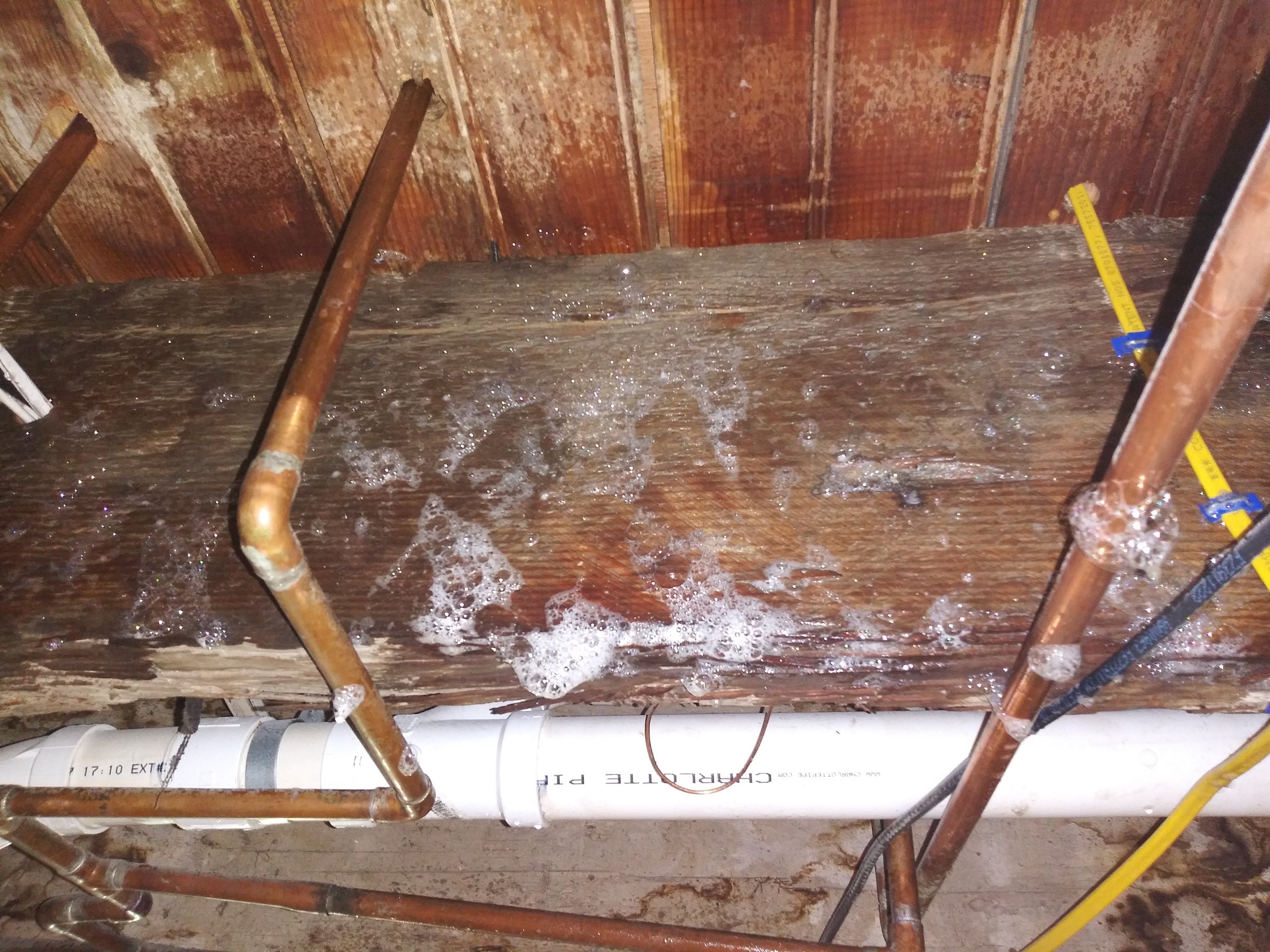
Winter freeze-thaw cycles frequently lead to burst pipes, frozen pressure relief valves, and ice damming along rooflines. When uninsulated or under-insulated plumbing in attics, exterior walls, or crawl spaces freezes, high hydraulic pressure can rupture supply lines. Rapid thawing allows hundreds of gallons of water to discharge into wall cavities and subflooring before discovery, setting the stage for rapid microbial propagation.
Emmett Moisture Risk Factors
- Winter Freeze-Thaw: Pipe ruptures & ice damming
- Payette River Basin: High water table & spring runoff
- Unencapsulated Soil: Moisture evaporation into floor joists
- Irrigation Canals: Hydrostatic pressure on foundations
Furthermore, Emmett's proximity to the Payette River and extensive agricultural irrigation canal network elevates local water tables during spring runoff and irrigation season. Properties with shallow foundations, unencapsulated dirt crawl spaces, or inadequate perimeter grading experience severe hydrostatic pressure. Ground moisture migrates upward through concrete footings and exposed dirt via capillary action (often termed "rising damp"), creating sustained relative humidity (RH) levels inside crawl spaces above 70%. Fungal spores, which remain dormant in low-moisture environments, germinate rapidly when indoor RH continuously exceeds 60% or when porous building materials reach a moisture content above 16% to 19%.
Distinguishing Disaster Cleanup from Mold Remediation
While emergency disaster cleanup and mold remediation often occur sequentially during property restoration, they are distinct disciplines governed by separate professional standards established by the Institute of Inspection, Cleaning and Restoration Certification (IICRC).
- Emergency Disaster Cleanup (IICRC S500)
- Rapid Standing Water Extraction
- Debris Removal & Categorization
- High-Capacity Structural Dehumidification
- If moisture remains >48 Hours:
- Mold Remediation (IICRC S520)
- Physical HEPA Containment & Negative Pressure
- Controlled Selective Demolition of Porous Media
- HEPA Vacuuming, Bio-Washing & Encapsulation
- Mold Remediation (IICRC S520)
Emergency Disaster Cleanup (IICRC S500 Standard)
Disaster cleanup primarily addresses acute events such as river flooding, sewer backups, roof collapses, or major plumbing failures. The primary goal of emergency cleanup is rapid stabilization. This phase involves:
- Physical extraction of standing liquid water using high-volume truck-mounted or portable pumps.
- Removal of non-salvageable wet debris and heavily contaminated items.
- Classification of water intrusion into Category 1 (clean water), Category 2 (grey water with chemical/biological contamination), or Category 3 (black water containing unsanitary agents like sewage or floodwaters).
- Deployment of industrial low-grain refrigerant (LGR) dehumidifiers and high-velocity axial air movers to lower the moisture content of structural framing members.
Professional Mold Remediation (IICRC S520 Standard)
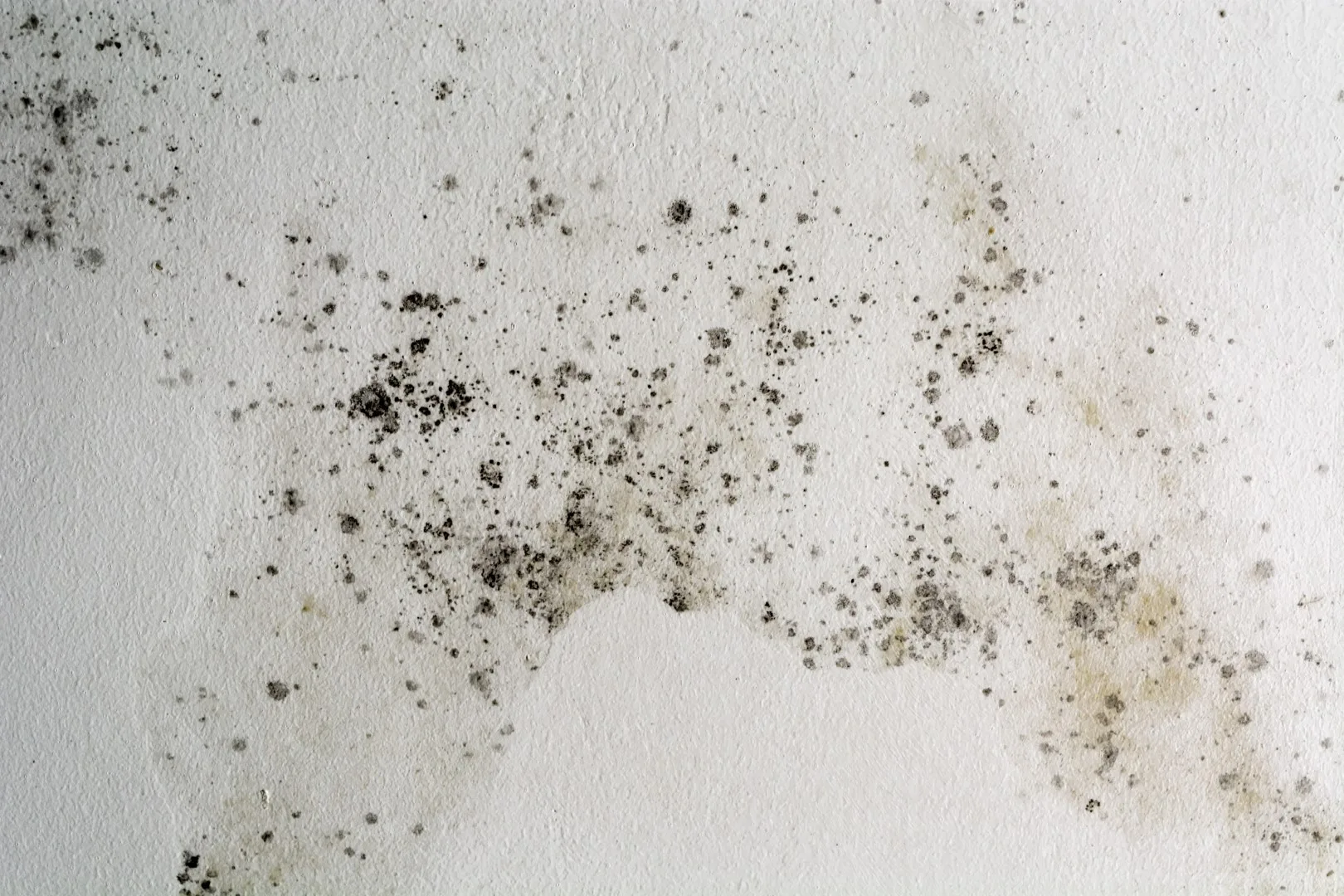
When water intrusion is left unmitigated for 24 to 48 hours, dormant fungal spores germinate on organic substrates such as drywall paper facing, plywood subflooring, and wooden ceiling joists. Mold remediation transitions the scope from bulk drying to hazardous material containment and removal:
- Containment: Constructing physical barriers using 6-mil polyethylene sheeting under negative air pressure to prevent cross-contamination of unimpacted living areas.
- Controlled Demolition: Systematically removing non-restorable porous building materials (e.g., wet drywall, fiberglass insulation, carpet padding) under engineering controls.
- Microbial Removal: Physically removing fungal hyphae and spores from semi-porous and non-porous surfaces via HEPA vacuuming, mechanical abrasion (such as wire brushing or media blasting), and surface bio-washing using EPA-registered disinfectants.
The Step-by-Step Remediation Workflow in Gem County
Professional restoration contractors operating in Emmett adhere to a rigorous, multi-stage remediation workflow to ensure structural safety and compliance with indoor air quality recommendations.
1. Initial Assessment and Moisture Mapping
Technicians conduct a comprehensive physical inspection utilizing specialized diagnostic tools:
- Pin and Pinless Moisture Meters: Measure the exact moisture content percentage (%MC) inside drywall, subfloors, and framing lumber.
- Thermal Imaging (Infrared) Cameras: Identify hidden moisture plumes behind structural walls and beneath floor coverings by detecting micro-temperature differentials caused by evaporative cooling.
- Thermo-Hygrometers: Measure ambient air temperature, relative humidity, and dew point to calculate specific humidity (grains per pound) and evaluate drying dynamics.
2. Engineering Controls and Containment Isolation
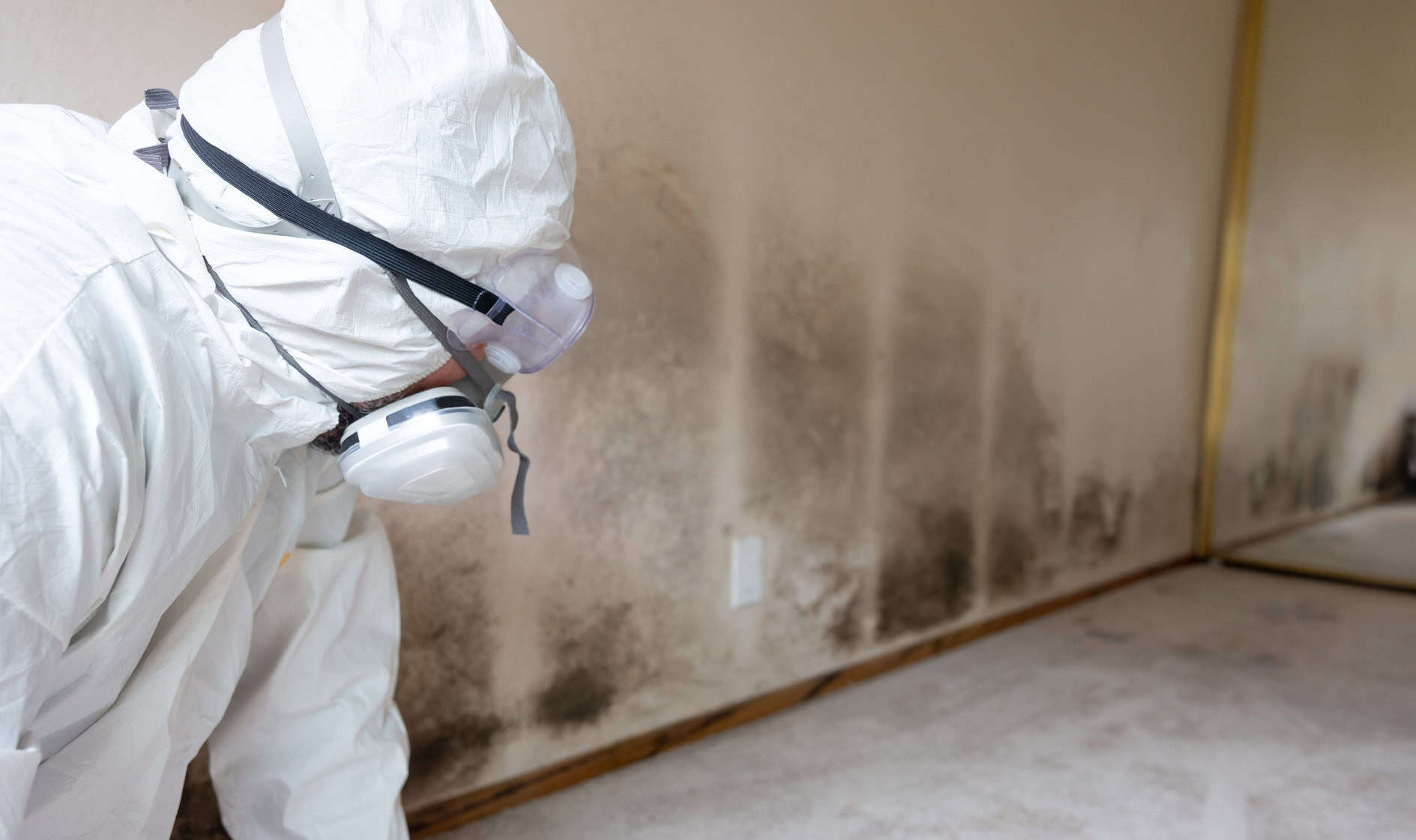
Before disturbing mold-affected materials, technicians establish physical containment zones. Critical barriers seal off HVAC supply and return vents, doorways, and windows.
Negative Air Machines (NAMs) equipped with true HEPA filtration (capable of capturing 99.97% of particles down to 0.3 microns) draw air from inside the containment zone and exhaust it outside the structure. This continuous negative pressure differential prevents fungal spores, mycotoxins, and volatile organic compounds (VOCs) from escaping into clean spaces during active remediation.
- Unaffected Home
- Contained Work Zone
- HEPA Air Scrubber / NAM
- Outside Exhaust
3. Material Removal and Mechanical Cleaning
Porous materials with heavy fungal colonization—such as paper-faced gypsum board, acoustic ceiling tiles, and standard carpet padding—cannot be fully sanitized and must be removed. Technicians mist these materials with fine water droplets or containment tackifiers prior to cutting to minimize airborne spore dispersion. Damaged items are sealed inside double 6-mil heavy-duty bags before being transported through uncontained zones.
Semi-porous and non-porous structural elements (dimensional lumber framing, concrete foundations, subfloor OSB) undergo physical cleaning:
- HEPA Vacuuming: Primary pass to remove loose surface spores and hyphae.
- Agitation: Mechanical wire brushing or orbital sanding to strip embedded root structures (rhizoids) from wood grains.
- Washing: Application of EPA-registered fungicidal or antimicrobial solutions formulated for specific mold species.
- Secondary HEPA Vacuuming: Final capture of dislodged particulate matter.
4. Structural Drying and Clearance Verification
Once physical mold removal is complete, industrial LGR dehumidifiers lower the moisture content of remaining structural framing to safe baseline levels (typically below 12% to 15% MC in southwest Idaho).
After moisture stabilization, an independent third-party Indoor Environmental Professional (IEP) or certified industrial hygienist often conducts clearance testing. This involves taking airborne spore trap samples inside the containment zone and comparing them to outdoor control samples. Remediation is declared successful when indoor spore counts are lower than outdoor background levels and dominant pathogenic species (such as Stachybotrys chartarum or Aspergillus/Penicillium) are absent or within acceptable environmental baselines.
Technical Comparison of Water Intrusion Categories & Remediation Needs
Understanding the severity of water damage helps property owners anticipate the equipment, timeline, and professional scope necessary for structural restoration:
| Water Loss Category / Class | Environmental Risk Level | Primary Contaminants Involved | Standard Remediation Equipment Required | Average Drying & Remediation Window |
|---|---|---|---|---|
| Category 1 / Class 1 (Clean Water, Minimal Absorption) | Low risk of immediate microbial growth if mitigated within 24 hours. | Clean tap water from broken supply lines or appliance overflows. | Axial air movers, standard LGR dehumidifiers, pinless moisture meters. | 24 to 72 Hours |
| Category 2 / Class 2 (Grey Water, Moderate Absorption) | Moderate biological risk; high risk of mold growth after 48 hours. | Washing machine discharge, dishwasher overflow, sump pump failure. | Structural air movers, LGR dehumidifiers, EPA-registered sanitizers, deep extraction units. | 3 to 5 Days |
| Category 3 / Class 3 (Black Water, Fast Evaporation / Deep Intrusion) | High biological and pathogenic hazard; rapid fungal propagation. | Sewage backups, Payette River floodwater, surface runoff entering structure. | HEPA air scrubbers, desiccant dehumidifiers, full PPE, antimicrobial washing, subfloor extraction. | 5 to 10+ Days |
| Condition 3 Fungal Growth (Active Mold Contamination) | High indoor air quality hazard; potential allergen and mycotoxin exposure. | Stachybotrys, Aspergillus, Cladosporium, Penicillium species. | Negative air machines (NAMs), 6-mil poly containment, HEPA vacuums, media blasters, encapsulants. | 4 to 7 Days (Scope dependent) |
Financial Planning, Insurance Navigation, and Policy Limits
Navigating property insurance after a water disaster or mold discovery in Emmett requires a detailed understanding of policy coverage parameters, endorsements, and exclusion clauses.
Property Insurance Policy
- Sudden & Accidental Damage (e.g., Winter Pipe Rupture)
- Water Mitigation (Standard Limit up to Policy)
- Mold Remediation (Often Capped at $5,000 - $10,000)
- Excluded Losses
- River Flooding (Requires NFIP)
- Long-term Maintenance Neglect
- Seepage >14 Days
Standard Homeowners Insurance vs. Flood Insurance
Standard homeowners insurance policies (HO-3 forms) generally cover sudden and accidental water discharges—such as an indoor pipe burst during a January freeze or a sudden water heater rupture. However, standard policies explicitly exclude surface water flooding originating from outside the home, such as seasonal overflow from the Payette River or regional street runoff. Coverage for exterior flood events requires a separate policy underwritten by the National Flood Insurance Program (NFIP) or a private flood insurance carrier.
Mold Endorsement Caps
Even when mold stems directly from a covered water loss, standard property policies typically impose strict sub-limits on mold remediation. In Idaho, these standard sub-limits often cap coverage between $5,000 and $10,000 total for testing, containment, structural removal, and air purification. Property owners can purchase expanded mold endorsements prior to a loss to raise these sub-limits to $25,000 or higher.
Documentation Requirements for Claims Adjusters
To maximize claim authorization and minimize out-of-pocket expenses, property owners must maintain detailed documentation:
- Immediate Notification: Report the water loss to the insurance carrier immediately upon discovery.
- Moisture Logs: Request complete psychrometric logs and moisture reading reports from the restoration contractor to prove the timeline of drying efforts.
- Itemized Inventory: Photograph and catalogue all non-salvageable personal belongings and structural components prior to disposal.
- Proof of Preventative Maintenance: Retain records showing that plumbing, roofing, and HVAC systems were kept in good working order to counter claims of continuous seepage or owner neglect.
Long-Term Mold Prevention for Gem County Properties
Resolving an active mold contamination is only half the battle; preventing recurrence requires managing structural moisture dynamics specific to Emmett's climate and building styles.
Crawl Space Encapsulation and Vapor Barriers
A vast number of homes in Emmett are constructed over crawl space foundations with exposed soil bottoms. Soil naturally releases water vapor through evaporation. Installing a minimum 12-mil or 20-mil fiber-reinforced polyethylene vapor barrier across the entire crawl space floor—sealed tightly up the foundation stem walls and around support piers—stops soil moisture migration. Encapsulating the crawl space, closing exterior foundation vents, and adding a dedicated dehumidification unit maintains relative humidity below 55% year-round.
Full Crawl Space Encapsulation System
- Stem Wall Sealer: Stem Wall
- Low-Profile Dehumidifier: Keep RH <55%
- Sealed 20-Mil Barrier: Earth / Soil
Foundation Grading and Drainage Infrastructure
Extending roof downspouts at least 5 to 6 feet away from the foundation footings prevents roof runoff from pooling along perimeter walls. Property owners should inspect exterior soil grading to ensure a downward slope of at least 6 inches over the first 10 feet away from the structure. In high-water-table areas near agricultural ditches or riverbanks, installing a perimeter interior or exterior French drain connected to a reliable sump pump system with battery backup prevents hydrostatic water intrusion into basements and crawl spaces.
Attic Ventilation and Insulation R-Values
During cold Idaho winters, warm, moist air from living spaces can rise into attics through unsealed ceiling penetrations (recessed lights, duct runs, attic hatches). When this moisture contacts cold roof sheathing, condensation forms, fostering Cladosporium or Aspergillus growth on the underside of roof decks. Property owners must balance continuous soffit-to-ridge attic ventilation with code-compliant insulation (such as R-49 or R-60 ceiling insulation) and seal all air leaks between the living quarters and the unconditioned attic space.
Frequently Asked Questions
How quickly does mold start growing after a flood or pipe break in Emmett?
Under optimal conditions—temperatures between 60°F and 80°F with organic food sources like drywall or wood—fungal spores can germinate and initiate hyphal growth within 24 to 48 hours of initial water contact. Rapid emergency water extraction and high-capacity dehumidification within this critical 48-hour window are essential to prevent secondary microbial growth.
Does standard homeowners insurance cover mold remediation costs in Idaho?
Standard policies generally cover mold remediation only if the mold directly resulted from a covered "sudden and accidental" peril, such as a burst supply line. If the mold stems from long-term deferred maintenance, unmitigated roof leaks, or continuous groundwater seepage, insurers usually deny the claim. Most covered claims are subject to policy mold caps, typically ranging from $5,000 to $10,000 unless extra coverage endorsements were purchased.
What technical certifications should I look for when hiring a restoration contractor?
Property owners should verify that restoration firms hold active certifications from the Institute of Inspection, Cleaning and Restoration Certification (IICRC). Key designations include:
- WRT: Water Damage Restoration Technician
- AMRT: Applied Microbial Remediation Technician
- ASD: Applied Structural Drying Technician
Contractors should also carry comprehensive general liability, professional liability, and contractor's pollution liability insurance specifically covering microbial hazards.
Can I clean up toxic black mold (Stachybotrys chartarum) on my own using bleach?
Bleach is generally ineffective for long-term remediation of mold on porous materials like drywall, plywood, and framing lumber. Household bleach consists primarily of water; the sodium hypochlorite active ingredient remains on the surface while the high water content penetrates deeper into the porous substrate, often feeding embedded fungal roots. Furthermore, disturbing active Stachybotrys colonies without containment and negative pressure releases dangerous spores and mycotoxins into indoor air spaces.
Why are dirt crawl spaces in Emmett particularly prone to persistent fungal issues?
Emmett's high groundwater tables—influenced by the Payette River basin and local agricultural irrigation networks—cause continuous moisture evaporation from unsealed dirt floors. This ground moisture rises directly into the subfloor, floor joists, and ductwork. Without a sealed vapor barrier or full encapsulation system, crawl space relative humidity frequently remains above the critical 60% threshold required for sustained mold propagation.
Recommended Next Actions
If your property has sustained water damage or exhibits signs of fungal growth (such as visible discoloration, musty odors, or unexplained allergy-like symptoms among occupants), follow these immediate steps:
- Safety First: Disconnect electrical power to affected areas if standing water is present. Avoid walking through Category 2 or Category 3 water without appropriate personal protective equipment (goggles, N95/P100 respirators, nitrile gloves, and rubber boots).
- Stop the Water Source: Immediately shut off the main water valve if dealing with a plumbing break, or repair structural breaches to prevent ongoing water entry.
- Schedule a Certified Inspection: Contact an IICRC-certified restoration firm to perform professional moisture mapping, thermal imaging, and air/surface sampling.
- Notify Your Insurance Carrier: File a prompt claim notification and request written approval before authorizing non-emergency structural demolition.
- Control Humidity: If safe to do so, run local air conditioning or portable dehumidifiers to maintain ambient relative humidity below 50% while awaiting professional remediation crews.
Image Gallery