Bears at Whipsnade Zoo: Visitor Guide, Species, Enclosures, and History
ZSL Whipsnade Zoo in Bedfordshire has a rich history of housing bears within expansive, naturalistic habitats designed to simulate native wilderness. Visitors planning a visit can observe European brown bears, explore historical zoo ar...
ZSL Whipsnade Zoo in Bedfordshire has a rich history of housing bears within expansive, naturalistic habitats designed to simulate native wilderness. Visitors planning a visit can observe European brown bears, explore historical zoo architecture, learn about ZSL's international conservation work, and navigate the zoo's vast 600-acre parkland on foot or by vehicle.
Contents
Overview of Bear Species and Habitats at Whipsnade Zoo
ZSL Whipsnade Zoo, managed by the Zoological Society of London (ZSL), is the largest zoo in the United Kingdom. Spanning 600 acres on the Chiltern Hills near Dunstable, Bedfordshire, the zoo's defining philosophy since its founding has been providing expansive outdoor spaces for large mammal species. Among its most iconic residents are its bears, primarily represented in recent history by the European brown bear (Ursus arctos arctos).
Unlike traditional urban zoos where carnivores were historically restricted to cramped concrete cages, Whipsnade was designed from its inception in 1931 as an open-air conservation park. The bear habitats at Whipsnade reflect this ethos, featuring large woodland paddocks with natural soil substrates, mature trees, climbing logs, deep bathing pools, and natural foraging terrain.
| Whipsnade Bear Habitat Features |
|---|
| Natural soil & grassy substrate for digging and foraging |
| Freshwater bathing pools for swimming and thermoregulation |
| Elevated timber structures and mature trees for climbing |
| Off-exhibit denning areas for privacy and winter torpor |
| Secure perimeter fencing and viewing platforms for visitors |
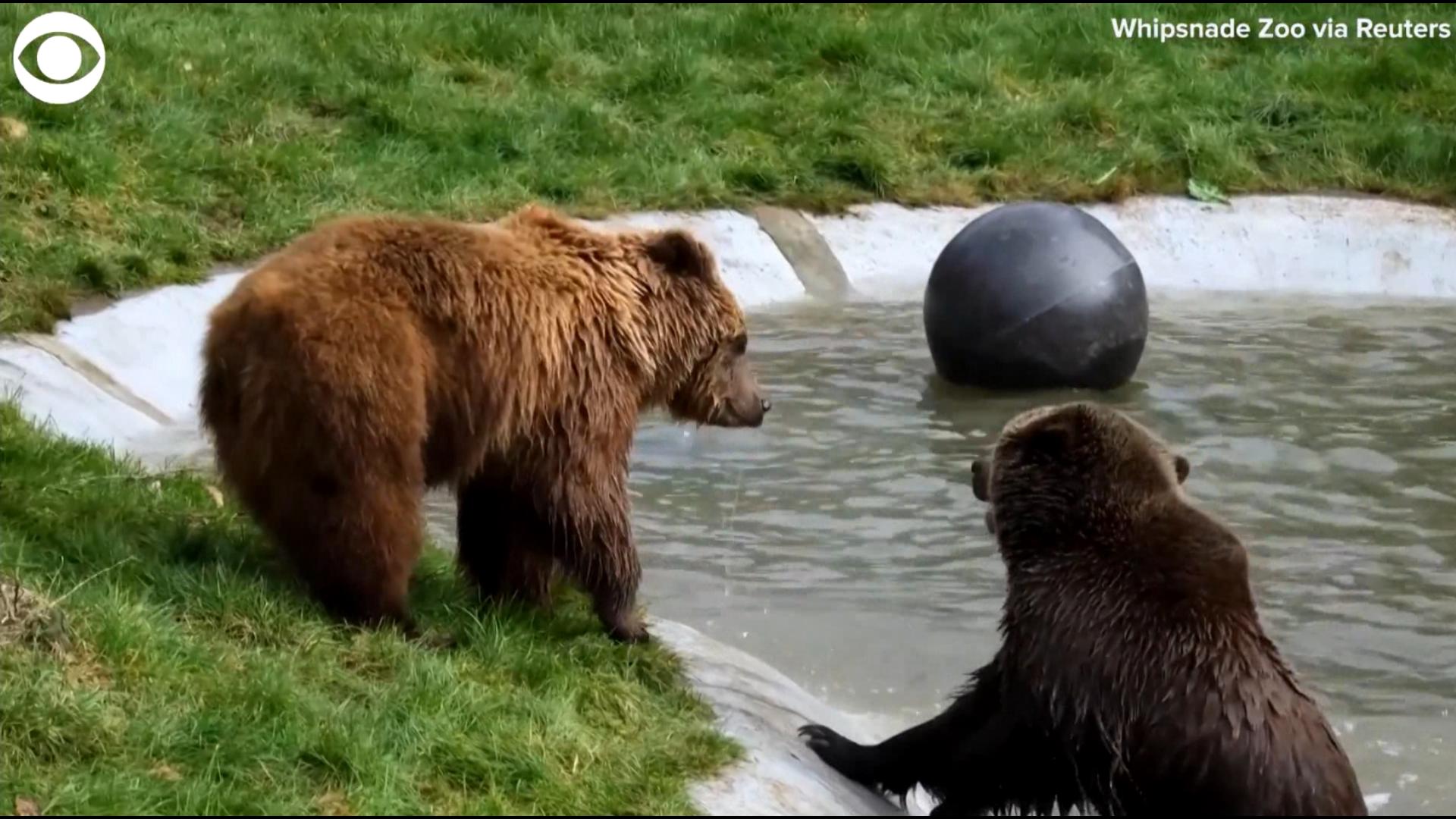
The primary species featured at the park, the European brown bear, is a powerful omnivore historically native to the British Isles and mainland Europe. In the wild, brown bears occupy habitats ranging from boreal forests to alpine meadows. At Whipsnade, the enclosure environment is enriched to encourage natural behaviors such as digging for roots, scratching bark, hunting for hidden food items, and swimming during warm summer months.
Historical Architecture: From the Lubetkin Bear Pit to Modern Habitats
The history of bear keeping at Whipsnade Zoo offers a fascinating window into the evolution of modern zoological design and animal welfare standards.
The Historic 1933 Tecton Bear Pit
When Whipsnade opened in 1931, ZSL commissioned the renowned avant-garde architectural practice Tecton, led by Russian-born architect Berthold Lubetkin, to design several key animal enclosures. Completed in 1933, the Whipsnade Bear Pit became one of the most famous examples of Modernist architecture in Britain.
- Design Features: The pit featured clean geometric lines, spiral concrete ramps, a central circular platform, and stark white reinforced concrete walls. It was intended to showcase animals clearly against an uncluttered, modern background.
- Architectural Significance: The structure received widespread acclaim in architectural circles and was later designated as a Grade II listed building due to its historic importance to Modernist design.
- Welfare Shift: While revolutionary for its aesthetic appeal in the 1930s, the concrete pit eventually fell out of favor as veterinary science and animal welfare research advanced. Smooth concrete surfaces did not allow for natural digging, scent marking, or psychological stimulation required by large carnivores.
The Transition to Naturalistic Immersion Habitats
By the late 20th century, ZSL permanently retired the concrete Bear Pit from housing live animals. The structure remains preserved today as an architectural heritage site within the park grounds.
In its place, Whipsnade constructed expansive, naturalistic enclosures surrounded by heavy perimeter fencing and elevated wooden viewing decks. These modern enclosures prioritize animal welfare by providing:
- Complex Topography: Mounded earth, natural hollows, and dense vegetation that allow animals to choose between public visibility and retreat.
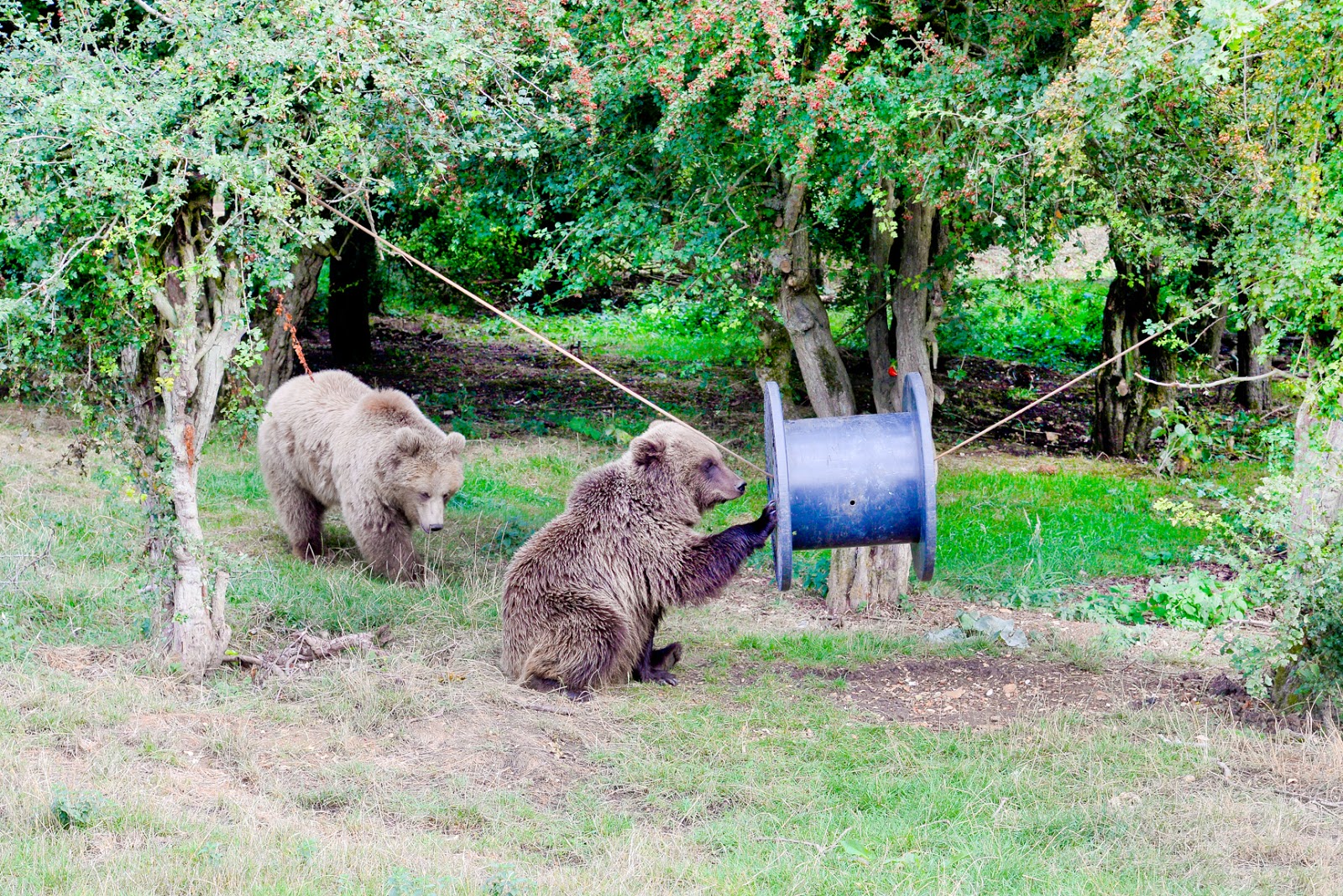
- Environmental Enrichment: Heavy logs, boulders, and deep mulch zones where keepers hide foods such as nuts, seeds, fruits, and insects to stimulate cognitive foraging.
- Behavioral Choice: Access to indoor sleeping dens and outdoor paddocks, allowing bears to manage their exposure to ambient temperature, sunlight, and human crowds.
Daily Routines, Behavior, and Seasonal Patterns
Understanding bear behavior enhances the visitor experience, as these large mammals exhibit distinct seasonal routines driven by their biology.
- SPRING
- High activity
- Foraging & play
- SUMMER
- Swimming, sunning
- Shaded resting
- AUTUMN
- Hyperphagia phase
- Heavy feeding
- WINTER
- Torpor / Rest
- Reduced activity
Seasonal Cycles: Hyperphagia and Winter Torpor
European brown bears undergo significant physiological shifts throughout the year:
- Spring (March – May): As ambient temperatures rise, bears become active after winter sluggishness. They spend considerable time roaming their paddock, stretching muscles, and foraging on young spring vegetation and fresh browse provided by keepers.
- Summer (June – August): During hot summer days, bears frequently utilize their bathing pools to regulate body temperature. Visitors often see them swimming, splashing, or resting under the shade of mature oak and pine trees during the hottest afternoon hours.
- Autumn (September – November): This period marks the onset of hyperphagia—a biological state where bears experience an intense urge to consume large quantities of calories to build fat reserves for winter. Keepers increase calorie-dense rations, including oily fish, nuts, apples, and root vegetables.
- Winter (December – February): While brown bears in temperate zoo environments do not undergo deep arctic hibernation, they enter a state of torpor (dormancy). Their metabolic rate slows, and they spend significantly more time sleeping inside indoor dens, emerging less frequently into the outdoor paddock.
Enrichment and Keeper Presentations
To prevent boredom and encourage wild behaviors, Whipsnade's carnivore keeping team implements daily behavioral enrichment programs:
- Scatter Feeding: Food is scattered across wide areas or hidden inside hollow logs, hanging burlap sacks, or frozen ice blocks.
- Scent Marking Signals: Keepers introduce novel scents—such as spices, herb extracts, or animal wool—around the habitat to stimulate territorial investigation and sniffing.
- Educational Talks: Daily scheduled keeper talks take place near the viewing platform (subject to daily zoo timetables), where staff explain bear biology, individual animal personalities, and ZSL’s global conservation projects aimed at protecting threatened carnivore species in the wild.
Practical Guide for Visitors: Reaching and Viewing the Bears
Because Whipsnade Zoo is spread across 600 acres, planning your walking or driving route is essential to make the most of your visit.
Navigating to the Bear Enclosure
The bear habitat is located within the main walking loop of the park, accessible via several transit options:
- On Foot: Walking from the main visitor hub and entrance plaza takes approximately 15 to 20 minutes along paved, accessible footpaths. The route takes visitors past other European and Asian species exhibits.
- Drive-Through Access: Whipsnade is unique among major UK zoos in allowing visitors to drive their personal vehicles inside the park grounds (an additional car entry fee applies). Drivers can park in designated parking zones positioned near major animal habitats, including the bear view points.
- Whipsnade Safari Bus: A complimentary (or hop-on/hop-off) internal bus service runs regularly around the park perimeter, dropping visitors at designated stops near the carnivore exhibits.
- Great Whipsnade Railway: The park’s famous steam train travels past large paddocks housing Asian elephants, rhinos, and wild camels, but does not pass directly through the carnivore enclosures for safety reasons.
Accessibility and Facilities
- Terrain: The footpaths surrounding the bear exhibit are paved or composed of compacted gravel, suitable for wheelchairs, mobility scooters, and double pushchairs.
- Viewing Decks: Raised wooden platforms feature toughened safety glass panels and wire mesh viewing windows, providing clear sightlines for children and visitors using wheelchairs.
- Restrooms and Catering: The nearest refreshment kiosks and accessible toilet facilities are located at the nearby visitor hubs along the main perimeter track.
Summary Comparison: Viewing Options and Visitor Logistics
The following table summarizes key operational details for planning a visit to see the bears and surrounding exhibits at ZSL Whipsnade Zoo:
| Aspect / Feature | Details and Specifications | Visitor Tip & Recommendation |
|---|---|---|
| Primary Species | European Brown Bear (Ursus arctos arctos) | Visit during spring or early autumn for peak physical activity. |
| Location in Park | Passage through Europe / Main Walking Loop | Combine your view of the bears with nearby European species exhibits. |
| Best Viewing Times | Morning (10:00 AM – 11:30 AM) & Late Afternoon | Bears are most active during morning scatter feedings and late afternoon. |
| Access Method | Walking, Drive-in vehicle entry, or Free Safari Bus | Drive-in car tickets are ideal for visitors with reduced mobility. |
| Path Surface | Asphalt, compacted gravel, raised timber decks | Fully wheelchair and pushchair accessible throughout viewing areas. |
| Historic Landmark | 1933 Grade II Listed Tecton Concrete Bear Pit | Located near central grounds; viewable from exterior walking paths. |
| Conservation Body | Zoological Society of London (ZSL) | Check daily timetable at entrance for keeper talk schedules. |
FAQs: Frequently Asked Questions
What species of bear are at ZSL Whipsnade Zoo?
ZSL Whipsnade Zoo historically and traditionally houses European brown bears (Ursus arctos arctos). These large omnivores are native to European forests and mountain ranges. The zoo's naturalistic outdoor paddocks provide an ideal environment for showcasing their natural behaviors, from swimming to foraging.
Can you drive your car directly past the bear enclosure?
Yes, you can park near the bear enclosure using Whipsnade's drive-in access service. While you cannot drive inside the bear paddock itself for obvious safety reasons, purchasing a car entry pass allows you to park in designated roadside spaces right alongside the bear exhibit viewing zones.
Are the bears at Whipsnade Zoo visible during the winter?
Bears are visible in winter, but their activity levels are significantly reduced. European brown bears enter a period of winter torpor (dormancy) during colder months. While they are not in full hibernation and may emerge on warmer winter days to feed or drink, they spend considerably more time inside their sheltered sleeping dens.
What is the historic Whipsnade Bear Pit, and can visitors still see it?
The Whipsnade Bear Pit is a landmark 1933 Modernist concrete structure designed by Berthold Lubetkin and the Tecton Group. While it is no longer used to house animals due to modern animal welfare standards, the structure remains preserved as a Grade II listed architectural site that visitors can view while exploring the historic central grounds.
How long does it take to walk from the main entrance to the bears?
Walking from the main entrance visitor center to the bear enclosure takes approximately 15 to 20 minutes at a standard pace along gentle, paved footpaths. Visitors with mobility constraints can use the internal Safari Bus service or purchase a drive-in vehicle pass to park closer to the enclosure.
Practical Recommendations for Your Visit
To maximize your experience when visiting the bears at ZSL Whipsnade Zoo, consider the following actionable steps:
- Book Tickets in Advance: Purchase your entry tickets online prior to your visit. ZSL offers discounted advance booking options, and reserving car entry passes in advance ensures vehicle access on high-demand weekends.
- Time Your Visit Around Keeper Talks: Upon arrival, check the daily schedule on the ZSL Whipsnade app or entrance boards. Plan to arrive at the bear enclosure 10 to 15 minutes before scheduled keeper presentations to secure a clear spot at the viewing windows.
- Pack Weather-Appropriate Gear: Located high on the Chiltern Hills, Whipsnade can experience cooler, windier weather than surrounding lowlands. Bring layered clothing and suitable walking shoes for navigating outdoor paths.
- Support ZSL's Conservation Initiatives: Entrance fees directly support ZSL’s international field conservation work, which aids carnivore protection, wildlife monitoring, and habitat restoration efforts worldwide.
Image Gallery