Workers' Compensation and Ulcerative Colitis in the Workplace: Rights, Coverage, and Claims Guidance
Ulcerative colitis is a chronic inflammatory bowel disease that primarily originates from autoimmune and genetic factors rather than routine workplace tasks. However, employees can secure workers' compensation benefits if they prove th...
Ulcerative colitis is a chronic inflammatory bowel disease that primarily originates from autoimmune and genetic factors rather than routine workplace tasks. However, employees can secure workers' compensation benefits if they prove that specific workplace hazards, severe occupational stress, or physical trauma directly aggravated a pre-existing condition or caused a distinct flare-up.
Contents
Understanding how workers' compensation statutes intersect with chronic gastrointestinal conditions is vital for employees experiencing severe workplace symptoms. It is equally important for employers navigating statutory obligations under state insurance frameworks, the Americans with Disabilities Act (ADA), and the Family and Medical Leave Act (FMLA).
Medical Context: Ulcerative Colitis in the Workplace
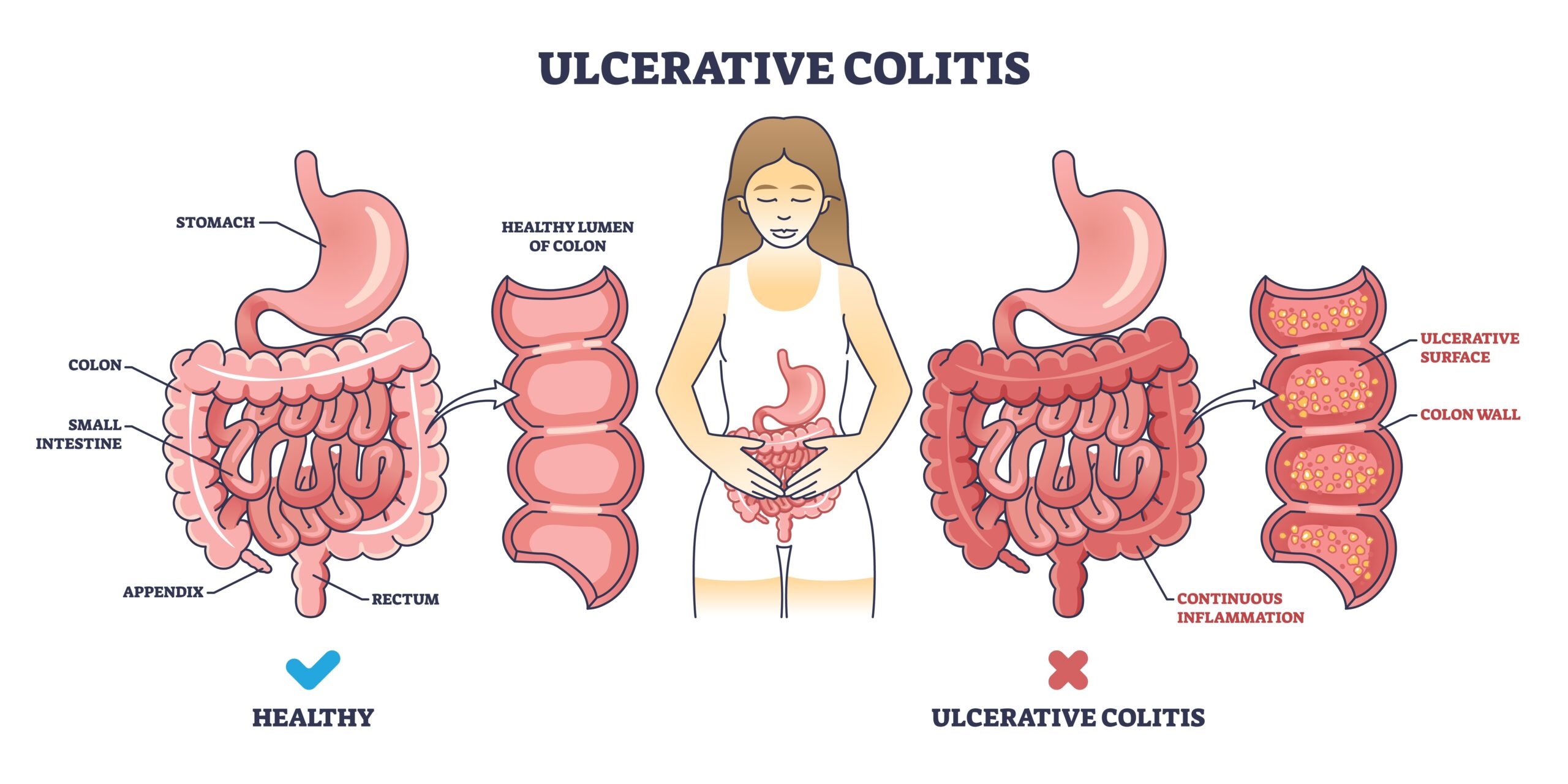
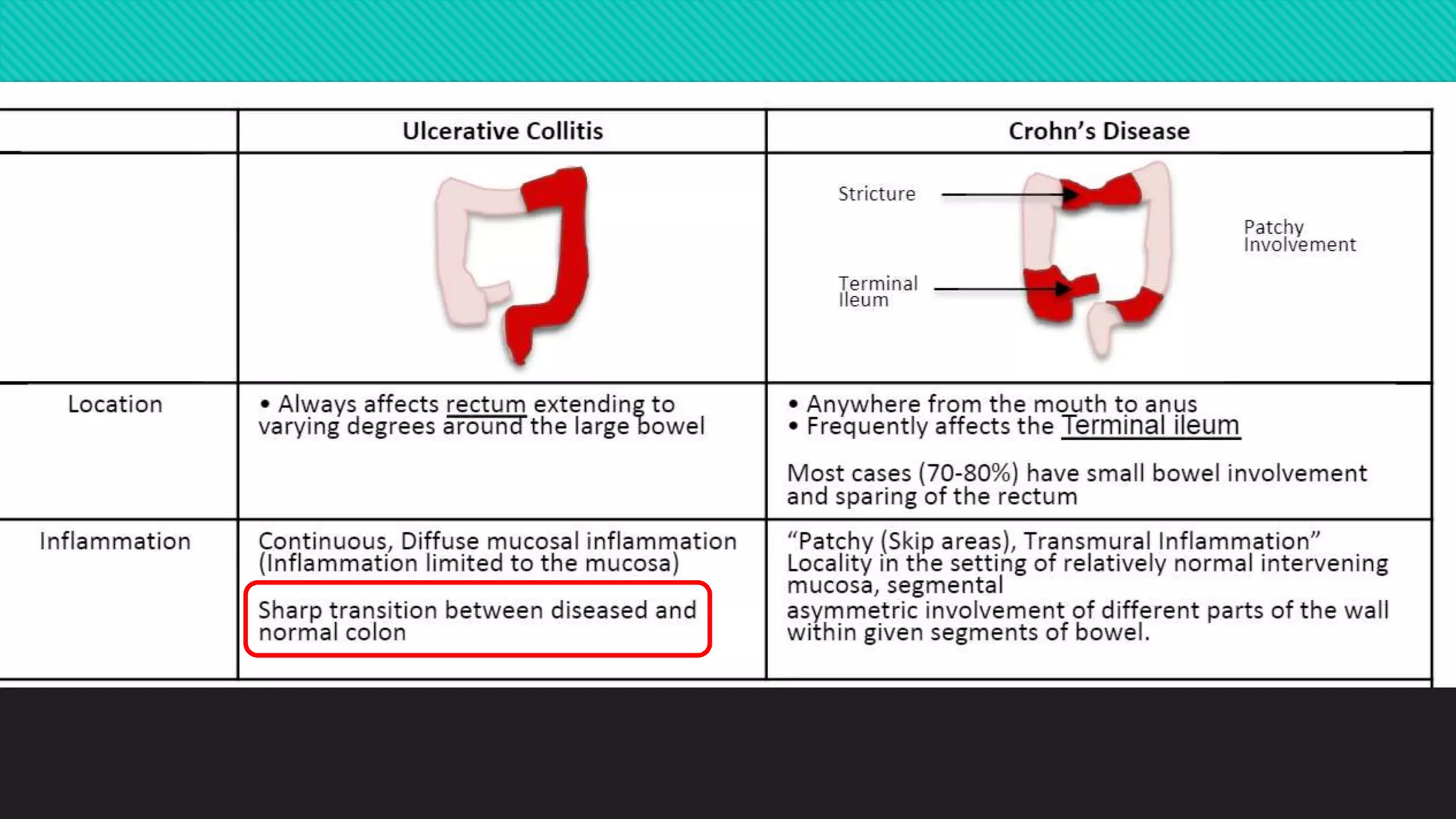
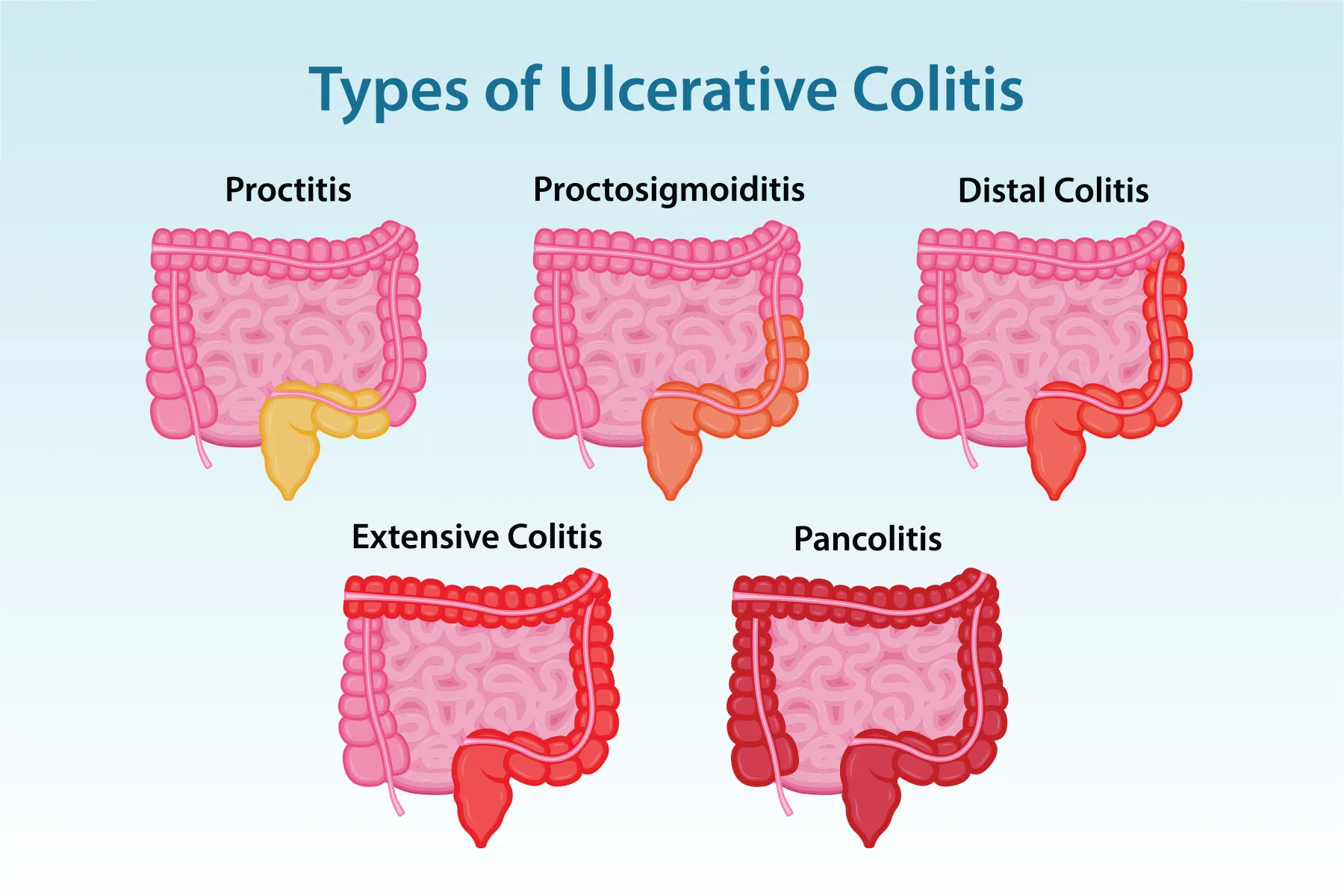
Ulcerative colitis (UC) is an inflammatory bowel disease (IBD) characterized by long-lasting inflammation and ulcers in the innermost lining of the large intestine (colon) and rectum. Common symptoms include abdominal pain, bloody stools, severe cramping, fatigue, urgent bowel movements, and systemic inflammation.
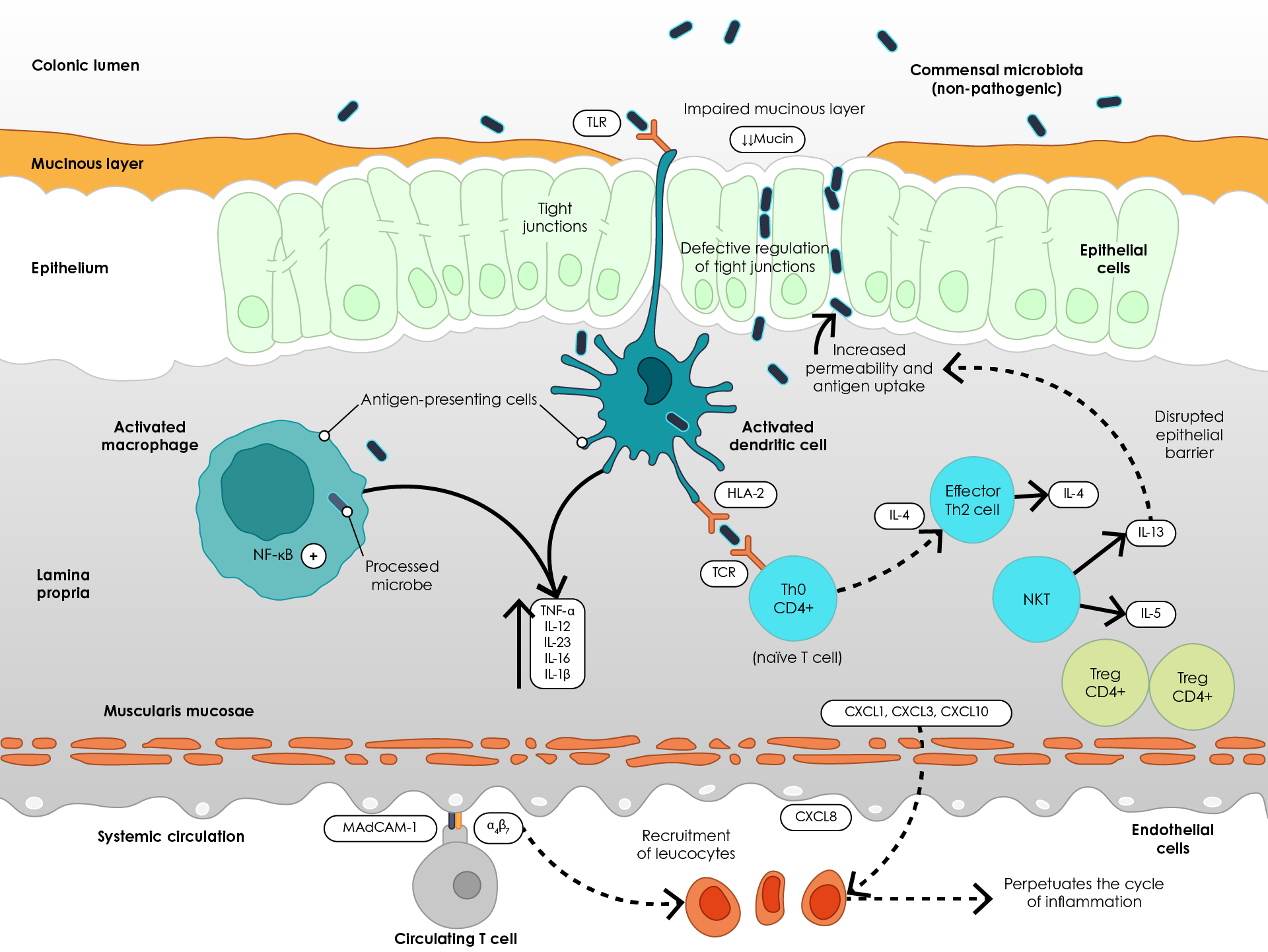
Because UC is classified medically as an autoimmune condition influenced by genetic predisposition and immune system dysregulation, workers' compensation insurance carriers rarely accept direct causation claims—meaning claims asserting that a job created the underlying disease.
However, occupational health law distinguishes between direct causation and material aggravation. In most legal jurisdictions, an injury or illness does not need to originate entirely at work to qualify for workers' compensation. If job conditions exacerbate, accelerate, or worsen a pre-existing condition beyond its natural progression, the resulting disability and required medical care may become compensable under state law.
When Does Ulcerative Colitis Qualify for Workers' Compensation?
To establish a valid workers' compensation claim for ulcerative colitis, an employee must demonstrate that their employment exposed them to specific hazards that aggravated their condition, or that a workplace event directly triggered a severe flare-up.
- Pre-Existing Ulcerative Colitis + Occupational Hazard / Stress / Trauma
- Material Aggravation / Flare-Up
- Workers' Compensation Claim Burden
1. Material Aggravation of a Pre-Existing Condition
Under state workers' compensation statutes, employers take employees "as they find them." This legal concept—often referred to as the eggshell applicant rule—means a pre-existing diagnosis of UC does not automatically disqualify an employee from receiving benefits.
To win a claim under material aggravation, the claimant must provide objective medical evidence showing:
- A measurable worsening of the condition attributable to specific workplace events or duties.
- That the flare-up was not simply part of the natural, unpredictable waxing and waning pattern of the disease.
- That workplace exposure or strain was a primary or substantial contributing factor to the current period of disability.
2. Extreme Occupational Stress and Psychological Triggers
Medical research published by organizations such as the Crohn's & Colitis Foundation confirms that psychological stress impacts the brain-gut axis, potentially triggering systemic inflammation and severe gastrointestinal flare-ups.
In workers' compensation law, mental-physical claims (where mental stress causes a physical illness or flare-up) face heightened legal scrutiny:
- High Evidentiary Threshold: Most jurisdictions require proof of extraordinary or unusual workplace stress—far exceeding the normal stress inherent in daily employment.
- Objective Medical Attributions: A board-certified gastroenterologist and often a mental health specialist must establish a direct causal link between documented, extraordinary work stressors and the acute onset of UC symptoms.
3. Occupational Toxic Exposure and Infections
In rare cases, workers exposed to specific chemicals, industrial solvents, toxic heavy metals, or severe gastrointestinal pathogens in the workplace may suffer bowel wall tissue damage. If an employee contracts a severe occupational infection (e.g., Clostridioides difficile or severe bacterial gastroenteritis acquired in a healthcare or laboratory setting) that triggers or permanently worsens ulcerative colitis, the resulting impairment may be fully compensable as an occupational disease.
4. Physical Trauma or Secondary Medication Impact
Direct physical trauma to the abdomen sustained during a workplace accident can damage intestinal tissues or precipitate an acute flare. Furthermore, if a worker suffers a primary compensable workplace injury (such as a severe back injury) and the required treatment involves long-term nonsteroidal anti-inflammatory drugs (NSAIDs) or intense physiological stress, the resulting irritation of the intestinal mucosal lining can worsen ulcerative colitis. In these instances, the UC aggravation is treated as a secondary compensable consequence of the initial injury.
Comparing Legal Protections: Workers' Comp, ADA, and FMLA
Employees dealing with ulcerative colitis often confuse workers' compensation benefits with federal statutory protections under the Americans with Disabilities Act (ADA) and the Family and Medical Leave Act (FMLA). These laws serve distinctly different purposes.
| Dimension | Workers' Compensation | Americans with Disabilities Act (ADA) | Family and Medical Leave Act (FMLA) |
|---|---|---|---|
| Primary Goal | Replace lost wages and cover medical expenses for work-related injuries/diseases. | Prevent employment discrimination and mandate reasonable workplace accommodations. | Provide job-protected, unpaid leave for qualifying serious health conditions. |
| Causation Requirement | Must arise out of and in the course of employment (AOE/COE). | No work-related causation required; applies to non-occupational conditions. | No work-related causation required; applies to personal or family health conditions. |
| Monetary Benefits | Covers medical treatment, temporary disability (wage replacement), and permanent impairment ratings. | None directly (though failure to accommodate can result in civil lawsuit damages). | Unpaid leave (employees may use accrued paid time off if company policy permits). |
| Employer Threshold | Applies to almost all employers (specific thresholds vary by state, often 1+ workers). | Applies to private employers with 15 or more employees, as well as state/local governments. | Applies to private employers with 50 or more employees within a 75-mile radius. |
| Key Workplace Outcome | Paid medical care and wage benefits during recovery or permanent disability settlement. | Reasonable accommodations (e.g., adjusted schedules, proximity to restrooms). | Up to 12 workweeks of job-protected leave per 12-month period. |
Step-by-Step Guide to Filing a Workers' Comp Claim for UC Aggravation
Filing a workers' compensation claim for a complex internal medical condition like ulcerative colitis requires meticulous documentation and strict adherence to statutory procedures.
- Step 1: Obtain Medical Care & Inform Doctor of Work Factors
- Step 2: Provide Written Notice to Employer (Within State Statutory Limits)
- Step 3: Secure Comprehensive Gastroenterology Medical Report
- Step 4: File Formal Claim Form with State Workers' Compensation Board
- Step 5: Navigate Independent Medical Examinations (IME / QME)
Step 1: Seek Immediate Medical Treatment
Prioritize your health by consulting a board-certified gastroenterologist. Inform your physician immediately that you believe your current flare-up or worsening symptoms are linked to specific workplace exposures, physical injuries, or extreme environmental stressors. Ensure the doctor records these statements in your medical charts.
Step 2: Provide Formal Notice to Your Employer
State laws impose strict deadlines for reporting work-related injuries or occupational illnesses—often ranging from 30 to 90 days from the date of injury or from the date you reasonably believed your work aggravated your illness. Submit written notification to your employer detailing:
- The specific nature of your symptoms and diagnosis.
- The specific workplace events, conditions, or exposures that aggravated the condition.
- The exact dates when the aggravation occurred or escalated.
Step 3: Secure Medical Causation Evidence
The single most critical element of a successful claim is a formal opinion on medical causation. Ask your treating physician to issue a detailed medical report addressing:
- Your baseline baseline GI health prior to the workplace events.
- Objective clinical findings (e.g., colonoscopy reports, blood biomarkers, stool tests, tissue biopsies) demonstrating a material worsening.
- A clear, scientific explanation linking the worsening directly to documented workplace exposures or duties.
Step 4: File the Official Statutory Claim
Submit the appropriate official workers' compensation claim form to your state's workers' compensation board or commission. Retain copies of all submitted documents, certified mail receipts, and written correspondence with the insurance carrier.
Step 5: Respond to Claims Adjuster Inquiries and IMEs
Insurance carriers routinely dispute claims involving chronic autoimmune conditions. The insurer will likely require you to attend an Independent Medical Examination (IME) or Qualified Medical Evaluation (QME) performed by a physician selected by the carrier or state board. Review all medical histories thoroughly prior to the exam, ensuring you provide an accurate history of your symptom onset and work duties.
Common Reasons for Claim Denials and How to Challenge Them
Because ulcerative colitis is fundamentally an autoimmune illness, insurance carriers deny a high percentage of initial UC claims. Understanding common denial grounds helps claimants build stronger appeals.
Standard Denial Arguments
- Pre-Existing Idiopathic Disease: The carrier argues that UC is a lifelong, genetically driven condition that would have progressed naturally regardless of employment.
- Lack of Objective Evidence: The insurer claims there are no lab tests or diagnostic imaging confirming that workplace stress or conditions physically altered the bowel tissue.
- Failure to Give Timely Notice: The employer claims the employee failed to provide formal notice within the statutory reporting period.
- Non-Compensable Mental Stress: In states that restrict mental-physical claims, the insurer argues that standard workplace stress does not constitute an industrial injury.
Overcoming Denials on Appeal
To reverse a denial before an administrative law judge or workers' compensation appeals board:
- Obtain an Independent Expert Medical Opinion: Retain a gastroenterologist specializing in occupational medical causation to review your complete medical records and submit a supplemental report.
- Maintain Detailed Symptom and Activity Logs: Keep a daily log tracking job duties, stress levels, chemical exposures, bathroom visits, and symptom severity to demonstrate a temporal connection between work activities and flare-ups.
- Utilize Legal Counsel: Consult an experienced workers' compensation attorney familiar with occupational disease claims and pre-existing condition aggravation laws in your jurisdiction.
Workplace Accommodations Under the ADA for Ulcerative Colitis
When a workers' compensation claim is not viable—or while a claim is pending—employees with ulcerative colitis can seek job protection and workplace modifications under the Americans with Disabilities Act.
Under the ADA, ulcerative colitis is recognized as a disability because it substantially limits one or more major life activities, including gastrointestinal function and bowel control. Employers must engage in an interactive process to identify reasonable accommodations that do not impose an undue hardship on business operations.
Common Reasonable Accommodations for UC
- Restroom Access: Assigning workstations in close proximity to restroom facilities or providing unrestricted bathroom breaks.
- Schedule Flexibility: Allowing modified work hours or remote work options during acute flare-ups or medical treatments (e.g., biologic infusion appointments).
- Ergonomic Modifications: Providing seating arrangements that minimize abdominal pressure and physical strain.
- Environmental Controls: Ensuring access to climate-controlled areas if extreme heat or cold exacerbates fatigue and dehydration symptoms.
Important Legal and Medical Limitations
- Jurisdictional Differences: Workers' compensation laws vary significantly across states and national jurisdictions. Specific evidentiary standards, reporting timelines, and compensability rules for stress-induced or aggravated conditions depend entirely on state law.
- Not Legal or Medical Advice: The information provided in this guide is for educational purposes only. Individuals experiencing medical symptoms should consult a healthcare professional. Those navigating contested legal claims should seek direct guidance from a licensed employment or workers' compensation attorney.
Recommended Next Steps
- Schedule a Comprehensive Medical Assessment: Request that your treating gastroenterologist document any objective physiological changes in your digestive tract and provide a written medical opinion on whether workplace factors played a material role in your flare-up.
- Review State Reporting Deadlines: Check your state's workers' compensation board website to verify statutory reporting periods and file your formal notice of injury promptly.
- Request ADA Accommodations in Writing: Submit a formal written request for reasonable accommodations to your HR department, accompanied by appropriate medical documentation from your physician.
- Consult a Qualified Attorney: If your claim has been delayed or denied, consult an attorney specializing in workers' compensation litigation to protect your statutory rights and explore appellate options.
Image Gallery