The Sharp Problem in Corporate Governance: Causes, Costs, and Oversight Solutions
The sharp problem in corporate governance refers to the structural agency conflict stemming from the separation of corporate ownership and executive control. When corporate managers prioritize personal compensation, short-term earnings...
The sharp problem in corporate governance refers to the structural agency conflict stemming from the separation of corporate ownership and executive control. When corporate managers prioritize personal compensation, short-term earnings targets, or career preservation over long-term enterprise value, equity holders and broader stakeholders face severe value destruction. Resolving this persistent friction requires independent board oversight, structural incentive alignment, and transparent reporting frameworks.
Contents
Understanding the Agency Dilemma: Why Governance Conflicts Persist
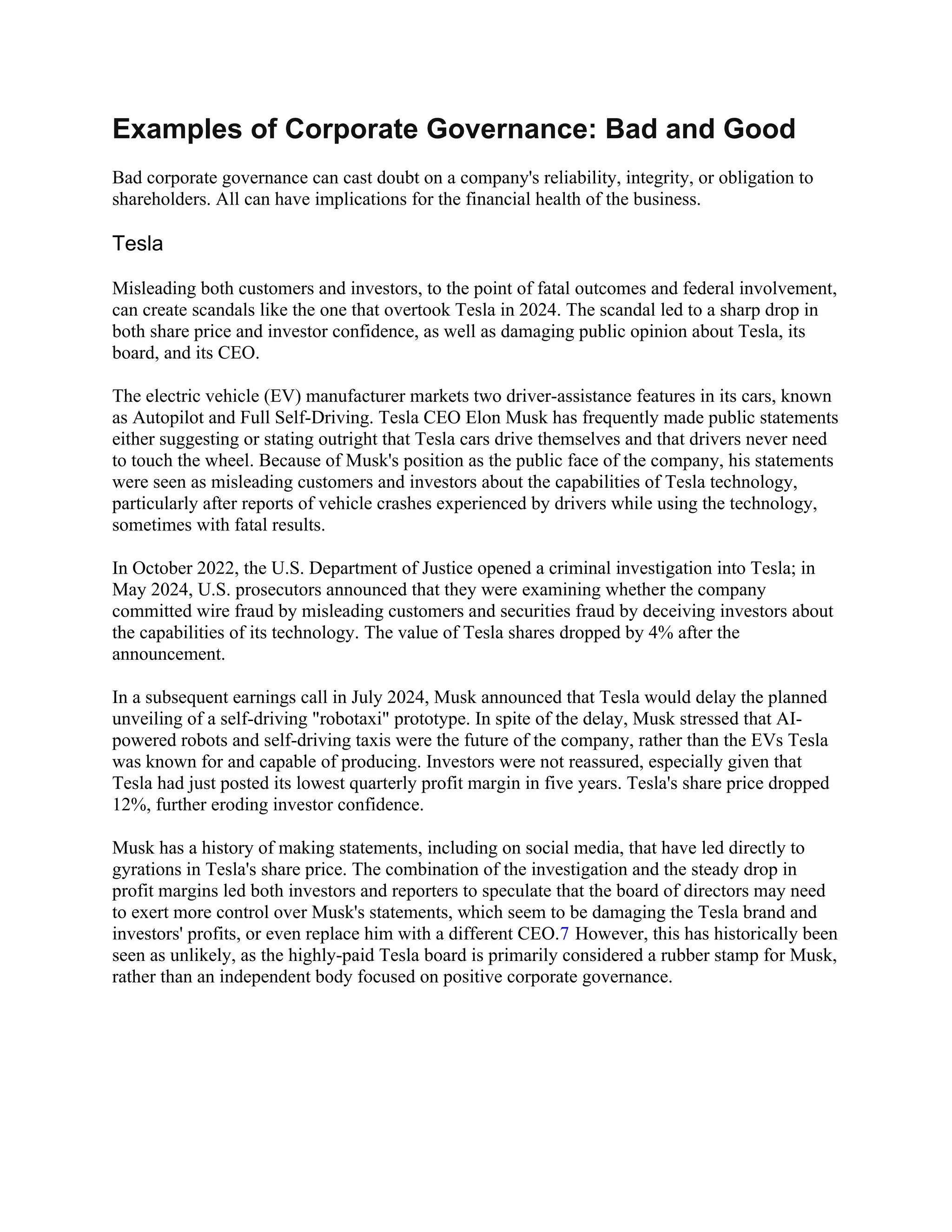
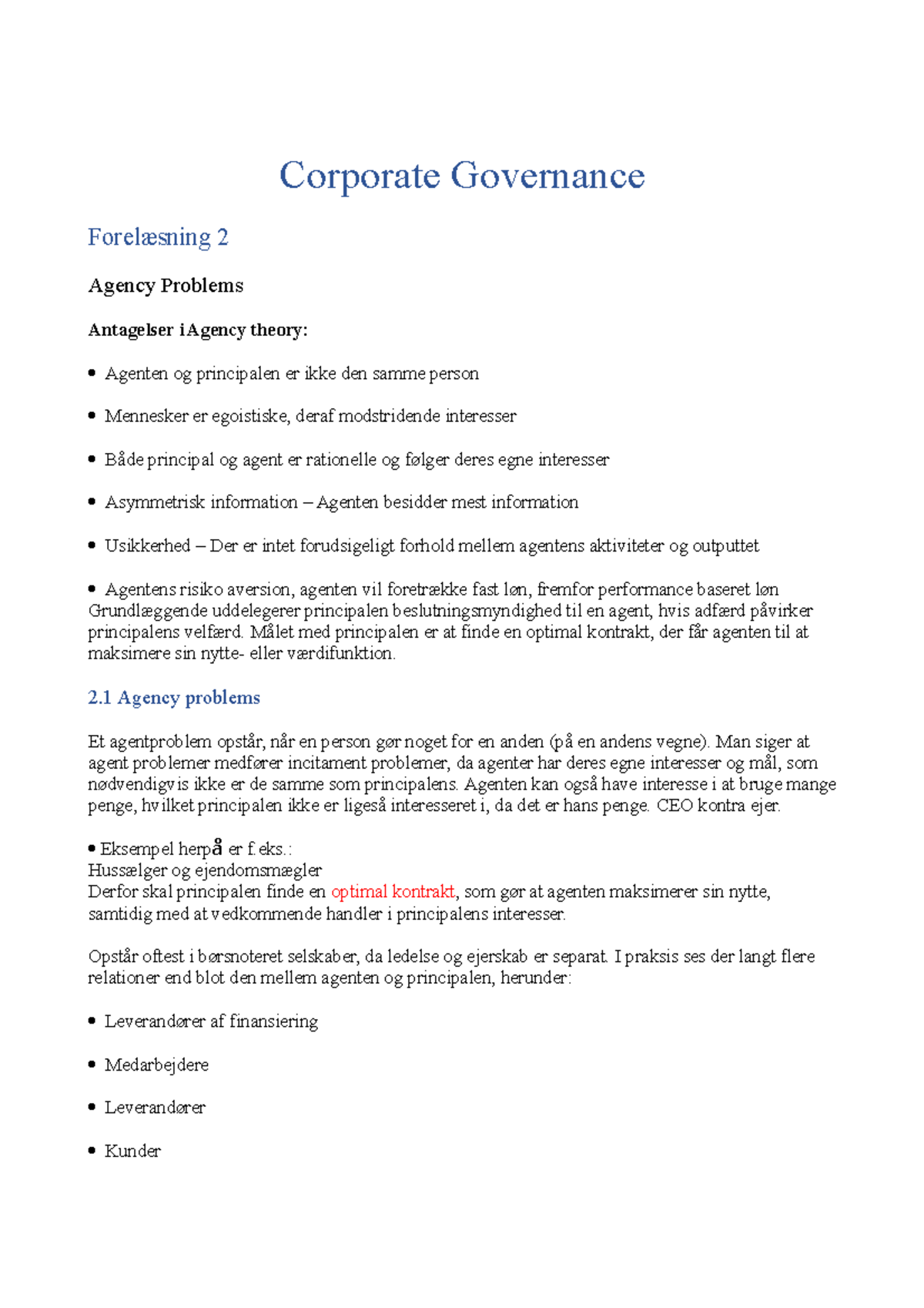
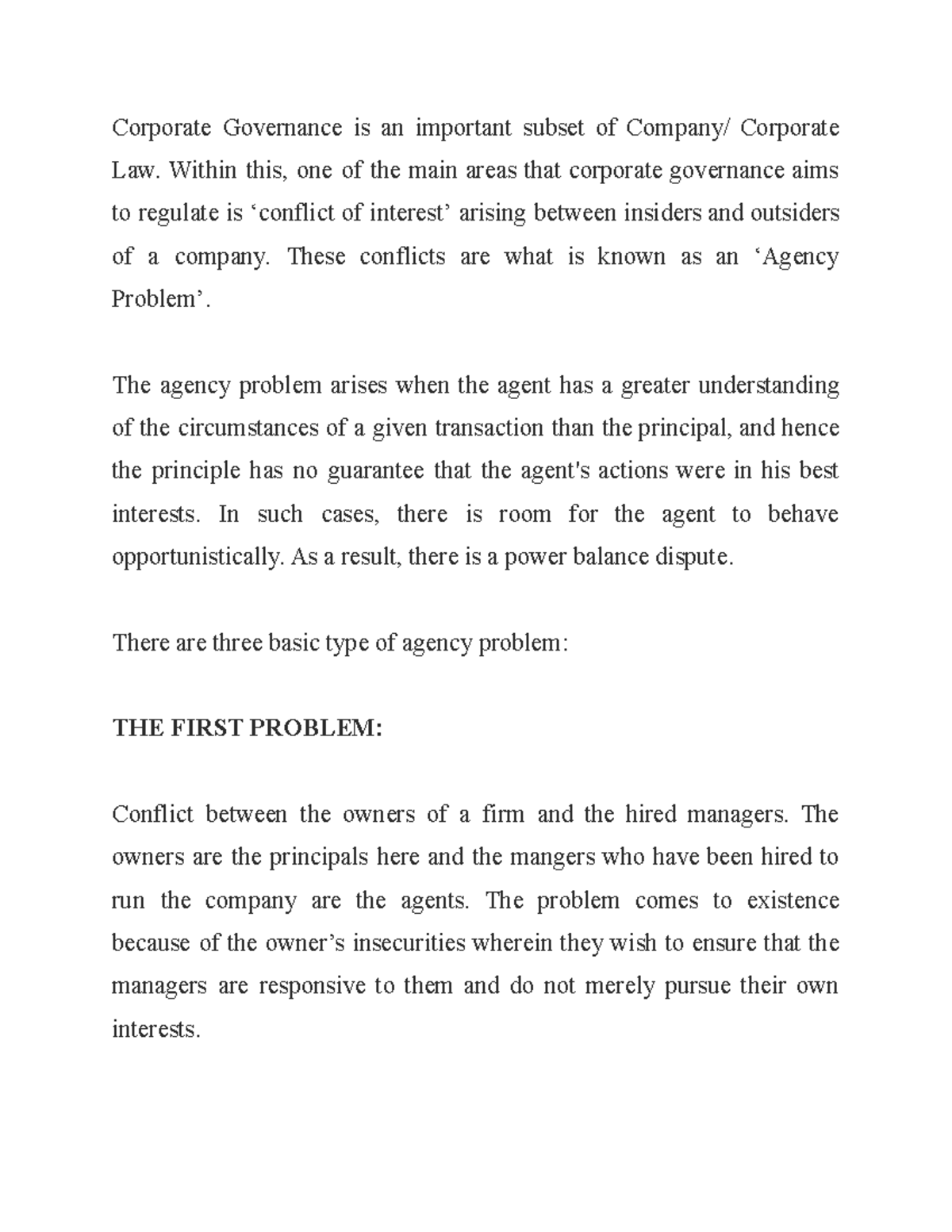
The foundational challenge of modern corporate governance—often characterized in economic and legal literature as the primary agency problem—arises when those who own a enterprise (shareholders) are distinct from those who control its daily operations (executives and managers). First formalized by economists Adolf Berle and Gardiner Means, and later expanded by Michael Jensen and William Meckling, this structural divide creates a fundamental divergence of incentives.
Managers operate as agents for shareholder principals. In an ideal framework, agents exercise their discretionary authority to maximize the net present value of the firm. In practice, however, managers face personal incentive structures that regularly conflict with long-term enterprise security.
- Shareholder Principals: Provide Equity Capital & Risk Bearing
- Delegated Authority
- Executive Agents: Control Daily Operations & Allocations
- Potential Conflict
- Agency Friction: Asymmetric Info, Short-Termism, Entrenchment
Three core structural conditions worsen this conflict within equity-funded corporations:
- Information Asymmetry: Executive leadership maintains direct operational visibility into product pipelines, supply chain vulnerabilities, accounting estimates, and strategic threats. Outside shareholders—and even independent board members—must rely on periodically disclosed financial statements, management discussion and analysis (MD&A) reports, and standardized filings. This disclosure delay allows underperforming or self-interested managers to conceal operational deficiencies or inflated earnings until systemic damage has occurred.
- Divergence of Risk Profiles: Shareholders typically manage investment risk through portfolio diversification, encouraging management to undertake high-conviction, value-accretive strategic risks. Executive managers, by contrast, concentrate their personal financial wealth, career reputation, and human capital in a single enterprise. This concentration frequently incentivizes managers to act either with undue risk aversion (protecting their positions) or with reckless short-term behavior (attempting to trigger incentive compensation thresholds before underlying liabilities materialize).
- Dispersed Ownership and Free-Rider Dynamics: In publicly traded corporations with thousands of retail and institutional investors, individual shareholders lack the economic incentive to monitor corporate management continuously. The cost of active monitoring often exceeds the incremental return on an individual stake, leading to a collective action failure that leaves corporate executives with unchecked operational autonomy unless institutional stewards intervene.
Key Dimensions of the Governance Conflict
The agency problem is not a monolithic issue; it manifests across distinct operational, financial, and structural dimensions within a corporation.
Executive Compensation Misalignment
When executive pay packages are weighted heavily toward unvested stock options or short-term earnings per share (EPS) thresholds without long-term holding requirements, executives face a clear incentive to manipulate short-term metrics. Common tactics include deferring essential research and development (R&D) expenditures, cutting equipment maintenance budgets, or executing debt-financed share buybacks to artificially boost EPS metrics ahead of option exercise windows.
Managerial Entrenchment and Board Capture
Entrenchment occurs when executive management designs corporate governance rules to insulate itself from removal by shareholders or market discipline. Tactics such as staggered board elections, dual-class share structures with unequal voting rights, and defensive measures like poison pills can prevent hostile takeovers and proxy contests. While these mechanisms are sometimes defended as protections against short-term market pressures, they often convert the board of directors into a rubber-stamp body controlled by the CEO.
Related-Party Transactions and Resource Tunneling
In corporations with concentrated insider ownership or controlling shareholders, the sharp problem frequently involves tunneling—the transfer of assets, contracts, or profit opportunities out of the public company into privately held affiliate entities owned by insiders. Common examples include non-arm's-length leasing agreements, excessive management fee allocations to parent holding entities, and preferential credit terms provided to insider-controlled suppliers.
Short-Term Consensus Chasing versus Long-Term Capital Allocation
Public financial markets place intense pressure on corporate leadership to meet quarterly earnings estimates. Executives who prioritize quarterly consensus figures over multi-year strategic capital expenditure frequently compromise the firm's competitive moat. This structural short-termism erodes total shareholder returns over multi-year cycles while exposing the balance sheet to macro economic shocks.
Comparative Analysis of Corporate Governance Interventions
Mitigating governance friction requires combining legal constraints, board-level structures, and market-based mechanisms. The following matrix evaluates primary governance interventions, their intended mechanisms, legal standards, and operational limitations.
| Governance Mechanism | Primary Target Issue | Legal / Regulatory Standard | Operational Limitations & Trade-offs |
|---|---|---|---|
| Independent Board Leadership | Executive dominance and board capture | Exchange listing rules (e.g., NYSE/Nasdaq mandates for majority independent boards) | Information asymmetry; independent directors rely heavily on management-supplied metrics. |
| Compensation Clawback Policies | Unearned bonuses based on errant financial data | SEC Rule 10D-1; Dodd-Frank Wall Street Reform Act mandates | Difficult to enforce internationally; requires retroactive restatement of financial metrics. |
| Say-on-Pay Advisory Votes | Unaligned or excessive executive compensation structures | Section 951 of the Dodd-Frank Act; UK Companies Act regulations | Non-binding in many jurisdictions; institutional proxy advisory firms often rely on standardized metrics. |
| Shareholder Proxy Access Rights | Board entrenchment and barrier to dissident nominees | SEC Rule 14a-11 historical precedents; corporate charter amendments | Potential for activist investors to push narrow, short-term agendas at the expense of enterprise stability. |
| Independent Audit Committee Oversight | Financial misstatement and aggressive accounting | Sarbanes-Oxley Act (SOX) Section 404; audit committee financial expert requirements | High compliance costs; audit firms face commercial pressure from long-standing client relationships. |
Practical Strategies to Mitigate Governance Friction
Resolving the core governance conflict requires structural mechanisms that realign executive behavior with long-term enterprise health. Organizations and oversight boards implement several core strategies to achieve this balance.
Board Governance Framework:
- Compensation Architecture: Mandatory Clawbacks & Multi-Year Deferrals
- Oversight Independence: Lead Independent Directors & Direct Audit Channels
- Shareholder Alignment: Proxy Rights & Transparent Capital Allocation Disclosures
- Internal Control Systems: Enterprise Risk Integration & Real-Time Monitoring
1. Structuring Incentive Architecture around Long-Term Enterprise Value
To combat short-term metric manipulation, compensation committees must design executive pay packages using performance share units (PSUs) linked to long-term return on invested capital (ROIC) and total shareholder return (TSR) relative to peer indices over multi-year horizons (typically 3 to 5 years).
Key structural elements include:
- Mandatory Post-Vesting Holding Periods: Requiring executive officers to retain a significant percentage of net equity awards until retirement or exit from executive service.
- Strict Clawback Enforceability: Drafting mandatory clawback provisions that trigger automatically upon financial restatements, regardless of individual managerial fault, consistent with regulatory enforcement standards.
- Balanced Metric Portfolios: Balancing quantitative financial metrics with operational safety, compliance, customer retention, and long-term risk management indicators.
2. Establishing Authentic Board Independence and Information Access
A board composed of independent members cannot fulfill its fiduciary duties if it relies exclusively on management to curate the information it receives. Independent directors must establish operational channels to inspect enterprise health directly:
- Lead Independent Directors: Appointing an empowered Lead Independent Director with explicit authority to set board agendas, call executive sessions without the CEO present, and lead annual CEO evaluation processes.
- Direct Access to Sub-Executive Talent: Independent board committees (Audit, Compensation, Governance, and Risk) should regularly host sessions with mid-level operational leaders, internal audit directors, and compliance officers without executive officers in the room.
- Independent External Advisors: Engaging independent compensation consultants, legal counsel, and technical experts who report directly to board committees and maintain zero commercial links to executive management.
3. Enhancing Capital Allocation Transparency
Unclear capital allocation policies create fertile ground for managerial empire-building, such as pursuing low-return, high-prestige corporate acquisitions. Boards should mandate that corporate leaders publish a transparent capital allocation framework detailing clear hurdles for:
- Reinvestment in existing operations (organic R&D and capital expenditures).
- Strategic mergers and acquisitions (establishing minimum hurdle rates for return on capital).
- Balance sheet deleveraging targets.
- Shareholder distributions via dividends and share buyback programs.
Legal Principles and Regulatory Frameworks
Corporate governance is constrained by legal duties and statutory frameworks designed to protect enterprise assets and investor capital.
Fiduciary Duties: Duty of Care and Duty of Loyalty
Under fundamental corporate legal doctrines (such as Delaware corporate law in the United States), directors and officers owe two primary fiduciary duties to the enterprise:
- The Duty of Care: Mandates that directors inform themselves of all material information reasonably available before making business decisions. Directors must act with the degree of care that an ordinarily prudent person would exercise under similar circumstances.
- The Duty of Loyalty: Requires fiduciaries to act in good faith and in the best interests of the corporation and its shareholders, prohibiting self-dealing, corporate opportunity usurpation, and unresolvable conflicts of interest.
The Business Judgment Rule protects directors from judicial second-guessing of business decisions provided they act on an informed basis, in good faith, and without personal conflict of interest. However, under landmark legal standards such as the Caremark doctrine, directors face oversight liability if they completely fail to implement a reasonable information and reporting system, or consciously fail to monitor established compliance structures.
Statutory Compliance Mandates
Regulators globally maintain strict compliance requirements to address systemic governance failures:
- Sarbanes-Oxley Act (SOX): Mandates explicit executive certification of financial statements (Sections 302 and 906) and requires internal management assessments and external auditor attestation over internal controls for financial reporting (Section 404).
- Dodd-Frank Wall Street Reform Act: Expands executive compensation disclosure requirements, enforces say-on-pay mechanisms, and imposes strict rules on compensation committee independence.
- International Codes: Frameworks such as the UK Corporate Governance Code and the OECD Principles of Corporate Governance emphasize "comply or explain" governance rules, requiring companies to disclose operational alignment with standards or justify non-compliance to equity markets.
Disclaimer: Corporate governance laws and fiduciary standards vary by jurisdiction and corporate form. Directors and executive officers should consult qualified corporate legal counsel regarding specific compliance mandates and legal liabilities.
Common Pitfalls in Addressing Governance Deficits
Attempts to fix corporate governance problems can sometimes create new operational risks if implemented improperly.
- Governance Strategy
- Bad Implementation leading to Unintended Operational Friction:
- Check-the-Box Compliance: Bureaucratic Paralysis & False Security
- Over-Reliance on Proxy Advisors: Rigid Metric Homogenization
- Misaligned Compensation: Perverse Management Incentives
- Bad Implementation leading to Unintended Operational Friction:
1. Falling into "Check-the-Box" Compliance Traps
Companies often mistake regulatory compliance with authentic risk governance. Meeting technical requirements—such as establishing standard board committees or publishing ESG disclosure reports—does not protect an organization if directors do not actively probe operational assumptions. A compliant board can still oversee systemic value destruction if its members remain passive.
2. Over-Reliance on Standardized Proxy Advisory Metrics
While third-party proxy advisory firms provide valuable research, relying strictly on standardized proxy guidelines can force businesses into rigid corporate governance models. Governance structures must reflect a company's specific industry, capital intensity, growth stage, and risk landscape. Applying generic compensation templates across different operating environments can discourage necessary, high-value strategic risks.
3. Misinterpreting Board Independence
Formal independence (lack of financial ties to the company) does not guarantee intellectual independence or sector competence. A board populated by independent directors who lack relevant industry background will inevitably depend on executive management for strategic direction, defeating the primary purpose of independent oversight.
Actionable Governance Alignment Checklist
Boards of directors, executive officers, and institutional stewards can use this operational framework to evaluate and strengthen their corporate governance posture.
- Phase 1: Independence Audit
- Phase 2: Incentive Alignment
- Phase 3: Information Architecture
- Phase 4: Risk Oversight & Crisis Readiness
Phase 1: Board Structure and Independence Audit
- Verify that a majority of the board meets statutory and exchange independence definitions.
- Appoint an empowered Lead Independent Director if the CEO serves as Board Chair.
- Perform annual board evaluation reviews measuring director contributions, committee performance, and skill gap coverage.
- Confirm that Audit, Compensation, and Governance committees consist entirely of independent directors.
Phase 2: Executive Compensation Realignment
- Audit executive pay contracts to ensure a substantial portion of variable equity relies on multi-year vesting metrics.
- Enforce SEC-compliant clawback policies for incentive-based compensation across executive leadership.
- Cap discretionary executive bonuses that are unlinked to pre-established quantitative performance targets.
- Require executive officers to maintain meaningful equity holdings through formal share ownership guidelines.
Phase 3: Information Architecture and Audit Controls
- Establish direct, unmediated communication channels between the Audit Committee and internal/external auditors.
- Schedule regular, un-agendized executive sessions for independent directors at every regular board meeting.
- Implement formal protocols for employees and whistleblowers to report accounting, ethical, or legal concerns without management oversight.
- Ensure that internal audit reports directly to the Audit Committee rather than executive leadership.
Phase 4: Risk Oversight and Enterprise Architecture
- Conduct annual reviews of the corporate risk register, mapping systemic operational, financial, legal, and cyber risks.
- Align executive risk tolerances with long-term strategic plans and balance sheet obligations.
- Establish formal crisis-response protocols with clear operational lines of succession and board notification procedures.
Frequently Asked Questions
What is the fundamental agency problem in corporate governance?
The agency problem is the inherent conflict of interest that occurs when corporate managers (agents) hold operational control over a company while shareholders (principals) hold financial ownership. Because managers do not absorb the full financial impact of their operational decisions, they may prioritize personal compensation, prestige, or job security over maximizing long-term shareholder value and business resilience.
How do compensation clawback provisions protect companies from governance risks?
Clawback provisions require executives to return previously awarded incentive compensation if performance metrics are subsequently found to be inaccurate, restated due to accounting errors, or inflated by fraudulent activity. By eliminating the financial windfall from short-term financial manipulation, clawbacks incentivize managers to maintain rigorous financial accounting and internal risk controls.
What is the difference between formal board independence and operational independence?
Formal independence refers to meeting regulatory criteria, such as having no employment history, consulting contracts, or family ties with the corporation or executive team. Operational independence requires that directors possess the technical expertise, operational insight, and willingness to challenge management's strategic assumptions, review un-redacted financial metrics, and demand accountability.
How does "say-on-pay" influence corporate governance?
Say-on-pay gives shareholders an advisory vote on executive compensation structures. While non-binding in many legal jurisdictions, high levels of shareholder opposition (typically votes below 80% approval) send a clear signal of investor dissatisfaction. This pressure often forces compensation committees to engage with institutional investors, restructure equity vesting terms, and cut unearned executive bonuses.
Why can regulatory compliance alone fail to prevent corporate governance failures?
Regulatory compliance focuses on satisfying minimum legal disclosures and procedural metrics. However, corporate failures often stem from cultural issues, strategic blind spots, or subtle incentive misalignments that technical compliance rules do not catch. Effective corporate governance requires active board engagement, strategic risk oversight, and a commitment to operational integrity that goes beyond compliance checklists.
Next Steps for Corporate Stewards
To address agency risks and protect enterprise value, board leadership and institutional directors should audit their current governance frameworks. Begin by conducting an independent review of your compensation metrics to ensure multi-year alignment with return on invested capital. Next, evaluate information access paths to confirm that independent directors receive un-curated operational metrics directly from compliance and risk leads. Establishing these oversight mechanisms helps mitigate agency friction, protects director liability, and builds long-term corporate value.
Image Gallery