Midwest Foundation Repair Reviews: Ratings, Costs, and What Homeowners Must Know
Evaluating Midwest foundation repair reviews requires understanding both specific regional contractors, such as Midwest Foundation Repair, and the unique structural challenges caused by Midwestern soils. High customer ratings generally...
Evaluating Midwest foundation repair reviews requires understanding both specific regional contractors, such as Midwest Foundation Repair, and the unique structural challenges caused by Midwestern soils. High customer ratings generally reflect thorough structural inspections and strong transferrable warranties, while complaints typically cite high sales pressure, variable pricing, and cosmetic lawn disruption during heavy excavation.
Contents
Understanding Midwest Foundation Challenges: Soil Dynamics and Structural Risk
Homeowners across the American Midwest—including Iowa, Nebraska, Missouri, Illinois, Kansas, and Indiana—face distinct geological and climatic conditions that place continuous stress on residential foundations. The primary driver of foundation distress in this region is the high concentration of expansive clay soils, such as smectite and montmorillonite.
Expansive clay acts like a dense sponge. During wet spring seasons and heavy rainfall, the soil absorbs water and expands significantly, placing immense lateral hydrostatic pressure against basement walls. Conversely, during hot summer droughts, the clay dries out, shrinks, and pulls away from the foundation footings. This relentless cycle of expansion and contraction leads to foundation settlement, shifting, and structural failure.
- Wet Season: Hydrostatic Pressure
- Lateral Soil Expansion against Basement Wall (Bowing)
- Dry Season: Soil Shrinkage
- Settlement / Cracking
In addition to expansive soils, Midwestern winters introduce severe freeze-thaw cycles. When water saturated in the soil around a foundation freezes, it exerts frost heave pressure. This upward and inward force cracks concrete block walls, displaces poured concrete foundations, and breaks perimeter drainage seals.
Recognizing early warning signs helps homeowners seek intervention before structural failure becomes catastrophic. Key indicators include:
- Interior Signs: Diagonal cracks originating from the corners of door and window frames, sticking doors or windows, unlevel floors, and gaps between baseboards and flooring.
- Basement & Crawlspace Signs: Horizontal or stair-step cracks along concrete block walls, inward bowing or leaning walls, water seepage at the wall-floor joint (cold joint), and persistent dampness or mold.
- Exterior Signs: Cracks in brick veneer or exterior stucco, separation of chimneys from the exterior structure, and gaps around garage door frames.
Evaluating Midwest Foundation Repair Reviews: Key Patterns and Findings
When analyzing customer feedback for foundation repair specialists operating across the Midwest—including major operators like Midwest Foundation Repair, Thrasher Foundation Repair, and regional Groundworks affiliates—clear patterns emerge regarding operational performance, customer satisfaction, and service delivery.
- MIDWEST FOUNDATION REPAIR REVIEWS
- Positive Feedback
- Professional structural crews
- Clean jobsites & encapsulation
- Lifetime transferable warranties
- Common Complaints
- Aggressive initial sales pitches
- Price variation between quotes
- Landscape damage from excavation
- Positive Feedback
Positive Feedback Patterns
- Professional Crew Execution: The majority of 4- and 5-star reviews highlight the technical competency and speed of field installation crews. Homeowners frequently praise crews for completing heavy piering or wall anchor installations within one to two days while keeping jobsites organized.
- Comprehensive Solutions: High-rated reviews often mention complete remediation systems. Rather than applying a superficial patch, top-rated foundation contractors install integrated systems combining underpinning, wall stabilization, sumps, and perimeter drainage systems.
- Transferable Warranties: Homeowners preparing to sell their properties consistently value written, lifetime-transferable warranties. These warranties provide critical documentation for potential home buyers and real estate appraisers during property transactions.
Common Complaints and Red Flags
- High-Pressure Sales Practices: A recurring criticism across negative reviews involves aggressive sales tactics during the initial home inspection. Some consumers report that sales representatives use high-stress urgency techniques—claiming a home is on the verge of collapsing—to close multi-thousand-dollar contracts on the spot.
- Significant Price Variance: Customers frequently report wide pricing disparities between foundation repair companies for similar scopes of work. Initial estimates can vary by thousands of dollars, making independent verification essential.
- Landscape Disruption and Cleanup Issues: Heavy equipment, soil excavation for wall anchors, and exterior pier installation inevitably disturb lawns, flower beds, and concrete flatwork. Complaints often stem from mismatched expectations regarding post-repair landscaping restoration, which contractors typically leave to the homeowner.
- Change Orders and Scope creep: Negative reviews sometimes cite unexpected price increases once excavation begins and hidden structural issues—such as deteriorated footings or unmapped underground utility interference—are uncovered.
Foundation Repair Methods, Technical Specifications, and Costs
Foundation repair requires precise engineering solutions tailored to the specific failure mechanism. Standardized repair techniques vary in cost, installation complexity, and long-term durability.
- FOUNDATION REPAIR TECHNOLOGIES
- Resistance Push Piers
- Drives to bedrock
- High load capacity
- Helical Piers
- Screws into stable soil
- Ideal for lighter structures
- Wall Anchors
- Pulls bowing walls back
- Requires lawn excavation
- Resistance Push Piers
1. Steel Resistance Push Piers
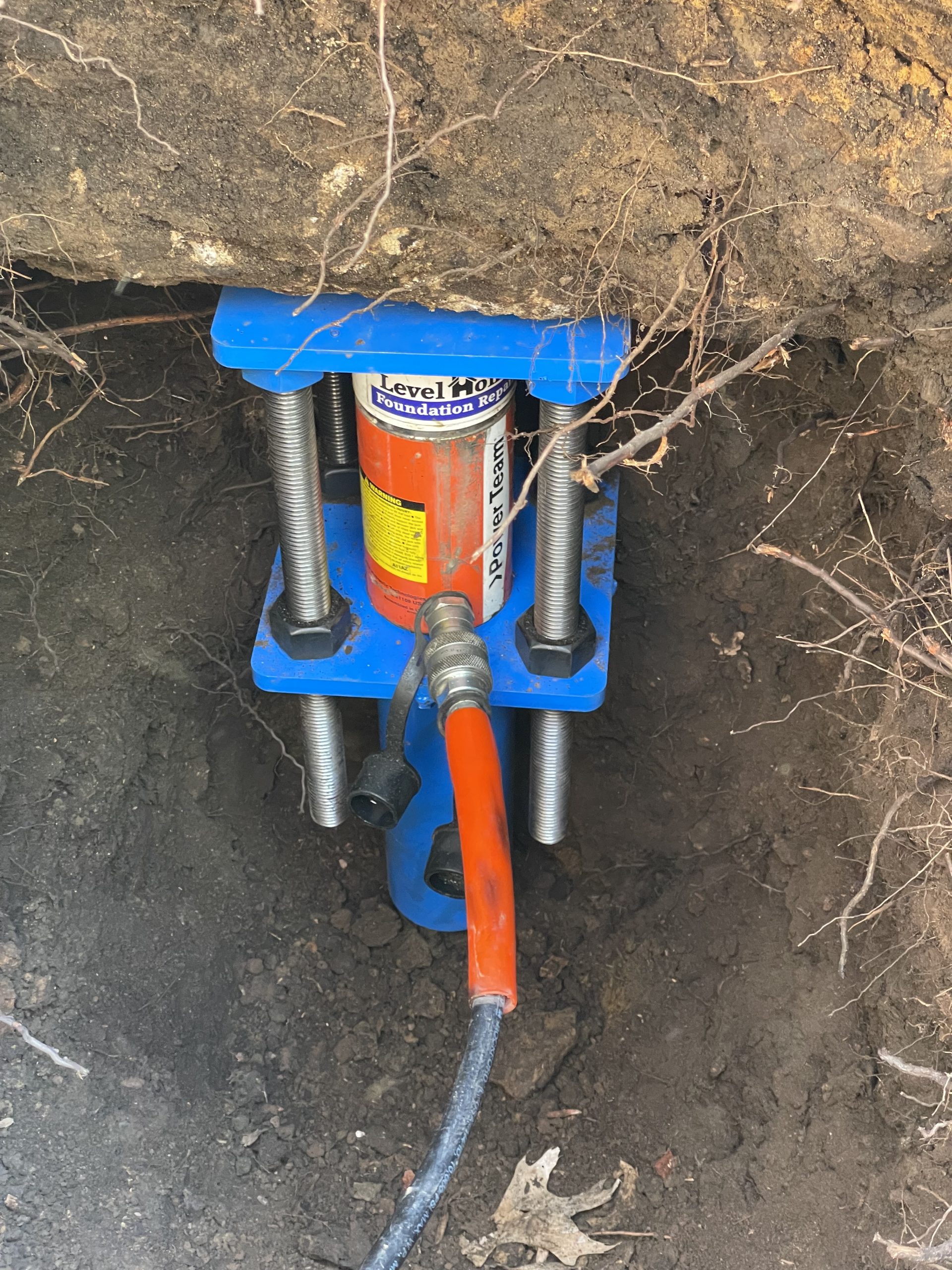
Push piers are heavy-duty structural steel tubes driven deep into the soil beneath a foundation using hydraulic rams. The system uses the weight of the structure itself as resistance until the piers reach solid bedrock or a verified load-bearing soil stratum.
- Best Used For: Correcting severe foundation settlement in heavy poured-concrete or masonry structures.
- Engineering Benefit: Provides definitive mechanical support that bypasses unstable surface clay entirely.
2. Helical Piers
Helical piers feature mechanical screw plates welded to a central steel shaft. They are screwed into the ground using hydraulic machinery until they reach pre-determined torque parameters corresponding to target soil capacities.
- Best Used For: Lighter structures, porches, decks, commercial applications, or areas where the structural weight of the building is insufficient for push pier resistance.
- Engineering Benefit: Excellent for both compression (downward weight) and tension (upward uplift forces) loads.
3. Wall Anchors and Carbon Fiber Straps
To stabilize basement walls that are bowing inward due to lateral earth pressure, contractors employ either earth anchors or carbon fiber reinforcement. Earth anchors use a steel plate buried in the yard connected by a steel rod to a plate inside the basement wall, which can be tightened over time to pull the wall back toward plumb. Carbon fiber straps are high-tensile fabric strips epoxy-bonded directly to the wall face to prevent further inward movement without exterior excavation.
- Best Used For: Horizontal wall cracking, bowing concrete block walls, and foundation walls pushing inward.
4. Polyurethane Foam Injection (Slab Jacking)
High-density polyurethane foam is injected through small holes drilled into sunken concrete slabs. A chemical reaction causes the foam to expand rapidly, filling sub-slab voids and lifting settled concrete flatwork (such as garage floors, basements, or driveways).
- Best Used For: Non-structural interior slab settlement, sidewalk leveling, and void filling.
Method Comparison and Cost Benchmarks
The following table summarizes primary foundation repair methods, typical applications, median cost ranges across Midwestern markets, and expected performance characteristics:
| Repair Method | Primary Structural Application | Estimated Cost Range (USD) | Expected Lifespan / Warranty |
|---|---|---|---|
| Steel Push Piers | Structural settlement, deep foundation stabilization | $1,500 – $3,000 per pier | Lifetime (25+ years transferable) |
| Helical Piers | Light structural settlement, porches, structural additions | $1,400 – $2,800 per pier | Lifetime (25+ years transferable) |
| Earth Wall Anchors | Inward bowing basement walls, severe lateral displacement | $800 – $1,800 per anchor | Lifetime transferable |
| Carbon Fiber Straps | Minor wall bowing (<2 inches deflection), wall stabilization | $400 – $900 per strap | 20 – 25 years |
| Polyurethane Foam Injection | Sunken slab lifting, interior floor leveling, void filling | $1,000 – $4,500 per project | 5 – 10 years |
| Interior Drainage & Sump | Water intrusion, hydrostatic pressure relief, dampness | $4,000 – $12,000 complete | 20+ years / Lifetime pump warranties |
Foundation Repair Warranties: Reading the Fine Print
One of the most critical elements evaluated in Midwest foundation repair reviews is the warranty. While many companies advertise "Lifetime Warranties," homeowners must carefully examine the specific terms, conditions, and exclusions detailed in the contract fine print.
Key Warranty Clauses to Check:
- Transferability Terms: Verify whether the warranty automatically transfers to a new home buyer or if it requires a formal transfer notice, administrative fee, and re-inspection within 30 to 60 days of closing. Un-transferred warranties can become void after a property sale.
- Scope of Coverage: Confirm whether the warranty covers both structural materials and labor installation costs. Some warranties cover replacement steel components but charge the homeowner full labor rates for re-adjustment or additional pier driving.
- Adjustments vs. Additional Installations: Clarify if future soil movement requires simple adjustments under warranty or if new, additional piers must be installed at the homeowner's expense.
- Exclusions and Soil Movement Limits: Many foundation contracts exclude damage caused by extraordinary natural events, acts of God, plumbing leaks that soften sub-slab soil, or failure of the homeowner to maintain proper surface drainage (such as clean gutters and downspout extensions).
How to Choose a Foundation Repair Contractor in the Midwest
Selecting the right foundation repair contractor requires a methodical verification process to ensure long-term structural stability and protect property values.
CONTRACTOR SELECTION ROADMAP:
- Hire Independent Structural Engineer (Unbiased Diagnosis)
- Solicit 3 Written Estimates (Itemized Scope & Engineering Specifications)
- Verify Consumer Records (BBB, State Licensing, Insurance Certificates)
- Review Contract Terms (Warranty Transferability & Soil Exclusions)
Step 1: Hire an Independent Structural Engineer
Before inviting foundation repair salespeople into your home, hire a licensed, independent structural engineer (P.E.) who has no financial stake in selling repair materials. An independent engineer will assess the property, perform elevation measurements, identify the true cause of failure, and produce an unbiased report with specific repair recommendations. This report serves as your baseline specification for contractor bids.
Step 2: Compare Multiple Detailed Written Estimates
Obtain detailed, itemized estimates from at least three licensed contractors. Ensure each estimate includes:
- The exact engineering methodology (pier type, steel grade, anchor depth).
- Number and spacing of piers or wall anchors.
- Detailed breakdown of labor, equipment, and material costs.
- Permit fees and responsibility for utility line locating (811 callouts).
Step 3: Verify Licensing, Insurance, and Consumer Records
- State & Local Licensing: Confirm that the contractor holds valid specialty trade licenses required by your state or municipality.
- Insurance Verification: Request a Certificate of Insurance showing active General Liability and Workers' Compensation coverage directly from the contractor's insurance provider.
- Consumer Review Verification: Cross-reference customer reviews across independent platforms such as the Better Business Bureau (BBB) and state consumer protection agencies. Pay attention to how companies resolve formal consumer complaints.
Step 4: Inspect Local Building Code Requirements
Most Midwestern municipalities require structural permits and building inspector sign-offs for foundation underpinning and structural alterations. Ensure your contract specifies that the contractor will secure all required municipal permits before work begins.
Frequently Asked Questions
What causes most foundation problems in the Midwest?
The primary cause of foundation failure in the Midwest is expansive clay soil combined with extreme seasonal weather shifts. Clay soils swell significantly when wet during spring rains and shrink severely during dry summer periods, causing foundations to shift, crack, and settle. Freeze-thaw cycles further exacerbate structural stress through frost heave and increased lateral hydrostatic pressure.
How much does typical foundation repair cost in the Midwest?
Minor foundation repairs, such as localized crack injections or carbon fiber stabilization, typically cost between $1,500 and $4,000. Major structural repairs involving deep steel piering, wall anchor systems, or comprehensive interior drainage generally cost between $8,000 and $25,000, depending on the severity of settlement and total linear footage requiring support.
Is foundation repair covered by standard homeowners insurance?
In most cases, standard homeowners insurance policies do not cover foundation repair caused by normal soil expansion, contraction, settling, or hydrostatic pressure. Insurance typically only covers foundation damage if it directly results from a covered sudden peril, such as an internal plumbing burst or explosion.
Should I get an independent engineering report before hiring a repair company?
Yes. Hiring a licensed, independent structural engineer provides an objective evaluation of your foundation's structural integrity. Because the engineer does not sell repair services, their report provides an unbiased repair scope that prevents contractors from overselling unnecessary piers or stabilization hardware.
How long does foundation repair work usually take to complete?
Most residential foundation repair projects take between one and three days to complete. Simple crack injections or carbon fiber installations can often be completed in a single day, whereas extensive exterior piering or full-perimeter drainage excavation may require two to four days depending on soil conditions and weather.
Can foundation repairs be performed during Midwestern winters?
Yes, foundation repair can often be conducted year-round. While deep frost and frozen ground make surface excavation more labor-intensive, heavy hydraulic equipment can drive steel push piers deep into sub-surface soils regardless of topsoil freezing. Interior basement repairs and crawlspace encapsulations are entirely unaffected by winter conditions.
Summary and Next Steps
Addressing foundation issues promptly prevents exponential damage to your home’s structure and resale value. If you notice signs of structural movement—such as bowing basement walls, stair-step masonry cracks, or sticking doors—take the following immediate steps:
- Schedule an Independent Assessment: Contact a registered Professional Engineer (P.E.) to inspect your foundation and issue an unbiased evaluation report.
- Request Itemized Bids: Gather at least three written bids from established, insured foundation contractors based strictly on the engineer’s recommendations.
- Audit Reviews and Warranties: Cross-examine contractor reviews on the BBB and consumer review portals, paying close attention to warranty transferability clauses and post-installation service histories before signing any contract.
EDITORIAL CATEGORY METADATA:
TOPIC METADATA:
Image Gallery