How the Manchester Arena Bombing Reshaped Concert Security and Event Safety
The May 22, 2017 attack at Manchester Arena fundamentally transformed live event security by exposing critical vulnerabilities in unscreened public spaces surrounding major venues. This tragedy catalyzed systemic legislative reforms—mo...
The May 22, 2017 attack at Manchester Arena fundamentally transformed live event security by exposing critical vulnerabilities in unscreened public spaces surrounding major venues. This tragedy catalyzed systemic legislative reforms—most notably Martyn’s Law—and forced global venue operators to redefine perimeter defense, security personnel training, and multi-agency emergency coordination.
Contents
Evolution of Concert Security Perimeters
- Pre-2017 Standard Perimeter:
- Public Transit / Foyer / Concourse
- Security Check / Turnstiles
- Main Arena
- Post-Manchester Multi-Layered Perimeter:
- Outer Buffer / HVM
- Zone 0 / Landside Surveillance
- Security Check
- Inner Concourse
The Manchester Arena Attack: Exposing Public Realm Vulnerabilities
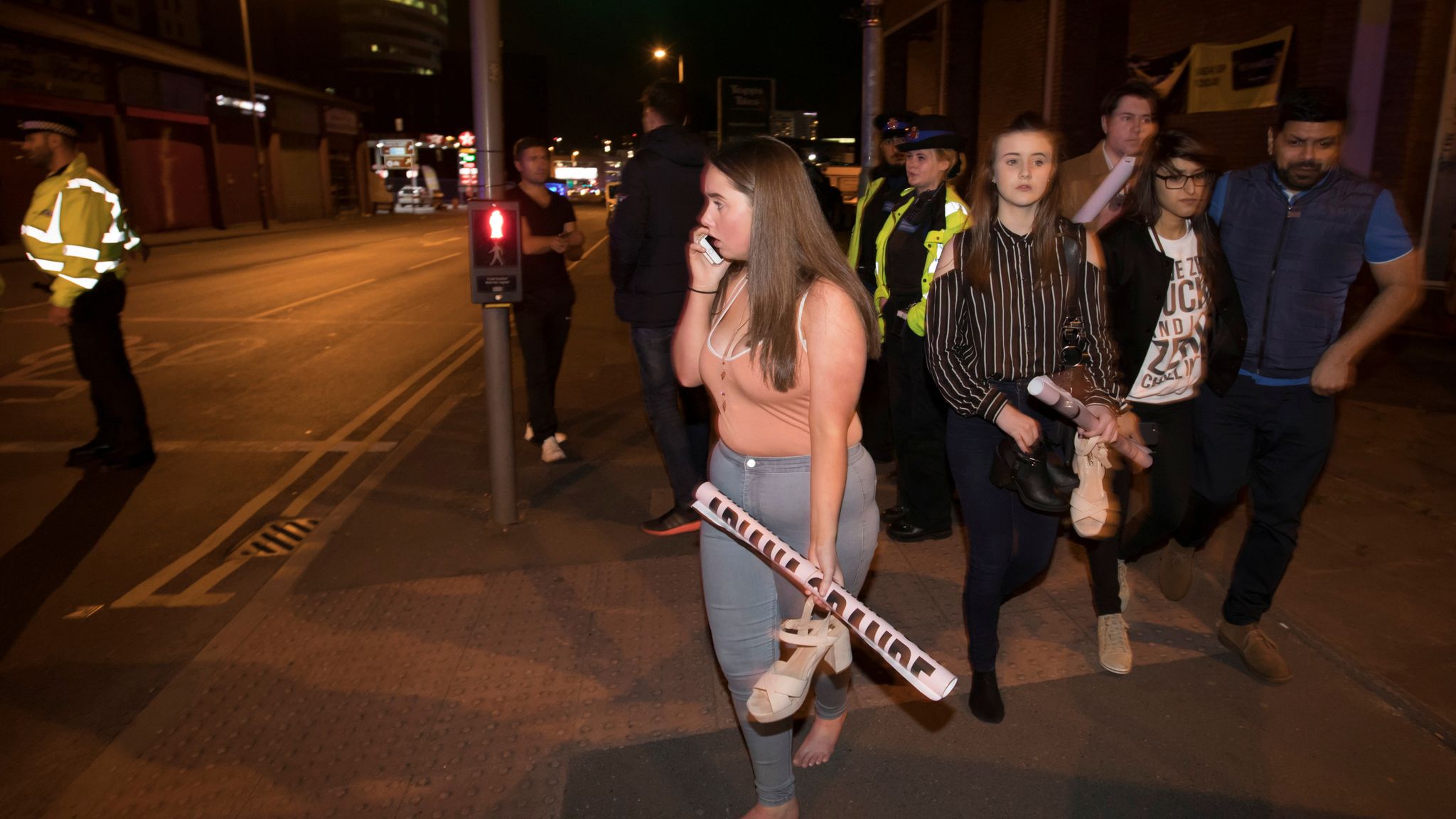
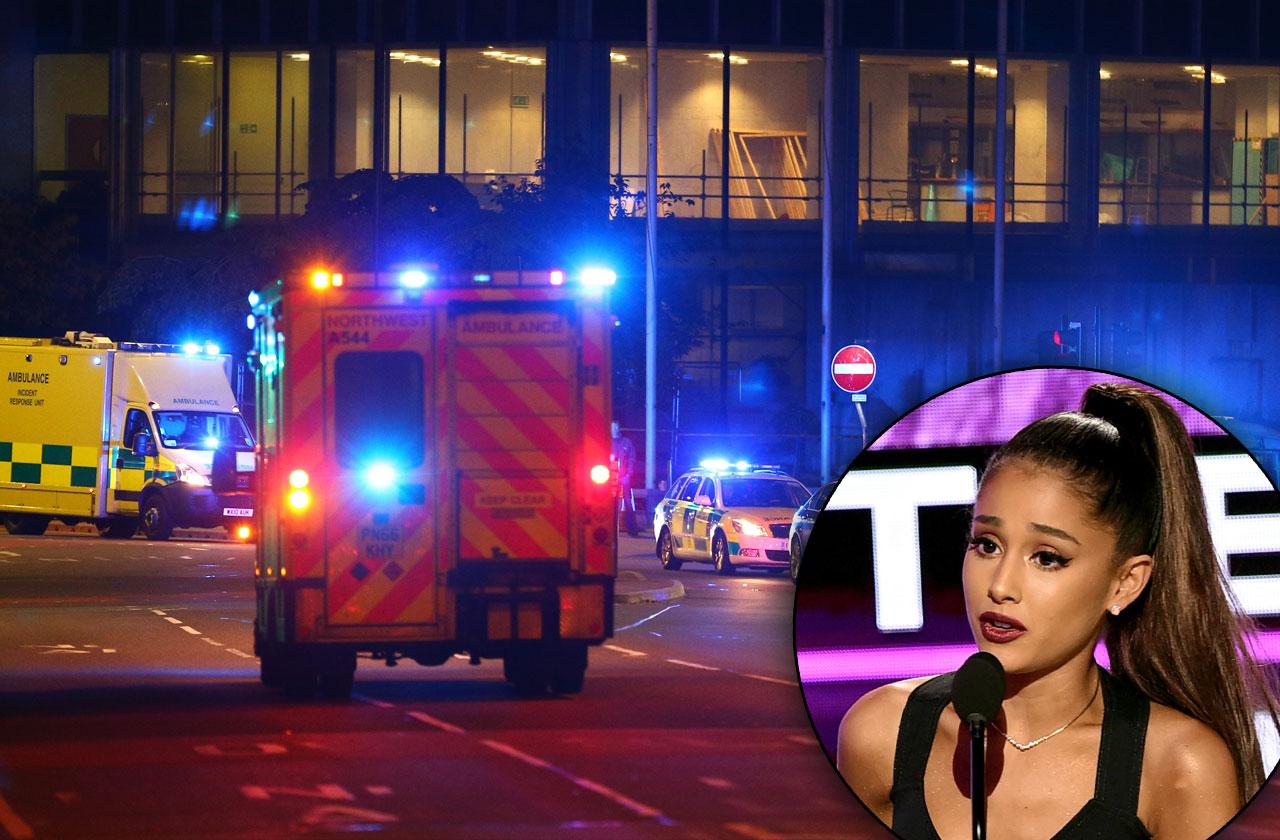
On May 22, 2017, a suicide bomber detonated an improvised explosive device (IED) packed with nuts and bolts in the City Room foyer of the Manchester Arena as thousands of fans were departing an Ariana Grande concert. The attack resulted in 22 fatalities and injured more than 1,000 individuals.
While the internal seating bowl of the venue maintained standard access-control protocols, the attack exposed a fatal weakness in traditional event security design: the reliance on turnstile-level screening. The perpetrator targeted the "City Room"—a large, covered public concourse linking the arena to Manchester Victoria railway station. Because this space functioned as an unscreened transit hub and parent pickup point, the attacker moved freely and remained unchallenged for nearly an hour despite carrying an unnaturally heavy backpack.
This highlighted a glaring flaw in high-density crowd safety: security operations had historically prioritized protecting the physical venue structure and ticketed attendees inside, leaving public transit links, foyer areas, and egress routes vulnerable to landside attacks.
Key Findings of the Manchester Arena Inquiry
The formal public inquiry, chaired by Sir John Saunders, systematically evaluated venue management, private security contractors, and emergency responders. Published across three comprehensive volumes, the inquiry's findings identified systemic operational, structural, and communication failures.
Manchester Arena Inquiry Core Findings
- Inadequate Risk Assessment: Overreliance on internal turnstile screening.
- Poor Patrol Routine: Security blind spots allowed unauthorized loitering.
- Reporting Failures: Public warnings regarding suspicious behavior ignored.
- Multi-Agency Breakdown: Delayed emergency response due to communication gaps.
1. Inadequate Risk Assessment of Public Areas
The inquiry revealed that the venue operator (SMG) and its security contractor (Showsec) failed to classify the City Room as a primary threat surface. Blind spots in closed-circuit television (CCTV) coverage and irregular security patrols allowed the attacker to hide in an unmonitored mezzanine area for 53 minutes before detonating the device.
2. Disregard of Public Suspicion Reports
A crucial finding was the breakdown in threat escalation protocols. A member of the public reported the attacker's suspicious behavior to a steward prior to the concert's end. However, due to a lack of training, confusion over authority, and fear of being labeled racist, the steward failed to escalate the report to control room management or law enforcement.
3. Emergency Service Response Delays
Volume 2 of the inquiry criticized the response of the Greater Manchester Police (GMP), Greater Manchester Fire and Rescue Service (GMFRS), and North West Ambulance Service (NWAS). Poor adherence to Joint Emergency Services Interoperability Principles (JESIP) resulted in severe communication delays, preventing fire and paramedic crews from entering the scene for hours after the blast.
Martyn’s Law: Institutionalizing Counter-Terrorism Preparedness
The most significant legislative reform resulting from the tragedy is Martyn’s Law (officially titled the Terrorism (Protection of Premises) Bill in the UK), championed by Figen Murray OBE, the mother of victim Martyn Hett.
Martyn’s Law shifts counter-terrorism preparedness from a voluntary best practice to a legal obligation for publicly accessible locations (PALs). It mandates that venue operators assess counter-terrorism risks and implement proportionate security measures based on site capacity.
Martyn's Law Two-Tier Compliance Structure
| Tier | Capacity Threshold | Mandatory Requirements |
|---|---|---|
| Standard Tier | 100 - 799 guests | • Basic counter-terrorism awareness training• Evacuation and lockdown procedure evaluations• Low-cost incident response planning |
| Enhanced Tier | 800+ guests | • Mandatory formal risk assessments• Physical security measures (HVM, CCTV, screening)• Designated Senior Responsible Officer (SRO)• Comprehensive security documentation |
Key Obligations under Martyn’s Law
- Standard Tier Premises: Operators must ensure staff complete free online counter-terrorism awareness modules, such as the UK National Counter Terrorism Security Office (NaCTSO) Action Counters Terrorism (ACT) training. Venues must maintain clear, actionable plans for lockdown, evacuation, and emergency communications.
- Enhanced Tier Premises: Large-scale venues must implement a comprehensive security plan, conduct regular physical security audits, deploy appropriate detection equipment, and designate a Senior Responsible Officer who bears legal liability for compliance. Non-compliance carries substantial financial penalties and potential operational restrictions enforced by a designated regulator.
Modern Concert Security Protocols: Global Operational Shifts
Following the inquiry's findings and emerging legislative frameworks, event security management evolved from localized access control to comprehensive, multi-layered threat management.
Modern Multi-Layered Perimeter Design
- ZONE 3: OUTER BUFFER: Hostile Vehicle Mitigation (HVM), License Plate Scanning
- ZONE 2: CONCOURSE: CCTV Analytics, K9 Explosive Detection Patrols
- ZONE 1: SCREENING LINE: AI Walkthrough Scanners, Clear Bag Inspections
- ZONE 0: INNER VENUE: Access-Controlled Seating Bowl & Backstage Areas
1. Extension of Security Perimeters ("Zone 0" Defense)
Major concert halls, stadium operators, and festival organizers no longer treat the building door as the first line of defense. Security perimeters now extend far into public concourses, transit stations, and parking zones.
- Hostile Vehicle Mitigation (HVM): Integrated bollards, concrete barriers, and temporary rated vehicle arrest systems are routinely deployed to prevent vehicle-borne attacks near crowd assembly points.
- Standoff Screening: Searching and screening begin well before attendees reach ticket validation gates, dispersing crowd density and reducing the threat profile of queuing lines.
2. Standardized Counter-Terrorism Personnel Training
Security personnel are no longer treated simply as ticket checkers or crowd monitors. Modern security licensing, governed in the UK by the Security Industry Authority (SIA), requires mandatory counter-terrorism modules, physical intervention protocols, and behavioral detection training.
Staff are explicitly trained in behavioral threat detection, identifying indicators such as:
- Prolonged observation of security infrastructure, CCTV cameras, or access points.
- Inappropriate attire for weather conditions (e.g., heavy coats in summer that could conceal weapons or explosive vests).
- Repeated loitering in high-density entry or exit pathways without entering the event.
3. Deployment of Advanced Screening Technology
Traditional magnetometers (walk-through metal detectors) and manual bag checks often cause severe queue bottlenecks, creating dense targets in unscreened zones. Modern venues have adopted advanced screening technologies:
- AI-Powered Multi-Sensor Scanners: Systems like Evolv Express and Xtract One utilize spatial sensors and machine learning to differentiate between benign everyday items (keys, smartphones) and potential weapons, allowing crowds to walk through at normal pace without emptying pockets.
- Explosive Trace Detection (ETD) & K9 Units: Vapor-awake canine units routinely patrol public concourses and queuing zones to detect explosive compounds prior to entry points.
- Clear Bag Policies: Adopted widely by major sports leagues and concert venues globally, limiting bag sizes and forcing transparent carry-ons to accelerate physical inspections.
4. Integration of Multi-Agency Command Centers
Prior to the Manchester Arena attack, private security control rooms often operated in isolation from local police, ambulance services, and transport networks. Modern large-scale event operations utilize Joint Operations Centers (JOC) on-site. JOCs co-locate venue operators, private security managers, local law enforcement, medical incident commanders, and public transit directors to share real-time CCTV feeds and maintain direct radio communication channels.
Comparative Security Framework: Pre-2017 vs. Post-Manchester
| Security Dimension | Pre-2017 Standard Practices | Post-Manchester Modern Standards |
|---|---|---|
| Primary Security Zone | Physical building doors / Turnstiles | Extended outer perimeters, transit links, and open concourses |
| Queue Management | Dense crowding immediately outside entry doors | Staggered queuing, standoff screening, dispersed entry points |
| Staff Counter-Terrorism Training | Optional or limited to basic stewarding procedures | Mandatory ACT counter-terrorism certification and threat identification |
| Suspicious Activity Reporting | Informal, non-standardized verbal reporting | Standardized threat escalation protocols logged via control room |
| Emergency Agency Coordination | Multi-agency communication relied on off-site dispatch | Direct co-location of police, fire, ambulance, and security in on-site JOCs |
| Physical Countermeasures | Perimeter fences, visual bag inspections | Hostile Vehicle Mitigation (HVM), AI weapon detection, K9 sweeps |
| Legal Compliance Baseline | General health and safety, local venue licensing laws | Mandatory counter-terrorism risk assessments (e.g., Martyn's Law) |
Actionable Implementation Guide for Venue Operators and Event Managers
To meet modern security expectations and prepare for statutory counter-terrorism compliance, event directors and facility managers should systematically execute the following operational steps:
Venue Security Implementation Steps
- STEP 1: Conduct Comprehensive Zone Risk Mapping (Include off-site public areas)
- STEP 2: Implement Multi-Layered Screening Buffers (Extend perimeter outward)
- STEP 3: Mandatory Counter-Terrorism Staff Training (Enroll all staff in ACT)
- STEP 4: Establish Real-Time Joint Operations Command (Co-locate emergency services)
Step 1: Conduct Comprehensive Zone Risk Mapping
- Map out every publicly accessible space within and adjacent to the venue, including transit walkways, parking structures, and overflow parent drop-off points.
- Eliminate CCTV blind spots in areas surrounding the venue perimeter, ensuring continuous recording and live monitoring during major events.
Step 2: Implement Multi-Layered Screening Buffers
- Establish dynamic outer security buffers (Zone 3) to break up large crowds before they reach ticket screening gates.
- Install temporary or permanent Hostile Vehicle Mitigation (HVM) rated to PAS 68 or IWA 14-1 standards along all pedestrian-heavy roadways surrounding the site.
Step 3: Enforce Mandatory Counter-Terrorism Staff Training
- Require all venue staff—including third-party catering, cleaning, and ticketing personnel—to complete official counter-terrorism modules such as NaCTSO's ACT Training.
- Implement a mandatory "See Something, Say Something" reporting policy with zero threat-of-penalty for false alarms, empowering junior staff to escalate safety concerns directly to control room supervisors.
Step 4: Establish Real-Time Joint Operations Command
- Establish unified command communication protocols adhering to JESIP guidelines.
- Ensure control room operators have dedicated radio channels linked directly with local law enforcement and emergency medical leads.
- Schedule joint table-top crisis exercises at least twice annually, simulating active threat scenarios, mass evacuations, and secondary device discoveries.
Legal Disclaimer: Security regulations, statutory duties, and venue safety compliance rules vary by country and jurisdiction. Facility managers and event organizers should consult local law enforcement, counter-terrorism security advisors (CTSAs), and legal counsel to ensure compliance with relevant local statutes and emerging regulations such as Martyn's Law.
Frequently Asked Questions
What is Martyn's Law, and who must comply with it?
Martyn’s Law (the Terrorism Protection of Premises legislation) is a UK legislative framework designed to ensure publicly accessible locations are prepared for and protected against potential terrorist attacks. It applies to premises accessible to the public—including entertainment venues, retail complexes, sports arenas, and places of worship—divided into a Standard Tier (100–799 capacity) and an Enhanced Tier (800+ capacity), each carrying specific risk assessment and mitigation requirements.
How did the Manchester Arena attack change concert entry and exit procedures?
The attack shifted entry and exit procedures by extending security checks outward into concourses and transit zones. Exit routines now receive the same level of security monitoring as entry routines. Venues actively secure parent waiting areas, deploy K9 explosive detection units during egress, stagger crowd movements, and maintain physical security perimeters until all attendees have cleared the surrounding public spaces.
Why are unscreened concourses considered high-risk security zones?
Unscreened public concourses—often termed "landside" or "Zone 0" areas—are vulnerable because they attract high concentrations of people while permitting unrestricted public access. Perpetrators can enter carrying large packages or concealed devices without undergoing security checks, making these zones high-priority targets for mass-casualty attacks.
What technology is used to prevent bottlenecking at concert entry points?
Venues utilize AI-driven multi-sensor walking threat detection portals, standoff explosive detection devices, license plate readers, and automated CCTV behavioral analytics. These technologies allow security teams to screen high volumes of patrons rapidly without requiring full manual pat-downs or stopping every individual, thereby keeping entry lines moving smoothly and preventing dense target queues outside the venue.
What are JESIP principles, and how do they apply to venue safety?
JESIP stands for Joint Emergency Services Interoperability Principles. Standardized following major disaster inquiries, JESIP establishes operational protocols for how police, fire services, medical responders, and venue management communicate, share risk assessments, coordinate command structures, and execute joint responses during major emergencies.
Recommended Next Actions for Event Professionals
To align venue operations with modern security standards and pending counter-terrorism legislation, event organizers should pursue the following next steps:
- Perform a Gap Analysis: Audit current venue security plans against the Enhanced and Standard Tier guidelines outlined in ProtectUK and Martyn's Law documentation.
- Review Perimeter Countermeasures: Consult with a registered Counter Terrorism Security Advisor (CTSA) to evaluate physical vehicle mitigation and queue security around landside concourses.
- Audit Staff Credentials & Training: Verify that 100% of sub-contracted security personnel hold updated licensing and verified counter-terrorism awareness certifications prior to working live events.
Image Gallery