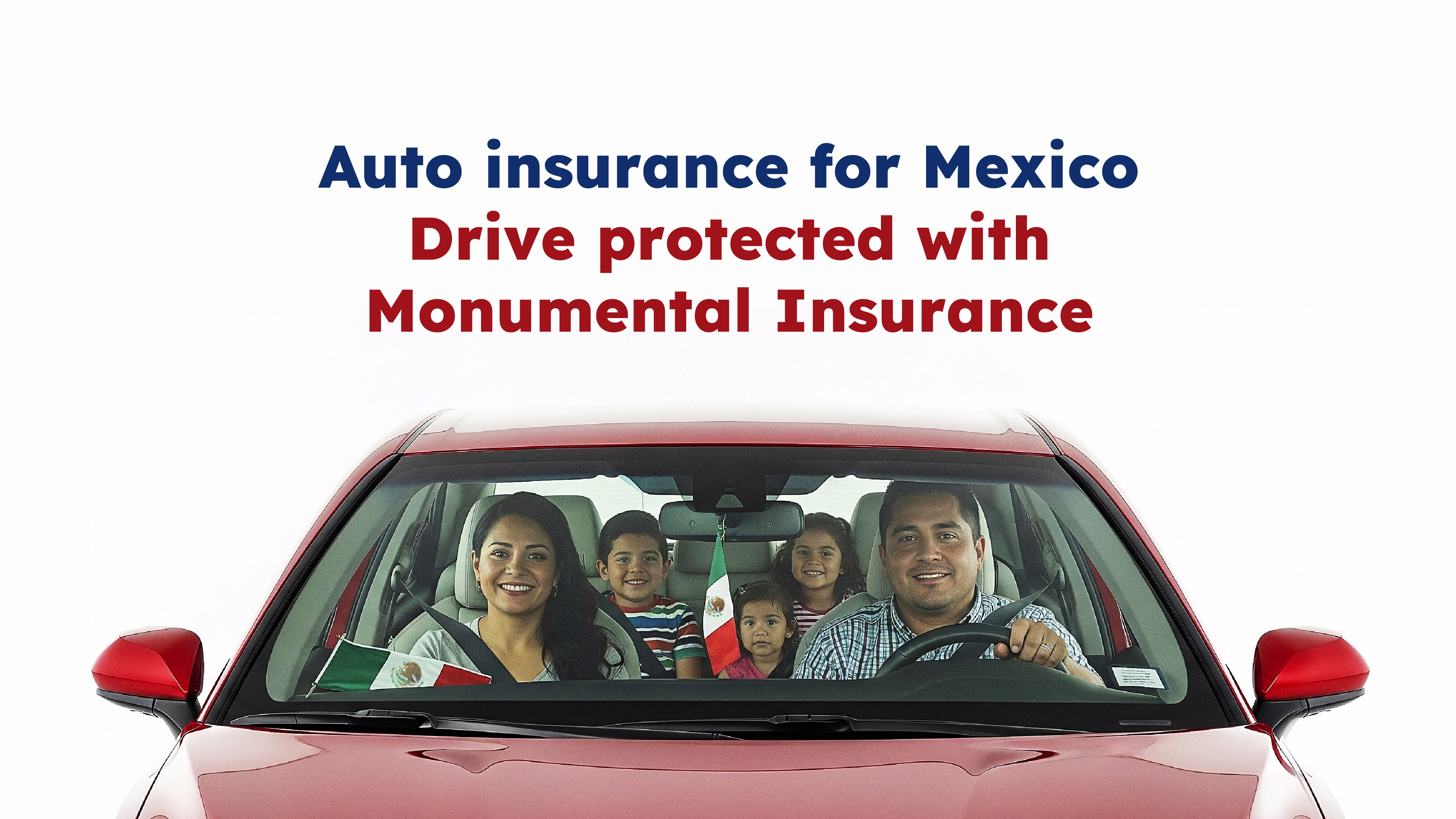
Getting Mexican Auto Insurance: Essential Coverage, Requirements, and Step-by-Step Guide
Getting Mexican auto insurance requires purchasing a policy underwritten by a licensed Mexican insurance carrier, as U.S. and Canadian domestic auto insurance policies are not legally recognized in Mexico. Drivers can purchase short-te...
Getting Mexican auto insurance requires purchasing a policy underwritten by a licensed Mexican insurance carrier, as U.S. and Canadian domestic auto insurance policies are not legally recognized in Mexico. Drivers can purchase short-term or annual coverage online through specialized cross-border brokers prior to travel, ensuring compliance with mandatory civil liability laws and protecting against collision, theft, and legal detention.
Contents
Why U.S. and Canadian Auto Insurance Is Invalid in Mexico
A common misconception among cross-border travelers is that standard U.S. or Canadian auto insurance extends into Mexico. While some domestic policies offer an endorsement covering physical damage to your vehicle within a short distance from the U.S. border (typically 25 to 50 miles), no domestic policy satisfies Mexican legal requirements for third-party liability.
Under Mexico’s Federal Highway, Bridge, and Land Transport Law (Ley de Caminos, Puentes y Autotransporte Federal), all motor vehicles driving on federal highways and bridges must maintain active third-party liability insurance issued by an insurer licensed through Mexico’s National Insurance and Bonds Commission (Comisión Nacional de Seguros y Fianzas, or CNSF).
Mexican Law Legal Requirement:
- Domestic U.S. / Canadian Policy: NOT Recognized legally
- CNSF-Licensed Mexican Policy: MANDATORY Third-Party Civil Liability Coverage
The Mexican legal system operates under civil law rather than common law. In Mexico, an auto accident is treated as a civil matter, but it can quickly escalate to a criminal proceeding if personal injury or severe property damage occurs. If a driver involved in an accident cannot demonstrate the immediate ability to pay for damages—either through cash or an authorized Mexican insurance policy—authorities have the legal right to detain the driver and impound the vehicle while fault and financial liability are determined.
Legal Disclaimer: Insurance regulations, statutory limits, and border enforcement rules change periodically. This guide provides educational information regarding cross-border vehicle coverage as of 2026. Drivers should consult a licensed insurance broker or legal professional regarding specific coverage decisions.
Core Coverage Options in a Mexican Auto Insurance Policy
When purchasing Mexican auto insurance, policies are structured similarly to U.S. and Canadian policies, but they include critical legal provisions tailored to Mexican law. Understanding each coverage component ensures you select adequate limits for your trip.
Mexican Auto Policy Components:
- Civil Liability (Mandatory)
- Medical Costs (Occupants)
- Physical Damage (Collision)
- Total Theft Coverage
- Legal & Bail Assistance
1. Mandatory Third-Party Civil Liability (Responsabilidad Civil)
Third-party liability covers bodily injury and property damage inflicted on individuals outside your vehicle. In Mexico, the legal requirement for liability limits varies by state, but federal guidelines and statutory death benefit amendments under Mexican Labor Law require high indemnity limits.
If a crash results in a fatality, state laws mandate compensation based on multiples of the daily minimum wage. Consequently, carrying a policy with a minimum of $150,000 to $300,000 USD in combined single limit liability is strongly recommended to cover potential legal claims.
2. Legal Assistance and Bail Bond (Asistencia Legal y Fianza)
This is arguably the most vital endorsement in a Mexican auto policy. Because traffic accidents involving bodily injury can lead to police detention, the legal assistance provision ensures that the insurance company dispatches an authorized bilingual attorney to the scene. The insurer provides a bail bond (fianza) to guarantee payment of potential damages, preventing you from being held in police custody while claims are investigated.
3. Medical Payments for Occupants (Gastos Médicos)
Medical payments coverage pays for emergency medical care, ambulance transportation, surgical fees, and hospitalization for the driver and passengers of your insured vehicle, regardless of who caused the accident. This is critical because domestic health insurance plans (and Medicare) rarely provide comprehensive coverage outside your home country.
4. Physical Damage (Daños Materiales)
Physical damage coverage protects your vehicle against collision, rollover, glass breakage, and environmental damage caused by severe weather. Unlike U.S. policies that usually use fixed-dollar deductibles (e.g., $500 or $1,000), Mexican physical damage deductibles are frequently calculated as a percentage of the vehicle's actual cash value—typically 5% for collision damage—though some premium policies offer fixed-dollar deductible options.
5. Total Loss and Theft (Robo Total)
Total theft coverage pays the cash value of the vehicle if it is stolen in its entirety. It is important to note that standard policies cover total theft of the vehicle, not partial theft (such as stolen hubcaps, sound systems, or personal contents left inside the car). Deductibles for total theft generally range between 10% and 15% of the vehicle’s value.
6. Travel and Roadside Assistance (Asistencia en Viaje)
Most comprehensive Mexican policies automatically incorporate emergency roadside services, including towing, battery jump-starts, flat tire changes, fuel delivery, and emergency travel coordination to help you return home or complete your journey.
Step-by-Step Guide: How to Get Mexican Auto Insurance
Obtaining coverage before reaching the border is straightforward and can be completed online in minutes. Below is the step-by-step procedure to ensure your policy is valid and fully compliant.
Steps to Acquire Insurance:
- Gather Vehicle & Driver Information
- Determine Trip Duration (Daily vs. Annual)
- Compare Quotes via Licensed Cross-Border Brokers
- Check Financing Requirements (Lender Approval Letter)
- Finalize Purchase & Print Hard Copies for the Vehicle
Step 1: Gather Required Vehicle and Driver Details
Before starting an application, locate the following documents:
- Vehicle Identification Number (VIN)
- Current license plate number and state/province of registration
- Year, make, model, and sub-model details of the vehicle
- Current odometer reading and estimated current market value
- Valid driver’s license for all intended drivers
- Details of your primary U.S. or Canadian domestic insurance provider (policy number and expiration date)
Step 2: Determine Policy Duration (Daily vs. Annual)
Mexican auto insurance can be purchased on a daily or long-term basis:
- Daily Policies: Ideal for short trips lasting between 1 and 20 days. Rates are calculated on a 24-hour block basis.
- Semi-Annual and Annual Policies: If you plan to spend more than 20 to 25 days total in Mexico over a 12-month period, purchasing an annual policy is almost always more cost-effective than multiple short-term policies.
Step 3: Select a Reputable Broker and Licensed Mexican Underwriter
Because you cannot buy coverage directly from U.S. insurers like State Farm or Geico for Mexican legal compliance, you must purchase through an authorized cross-border insurance broker that partners with top-rated Mexican underwriters. Look for policies underwritten by well-established carriers such as Chubb Seguros México, Mapfre México, HDI Seguros, or Qualitas.
Step 4: Verify Lienholder/Lender Requirements
If your vehicle is financed or leased, your lender retains financial interest in the asset. Most finance companies require you to maintain full comprehensive and collision coverage while traveling abroad. Additionally, some lenders require you to obtain a formal letter of permission granting authorization to take the vehicle into Mexico before issuing an insurance policy or border permit.
Step 5: Complete the Purchase and Print Physical Documents
Complete the application online, pay the premium, and download your policy package. You must print out hard paper copies of your policy declaration page, legal terms, and emergency contact numbers. Mexican traffic officers and claims adjusters require printed documentation; showing a digital copy on a smartphone or tablet is often rejected during traffic stops or accident investigations.
Comparing Policy Types, Coverage Levels, and Costs
The overall cost of Mexican auto insurance depends on several variables: the current market value of your vehicle, the duration of your stay, your chosen coverage level, and whether you travel with towed items (such as trailers, boats, or campers).
The table below outlines typical features and price structures for standard policy configurations:
| Policy Feature / Details | Basic Liability Policy | Standard Comprehensive Policy | Premium / Executive Coverage |
|---|---|---|---|
| Primary Intent | Minimum Legal Compliance | Balanced Value & Asset Protection | Full Risk Protection & Low Out-of-Pocket |
| Third-Party Liability Limit | $150,000 USD | $300,000 USD | $500,000 USD |
| Legal Assistance & Bail | Included | Included | Included |
| Medical Payments (Occupants) | $5,000 per person | $10,000 per person | $15,000+ per person |
| Physical Damage / Collision | Not Covered | Covered (5% Deductible) | Covered (Fixed $500 or 2% Deductible) |
| Total Theft Coverage | Not Covered | Covered (10% Deductible) | Covered (Fixed or Low Deductible) |
| Roadside Assistance | Standard Towing/Fuel | Enhanced Towing & Rental | Full Concierge & Medical Evacuation |
| Est. Daily Cost (Valued $25k) | $10 – $18 / day | $22 – $35 / day | $35 – $50 / day |
| Est. Annual Cost (Valued $25k) | $180 – $280 / year | $320 – $550 / year | $550 – $850+ / year |
Impact of Towed Units
If you are towing a trailer, boat, RV, or extra vehicle behind your car, you must disclose and list all towed units on your auto policy application. Failure to declare towed equipment invalidates your overall policy in the event of an accident, leaving you completely uninsured for both liability and physical damage.
Border Zones, Mainland Travel, and Vehicle Import Permits (TIP)
Understanding where you intend to drive in Mexico determines what additional legal paperwork you need alongside your insurance.
Mexican Travel Zones:
- Free Zone (Zona Libre)
- Baja Peninsula
- Sonora Free Zone
- 20km Border Zone
- NO TIP Required
- MUST HAVE INSURANCE
- Mainland Mexico (Rest of Country)
- Needs Mandatory Mexican Insurance
- Needs Banjercito TIP Deposit
- Registration/Title Verification
The Free Zone (Zona Libre)
Mexico maintains designated "Free Zones" where tourists can drive without obtaining a Temporary Import Permit (TIP) for their vehicle. The Free Zone includes:
- The entire Baja California Peninsula (Baja California Norte and Baja California Sur).
- A defined perimeter along the U.S. border (generally 20 to 25 kilometers inland across northern states).
- State-designated permit-free tourist regions, such as parts of Sonora (west of Highway 15).
Important: Driving in the Free Zone eliminates the need for a TIP, but it does not eliminate the requirement for Mexican auto insurance. Liability coverage remains legally mandatory everywhere in Mexico.
Mainland Mexico and Banjercito TIP Requirements
If you travel past the border zone into mainland Mexico (e.g., driving south past Hermosillo in Sonora, or into states like Jalisco, Guanajuato, or Mexico City), you must obtain a Temporary Import Permit (TIP).
- Issuer: TIPs are issued exclusively by the Mexican military bank, Banjercito.
- Requirements: You must present your passport or FMM tourist card, original vehicle registration or title, driver's license, and proof of legal ownership.
- Guarantee Deposit: You must pay a refundable security deposit ($200 to $400 USD, depending on the vehicle's year model). The deposit is refunded when you return the vehicle and exit mainland Mexico before the permit expires.
What to Do in Case of an Accident in Mexico
Experiencing an auto accident in a foreign country can be stressful, but following the established legal procedure protects your rights and ensures smooth claims processing.
Accident Response Protocol in Mexico:
Pull over to safety and check for injuries.
DO NOT leave the scene of the accident.
Call your insurer's 1-800 toll-free number immediately.
Request an on-site adjuster (Ajustador) and bilingual legal counsel.
Obtain a signed physical copy of the adjuster's report BEFORE returning to the United States or Canada.
Remain at the Scene: Never leave the scene of an accident in Mexico. Fleeing the scene is a major criminal offense and automatically voids your insurance policy.
Contact Your Insurer Immediately: Call the toll-free emergency number listed on your policy declaration page right away. All claims must be reported while you are physically located in Mexico. Once you cross the border back into the United States or Canada, you cannot file a claim for an incident that occurred in Mexico.
Wait for the Adjuster (Ajustador): Mexican insurance companies dispatch local adjusters to the crash scene. The adjuster acts as the intermediary between you, the police, and the other parties involved. They will review damages, assist with statements, and arrange legal representation if needed.
Do Not Accept Private Cash Settlements: Avoid making informal cash arrangements with other drivers on the side of the road without your adjuster present, as doing so can waive your policy rights and expose you to fraud.
Complete Documentation: Obtain a copy of the official claims report and case number from the adjuster before leaving the location.
Frequently Asked Questions
Can I buy Mexican auto insurance at the border crossing?
Yes, physical drive-thru insurance kiosks operate near major border border ports of entry. However, purchasing online prior to your trip is recommended. Online shopping allows you to carefully review policy terms, compare rates from top underwriters, declare towed items accurately, and avoid rush decisions at high-traffic border crossings.
Does my U.S. credit card auto coverage work in Mexico?
Credit card rental car insurance generally does not fulfill Mexican legal requirements. Most credit cards only offer secondary coverage for collision damage to rental vehicles, and they completely exclude third-party civil liability, medical payments, and legal bail bond representation. Relying solely on a credit card can result in vehicle impoundment and detention if an accident occurs.
What happens if I drive into Mexico without auto insurance?
Driving without valid Mexican auto insurance violates federal law. If you are stopped for a traffic violation or involved in an accident, authorities can impound your vehicle, issue heavy monetary fines, and detain you until all third-party damages and legal expenses are satisfied out of pocket.
Is insurance required for towing a trailer, RV, or boat?
Yes. Any item attached to your primary vehicle (utility trailer, travel trailer, towed boat, or flatbed) must be registered and explicitly listed on your policy. If an unlisted towed unit causes damage or is involved in a collision, the insurer can reject coverage for the entire incident.
Do I need an annual policy if I visit Mexico multiple times a year?
If your cumulative travel days in Mexico total more than 20 to 25 days in a 12-month period, an annual policy is almost always cheaper than buying multiple daily policies. An annual policy also provides the convenience of seamless cross-border trips without having to re-enter registration information before each crossing.
Practical Recommendations for Cross-Border Travelers
To ensure a seamless journey into Mexico, complete your preparation well in advance of reaching the border:
- Calculate Your Days: Review your travel itinerary. If you travel frequently or plan an extended stay, secure an annual policy to lock in lower daily rates and comprehensive coverage.
- Verify Vehicle Title Ownership: Ensure that the vehicle registration and title match the primary named insured on the policy. If the vehicle is owned by a corporation or leased, carry a notarized letter authorizing cross-border use.
- Store Paper Copies in Your Glovebox: Print two full sets of your policy documents. Keep one set in your vehicle’s glove compartment and the second set in a secure travel folder with your personal documents.
- Save Emergency Hotlines: Save your Mexican insurance provider's direct toll-free emergency phone number and WhatsApp contact details directly into your mobile phone before crossing the border.
Image Gallery