Understanding Kakadu Tiny Tots Net Worth Today: Business Valuation and Growth Analysis
Kakadu Tiny Tots holds an estimated business net worth and brand valuation between $1.5 million and $3 million AUD. Founded by Indigenous Australian entrepreneur Kylie-Lee Bradford, the ethical brand evolved from a niche baby apparel o...
Kakadu Tiny Tots holds an estimated business net worth and brand valuation between $1.5 million and $3 million AUD. Founded by Indigenous Australian entrepreneur Kylie-Lee Bradford, the ethical brand evolved from a niche baby apparel outfit into a prominent Indigenous lifestyle enterprise following a high-profile appearance on Shark Tank Australia.
Contents
Brand Origins and Cultural Heritage
Kakadu Tiny Tots was established by Kylie-Lee Bradford, a Bininj woman raised in the Kakadu region of Australia's Northern Territory. The company began as a solution to a local market deficit: accessible, culturally authentic, and organic clothing for babies and toddlers that celebrated First Nations heritage.
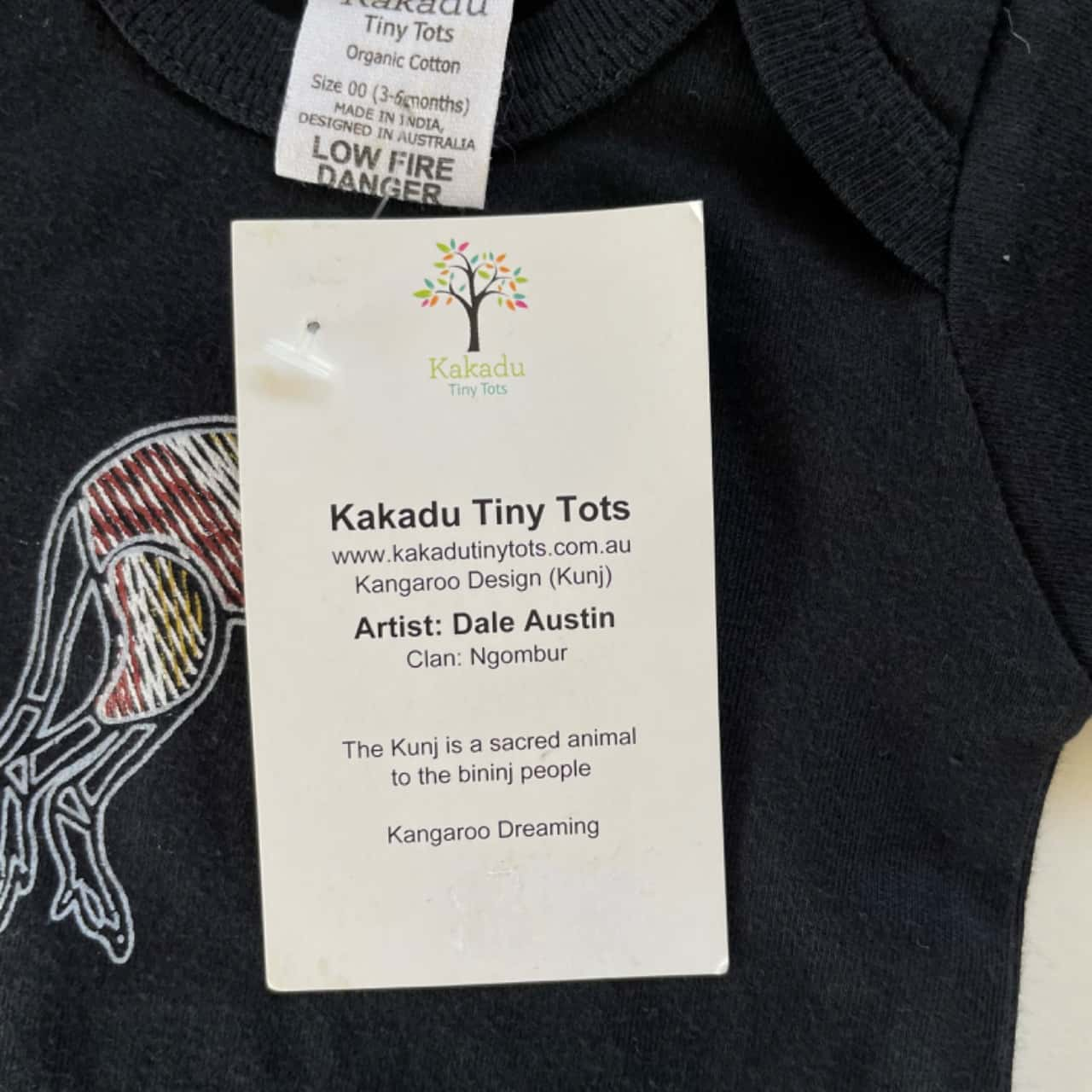
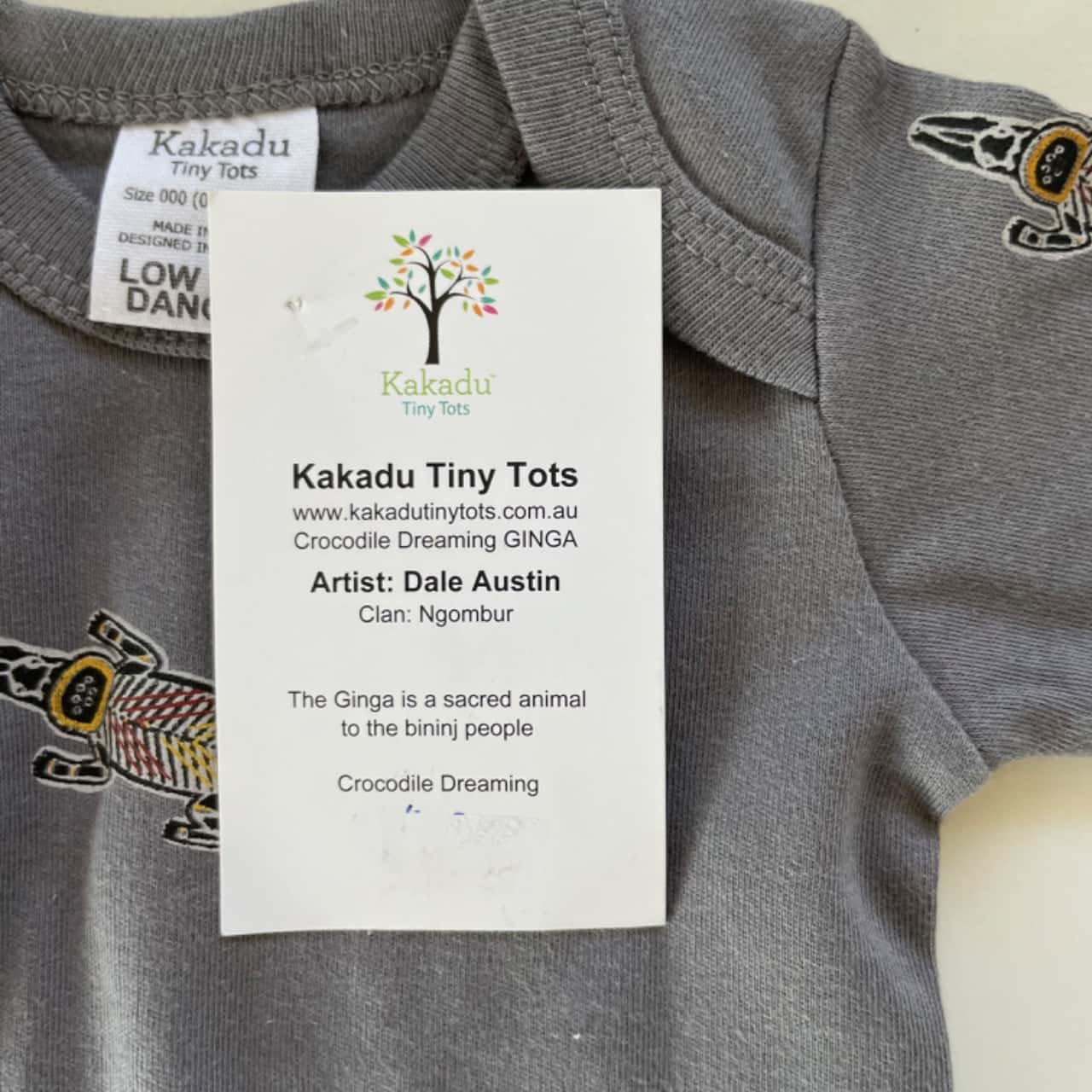
From its inception, the business integrated traditional Indigenous art, sustainable organic cotton fabrics, and native flora into its product range. Rather than functioning solely as a commercial retail business, Kakadu Tiny Tots adopted an ethical enterprise model. It directly supports local Indigenous artists, harvesters, and remote communities by sourcing authentic artwork designs and native botanicals under fair-trade principles.
The inclusion of native Australian botanicals—most notably Kakadu Plum (Terminalia ferdinandiana), renowned for having the world's highest naturally occurring concentration of Vitamin C—allowed the brand to expand beyond children’s clothing. Kakadu Tiny Tots introduced natural skincare, bush remedies, and eco-friendly home items, significantly broadening its addressable market.
The Shark Tank Australia Turning Point
A pivotal moment in the enterprise's commercial trajectory occurred during its appearance on Season 3 of Shark Tank Australia (aired in 2017).
When Kylie-Lee Bradford entered the Shark Tank, she sought an investment of $60,000 AUD in exchange for a 10% equity stake, effectively valuing Kakadu Tiny Tots at $600,000 AUD. At the time of the pitch, the business was generating modest revenues, but the investors recognized the brand's authentic story, unique intellectual property, and high consumer appeal in the growing ethical retail sector.
Shark Tank Pitch Metrics (2017): - Initial Ask: $60,000 AUD for 10% Equity ($600,000 Implied Valuation) - Final Agreed Deal: $60,000 AUD for 40% Equity ($150,000 Implied Valuation) - Participating Investors: Dr. Glen Richards and Steve Baxter
Although accepting an offer that valued the business at $150,000 AUD represented a significant step down from the founder's initial ask, the strategic value of the investors proved transformative. Dr. Glen Richards (founder of Greencross Vets) and Steve Baxter (tech investor and entrepreneur) provided capital alongside expertise in supply chain optimization, digital scaling, and retail distribution.
Revenue Models and Financial Drivers
Understanding Kakadu Tiny Tots' net worth requires examining its multi-channel revenue model. Private retail companies of this scale generate value across several distinct streams:
1. Direct-to-Consumer (DTC) E-Commerce
The primary driver of retail revenue is the company’s online portal. DTC sales afford higher gross margins—typically between 60% and 75% for organic cosmetics and print-on-demand or bulk-manufactured apparel—compared to wholesale arrangements.
2. Natural Skincare and Wellness Line
The expansion into natural skincare utilizing Kakadu Plum, tea tree, paperbark, and native eucalyptus extracts established a recurring revenue model. Unlike clothing, which is bought periodically as children grow, skincare products carry a higher consumable repurchase rate.
3. Corporate Gifting and Government Procurement
In Australia, federal and state Reconciliation Action Plans (RAPs) encourage corporations and public sector agencies to procure goods from registered First Nations enterprises. Kakadu Tiny Tots leveraged Supply Nation certification to secure corporate gift hamper contracts, conference merchandise orders, and official government cultural gifts.
4. B2B Wholesale Distribution
The brand supplies boutique baby stores, eco-friendly gift shops, museum cultural centers, and airport retail outlets across Australia and select export channels in Asia-Pacific and North America.
Financial Evolution and Valuation Benchmark Table
Because Kakadu Tiny Tots operates as a private proprietary limited company (Pty Ltd) in Australia, its exact balance sheet figures are not subject to public filing requirements. However, using standard Australian SME private business valuation methodology (multiples of annual recurring revenue and earnings before interest, taxes, depreciation, and amortization—EBITDA), we can track its growth trajectory.
| Financial Indicator / Metric | Pre-Shark Tank Era (2016) | Post-Shark Tank (2018–2020) | Current Enterprise Standing |
|---|---|---|---|
| Estimated Annual Revenue | Under $100,000 AUD | $300,000 – $600,000 AUD | $750,000 – $1,500,000 AUD |
| Primary Sales Channel | Local markets & regional web | E-commerce & corporate B2B | Multi-channel (DTC, B2B, Export) |
| Core Product Lines | Baby clothing & swaddles | Apparel + Bush Medijina/Skincare | Skincare, Apparel, Homewares, Hampers |
| Implied Business Valuation | ~$100,000 AUD | $150,000 – $500,000 AUD | $1,500,000 – $3,000,000 AUD |
| Valuation Multiple Used | 1.0x Annual Sales | 1.5x – 2.0x Annual Sales | 2.0x – 3.0x Revenue (Brand Equity included) |
Key Assets Contributing to Brand Equity
Net worth in consumer product businesses extends beyond liquid cash reserves and inventory balance sheets. For Kakadu Tiny Tots, intangible assets make up a substantial portion of the overall valuation:
- Authentic First Nations Intellectual Property: Authentic Indigenous branding carries significant premium positioning in international markets. Kakadu Tiny Tots holds protected trademarks, product formulations, and commercial licensing agreements with regional artists.
- Supply Nation & Ethical Certifications: Certification as an Indigenous-owned enterprise unlocks exclusive B2B corporate and government supply tenders under Australia's Indigenous Procurement Policy (IPP).
- Proprietary Skincare Formulations: Formulations using wild-harvested Kakadu Plum provide defense against market entry by non-authentic competitors, giving the brand a defensible market moat.
- Customer Lifetime Value (LTV): High customer retention across baby gift categories and personal skincare lines lowers customer acquisition costs (CAC), directly boosting operating margins.
Challenges Impacting Financial Growth
While Kakadu Tiny Tots has established steady growth, several operational constraints influence its upper-tier valuation potential:
- Supply Chain and Ingredient Seasonality: Sourcing wild-harvested botanicals from the Northern Territory depends on seasonal harvest yields and regional weather conditions, creating supply bottlenecks for skincare manufacturing.
- Scalability of Ethical Apparel Manufacturing: Maintaining strictly ethical, organic, and fair-trade production standards keeps cost-of-goods-sold (COGS) higher than mass-market competitors who use overseas synthetic manufacturing.
- Market Competition: The natural skincare and organic baby wear segments feature heavy competition from global cosmetics conglomerates and eco-boutique brands, requiring ongoing marketing spend to retain visibility.
Frequently Asked Questions
What is Kakadu Tiny Tots' estimated net worth today?
Kakadu Tiny Tots has an estimated business valuation between $1.5 million and $3 million AUD, driven by its expansion into natural skincare, corporate supply arrangements, and strong brand equity.
Who owns Kakadu Tiny Tots?
The company was founded by Bininj entrepreneur Kylie-Lee Bradford. Equity is shared between the founder and investors who acquired stakes during its expansion phases, including investors from Shark Tank Australia.
What happened after Kakadu Tiny Tots appeared on Shark Tank Australia?
After accepting a $60,000 AUD offer for 40% equity on air from Dr. Glen Richards and Steve Baxter, the business expanded beyond baby apparel into bush botanicals, organic skincare, and international distribution.
Where are Kakadu Tiny Tots products manufactured and sourced?
Products are designed in Australia, utilizing organic cotton and native botanicals—such as wild-harvested Kakadu Plum—sourced directly from remote Indigenous communities in Australia's Northern Territory.
How does Kakadu Tiny Tots generate revenue?
The enterprise generates revenue through direct-to-consumer e-commerce sales, wholesale distribution to boutique and cultural retailers, and corporate gifting contracts under Indigenous procurement policies.
Summary Recommendation for Investors and Entrepreneurs
Analyzing the financial growth of Kakadu Tiny Tots offers valuable lessons for ethical brand founders and impact investors. Small consumer-goods enterprises built around authentic cultural heritage can achieve substantial brand equity by diversifying product lines (moving from low-frequency apparel to high-frequency skincare) and securing institutional procurement partnerships. For sustainable growth, management must continue balancing wild-harvest supply limits with expanding global direct-to-consumer demand.
Image Gallery