Why the Bills Cheerleader Saga Matters: Labor Rights, NFL Reform, and Legal Precedents
The Buffalo Jills cheerleader saga matters because it exposed systemic wage theft, misclassification, and restrictive workplace conditions within professional sports entertainment. The lawsuit led to landmark labor legislation in New Y...
The Buffalo Jills cheerleader saga matters because it exposed systemic wage theft, misclassification, and restrictive workplace conditions within professional sports entertainment. The lawsuit led to landmark labor legislation in New York and California, fundamentally altered how NFL teams structure cheerleading operations, and established crucial legal precedents regarding worker classification and fair compensation.
Contents
The Origins of the Buffalo Jills Legal Action
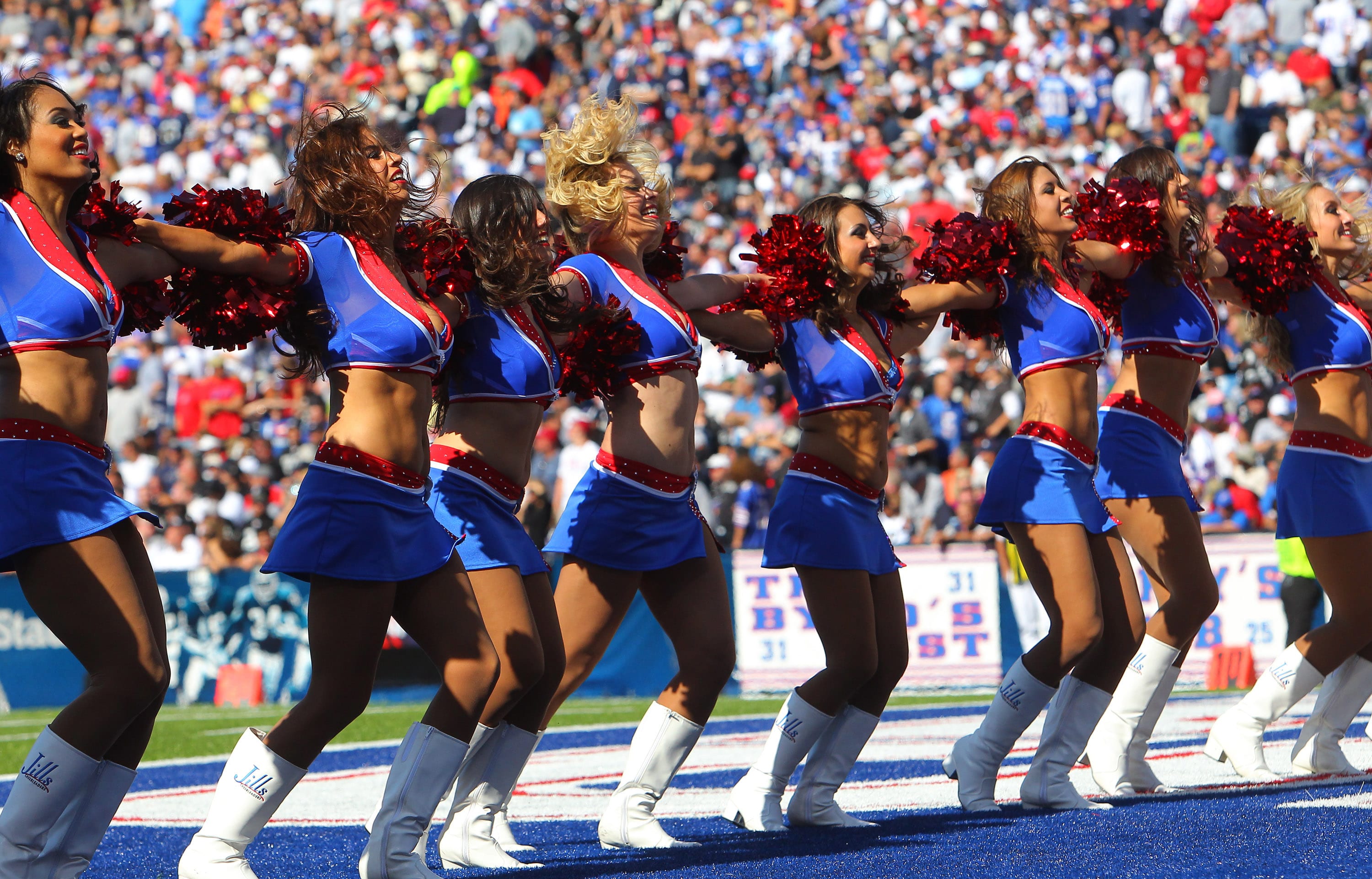
In April 2014, five former members of the Buffalo Jills—the official cheerleading squad for the Buffalo Bills—filed a groundbreaking lawsuit in New York State Supreme Court against the team management and third-party operating entities (including Citrynell Inc. and Stearns Enterprises). The lawsuit alleged widespread violations of New York State Labor Law, asserting that squad members were subjected to mandatory, uncompensated labor, extreme personal control, and systemic wage theft under the guise of independent contracting.
For decades, professional sports franchises relied on third-party management companies or subsidiary models to insulate themselves from direct employment obligations toward cheerleaders. The Buffalo Jills were managed through such arrangements, which allowed the primary enterprise to market the squad’s image, drive ticket sales, and secure sponsorship revenue while transferring operational overhead and legal liabilities to small vendors.
Under this operational model, Jills members were classified as independent contractors or volunteers rather than non-exempt employees. Consequently, squad members received zero compensation for hundreds of hours of work, including:
- Mandatory Game Day Operations: Performing at all home games, arriving hours prior to kickoff, and participating in halftime rehearsals without hourly pay.
- Required Public Appearances: Attending dozens of mandatory corporate sponsor functions, golf tournaments, and charity events without receiving compensation.
- Annual Calendar Shoots and Rehearsals: Spending unpaid days traveling, photographing, and rehearsing for promotional products sold by the organization.
Rather than receiving minimum wage or overtime compensation, team members were paid nominal fees for select private appearances, from which management frequently deducted administrative costs. In many instances, cheerleaders were required to pay out-of-pocket expenses for their uniforms, cosmetic upkeep, travel, and mandatory promotional calendars that they were instructed to sell independently.
| TRADITIONAL (Pre-2014) | POST-SAGA REFORMS |
|---|---|
| Independent contractor misclassification | W-2 employee status |
| Unpaid rehearsals & game days | Guaranteed statutory minimum wage |
| Invasive, subjective conduct handbooks | Standard workplace HR policies |
| Out-of-pocket uniform/grooming costs | Employer-provided equipment |
The Rulebook, the "Jiggle Test," and Workplace Dignity
The legal challenges extended beyond unpaid wages to address workplace dignity, personal privacy, and gender-based discrimination. Evidence introduced in the litigation highlighted an exceptionally detailed, invasive 35-page handbook provided to squad members by management. The document prescribed minute details of the cheerleaders' personal lives, hygiene, and social interactions.
Prescriptive Personal Guidelines
The handbook contained mandatory instructions covering personal hygiene, formal dining etiquette, and approved conversational topics. It regulated hair styling, makeup application, nail polish selection, and acceptable feminine hygiene products. Crucially, failure to comply with these subjective aesthetic standards resulted in administrative penalties, benchings (suspensions from game-day performances), or formal termination.
The "Jiggle Test" and Physical Scrutiny
Among the most criticized practices brought to light during legal proceedings was the mandatory physical evaluation known internally as the "jiggle test." Management conducted weekly assessments evaluating squad members' bodies for firmness. Performers were evaluated while jumping, with supervisors scrutinizing specific body parts—including thighs, abdomen, and arms—to determine whether physical movement met aesthetic standards. Those who failed were penalized financially or barred from performing, despite receiving no hourly pay for their participation.
Financial Burdens and Out-of-Pocket Mandates
Squad members were required to purchase their uniforms—costing up to $650—and pay for obligatory hair and makeup maintenance at designated partner salons. Furthermore, each cheerleader was mandated to sell a minimum quota of annual Jills calendars. If a performer failed to meet her sales threshold, she was held personally liable for the financial deficit.
This combination of stringent behavioral control, mandatory unpaid physical labor, and out-of-pocket financial obligations formed the legal core of the complaint, demonstrating that the organization exercised total control over the workers while denying them basic statutory employee rights.
Legal Outcomes and Statutory Legislation
The Buffalo Jills litigation served as a catalyst for legislative and judicial standard-setting across the United States, challenging the sports industry's historic reliance on contractor misclassification.
- 2014 - Jills Lawsuit Filed: Exposed wage theft & contractor misclassification
- 2015 - CA Passes AB 202: Mandated employee status for pro cheerleaders
- 2015-2016 - NY Passes Cheerleader Act: Codified minimum wage & overtime protections
New York State Labor Law and Judicial Rulings
Under the Fair Labor Standards Act (FLSA) and New York State Labor Law, the legal distinction between an independent contractor and an employee rests heavily on the degree of control an employer exercises over the worker. The courts examine whether the business controls the manner, means, and details of the performance, supplies the equipment, dictates schedules, and integrates the worker into its core business operations.
In the Buffalo Jills proceedings, the court found that the administrative control exerted through mandatory handbooks, compulsory appearance schedules, and dictated appearance standards was inconsistent with independent contractor status. The legal proceedings resulted in financial settlements for affected squad members and led the Buffalo Bills organization to suspend operations of the Buffalo Jills squad indefinitely.
Legislative Reforms: New York and California
The public outrage and legal findings surrounding the Buffalo Jills and concurrent lawsuits involving the Oakland Raiderettes led directly to landmark legislative reform:
- California Assembly Bill 202 (2015): California became the first state to pass legislation specifically requiring professional sports teams operating within the state to classify cheerleaders as employees. According to the text of California Assembly Bill 202, teams must extend fundamental employment protections, including statutory minimum wage, overtime compensation, sick leave, and rest breaks.
- New York State Professional Cheerleader Law (2015-2016): Following the California precedent, New York enacted legislation under New York State Assembly Bill A08501 (and Senate equivalent S05884), amending the state labor law to explicitly mandate that professional cheerleaders performing for sports franchises in New York are designated as employees entitled to full labor protections under state law.
Industry-Wide Impact Across Professional Sports
The resolution of the Buffalo Jills saga prompted widespread structural shifts across the National Football League, the National Basketball Association, and other major sports properties.
- WAGE STRUCTURE: Shift from flat stipends to W-2 hourly rates
- HR REFORM: Transition from vendor contracts to internal HR
- SQUAD DYNAMICS: Rebranding legacy squads to modern entertainment
Elimination of Sub-Minimum Wage Compensation
Prior to 2014, cheerleaders across multiple NFL teams reported earnings equivalent to less than $3 to $5 per hour when accounting for mandatory, uncompensated rehearsal time and preparation. Following the legal resolutions in Buffalo, Oakland, Tampa Bay, and Cincinnati, NFL franchises restructured cheerleading operations. Squad members were transitioned to standard W-2 employment contracts, receiving guaranteed statutory hourly minimum wages, overtime pay for game days and rehearsals, and reimbursement for mandatory travel and uniform care.
Modernization of Franchise HR Frameworks
Franchises largely abandoned third-party vendor arrangements for squad management, bringing cheerleading operations under direct corporate human resources oversight. This shift eliminated predatory handbooks, standardizing employee handbooks to align with general corporate workplace harassment policies, non-discrimination protections, and occupational health guidelines.
Redesign and Rebranding of Entertainment Squads
The litigation forced teams to evaluate the operational risks associated with traditional cheerleading squads. Several franchises responded by dismantling legacy squads entirely, while others modernized their groups into co-ed dance troupes or drumlines with transparent hourly employment models focused purely on athletic and artistic performance.
Comparative Analysis of Professional Cheerleader Lawsuits
The Buffalo Jills litigation was part of a broader legal movement across professional sports during the mid-2010s. The following table highlights the key legal actions, claims, and structural outcomes of major franchise cheerleader lawsuits.
| Franchise / Squad | Jurisdiction | Primary Legal Claims | Operational & Statutory Outcome |
|---|---|---|---|
| Buffalo Jills (Buffalo Bills) | New York State Supreme Court | Misclassification, unpaid labor, invasive conduct rules, mandatory out-of-pocket costs | Squad operations suspended; spurred enactment of NY State Professional Cheerleader Law; financial settlement. |
| Raiderettes (Oakland Raiders) | U.S. District Court, N.D. Cal. | Wage theft, sub-minimum wage, withholding pay until end of season | $1.25 million settlement; squad converted to W-2 employees; catalyst for California AB 202. |
| Ben-Gals (Cincinnati Bengals) | U.S. District Court, S.D. Ohio | FLSA minimum wage violations, unpaid rehearsal hours | $825,000 settlement; implementation of hourly compensation structures. |
| Buccaneers Cheerleaders (Tampa Bay Bucs) | Florida Circuit Court | FLSA violations, unpaid game day and appearance hours | $825,000 settlement; mandatory pay restructuring across team operations. |
| Gold Rush (San Francisco 49ers) | Superior Court of California | Uncompensated work hours, meal break and rest period violations | Reached class-action settlement; immediate transition to full employee benefits and hourly pay. |
Broader Lessons for Independent Contractor Law and Corporate Governance
The Bills cheerleader saga offers critical lessons for corporate governance, employment compliance, and independent contractor classification across various service and entertainment industries.
The Misclassification Risk Matrix
Employers across all industries face substantial legal liabilities when misclassifying personnel to reduce labor costs. The legal test consistently focuses on economic reality and operational control rather than contractual labels. When a company dictates scheduling, dress codes, personal conduct, and performance standards, workers are legally entitled to employee status, regardless of standard liability waivers signed prior to employment.
Third-Party Vendor Liability
Franchises that attempt to delegate operational liability to small third-party management companies remain exposed to joint-employer liability. Modern court rulings establish that primary entities exercising indirect operational oversight, brand management, and venue control share joint legal responsibility for wage theft and labor law compliance.
Gender Equity and Fair Compensation in Entertainment
The cheerleader litigation underscored persistent pay disparities within professional sports ecosystems. While male athletic support staff, equipment managers, and entry-level venue operations personnel historically received standard statutory compensation and employer-provided gear, female performers were subjected to sub-minimum wages and out-of-pocket overhead. The resolution of these lawsuits established that entertainment operations must align with state and federal gender-equity and labor protections.
Frequently Asked Questions
What was the core legal argument in the Buffalo Jills lawsuit?
The core legal argument was that the management entities misclassified the Buffalo Jills as independent contractors or volunteers rather than employees under New York State Labor Law. This misclassification allowed management to avoid paying statutory minimum wages, overtime, and mandatory expense reimbursements for hundreds of hours of mandatory rehearsals, game days, and promotional appearances.
Did the Buffalo Bills franchise own the Buffalo Jills directly?
No. The Buffalo Jills were managed by independent third-party entities, such as Stearns Enterprises and Citrynell Inc., under licensing agreements with the Buffalo Bills franchise. However, the lawsuit named both the third-party managers and the franchise, establishing that the team exercised sufficient operational control over the venue, brand, and squad activities to share joint-employer legal responsibility.
What statutory laws were created directly due to the cheerleader lawsuits?
The lawsuits directly inspired two major pieces of state legislation: California Assembly Bill 202 (2015) and New York State Assembly Bill A08501 / Senate Bill S05884 (2015–2016). Both laws explicitly amend state labor codes to mandate that professional sports cheerleaders are classified as employees entitled to statutory minimum wage, overtime pay, sick leave, and standard worker protections.
Are professional cheerleaders in the NFL now paid minimum wage?
Yes. Following the class-action lawsuits and subsequent legislation, NFL teams transitioned cheerleaders and dance squad members from flat-fee stipends to W-2 employee status. Performers are paid hourly minimum wages, earn overtime for hours exceeding standard thresholds, and receive direct employer coverage for uniforms, specialized equipment, and mandatory travel.
Why did the Buffalo Bills disband the Buffalo Jills?
Following the filing of the lawsuit in April 2014, management suspended operations of the Buffalo Jills to mitigate ongoing legal exposure and financial liability. The team chose not to reinstate the squad under a revised employment contract model, leaving the franchise without an official cheerleading squad in subsequent seasons.
Conclusion and Strategic Takeaways
The Buffalo Jills cheerleader saga serves as a definitive case study in employment law, corporate compliance, and labor rights reform. It demonstrated that brand prestige and industry tradition do not exempt organizations from statutory wage and hourly requirements.
For business managers, human resources professionals, and corporate legal advisers, the saga underscores three vital imperatives:
- Conduct Rigorous Audits of Worker Classification: Evaluate whether gig workers, brand ambassadors, and independent contractors meet strict legal criteria for independence, specifically regarding control over schedules, personal behavior, and core operational tasks.
- Recognize Joint-Employer Liabilities: Do not rely on third-party vendor arrangements to shield an organization from wage-and-hour compliance when your enterprise controls the working conditions and brand usage.
- Modernize Internal Conduct Policies: Ensure employee handbooks and performance evaluation tools focus exclusively on objective, job-related criteria rather than invasive personal regulations that create substantial legal liability.
Image Gallery