How to Choose Free Gay Apps: Privacy, Features, and Platform Guide
Choosing the right free gay app requires evaluating non-paid feature access, user privacy controls, geographic population density, and platform security protocols. By prioritizing apps with robust data protection, transparent moderatio...
Choosing the right free gay app requires evaluating non-paid feature access, user privacy controls, geographic population density, and platform security protocols. By prioritizing apps with robust data protection, transparent moderation guidelines, and unrestrictive messaging on free tiers, users can find safe, functional platforms for casual dating, relationship building, or community networking without unexpected subscription costs.
Contents
Defining Your Primary Goal: Dating, Encounters, or Community
Before downloading any mobile application, clarify your primary intention. Gay, bi, trans, and queer social platforms generally specialize in distinct interaction models. Selecting an app misaligned with your expectations leads to frustration, regardless of how well the app functions technically.
Casual Encounters and Proximity-Based Networking
If your objective is local proximity networking or spontaneous meetups, location-based grid applications prioritize real-time distance sorting over detailed compatibility algorithms. Platforms built around proximity grids display profiles based on geographic distance from your mobile device, allowing users to browse immediate surroundings quickly.
Relationship-Oriented Dating
If you seek long-term relationships or structured dating, choose platforms that emphasize detailed profile questionnaires, multi-dimensional search filters, and algorithmic matching. These apps often utilize standard swipe interfaces rather than continuous distance grids, encouraging users to evaluate profile bios, shared interests, and values rather than physical distance alone.
Niche Subcultures and Identity-Specific Networks
The LGBTQ+ community includes diverse subcultures, identities, and interest groups. Specific platforms serve distinct demographics—such as bears, leather communities, trans individuals, or older men—providing tailored search parameters (like body type, subculture tags, or relationship preferences) that general-audience applications lack.
Key Criteria for Evaluating Free Gay Apps
Not all free mobile applications offer equal value. Most operate under a "freemium" business model, meaning basic access is free while enhanced features sit behind paywalls. Evaluating how restrictive a platform’s free tier is ensures you do not waste time on an app that requires a paid subscription for basic communication.
App Evaluation Checklist:
- Functional Free Tier
- Messaging
- Grid Size
- Search Filters
- Privacy & Data Control
- Distance Fuzzing
- Data Sharing Policies
- Security & Moderation
- Photo Verification
- Reporting Tools
- Geographic Density
- Local User Count
- Urban vs. Rural
1. Free Tier Functionality vs. Subscription Paywalls
Examine what functionality remains available without a monthly subscription. Essential questions to ask include:
- Can you send and receive unlimited messages? Some platforms restrict free users to a small number of conversations per day or require payment to open incoming messages.
- How large is the free profile grid or match queue? Platforms may limit free grid views to 20 or 30 profiles, while others display 100 or more before triggering a paywall.
- Which search filters are available for free? Basic filters like age and distance should remain accessible. Crucial filters like relationship status, gender identity, or specific interests are often locked behind paid tiers.
2. Privacy Controls and Data Security Policies
Privacy is a critical consideration for LGBTQ+ digital platforms, particularly for users living in regions where non-heteronormative relationships carry social stigma or legal risks. Review how each platform handles sensitive user data.
- Distance Fuzzing and Concealment: The ability to hide your exact distance or mask your geographic coordinates prevents third parties from calculating your precise physical location using trilateration (measuring distance from three separate points).
- Profile Visibility: Superior platforms allow users to toggle profile visibility off while browsing or hide their profile from the public grid without deleting their account.
- Data Broker Policies: Review the app’s privacy policy to confirm whether your account information, health status, or location data is sold to advertising networks or third-party data brokers. The Federal Trade Commission (FTC) provides regulatory guidance on consumer app privacy standards and deceptive data-sharing practices.
3. Account Verification and Moderation Standards
Spam accounts, automated bots, and bad-faith actors degrade user experience and compromise digital safety. Evaluate the safety tools integrated into the app:
- Photo Verification: Platforms that offer photo verification badges (requiring users to submit a real-time selfie matching their profile photos) significantly reduce catfish and fake profiles.
- In-App Reporting and Blocking: Verify that blocking a profile immediately severs communication, hides your profile from the blocked user, and removes shared chat histories.
- Active Moderation: Platforms with transparent community guidelines and active moderation teams process reports faster, maintaining safer digital spaces.
4. Geographic Density and Demographics
An app’s overall utility depends directly on its active user density in your specific geographic area. A platform with millions of international downloads may have zero active profiles in your town. Major metropolitan areas support specialized niche apps, whereas rural or suburban regions usually require downloading the most widely used general platforms to secure active local connections.
Comparing Leading Free Gay Platforms
The following table summarizes key features, free-tier limits, and privacy capabilities across widely used platforms:
| App Name | Primary Focus | Free Tier Capabilities | Key Privacy & Safety Features | Best Suited For |
|---|---|---|---|---|
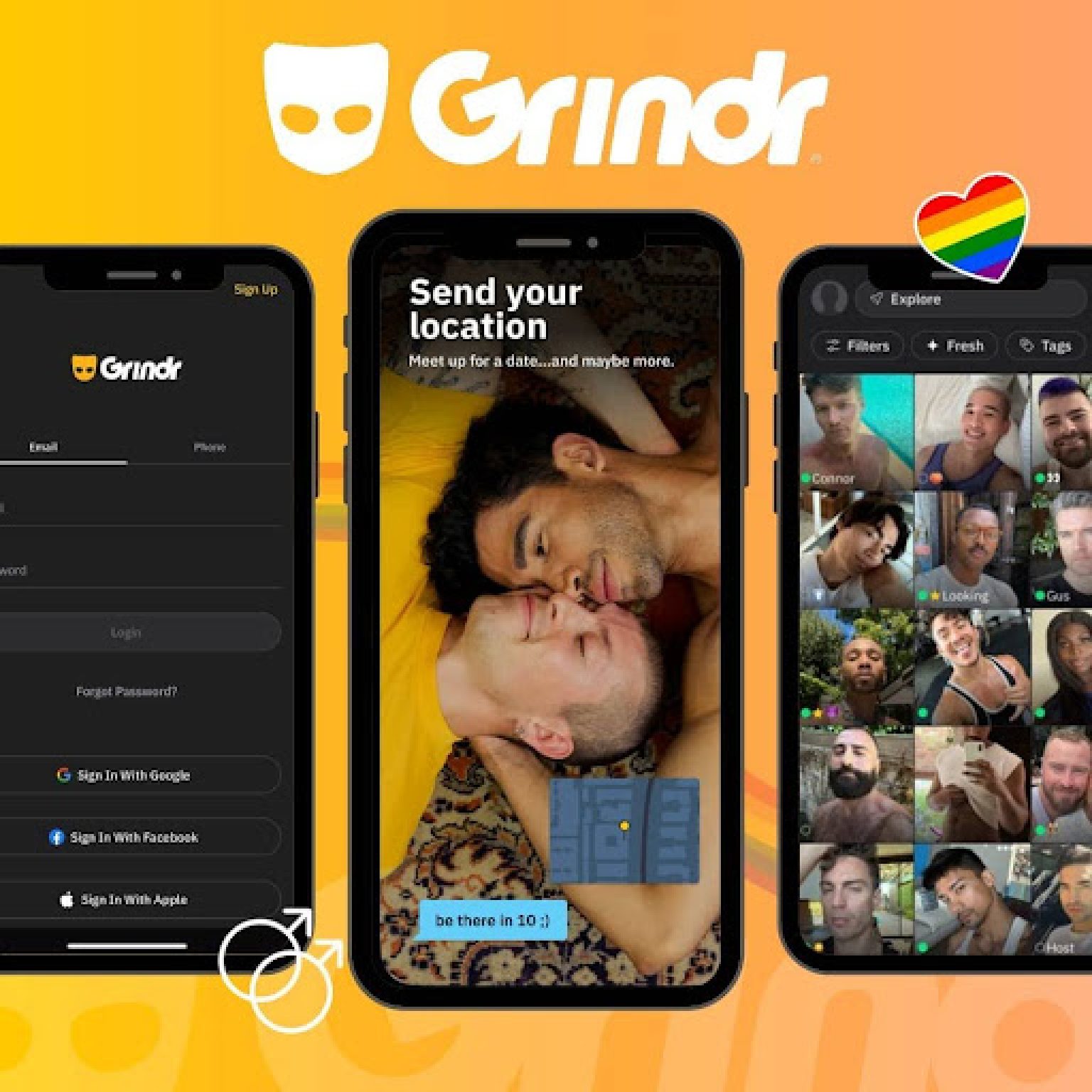
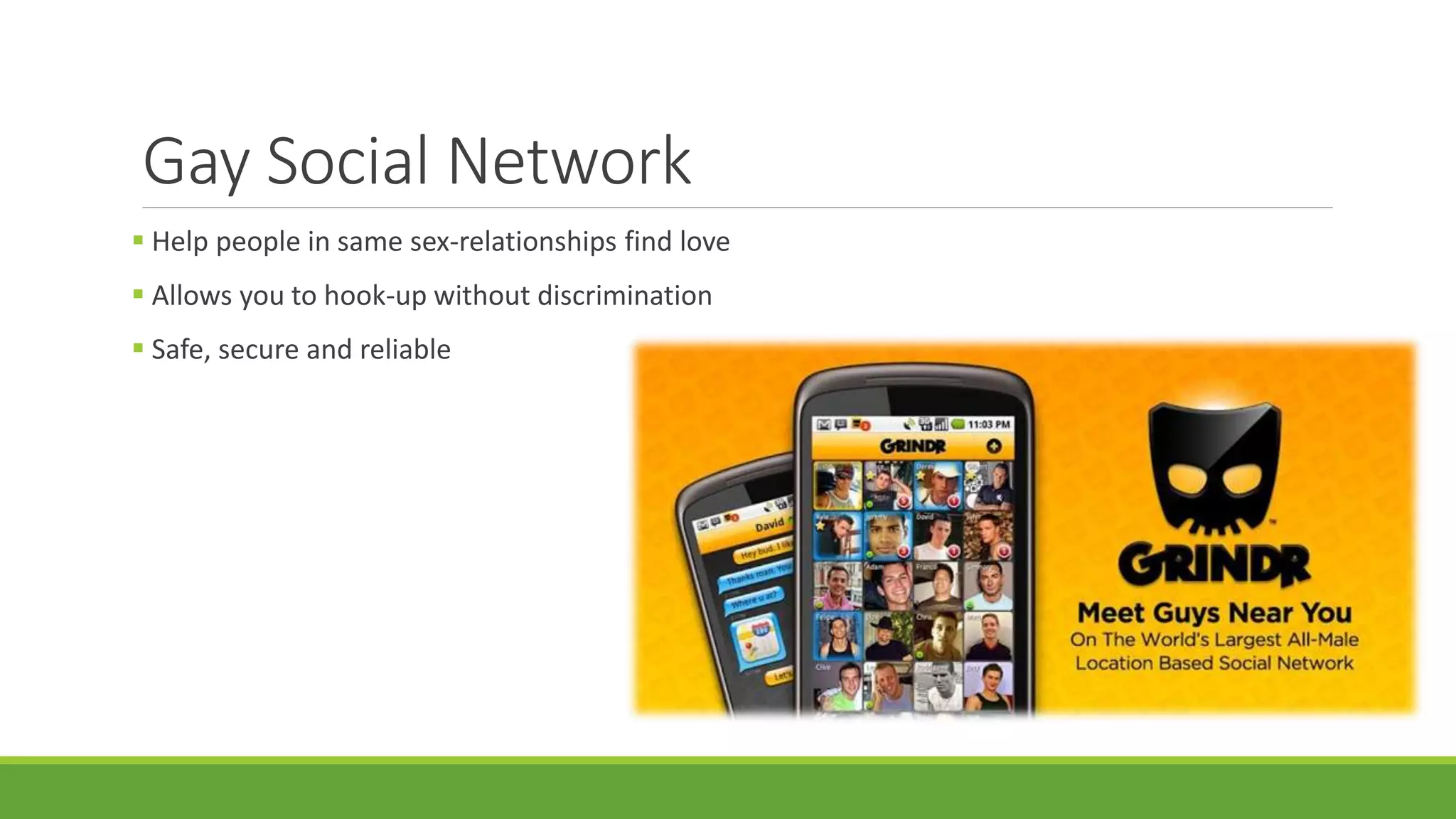
| Grindr | Proximity grid / Casual encounters | Basic grid access, direct messaging, standard location filters | Distance hiding, block/report tools, screenshot blocking in private chats | Maximum local user density in most global regions |
| Scruff | Proximity grid / Bear & subculture community | Unlimited messaging, basic grid, event listings, travel search | Disabling distance display, detailed safety guides, robust blocking | Subculture networking, travel planning, and adult dating |
| Jack'd | Proximity grid / Diverse subcultures & POC focus | Direct messaging, main grid access, basic filtering | Photo verification, distance masking, account privacy toggles | Diverse urban demographics and inclusive community spaces |
| ROMEO (PlanetRomeo) | Proximity grid & web platform / Comprehensive profiles | Extensive profile details, unlimited messaging, web browser access | Granular privacy settings, option to hide online status, detailed profile permissions | European users and those preferring desktop/mobile hybrid access |
| Taimi | Social network & dating app / Full LGBTQ+ spectrum | Swipe interface, video stories, basic social posts, search filters | Mandatory photo verification options, PIN lock, custom visibility settings | Inclusive social networking, friendship, and fluid dating |
| Hinge | Relationship-focused matching | Limited daily swipes, detailed prompts, location and age filters | Phone number/social verification, strict content moderation | Users seeking committed relationships rather than casual meetups |
Privacy and Risk Management
Using location-enabled applications requires managing risks related to location tracking, data leaks, and digital harassment.
LOCATION PRIVACY THREAT MATRIX
| Threat Vector | Operational Risk | Technical Countermeasure |
|---|---|---|
| Exact Distance Display | Trilateration tracking | Disable distance display |
| Third-Party Data Sales | Profile correlation | Opt-out of ad tracking |
| Unverified Profiles | Impersonation/Spam | Require selfie badge |
| Exposing External IDs | Cross-platform doxxing | Use unique app photos |
Mitigating Trilateration Risks
When an app displays your exact distance (e.g., "320 feet away"), tech-savvy actors can pinpoint your physical position by recording your distance from three distinct locations. To protect your location:
- Access the app settings and disable Show Distance.
- Avoid checking location-based apps continuously from your home or workplace.
- Use apps that automatically "fuzz" or round distance metrics to the nearest kilometer or mile.
Shielding Personally Identifiable Information (PII)
Protecting your digital identity prevents cross-platform tracking and potential harassment:
- Use Exclusive Photos: Do not reuse photos on your dating profile that appear on your public social media accounts (such as LinkedIn, Instagram, or Facebook). Reverse-image search tools can easily link an anonymous dating profile to your full legal name and place of employment.
- Keep Contact Information In-App: Communicate through the app’s internal messaging system until you have verified the identity of the person you are chatting with. Avoid sharing your personal phone number, home address, or social media handles prematurely.
- Inspect Shared Media: Be cautious when sending photos stored directly on your phone, as raw image files can contain embedded EXIF metadata (including GPS coordinates, device models, and timestamps). Most major dating apps strip EXIF data automatically upon upload, but sending raw files via external messaging channels can expose your location. Technical privacy standards documented by the Electronic Frontier Foundation (EFF) provide comprehensive guidance on digital self-defense and metadata management.
Understanding App Monetization Models
Understanding how "free" platforms generate revenue helps you anticipate usage limits and manage data privacy expectations.
Free App Monetization:
- Freemium Upsell (Paid tiers lock basic features behind fees)
- Ad-Supported Model (Banner ads, video popups interrupt free usage)
- Data Licensing (Aggregated user trends shared with third parties)
1. In-App Advertising
Free apps frequently serve banner advertisements, pop-up videos, or sponsored profile placements between user interactions. While ads can be intrusive, ad-supported apps are less likely to restrict core messaging capabilities behind paywalls.
2. Premium Subscription Upsells
Platforms restrict non-paying accounts by limiting search filters, grid size, or daily swipe volume. Subscription tiers (such as Grindr XTRA, Scruff Pro, or Taimi XL) remove these restrictions, grant read receipts, and allow users to browse profiles in other cities.
3. In-App Microtransactions
Many apps charge a la carte fees for single-use features, such as "boosts" (temporarily promoting your profile to the top of local grids), "super likes," or sending direct messages to popular profiles without waiting for a match.
Step-by-Step Selection Process
Follow this practical workflow to evaluate, select, and safely set up a new free gay app:
- Step 1: Define Intent
- Step 2: Check Local Density
- Step 3: Audit Privacy Settings
- Step 4: Verify Profiles
- Step 5: Apply Personal Safety
Step 1: Define Your Specific Goal
Determine whether your priority is casual local encounters, finding a long-term partner, expanding your social circle, or connecting with subculture communities.
Step 2: Audit Privacy and App Store Data Disclosures
Before installing an application:
- Review the app's App Privacy section on the Apple App Store or Google Play Store.
- Check what data types are linked to your identity (such as contact info, precise location, identifier codes, or usage history).
- Verify that the app allows total account deletion, including the complete removal of chat logs and uploaded images from server backups.
Step 3: Test Local Density with a Minimal Profile
Download two or three candidate apps. Create a basic profile without uploading sensitive photos or personal details. Open the app at different times of day to evaluate how many active local users are nearby. Delete platforms that lack an active local user base.
Step 4: Configure Privacy and Security Settings Immediately
Upon selecting an app, configure your security preferences before interacting with other users:
- Turn off precise distance broadcasting.
- Disable third-party ad-tracking permissions in your mobile device's settings menu.
- Enable biometric authentication (Face ID or fingerprint lock) or an in-app PIN code to prevent unauthorized physical access to the app on your phone.
- Complete the app’s photo verification process to earn a verified status badge.
Step 5: Establish Personal Meeting Safety Protocols
When transitioning from digital chat to an in-person meeting:
- Meet in a well-lit, public space (such as a coffee shop or popular venue).
- Share your live location or trip plans with a trusted friend.
- Maintain control over your own transportation to and from the meeting location.
Frequently Asked Questions
Are free gay apps safe to use while traveling internationally?
App safety varies widely depending on your destination. In countries where legal protections for LGBTQ+ individuals are absent or where homosexuality is criminalized, using location-based apps poses legal and physical risks. Some applications automatically detect when you enter high-risk countries, hiding your profile and disabling distance display features by default. Always research local legal frameworks and community safety advisories before turning on location services abroad.
What is the difference between a freemium app and a completely free app?
A freemium app allows you to download and use basic features for free, but places advanced features, extra profile grid slots, and specific search filters behind a paid subscription. Completely free apps (often community-funded or open-source) offer all features without fees, though they are less common and may have smaller developer teams and user bases.
How do I stop an app from displaying my exact location?
Navigate to the app's internal privacy or profile settings menu and toggle off options labeled "Show Distance," "Relative Distance," or "Show Location." Additionally, you can adjust your mobile OS settings (iOS or Android) to grant the app access to location data only "While Using the App," or switch location precision from "Exact" to "Approximate."
Can free gay apps sell my personal data to advertisers?
Depending on their privacy policy and local jurisdiction laws (such as GDPR in Europe or CCPA/CPRA in California), apps may share anonymized usage patterns, device identifiers, or broad demographic data with advertising partners. However, reputable platforms generally do not sell raw personal identities or private message logs. Always opt out of third-party ad tracking via your device settings and review the app's data-sharing disclosure.
Why do some free apps restrict search filters for non-paying users?
Search filter restrictions are a primary monetization tactic. By locking popular filters (such as body type, age range, ethnicity, or specific interests) behind paywalls, platforms incentivize users to upgrade to premium subscriptions. Look for apps that include your essential search filters within their basic, non-paid tier.
Final Recommendation
To choose the best free gay app, align the app's primary focus with your personal goals while strictly enforcing your privacy preferences. Start by downloading one location-based grid app (such as Scruff or Grindr) to test local proximity density, alongside one matching-focused app (such as Hinge or Taimi) if you are seeking structured dating. Immediately lock down location settings, enable photo verification, and never pay for subscription upgrades until you have verified that an active, responsive local community exists on that platform.
Image Gallery