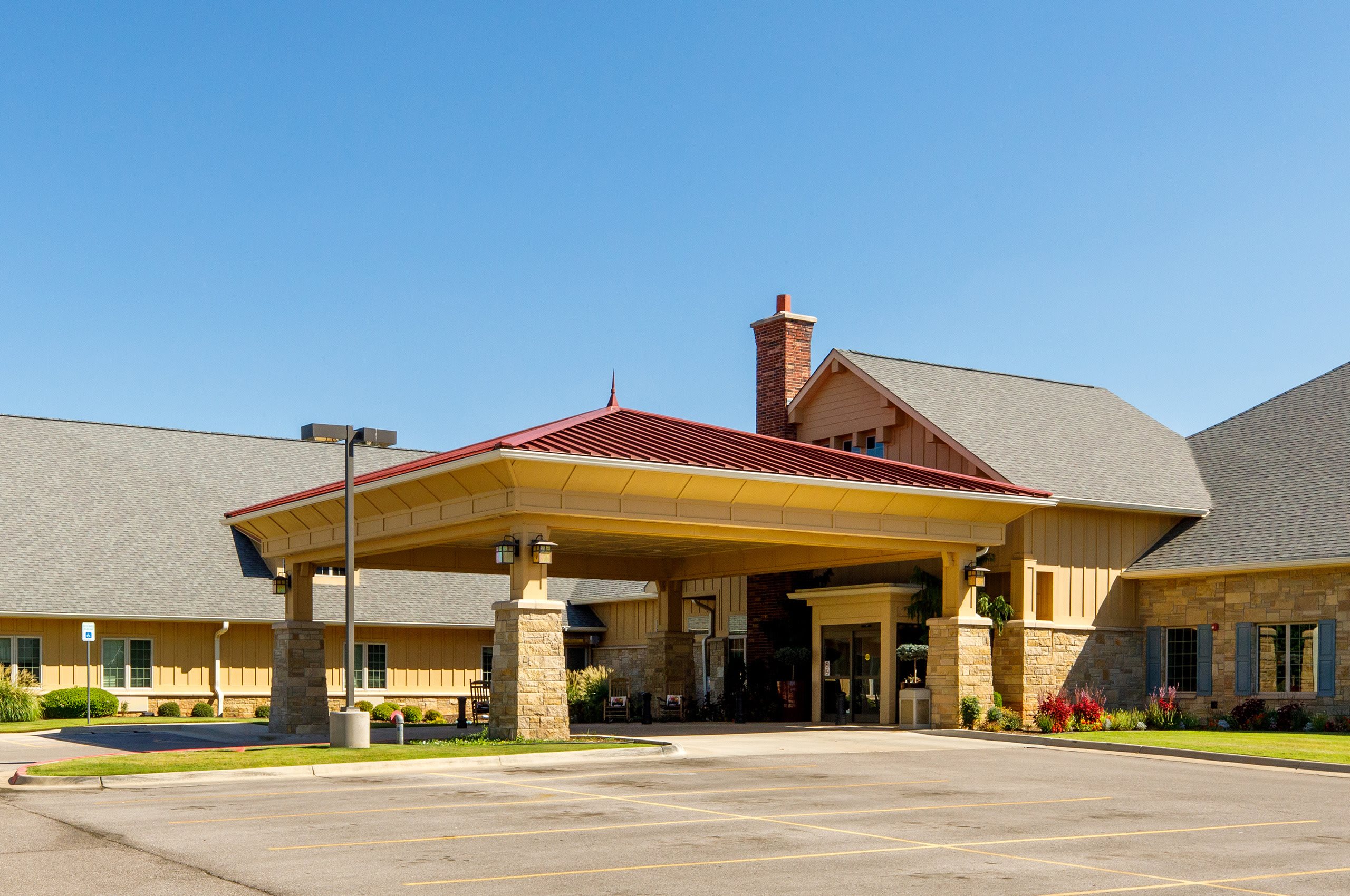
Cedar Ridge Memory Care: Comprehensive Guide to Specialized Dementia & Senior Living Services
Cedar Ridge memory care facilities provide specialized, secure residential care designed specifically for individuals living with Alzheimer’s disease, vascular dementia, and other cognitive disorders. These communities offer 24-hour me...
Cedar Ridge memory care facilities provide specialized, secure residential care designed specifically for individuals living with Alzheimer’s disease, vascular dementia, and other cognitive disorders. These communities offer 24-hour medical supervision, structured routine management, anti-wandering safety systems, and tailored cognitive therapies aimed at preserving dignity, functional independence, and overall quality of life.
Contents
Disclaimer: Senior care decisions involve complex medical, legal, and financial considerations. The regulatory standards and financial assistance programs described herein reflect conditions applicable as of 2026. Families should consult with qualified elder law attorneys, financial planners, and medical professionals to address specific individual circumstances.
Understanding Cedar Ridge Memory Care and Its Care Philosophy
Memory care communities operating under the Cedar Ridge designation focus on addressing the unique physiological and behavioral challenges associated with progressive neurodegenerative conditions. Unlike general assisted living environments, which primarily focus on personal care support for physical limitations, dedicated memory care environments integrate specialized architectural design, therapeutic programming, and higher staff-to-resident ratios to manage cognitive impairment safely.
The core philosophy relies on person-centered care. This approach prioritizes understanding an individual’s personal history, habits, and preferences rather than forcing rigid facility schedules. By anchoring daily interactions in familiar routine and positive reinforcement, care staff can minimize common dementia symptoms such as agitation, anxiety, sundowning, and disorientation.
Key Differences: Memory Care vs. General Assisted Living
Understanding how specialized memory care differs from standard assisted living helps families determine the appropriate placement for a loved one:
- Environmental Security: Memory care units feature egress-controlled doors, enclosed courtyards, and continuous monitoring systems to prevent elopement (unauthorized exits by residents who may wander).
- Navigational Cues: Physical spaces utilize color-coded hallways, high-contrast visual markers, and memory boxes outside resident doors containing personal photos to aid spatial orientation.
- Staff Training: Caregivers receive specialized instruction in dementia communication techniques, behavior redirection, validation therapy, and de-escalation strategies.
- Structured Routine: Daily schedules are intentionally structured to minimize cognitive fatigue while maintaining engagement through predictable activity blocks.
Core Services and Daily Operational Standards
Comprehensive memory care involves a multi-disciplinary framework designed to support health maintenance, behavioral management, and social engagement.
Cedar Ridge Care Delivery Model
- Medical & Clinical Oversight
- 24/7 Nursing Supervision & Medication Administration
- Coordinated Physician & Therapy Services
- Environmental & Safety Features
- Keypad Entry/Exit Security & Delayed-Egress Doors
- Enclosed Outdoor Courtyards & Non-Glare Lighting
- Functional Support & ADL Assistance
- Bathing, Dressing, Grooming, & Incontinence Care
- Hydration & Specialized Dietary Meal Tracking
- Cognitive & Therapeutic Programming
- Reminiscence & Validation Therapy
- Life-Skills Stations & Structured Physical Activity
Medical Supervision and Assistance with Activities of Daily Living (ADLs)
Residents in memory care typically require varying degrees of assistance with basic Activities of Daily Living (ADLs) and Instrumental Activities of Daily Living (IADLs). Licensed practical nurses (LPNs) or registered nurses (RNs) oversee medication management, ensuring accurate dosages and preventing missed administration or accidental double-dosing.
Caregivers assist with:
- Personal Hygiene and Grooming: Assistance with bathing, dental hygiene, hair care, and dressing appropriate for the weather.
- Nutritional Support: Custom meal plans created in consultation with registered dietitians. Meals are presented in ways that accommodate sensory or physical difficulties, such as finger-food options for individuals who struggle with utensils or visual contrast plates that make food easier to identify.
- Mobility and Transfer Support: Assistance with walking, wheelchair transfers, and repositioning to prevent pressure injuries.
- Incontinence Management: Scheduled toileting routines and skin care management to maintain hygiene and prevent infections.
Therapeutic and Cognitive Engagement Programs
Cognitive maintenance programs at Cedar Ridge communities are built around evidence-based interventions tailored to the stages of dementia:
- Reminiscence Therapy: Using historical prompts, music, sensory items, and personal artifacts to trigger long-term memories, encouraging verbal interaction and emotional grounding.
- Validation Therapy: Emphasizing emotional agreement over factual correction. When a resident experiences confusion regarding time or location, staff validate the underlying emotion rather than causing distress through confrontational reality testing.
- Life-Skills Stations: Interactive areas set up within the facility—such as simulated gardening benches, office desks, or infant-care stations—that allow residents to engage in familiar, purposeful activities reflecting their past careers or home routines.
- Structured Physical Exercise: Guided chair yoga, balance exercises, and walking clubs designed to maintain physical mobility, reduce muscle atrophy, and improve nighttime sleep patterns.
Costs, Financial Planning, and Payment Options
The financial obligation for memory care is significant and requires careful long-term planning. Because memory care requires higher staffing levels and specialized infrastructure, monthly fees are higher than standard assisted living care.
Fee Structures Explained
Most memory care facilities use one of two primary pricing models:
- All-Inclusive Pricing: A flat monthly rate covering rent, meals, basic utilities, administrative oversight, and all levels of personal care assistance.
- Tiered or Fee-for-Service Pricing: A base monthly rent charge (covering accommodation and basic services) plus an additional tier charge based on an assessment of the resident's specific care needs (e.g., Level 1 for light assistance up to Level 4 for intensive physical dependence).
Comparing Senior Care Financials
The following matrix outlines standard operational parameters and cost structures across senior housing types based on national averages in 2026:
| Care Setting | Average Monthly Cost (USD) | Primary Focus | Staffing Ratio (Caregiver to Resident) | Egress Security Level |
|---|---|---|---|---|
| Independent Living | $3,000 – $5,000 | Convenience & Socializing | Minimal (Concierge/Emergency) | Open / Standard Residential |
| Assisted Living | $4,800 – $7,200 | ADL Support & Meals | 1:10 to 1:15 (Daytime) | Standard Entry/Exit Monitoring |
| Cedar Ridge Memory Care | $6,500 – $10,500 | Cognitive Support & Safety | 1:5 to 1:8 (Daytime) | High (Delayed Egress/Keypad Access) |
| Skilled Nursing Facility | $9,000 – $13,000+ | Intensive Clinical Medical Care | 1:3 to 1:5 (24/7 RN presence) | High / Secured Clinical |
Funding Mechanisms and Coverage Rules
Navigating insurance and public benefits is critical when arranging payment for memory care:
- Medicare: Medicare does not cover long-term residential memory care or room-and-board costs. It only covers medically necessary short-term skilled nursing care, diagnostic evaluations, physician visits, and physical or occupational therapy under Medicare Part A and Part B.
- Medicaid: Medicaid programs vary by state. Some states offer Home and Community-Based Services (HCBS) waivers or managed long-term care programs that pay for personal care services within memory care settings, though room-and-board costs may still be the resident's responsibility. Eligibility requires meeting specific financial income and asset thresholds.
- Long-Term Care Insurance (LTCI): Private LTCI policies typically reimburse room-and-board and care costs once a physician certifies that the insured requires assistance with a specified number of ADLs (usually two or more) or requires supervision due to severe cognitive impairment.
- Veterans Benefits: Eligible wartime veterans and surviving spouses may qualify for the Department of Veterans Affairs Non-Service-Connected Pension with Aid and Attendance benefits. This tax-free benefit provides monthly payments to help offset the cost of memory care services.
Step-by-Step Transition Guide for Families
Transitioning a relative into a specialized memory care community is often an emotionally challenging and complex process. Following a systematic approach helps minimize disruption for the individual and ensures medical continuity.
Transition Process Steps
- Step 1: Clinical Assessment & Medical Records Collection
- Comprehensive physician evaluation & ADL scoring
- Step 2: Financial Assessment & Legal Authority Verification
- Review POA documentation & finalize funding strategy
- Step 3: Facility Selection & Environmental Audit
- Licensing review, staffing checks, & site visits
- Step 4: Individualized Care Plan Creation
- Align therapeutic goals & dietary/medication schedules
- Step 5: Physical Room Preparation & Move Execution
- Set up familiar furnishings; schedule low-stress transition
- Step 6: Post-Move Integration & Monitoring
- Manage adjustment period; review care plan after 30 days
Step 1: Secure Comprehensive Clinical Assessments
Before searching for placement, secure an updated neurological and physical evaluation. The medical team should document the specific diagnosis (e.g., Alzheimer's, Lewy body dementia, frontotemporal dementia), current stage of progression, behavioral triggers, mobility limits, and prescription regimens.
Step 2: Establish Legal and Financial Authority
Ensure that appropriate legal frameworks are active prior to signing residential contracts:
- Durable Power of Attorney (POA) for Healthcare: Authorizes a designated individual to make medical decisions.
- Durable Power of Attorney for Finances: Enables a family member to manage bank accounts, liquidate assets, and direct funds to pay community fees.
- Guardianship/Conservatorship: If legal POAs were not executed prior to severe cognitive decline, formal court guardianship proceedings may be required to act on behalf of the individual.
Step 3: Conduct Environmental and Safety Audits
When touring candidate memory care facilities, evaluate specific physical and operational details:
- Inspect door locking hardware, emergency call response systems, and perimeter fencing.
- Observe staff interactions with existing residents. Are caregivers using calm tones and eye contact?
- Check the cleanliness, lighting quality (minimal shadows reduce hallucination triggers), and acoustic control (excessive ambient noise increases agitation).
Step 4: Prepare the Living Environment
To ease spatial disorientation, replicate elements of the individual’s long-term home inside their memory care apartment:
- Bring familiar bedding, a favorite armchair, and cherished family photographs.
- Avoid adding clutter or throw rugs that present tripping hazards.
- Label drawers and closets with clear visual text or picture icons indicating contents.
Step 5: Manage the Move-In Day
Execute the physical move during the time of day when the individual typically exhibits the highest cognitive clarity and calmest mood (often mid-morning):
- Have a designated family member stay with the resident during initial intake while another manages logistics.
- Avoid lengthy emotional farewells; provide simple, reassuring explanations regarding the stay.
- Coordinate closely with staff regarding the typical transition period, which often takes 14 to 30 days as the resident adapts to new routines.
Evaluating Quality and Regulatory Compliance
Memory care communities are subject to state-level licensing and regulation, which dictates physical plant requirements, staff training hours, medication administration oversight, and resident rights protections.
How to Verify Licensing and Inspection Reports
State regulatory oversight is managed through state departments of health, social services, or long-term care licensing divisions. Families should verify credentials using public access databases:
- State Inspection Reports: Search for public inspection logs, annual licensing surveys, and mandatory health inspections on state agency websites (such as state Departments of Health and Human Services). Pay attention to repeat citations regarding staffing shortages, medication errors, or safety violations.
- Ombudsman Program Consultation: Contact the local Long-Term Care Ombudsman office. Ombudsmen are independent advocates who investigate complaints, monitor care standards within facilities, and offer objective insight into local facility operational histories.
- Staffing Ratios and Turnover Verification: Request direct verification of caregiver-to-resident ratios for both daytime and night shifts. Ask administration for their annual staff turnover rate; lower turnover directly correlates with care consistency and better familiarity with resident behavioral nuances.
Frequently Asked Questions
What is the primary difference between Alzheimer's care and general memory care?
Alzheimer's care is a specific subset of memory care designed for individuals with an Alzheimer's disease diagnosis. General memory care encompasses support for all forms of cognitive decline, including vascular dementia, Lewy body dementia, Parkinson's disease dementia, and frontotemporal dementia. Most specialized memory care facilities are equipped to manage all of these progressive conditions.
Can a resident be discharged from memory care if their symptoms worsen?
A facility may issue an involuntary discharge notice under specific regulatory circumstances: if the resident requires complex skilled medical care beyond the facility's licensed scope (such as permanent ventilator dependence), or if the resident poses an unmanageable physical safety risk to themselves or other residents despite medical intervention and behavioral modification plans.
How do memory care communities prevent residents from wandering away?
Facilities employ passive and active egress controls. Active systems include delayed-egress magnetic doors that sound alarms if opened without a code, wearable GPS or radio-frequency tracking bands issued to residents, keypad entry control, and architecturally enclosed, secure sensory gardens that permit safe outdoor access without unmonitored street access.
Does health insurance cover the cost of staying in memory care?
Standard health insurance policies and Medicare do not pay for residential room-and-board or long-term non-medical caregiving services in memory care settings. Long-term care insurance policies (LTCI) do cover these services if the policy conditions are met. Specific state Medicaid programs may pay for personal care services for income-eligible individuals, though out-of-pocket costs for room and board often remain.
How often should families visit during the initial adjustment period?
Care practices vary based on resident temperament. Many clinical directors recommend limiting visits during the first 7 to 14 days after move-in to help the individual adjust to daily staff routines and build trust with primary caregivers. However, families should remain in daily telephone or video communication with staff to review behavioral logs, nutritional intake, and sleep metrics.
Recommended Next Steps
Selecting the right care setting requires systematic steps to ensure safety, emotional stability, and financial sustainability.
- Schedule a Clinical Evaluation: Contact the individual's primary care provider or a neurologist to complete a standardized cognitive assessment (such as the MMSE or MoCA) and obtain formal placement recommendations.
- Obtain Public Regulatory Records: Visit your state’s health and human services licensing database to pull the past three years of licensing inspection logs and compliance reports for local memory care facilities.
- Perform an In-Person Site Audit: Visit prospective facilities during unannounced times (such as late afternoon or mealtime) to observe staff-resident interactions, environmental cleanliness, and overall noise levels.
- Review Legal and Financial Structures: Consult an elder law attorney to review existing Power of Attorney documents, establish long-term asset protections, and verify eligibility for state Medicaid waivers or VA Aid and Attendance benefits.
Image Gallery