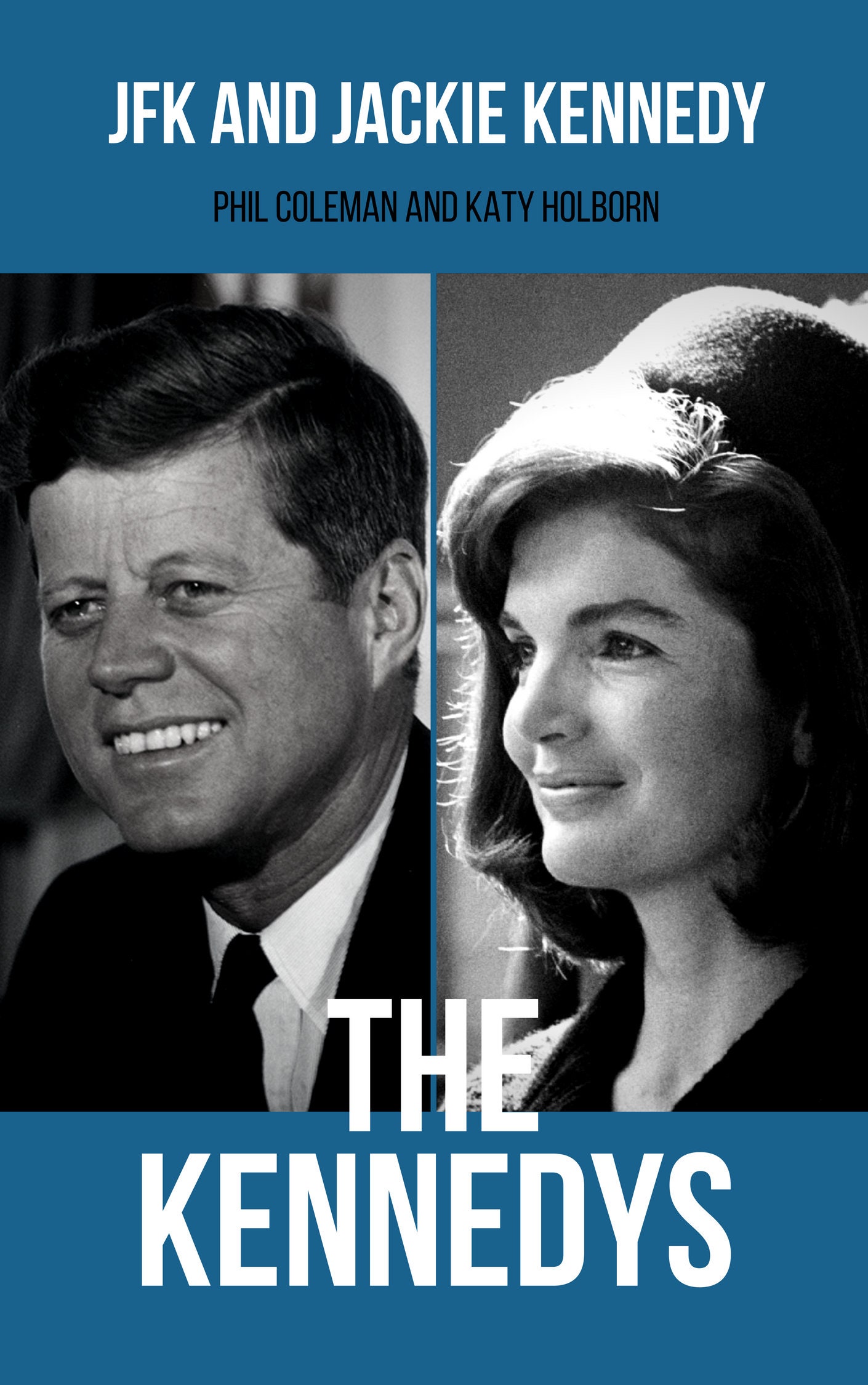
Why Jackie Kennedy Called JFK "Jack": The History Behind the Nickname
Jacqueline Kennedy called John F. Kennedy "Jack" because "Jack" was his established lifelong nickname, stemming from a centuries-old linguistic tradition where Jack serves as the standard English diminutive for John. From their early c...
Jacqueline Kennedy called John F. Kennedy "Jack" because "Jack" was his established lifelong nickname, stemming from a centuries-old linguistic tradition where Jack serves as the standard English diminutive for John. From their early courtship in 1951 through their White House years, Jackie addressed him as Jack in personal conversations and private correspondence, reserving formal titles strictly for public state protocols.
Contents
The Etymology of "Jack": How John Became Jack
To understand why Jacqueline Bouvier called the 35th President of the United States "Jack," one must first examine the historical and linguistic origins of the name itself. Readers unfamiliar with English naming customs often wonder why a name with four letters would be shortened to another four-letter name with entirely different vowels and consonants.
The transformation of John into Jack dates back to Middle English during the 13th and 14th centuries. The process involved several linguistic steps:
- The Norman Influence: Following the Norman Conquest of England in 1066, the Hebrew name Johanan (which became Johannes in Latin and Jean in French) was adapted into Middle English as Jan or Jankin.
- The Diminutive Suffix: In Middle English, adding the suffix "-kin" was a common method of creating a diminutive or affectionate form of a proper noun (similar to how Wilkin derived from William). Jan became Jankin.
- Phonetic Shift: Over generations of spoken usage, Jankin shifted phonetically to Jackin, which was eventually shortened to Jack.
- General Usage: By the 15th century, Jack was so deeply embedded in the English language that it not only served as a familiar substitute for John, but also became a generic term for an average man, seen in phrases like "every man and his jack" or nursery rhymes like "Jack and Jill."
By the early 20th century, when John F. Kennedy was born in Brookline, Massachusetts, in 1917, "Jack" was firmly established in American culture as the standard informal name for men named John.
The Kennedy Family Naming Tradition
In the wealthy, prominent Irish-American household of Joseph P. Kennedy Sr. and Rose Fitzgerald Kennedy, nicknames served both sentimental and practical purposes. With nine children born between 1915 and 1932, informal names helped distinguish family members and established a warm, informal home environment distinct from their high-profile public lives.
Kennedy Children Naming Conventions:
- Joseph Patrick Kennedy Jr.: "Joe Jr."
- John Fitzgerald Kennedy: "Jack"
- Robert Francis Kennedy: "Bobby"
- Edward Moore Kennedy: "Teddy"
When John Fitzgerald Kennedy was born on May 29, 1917, his parents immediately began calling him Jack to differentiate him from the broader family circle and to give him a distinct identity alongside his older brother, Joseph Jr. ("Joe").
Throughout his childhood, prep school years at Choate, time at Harvard University, and heroic service in the U.S. Navy during World War II aboard PT-109, he was known universally to family, instructors, crewmates, and friends as Jack Kennedy. When he entered politics in 1946 running for Massachusetts's 11th congressional district, his campaign materials and local supporters naturally referred to him as Jack.
How Jacqueline Bouvier Adopted the Nickname
Jacqueline Lee Bouvier first met Congressman John F. Kennedy in May 1951 at a dinner party hosted by mutual friends, journalist Charles Bartlett and his wife Martha, in Washington, D.C. At the time of their introduction, JFK was already a rising political figure in the House of Representatives, known across Capitol Hill and Massachusetts simply as Jack.
When Jacqueline and Jack began dating seriously in 1952—the same year Jack successfully ran for the U.S. Senate against Henry Cabot Lodge Jr.—she naturally used the name that everyone in his intimate circle used. For Jackie, calling him Jack was not a custom name she invented; it was an adoption of his authentic identity.
Jackie's high-society upbringing, refined education at Miss Porter's School and Vassar College, and fluent French background gave her a distinct speaking style. Yet, despite her formal public demeanor, she never adopted a rigid or distant form of address for her husband in private. Calling him Jack anchored their relationship in personal intimacy rather than political theater.
Private Correspondence and Terms of Endearment
While Jack was the primary name Jacqueline used, historical archives preserved at the John F. Kennedy Presidential Library and Museum reveal a rich record of personal correspondence between the couple. Their letters and telegrams provide direct evidence of how Jackie addressed JFK outside the public eye.
Written Addresses in Personal Letters
In letters written during their engagement in 1953, their early marriage, and Jack’s presidential campaign, Jackie frequently opened her correspondence with phrases such as:
- "Dearest Jack"
- "Darling Jack"
- "My Jack"
These letters show a deep emotional connection. In one famous letter written in the late 1950s while Jack was traveling for political commitments, Jackie reflected on the challenge of being separated from him, emphasizing how much she missed "Jack" the man, rather than the public figure.
Pet Names and Intimate Expressions
In addition to calling him Jack, Jackie occasionally incorporated French terms of endearment in her written notes, reflecting her deep passion for French language and culture. Phrases such as mon cher (my dear) appeared in personal notes alongside his standard nickname.
Conversely, Jack had his own pet names for Jackie. While he referred to her as Jacqueline in formal speeches, in private he called her "Jackie," "Jackie-bear," or occasionally "Bunny."
Public Perception vs. Private Protocol: "Jack" in the White House
When John F. Kennedy assumed the presidency on January 20, 1961, the couple entered an unprecedented era of public scrutiny. The administration, quickly dubbed "Camelot," created a unique balance between formal White House protocol and youthful, modern family life.
| Setting / Environment | How Jackie Addressed JFK | Public / Institutional Context |
|---|---|---|
| Private Family Quarters | Jack | Used during private meals, family time with Caroline and John Jr., and relaxed evening discussions. |
| Personal Letters & Notes | Jack / Dearest Jack | Used in private written communications, holiday cards, and personal telegrams. |
| Informal Staff Settings | Jack | Used when speaking with close aides like Kenneth O'Donnell, Ted Sorensen, or Pierre Salinger. |
| Formal State Events | The President / Mr. President | Used during official state dinners, press conferences, and formal diplomatic receptions to maintain executive dignity. |
| Public Interviews | Jack / My Husband | Used depending on whether the interview focused on family life or public policy. |
Jackie was acutely aware of the dignity required of the presidency. In front of cabinet members, foreign dignitaries, and news cameras during official functions, she routinely referred to him as "the President" or "Mr. President." However, as soon as they retired to the executive residence on the second floor of the White House, she immediately returned to calling him Jack.
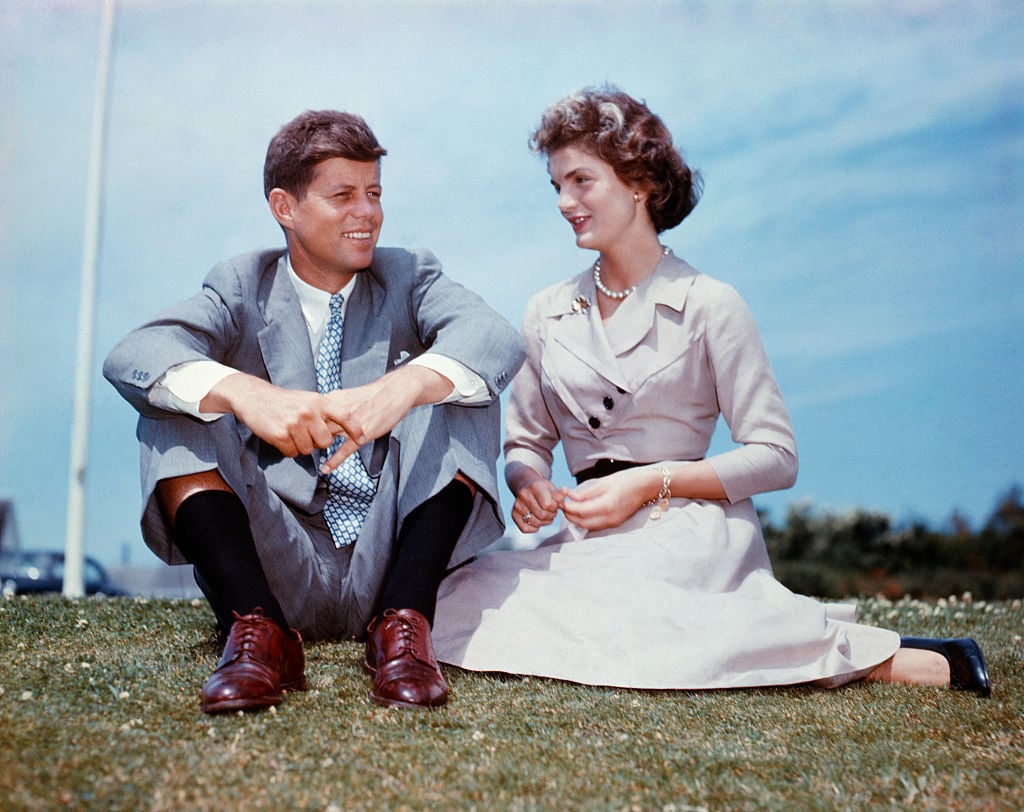
This duality helped humanize the presidency for millions of Americans. News outlets, photojournalists, and the public frequently referred to the executive couple as "Jack and Jackie," establishing a sense of warmth and accessibility that defined early 1960s American culture.
Names and Titles of John F. Kennedy Across His Lifetime
To understand how Jackie's use of "Jack" fits into the broader timeline of JFK's life, the following table summarizes the primary names, titles, and contexts associated with him from childhood to his post-presidential legacy.
| Name / Title | Primary Users | Time Period | Context and Significance |
|---|---|---|---|
| John Fitzgerald Kennedy | Official records, legal documents, state historians | 1917–Present | Full birth name combining his paternal and maternal heritage. |
| Jack | Family, Jackie Kennedy, close friends, general public | 1917–1963 | Informal birth nickname based on traditional Middle English diminutives for John. |
| Johnny | Occasional childhood friends, early acquaintances | Childhood | Rarely used in adulthood; replaced quickly by "Jack." |
| Shafty | Naval academy & prep school classmates | 1930s | Informal school nickname referencing his tall, lean physique. |
| Congressman Kennedy | Press, colleagues, constituents | 1947–1953 | Formal title during his three terms in the U.S. House of Representatives. |
| Senator Kennedy | Public, media, Senate colleagues | 1953–1960 | Official title during his tenure representing Massachusetts in the U.S. Senate. |
| Mr. President / The President | White House staff, cabinet, world leaders, Jackie (publicly) | 1961–1963 | Formal title as the 35th Chief Executive of the United States. |
| JFK | Media, historians, general public | 1960–Present | Initials used as a popular shorthand, modeled after FDR (Franklin D. Roosevelt). |
Frequently Asked Questions
Did Jackie Kennedy ever call JFK "John"?
Jackie almost never called him "John" in casual conversation or private writing. To his family and close associates, he was exclusively "Jack." She used "John" primarily when referencing their son, John F. Kennedy Jr. (often called "John-John" by the media, though Jackie herself preferred calling her son John).
Why was JFK called "Jack" instead of "Johnny" or "Frank"?
"Jack" was the standard historical English diminutive for John. While "Johnny" was sometimes used for young boys, "Jack" was preferred by the Kennedy family because it sounded strong, mature, and traditional. "Frank" was not used because his middle name was Fitzgerald, not Francis (his younger brother was named Robert Francis Kennedy).
What did JFK call Jackie in return?
In public speeches and formal statements, JFK referred to her as "Jacqueline" or "my wife." In private conversations and letters, he affectionately called her "Jackie," and occasionally used informal pet names like "Bunny."
Did international leaders address JFK as "Jack"?
No. International leaders and foreign diplomats adhered strictly to diplomatic protocol, addressing him as "Mr. President," "Your Excellency," or "President Kennedy." Only close personal friends among foreign statesmen, such as British Prime Minister Harold Macmillan during private informal moments, developed the personal warmth that aligned with his familiar name.
Did the press invent the nickname "Jack and Jackie"?
No, the press did not invent the nicknames. Both John F. Kennedy and Jacqueline Bouvier had used "Jack" and "Jackie" long before meeting each other. However, the national media popularised the combined phrase "Jack and Jackie" during the 1960 presidential campaign to emphasize their youth, elegance, and relatable family dynamic.
The Legacy of "Jack and Jackie"
The name "Jack" was far more than a simple abbreviation for John F. Kennedy; it represented his personal identity, rooted in family tradition and historical English nomenclature. When Jacqueline Bouvier entered his life in 1951, she embraced the name that captured his warmth, charm, and humanity.
By calling him Jack, Jackie preserved a boundary between the public leader who carried the weight of the Cold War and the private husband and father inside the White House residence. Today, historical archives maintained by the National Archives and Records Administration (NARA) and the Kennedy Presidential Library continue to document their letters, preserving the private words of endearment that defined one of the most studied partnerships in modern presidential history.
Image Gallery