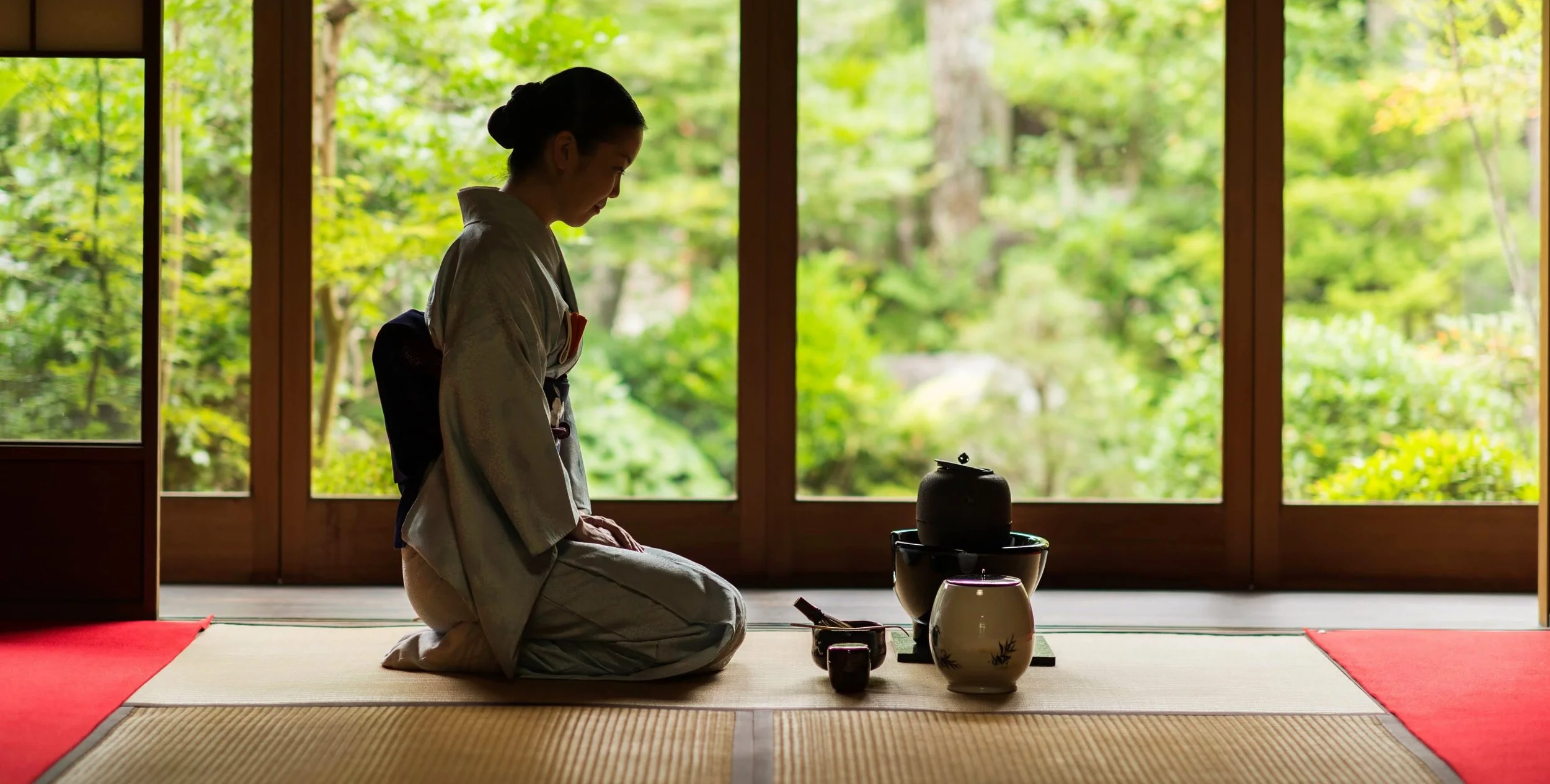
Maiko Tea Ceremony in Kyoto Explained: Cultural History, Ritual Steps, and Booking Guide
A maiko tea ceremony in Kyoto is a specialized cultural experience combining the traditional Japanese art of preparing matcha (chado) with an appearance by a maiko—an apprentice geiko (geisha) of Kyoto. During these hosted sessions, gu...
A maiko tea ceremony in Kyoto is a specialized cultural experience combining the traditional Japanese art of preparing matcha (chado) with an appearance by a maiko—an apprentice geiko (geisha) of Kyoto. During these hosted sessions, guests observe ceremonial tea preparation, taste traditional seasonal sweets, view a classic dance performance, and participate in direct conversation and photo opportunities.
Contents
Historically, encounters with Kyoto’s geiko and maiko were restricted to exclusive teahouses (ochaya) in the five recognized flower districts (gion kobu, gion higashi, pontocho, miyagawacho, and kamishichiken). Access required a direct referral from an established patron under the traditional custom known as ichimaimi sankotowari ("no first-time customers").
While private teahouse banquets remain highly exclusive, dedicated cultural centers, historic machiya townhouses, and specialized tea venues across Kyoto now offer structured maiko tea ceremony experiences tailored for international travelers and domestic tourists.
What Is a Maiko Tea Ceremony? Cultural Context and Significance
To understand the maiko tea ceremony, it is essential to distinguish between the host of the gathering and the master of the tea ceremony itself.
In Kyoto dialect, a fully trained geisha is called a geiko, while an apprentice is known as a maiko. Maiko are young women—typically between the ages of 15 and 20—undergoing rigorous training in traditional Japanese arts, including classical dance (kyomai), the shamisen, flower arrangement (ikebana), and the tea ceremony (chado or sado).
Maiko Distinctive Features: • Hair: Natural hair styled into traditional hairstyles (e.g., Kanzashi hairpin decorations matching the current month). • Attire: Brightly colored kimono with long trailing sleeves (Furisode) and a hanging sash (Darari no Obi). • Footwear: Tall wooden clogs (Okobo). • Makeup: Distinct white face makeup with natural skin exposed at the nape of the neck (Eri-ashi).
The Japanese tea ceremony itself is rooted in Zen Buddhism and was refined in the 16th century by master Sen no Rikyu. Its foundational principles are Wa (Harmony), Kei (Respect), Sei (Purity), and Jaku (Tranquility).
When paired with a maiko, the ritual retains its core Zen aesthetic while adding an element of Kyoto’s historic performing arts. The maiko may perform the tea ritual herself under the guidance of a senior tea master, or she may act as the guest of honor, serving the prepared tea and confections to participants before performing a seasonal dance.
Key Differences: Standard Tea Ceremony vs. Maiko Tea Ceremony
While both experiences utilize powdered green tea (matcha) and traditional sweets (wagashi), their focus, atmosphere, and structure differ substantially.
| Feature | Standard Tea Ceremony (Chado) | Maiko Tea Ceremony |
|---|---|---|
| Primary Focus | Zen mindfulness, tea preparation techniques, and quiet contemplation. | Cultural appreciation, traditional dance, and interactive hospitality. |
| Host / Demonstrator | Licensed tea master (chajin). | Licensed tea master alongside an apprentice geiko (maiko). |
| Atmosphere | Serene, solemn, and highly formal. | Formal yet welcoming, visual, interactive, and educational. |
| Entertainment | Focused purely on the ritual of tea. | Includes a seasonal dance performance (kyomai) and a Q&A session. |
| Photography | Often restricted or limited to post-ceremony. | Dedicated photo session built into the itinerary. |
| Cost Range (JPY) | ¥3,000 – ¥8,000 per person. | ¥9,000 – ¥35,000+ per person (depending on group size and venue). |
Step-by-Step Breakdown of the Experience
Although individual venues format their itineraries slightly differently, a standard 60- to 90-minute maiko tea ceremony follows a structured progression:
Arrival & Orientation ➔ Serving of Wagashi ➔ Ceremonial Matcha Preparation ➔ Maiko Dance Performance ➔ Q&A & Photo Session
1. Entrance and Welcome Confections (Wagashi)
Upon entering the tatami-matted tearoom, guests are seated according to traditional protocol or provided low chairs if physical mobility is a consideration. Before any tea is served, guests receive a seasonal Japanese sweet called wagashi.
Wagashi are crafted to reflect the current season—such as cherry blossom shapes in spring or maple leaf motifs in autumn. Eating the sweet prior to drinking the tea is a practical step: the sugar coats the palate, balancing the intense, natural bitterness of the concentrated ceremonial-grade matcha that follows.
2. Preparation and Serving of Matcha
The tea master or maiko executes the ritualistic preparation of the tea using specialized bamboo and ceramic tools:
- Chawan: The hand-crafted ceramic tea bowl.
- Chasen: A fine bamboo whisk used to froth the matcha powder and hot water.
- Chashaku: A slender bamboo tea scoop used to measure the matcha powder.
- Kettle (Kama): The iron vessel maintaining water at the ideal temperature (around 80°C / 176°F).
The tea host purifies the utensils with measured movements, ladles hot water into the bowl, and whisks the green tea until a fine, creamy micro-foam forms on top. The bowl is then presented to the primary guest with the front design (shomen) facing them as a gesture of respect.
3. Traditional Dance Performance (Kyomai)
Following the tea consumption, the maiko performs one or two traditional Kyoto-style dances (kyomai). Accompanied by recorded or live shamisen music, these movements are graceful and narrative, often telling stories of Kyoto’s changing seasons, historical landmarks, or romantic longing. The long sleeves of the maiko’s furisode kimono and her darari no obi sash amplify the visual impact of each gesture.
4. Interactive Q&A and Photography
Unlike traditional private teahouse banquets where conversation is strictly informal and unguided, structured tourist experiences dedicate time for guests to ask the maiko questions through an English interpreter. Guests commonly ask about her daily routine, training schedule, costume details, or reasons for pursuing the profession. The session concludes with individual photo opportunities.
Essential Etiquette Rules for Guests
Attending a traditional tea ceremony requires adhering to established cultural norms. Observing proper etiquette shows respect for the host, the maiko, and the centuries-old art form.
Guest Etiquette Checklist: [ ] Wear clean white socks or bring a fresh pair to put on before stepping on tatami mats. [ ] Avoid wearing strong perfumes or colognes that overpower the aroma of the tea. [ ] Remove heavy jewelry, rings, and watches to prevent scratching antique tea bowls. [ ] Never touch a maiko's kimono, hair ornaments, or white makeup.
Handling the Tea Bowl (Chawan)
- Receive the Bowl: Accept the chawan with your right hand and place it onto the palm of your left hand. Rest your right hand gently against the side of the bowl.
- Bow in Gratitude: Nod or make a slight bow to the host, saying "Otemaedai Fuku Toshimasu" or a simple "Thank you."
- Rotate the Bowl: The front of the bowl (shomen), often featuring a painted decoration or unique glaze mark, is presented facing you. To avoid drinking directly from the decorated front out of modesty, rotate the bowl clockwise twice in your hands before drinking.
- Drink the Tea: Sip the matcha in three or four quiet swallows. The final sip should be drawn with a soft slurping sound (sui-ami), signaling to the host that you have finished.
- Inspect and Return: Wipe the rim where your lips touched using your thumb and forefinger, wipe your fingers on a tissue (kaishi paper), rotate the bowl counterclockwise back to its original orientation, and set it down softly.
Physical Boundaries and Photography Protocol
Respecting the performer is paramount. Guests must maintain a polite distance and avoid touching the maiko's delicate attire, dynamic hairstyles, or face. While photography is allowed during designated moments, guests should never use flash photography during the dance performance, as it disrupts the routine and can temporarily blind the dancer.
Comparing Experience Types in Kyoto
Travelers to Kyoto can select from three main formats depending on budget, group size, and desired level of exclusivity.
| Attribute | Public Cultural Group Ceremony | Private Machiya Tea Experience | Traditional Teahouse Banquet (Ozashiki) |
|---|---|---|---|
| Typical Venue | Cultural centers (e.g., Gion, Higashiyama). | Historic private townhouses (machiya). | Exclusive teahouses (ochaya) in Gion or Pontocho. |
| Group Size | 10 to 20 participants. | Exclusive to your booking party (1–6 people). | Private group booking. |
| Price Range per Person | ¥9,000 – ¥16,000 | ¥25,000 – ¥50,000 | ¥60,000 – ¥150,000+ |
| Language Support | Full English translation provided. | Dedicated English translator available. | Japanese primary; requires hired interpreter. |
| Inclusions | Sweets, matcha, 1 dance, Q&A, group photos. | Sweets, matcha, customized dance, extended Q&A, private photos. | Kaiseki dinner, free-flowing drinks, multiple dances, traditional games (ozashiki asobi). |
| Booking Lead Time | 2 to 6 weeks in advance. | 1 to 3 months in advance. | Months in advance (often requires concierge/referral). |
How to Spot Authentic Maiko and Avoid Tourist Traps
Kyoto hosts thousands of visitors daily, giving rise to "maiko transformation studios" where tourists pay to dress up in white makeup and traditional kimonos. Consequently, many street sightings of "maiko" in daytime tourist hotspots like Kiyomizu-dera or Ninenzaka are actually tourists in costume.
Real Maiko vs. Tourist in Transformation Costume: Real Maiko: • Natural Hair: Stylized using her own hair, showing natural scalp lines along the hairline. • Seasonal Kanzashi: Wears hairpins made of silk flowers corresponding precisely to the current month. • Daytime Conduct: Walks purposefully to and from lessons or evening appointments; does not pose for casual street tourists. • Footwear: Wears thick wooden Okobo with bells inside the soles. Tourist in Costume: • Wigs: Wears a full wig (*katsura*), creating a visible line along the forehead and hairline. • Mixed Costumes: Often wears non-seasonal hairpins or incorrect kimono patterns. • Street Behavior: Poses freely for photos, talks casually on mobile phones, or wanders around tourist shops in full daylight.
When booking a maiko tea ceremony, verify that the organizer books working apprentices affiliated with recognized maiko houses (okiya) located within Kyoto's official hanamachi districts. Legitimate providers state their connections transparently and work directly with local management associations (Kenban).
Frequently Asked Questions
Can I take photos with the maiko during the tea ceremony?
Yes, organized maiko tea ceremonies feature a dedicated photo segment at the end of the session. Guests can take photos alongside the maiko. However, photography during the tea preparation or dance performance may be restricted to non-flash photos depending on the venue's rules.
Do I need to sit on my knees (seiza) during the ceremony?
No. While traditional tea rooms utilize tatami mats requiring the kneeled seiza posture, almost all modern cultural venues catering to international guests provide low chairs, cushions, or raised benches. If you have mobility restrictions, notify the venue when making your reservation.
Is a maiko tea ceremony suitable for non-Japanese speakers?
Yes. Commercial maiko tea ceremonies in Kyoto are designed for international visitors and include English-speaking hosts or interpreters who explain the steps of the ritual, translate the maiko's answers during the Q&A, and clarify historical context.
How far in advance should I book a maiko tea ceremony in Kyoto?
It is best to book 4 to 8 weeks in advance, especially if traveling during peak tourism seasons such as spring cherry blossoms (late March to mid-April) or autumn foliage (November). Private venues and high-end experiences often fill up months ahead.
What is the difference between a Geiko and a Maiko?
A maiko is an apprentice geisha (typically 15–20 years old) learning the traditional arts. She wears bright kimonos with long sleeves, elaborate hair ornaments (kanzashi) set into her own hair, and white makeup covering most of her face and neck. A geiko is a fully qualified artist who wears more subtle, elegant kimonos with shorter sleeves, a wig (katsura), and simpler hair accessories, showcasing mature art mastery.
Practical Recommendations for Visitors
To ensure a respectful and seamless cultural encounter, keep the following guidelines in mind when planning your itinerary:
- Book Through Reputable Agencies or Venues: Select established operators such as Tea House Camellia, Maiko Theater, or luxury hotel concierge services in Kyoto that work directly with registered okiya (maiko houses).
- Dress Comfortably yet Respectfully: Wear smart-casual attire that covers your shoulders and knees out of respect for the venue. Bring a clean pair of white socks to wear inside the tatami tearoom, as bare feet are strictly prohibited on tatami.
- Arrive 10 to 15 Minutes Early: Punctuality is integral to Japanese hospitality. Arriving late disrupts the precise timing of the tea preparation and shortens your allotted interaction time.
- Observe Kyoto City Photography Ordinances: Respect local regulations when traveling to and from your tea ceremony venue. Kyoto city strictly prohibits photographing geiko and maiko on private streets in the Gion district without permission, carrying fines up to ¥10,000. Limit your photography exclusively to designated photo sessions within your booked venue.
Image Gallery