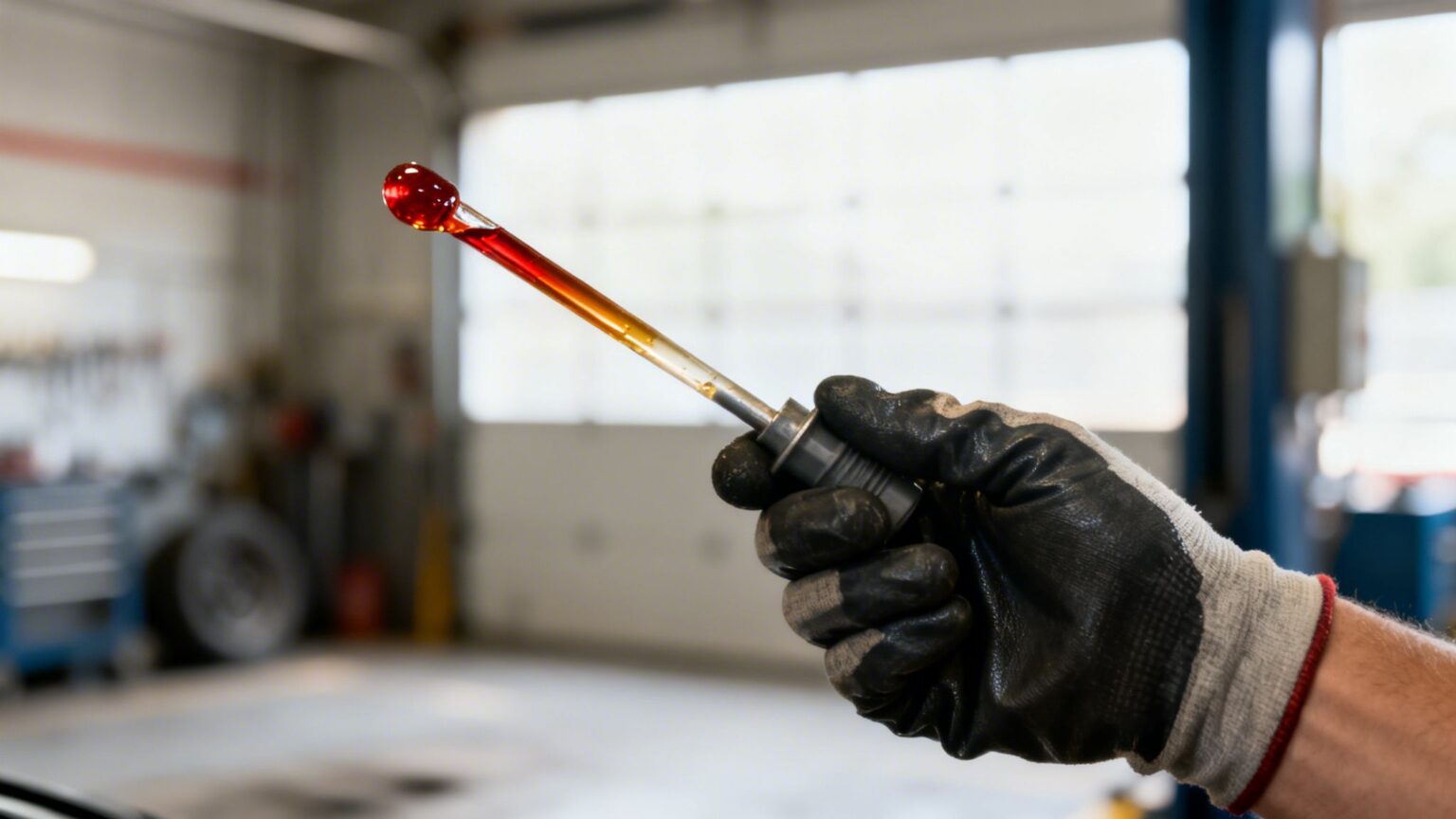
How Dirty Transmission Fluid Causes Transmission Slipping (and How to Fix It)
Dirty transmission fluid is one of the most common causes of transmission slipping in automatic vehicles. As transmission fluid degrades over time, it loses hydraulic pressure, breaks down heat-resistant friction modifiers, and allows...
Dirty transmission fluid is one of the most common causes of transmission slipping in automatic vehicles. As transmission fluid degrades over time, it loses hydraulic pressure, breaks down heat-resistant friction modifiers, and allows sludge to block critical valve body passages. This prevents internal clutch packs from fully engaging, causing the engine to rev high without transferring power smoothly to the wheels.
Contents
Mechanics of Transmission Slipping: How Degraded Fluid Fails
An automatic transmission is a complex electro-hydraulic system that relies heavily on automatic transmission fluid (ATF) to operate. Unlike manual transmissions, which use gear oil primarily for splash lubrication, automatic transmissions use fluid as a hydraulic medium, dynamic coolant, and friction modifier. When fluid becomes dirty—contaminated with metal micro-particles, friction material dust, moisture, and oxidized sludge—its ability to perform these essential functions rapidly deteriorates.
Fluid Degradation Cycle
- Heat & Contamination (Dust & Metal)
- Loss of Hydraulic Pressure & Friction Breakdown
- Clutch Slippage
- Excessive Heat & Friction
- Critical Transmission Damage
1. Hydraulic Pressure Loss
Automatic transmissions use pressurized fluid to activate internal pistons, which press friction plates and steel discs together within clutch packs. When fluid breaks down, its viscosity changes. Contaminated fluid under high thermal stress shear-degrades, thinning out and making it difficult for the fluid pump to generate adequate line pressure. Without proper hydraulic pressure, the piston cannot clamp the clutch plates together tightly enough. The resulting friction deficit causes the clutch plates to slip past one another instead of locking together to drive the gears.
2. Friction Modifier Breakdown
Fresh ATF is formulated with specialized chemical additives known as friction modifiers. These compounds carefully regulate the co-efficient of friction between metallic surfaces and organic clutch linings. Over tens of thousands of miles, thermal cycling degrades these additives. Once the friction modifiers break down, the fluid can no longer maintain the precise balance of grip and slip required for smooth gear changes, leading directly to clutch slippage during acceleration.
3. Valve Body and Solenoid Blockages
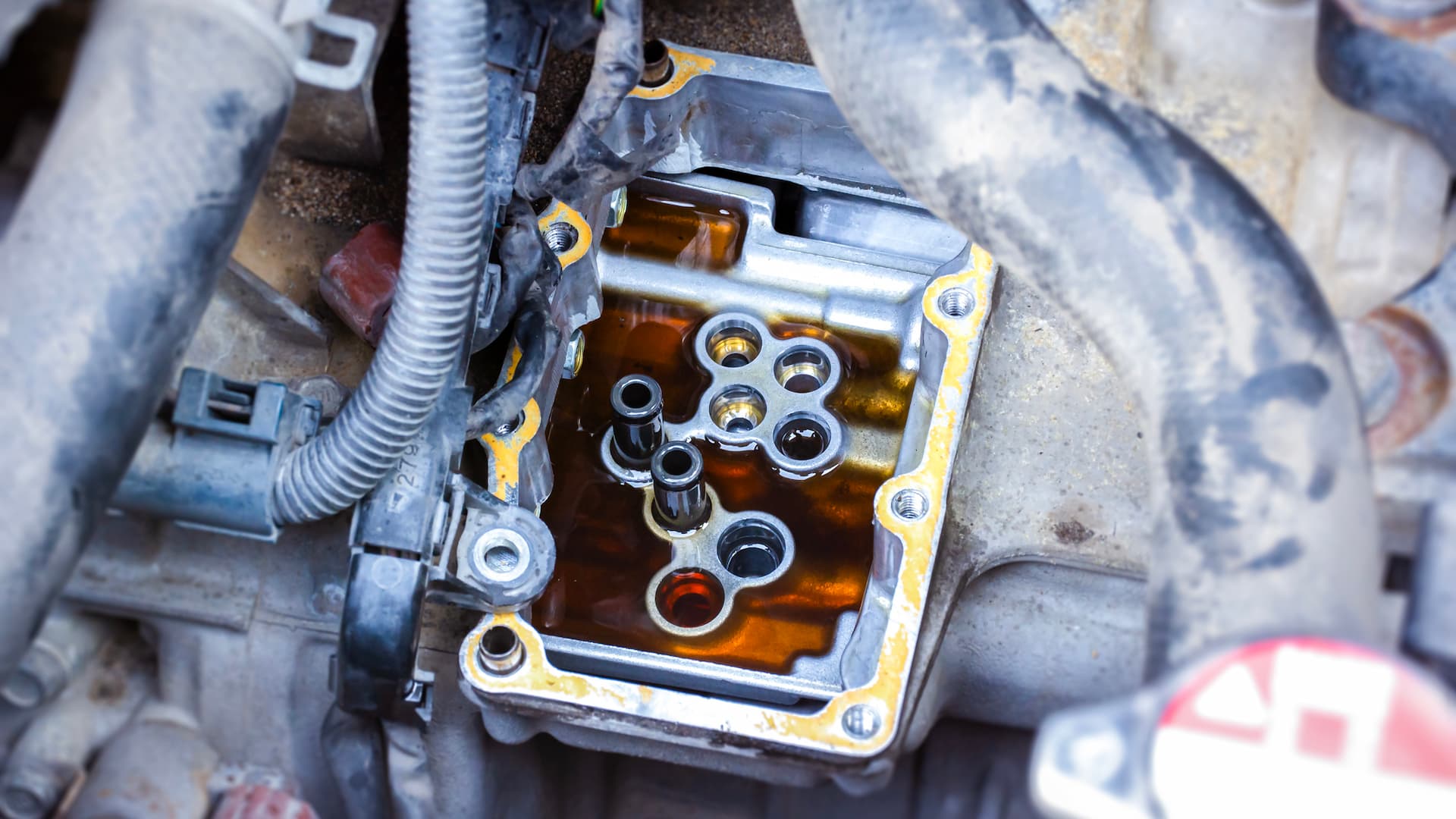
The valve body acts as the hydraulic "brain" of an automatic transmission, directing fluid through intricate microscopic channels to actuate specific gear ratios. Suspended debris, metal shavings, and varnish accumulate in these narrow passages. When sludge restricts fluid flow or causes tiny hydraulic solenoids to stick open or closed, the transmission fails to deliver required pressure to the targeted clutch pack on time. This pressure lag directly causes the engine to flare up in RPM before the gear finally catches.
4. Thermal Breakdown and Sludge Formation
Operating temperatures inside a modern automatic transmission routinely reach between 175°F and 220°F (80°C to 104°C). When fluid is neglected, prolonged high temperatures cause oxidation. Oxidized fluid thickens into dark sludge and sticky varnish that coats internal components. Sludge acts as an insulator, preventing heat from dissipating through the transmission cooler. As operating temperatures spike past 240°F (115°C), seals harden, internal O-rings shrink, hydraulic leaks increase, and transmission slipping worsens exponentially.
Identifying the Symptoms of Dirty Fluid and Transmission Slipping
Recognizing the early warning signs of degraded fluid and hydraulic slip can mean the difference between a simple fluid service and an expensive transmission rebuild.
- Engine RPM Flares Without Acceleration: You press the accelerator, and the tachometer needle jumps up (for example, from 2,000 RPM to 3,500 RPM), but the vehicle does not speed up proportionately. This is the classic signature of clutch slipping inside the transmission.
- Delayed or Harsh Engagement: When shifting from Park into Drive or Reverse, there is a noticeable pause of several seconds before the transmission engages, often accompanied by a sudden thunk or jerk.
- Rough, Jerky, or Erratic Gear Shifts: Shifts feel indecisive, double-bumped, or excessively harsh as hydraulic solenoids struggle against varnish and variable pressure.
- Burnt Fluid Smell: Fresh transmission fluid has a sweet, slightly tart smell. Fluid degraded by heat and friction slipping emits a strong, acrid burnt odor resembling scorched toast or chemical singe.
- Warning Lights and Fault Codes: Modern vehicles log diagnostic trouble codes (DTCs) when slip is detected by comparing input and output speed sensors. This lights up the Check Engine light or a dedicated Transmission Temperature / O/D Off light.
Transmission Fluid Condition Guide
Inspecting the color, clarity, and smell of your transmission fluid using the dipstick (or overflow plug on sealed units) provides immediate diagnostic insight into internal unit health.
| Fluid Color & Appearance | Visual Condition | Operational Behavior | Diagnostic Assessment & Required Action |
|---|---|---|---|
| Bright Red / Translucent | Fresh, clean fluid | Smooth shifting, crisp engagement | Optimal: No action needed. Retain standard service interval. |
| Light Brown / Semi-Clear | Minor oxidation, light wear | Normal operation | Good: Plan routine drain and fill within next 10,000–15,000 miles. |
| Dark Brown / Opaque | High oxidation, additive exhaustion | Slight shift hesitation, soft gear changes | Service Required: Perform immediate fluid and filter change. |
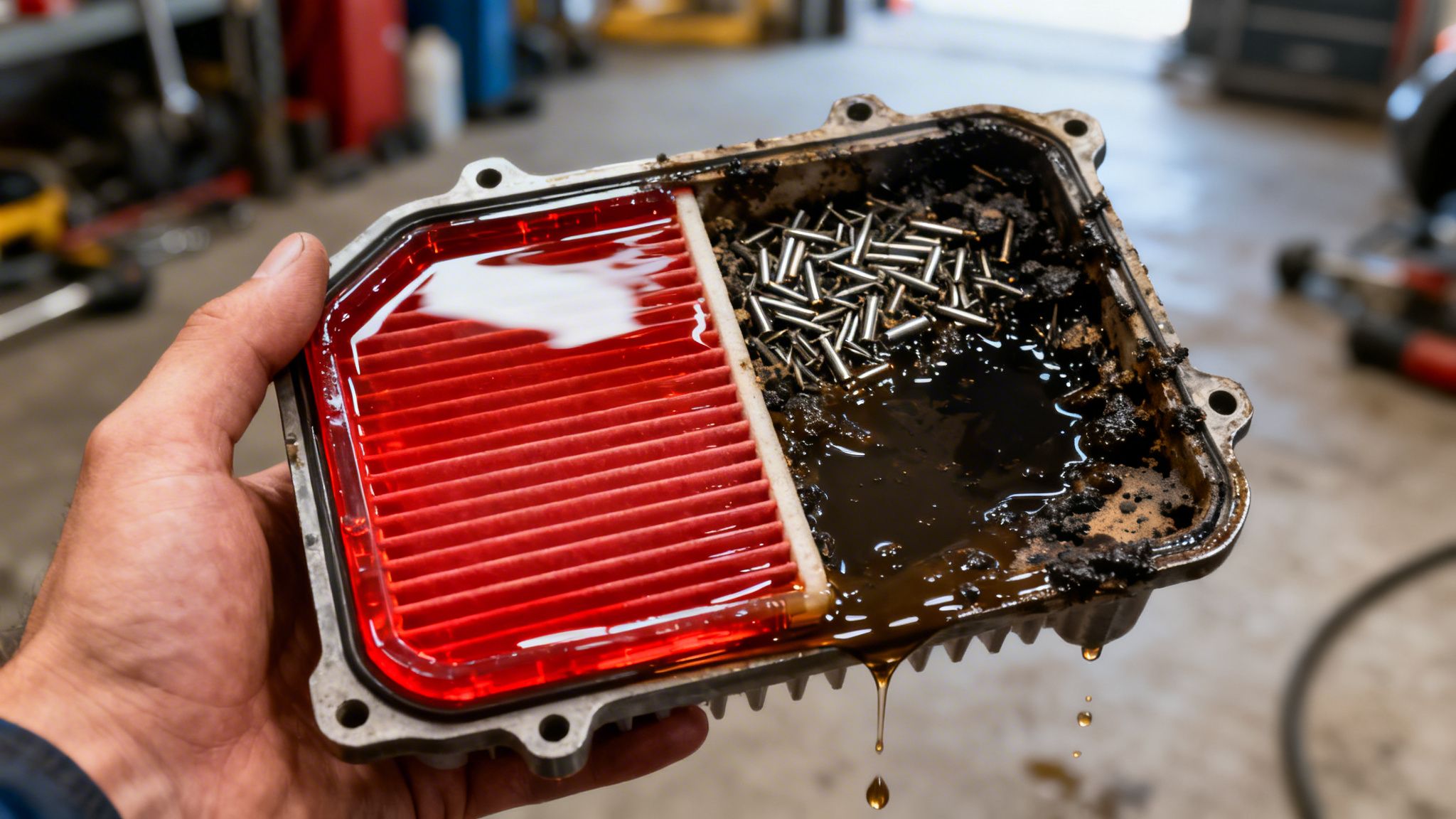
| Dark Black / Burnt Odor | Severe breakdown, suspended friction dust | Frequent slipping, RPM flares, delayed shifts | Caution: Severe clutch wear. Drain and fill with fresh filter. Inspect pan magnet. |
| Milky Pink / Frothy | Contaminated with engine coolant | Erratic shifting, sudden slipping, internal rust | Critical Failure: "Strawberry milkshake" effect from broken radiator cooler line. Complete flush, cooler replacement, and rebuild usually required. |
Fluid Change vs. Fluid Flush: The High-Mileage Dilemma
When dealing with a transmission that is already slipping due to dirty fluid, vehicle owners face a critical decision: perform a standard drain and fill or execute a powered fluid flush.
| Option | Characteristics |
|---|---|
| DRAIN & FILL (Recommended for High Mileage) | • Gravity drains ~40-60% of fluid from pan.• Replaces filter; leaves worn friction material suspended.• Low risk of dislodging stubborn varnish. |
| POWERED FLUSH (Use with Caution) | • Machine forces 100% new fluid through entire system.• Can flush away vital friction debris holding clutches.• High risk of dislodging debris into narrow valve body. |
The Risk of Flushing a Neglected Transmission
A common industry warning states that "flushing dirty fluid will destroy an old transmission." While not completely accurate, there is a underlying mechanical reality to this phenomenon:
- Suspended Friction Material: In severely neglected transmissions, the internal clutch plates may have worn down to their metal backings. The suspended friction material floating in the old, thick fluid is actually helping provide the necessary grip for the clutches to lock up.
- Removal of Suspended Solids: If high-pressure flush equipment flushes 100% of this old fluid out and replaces it with slick, high-detergent fresh fluid, the remaining friction particles are removed. As a result, the worn clutches can no longer bite, and the transmission slips worse—or fails to move the vehicle entirely.
- Dislodged Debris: Powered flushing machines can force accumulated sludge out of corner pockets and push it directly into micro-valves, causing total hydraulic lockout.
Recommended Approach for High-Mileage or Slipping Units
If the fluid is dark brown or black and the transmission displays minor slipping, do not perform a high-pressure machine flush. Instead, execute a traditional pan drop, filter replacement, and fluid drain-and-fill:
- This process replaces only 40% to 60% of the total fluid capacity (the fluid inside the pan), leaving the fluid in the torque converter intact.
- It lowers fluid detergent shock while introducing fresh additives to stabilize operating temperatures.
- If shifting improves after 1,000 miles of driving, a second drain-and-fill can be safely performed to gradually clean the system without dislodging mass debris.
Step-by-Step Diagnostic & Troubleshooting Procedure
If your vehicle exhibits slipping alongside dark fluid, follow this structured troubleshooting workflow to isolate the problem before committing to major transmission repairs.
- Check Fluid Level
- Low Level: Top off with OEM ATF & inspect for leaks
- Normal Level: Proceed to Step 2
- Analyze Fluid Condition
- Burnt/Black: Perform Pan Drop & Filter Swap
- OBD-II Scan for DTCs
- Active Codes: Check Solenoid/Pressure Sensor
- Road Test & Re-evaluate
- Still Slipping: Internal Mechanical Wear (Rebuild needed)
Step 1: Check Fluid Level and Temperature
Low fluid level produces identical slipping symptoms as dirty fluid because the hydraulic pump sucks in air bubbles instead of solid fluid. Air is compressible; hydraulic fluid is not. Compressible air prevents full clutch application pressure.
- Park the vehicle on a level surface.
- Bring the transmission up to operating temperature (drive for 10–15 minutes).
- With the engine idling in Park (or Neutral, per manufacturer instructions), pull the transmission dipstick, wipe it clean, reinsert it, and read the level.
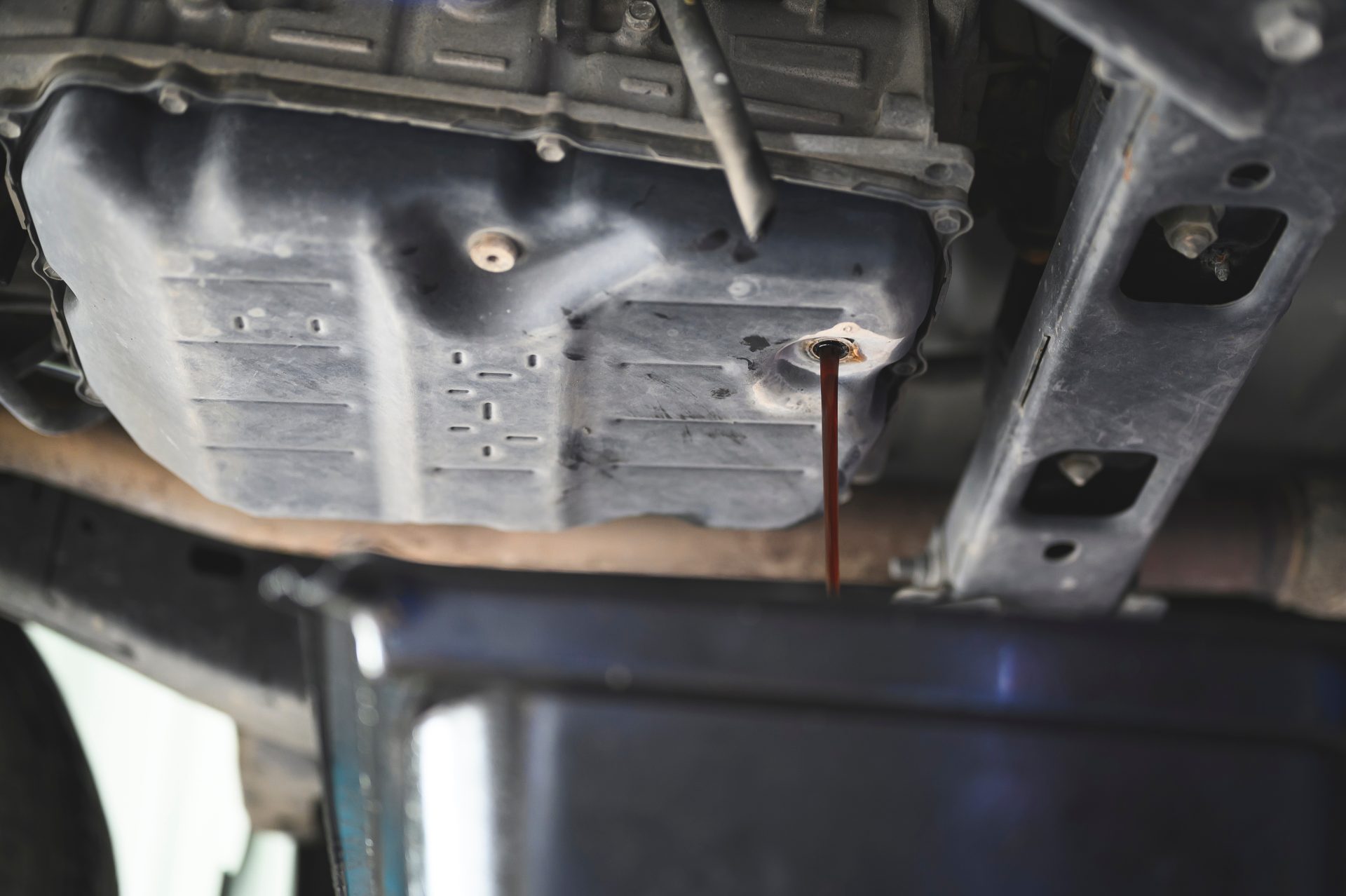
- If low, inspect the transmission oil pan gasket, axle seals, and cooler lines for active leaks before topping off with the manufacturer-specified ATF formulation.
Step 2: Perform an OBD-II Diagnostic Scan
Connect an OBD-II scanner capable of reading Transmission Control Module (TCM) enhanced diagnostics. Look for specific fault codes:
- P0730: Incorrect Gear Ratio (indicates mechanical slipping detected across input/output shaft sensors).
- P0750–P0770: Shift Solenoid Malfunctions (indicates electrical failure or mechanical sticking due to varnish).
- P0894: Transmission Component Slipping.
If solenoid codes appear alongside dirty fluid, replacing the affected solenoid and cleaning the valve body along with fresh fluid often resolves the issue.
Step 3: Inspect the Pan and Filter (Pan Drop Procedure)
If fluid level is correct but the fluid is degraded, drop the transmission oil pan to perform an internal inspection:
- Drain fluid into a clean container and examine it under strong light for metallic sparkles (aluminum or brass flakes indicate hard component damage).
- Inspect the pan magnet. A fine, grey paste (fur) on the magnet is normal clutch wear. Heavy metal chips, broken metal teeth, or large slivers mean internal mechanical failure that fluid changes cannot fix.
- Replace the internal transmission filter (or clean the reusable wire screen). A clogged filter starves the pump of fluid, inducing hydraulic line pressure drops and severe slip.
- Reinstall the pan with a fresh gasket, torque bolts to specification (typically 8–12 ft-lbs), and refill with clean OEM-specified fluid.
Cost Comparison: Maintenance vs. Major Repairs
Ignoring dirty fluid until slipping causes total clutch plate failure leads to exponentially higher repair costs. Modern electronic transmissions rely on precise tolerances, making preventative maintenance economically vital.
| Repair Service | Average Parts Cost | Average Labor Cost | Total Estimated Cost | Operational Impact |
|---|---|---|---|---|
| Transmission Fluid Drain & Filter Change | $40 – $90 | $100 – $200 | $140 – $290 | Restores hydraulic pressure, clears valve body deposits, stops early slipping. |
| Pressure Control Solenoid Replacement | $50 – $180 | $200 – $450 | $250 – $630 | Fixes stuck valves caused by varnish deposits; eliminates shift delays. |
| Valve Body Repair / Remanufacturing | $250 – $600 | $350 – $700 | $600 – $1,300 | Replaces worn valve channels and sticking solenoids without removing whole transmission. |
| Full Transmission Rebuild / Replacement | $1,500 – $3,500 | $1,200 – $2,500 | $2,700 – $6,000+ | Required when internal friction plates burn down to bare metal due to prolonged slip. |
Frequently Asked Questions
Can adding new fluid stop a transmission from slipping?
Adding clean fluid will stop transmission slipping only if the slip is caused by low fluid volume, minor hydraulic pressure drop, or sticking valve body solenoids due to varnish. If dirty fluid has already caused the organic friction material on the clutch plates to completely wear away or burn down to the steel backing, fresh fluid will not reverse the physical wear, and a mechanical rebuild will be necessary.
How often should automatic transmission fluid be changed?
Most vehicle manufacturers recommend changing automatic transmission fluid every 30,000 to 60,000 miles under normal driving conditions. Under severe duty—such as frequent towing, stop-and-go city driving, or operation in extreme hot climates—change intervals should be shortened to every 25,000 to 30,000 miles. Always follow the fluid specification detailed in your vehicle's owner manual.
Why does my transmission slip only when hot?
As transmission fluid heats up, its viscosity drops. If the fluid is old and degraded, high operating temperatures cause it to thin out excessively, reducing overall hydraulic line pressure. Furthermore, internal rubber seals harden and expand when hot; if fluid is dirty and thin, pressure leaks past worn piston seals, resulting in slipping that appears only after 15 to 20 minutes of driving.
Is friction modifier additive safe to add to slipping transmissions?
Aftermarket friction modifier additives or "anti-slip" treatments can temporarily boost fluid viscosity and swelling agents to soften hardened rubber seals, offering a short-term band-aid for minor slippage. However, these additives do not clean out suspended metal particles or replace lost clutch lining material. Relying on chemical additives long-term can accelerate internal wear or cause valve body solenoids to stick permanently.
Practical Recommendations & Next Steps
If your vehicle is exhibiting transmission slip alongside dark or dirty fluid, act promptly to prevent complete internal component failure:
- Check the Fluid First: Verify fluid level and visual clarity while the engine is warm and idling on level ground.
- Avoid High-Pressure Flushes on High-Mileage Vehicles: If the fluid is black or has not been changed in over 80,000 miles, perform a conservative pan drop, filter swap, and fluid drain-and-fill rather than a machine flush.
- Always Use Exact OEM Spec Fluid: Automatic transmissions are engineered around specific friction coefficients (e.g., Ford Mercon LV, GM Dexron VI, Toyota WS). Never use generic multi-vehicle fluid unless it explicitly meets the exact technical specification of your vehicle manufacturer.
- Consult a Certified Specialist: If fresh fluid and a filter replacement do not eliminate slipping within 200 miles of driving, schedule a hydraulic pressure test with an ASE-certified technician to measure line pressure and check internal clutch viability.
Image Gallery