How a US Nonimmigrant Visa Works: A Comprehensive Guide for 2026
A US nonimmigrant visa is a legal document placed in your passport that allows you to travel to a United States port of entry to request temporary admission. It is designed for individuals who live outside the U.S. but wish to enter fo...
A US nonimmigrant visa is a legal document placed in your passport that allows you to travel to a United States port of entry to request temporary admission. It is designed for individuals who live outside the U.S. but wish to enter for specific, time-limited purposes such as tourism, business, medical treatment, or temporary employment.
Contents
Understanding how the U.S. nonimmigrant visa system functions is essential for any traveler, professional, or student planning to visit the United States. Unlike an immigrant visa, which leads to permanent residency (a Green Card), a nonimmigrant visa is inherently temporary. As of 2026, the application process remains rigorous, focusing heavily on an applicant’s ability to demonstrate "nonimmigrant intent"—the proof that they have every intention of returning to their home country once their authorized stay expires.
The Legal Foundation: Presumption of Immigrant Intent
The most critical concept in U.S. visa law is Section 214(b) of the Immigration and Nationality Act (INA). This law mandates that every applicant for a nonimmigrant visa be treated as an "intending immigrant" until they convince the consular officer otherwise.
To "rebut" this presumption, you must demonstrate strong social and economic ties to your country of residence. These ties might include a stable job, property ownership, family obligations, or ongoing educational commitments. If a consular officer believes your ties are insufficient or that you might attempt to overstay and work illegally, the visa will be denied under 214(b). While certain visas, such as the H-1B or L-1, allow for "dual intent" (meaning you can apply for a Green Card while on the visa), the vast majority of nonimmigrant categories require you to prove you are a temporary visitor.
Primary Nonimmigrant Visa Categories
The United States offers dozens of nonimmigrant visa classifications, each designated by a letter and a number. Choosing the correct category is the first and most vital step in the process.
Visitor Visas (B-1/B-2)
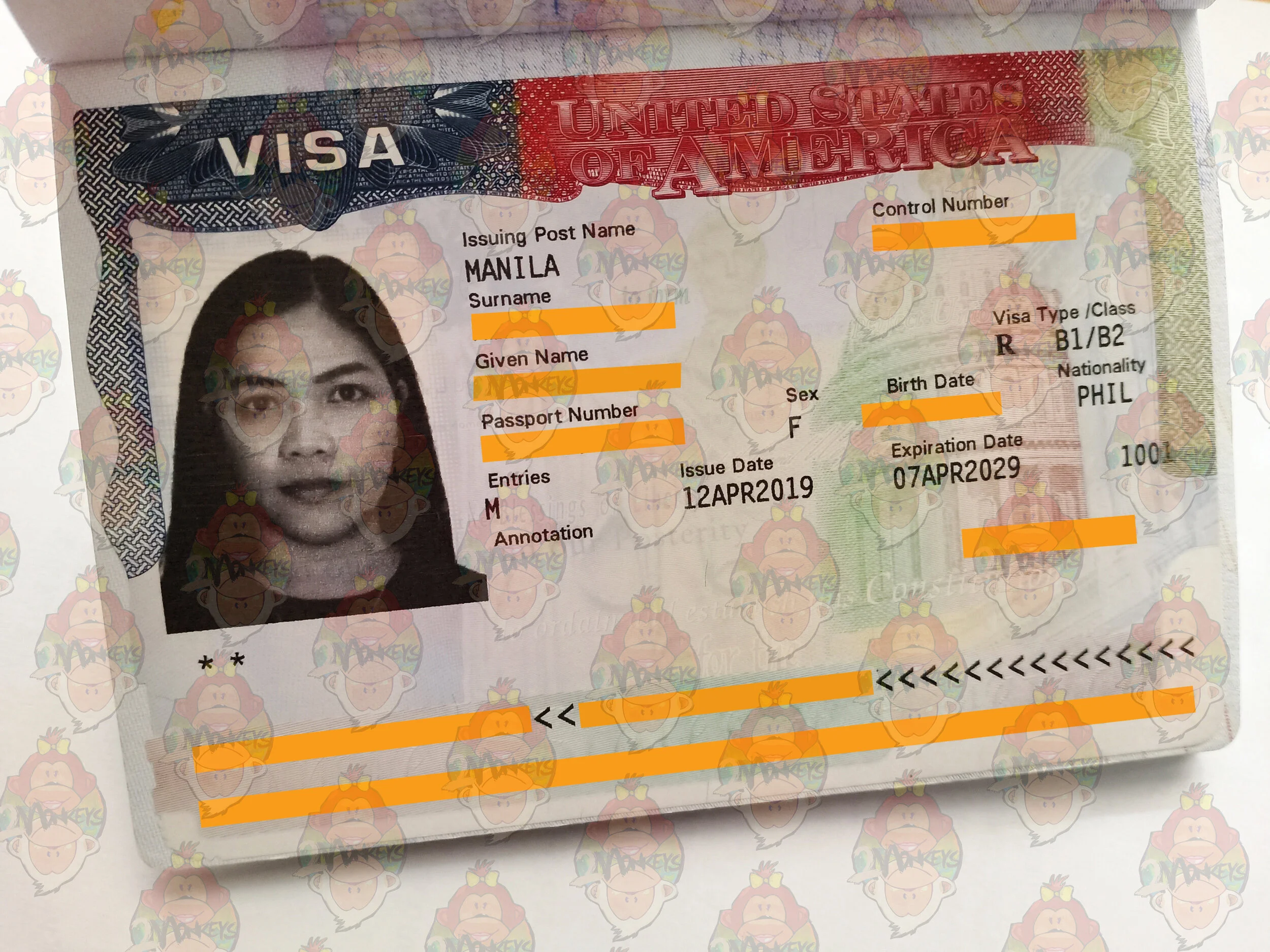
The B-visa category is the most common. The B-1 visa is for business-related travel, such as attending conferences, negotiating contracts, or consulting with business associates. It does not allow for actual employment or receiving a salary from a U.S. source. The B-2 visa is for tourism, visiting friends or family, and seeking medical treatment. In practice, these are often issued as a combined B-1/B-2 visa valid for multiple entries over several years.
Student and Exchange Visas (F, M, J)
- F-1 Visa: For academic students enrolled in colleges, universities, or language training programs.
- M-1 Visa: For vocational or non-academic programs.
- J-1 Visa: For exchange visitors participating in programs that promote cultural exchange, such as au pairs, research scholars, or short-term professors. These often require a "Two-Year Home-Country Physical Presence Requirement" before the holder can transition to a different visa type.
Temporary Work Visas (H, L, O, P)
These visas generally require a U.S. employer to file a petition with U.S. Citizenship and Immigration Services (USCIS) before the individual can apply for the visa at a consulate.
- H-1B: For specialty occupations requiring highly specialized knowledge (e.g., IT, Engineering).
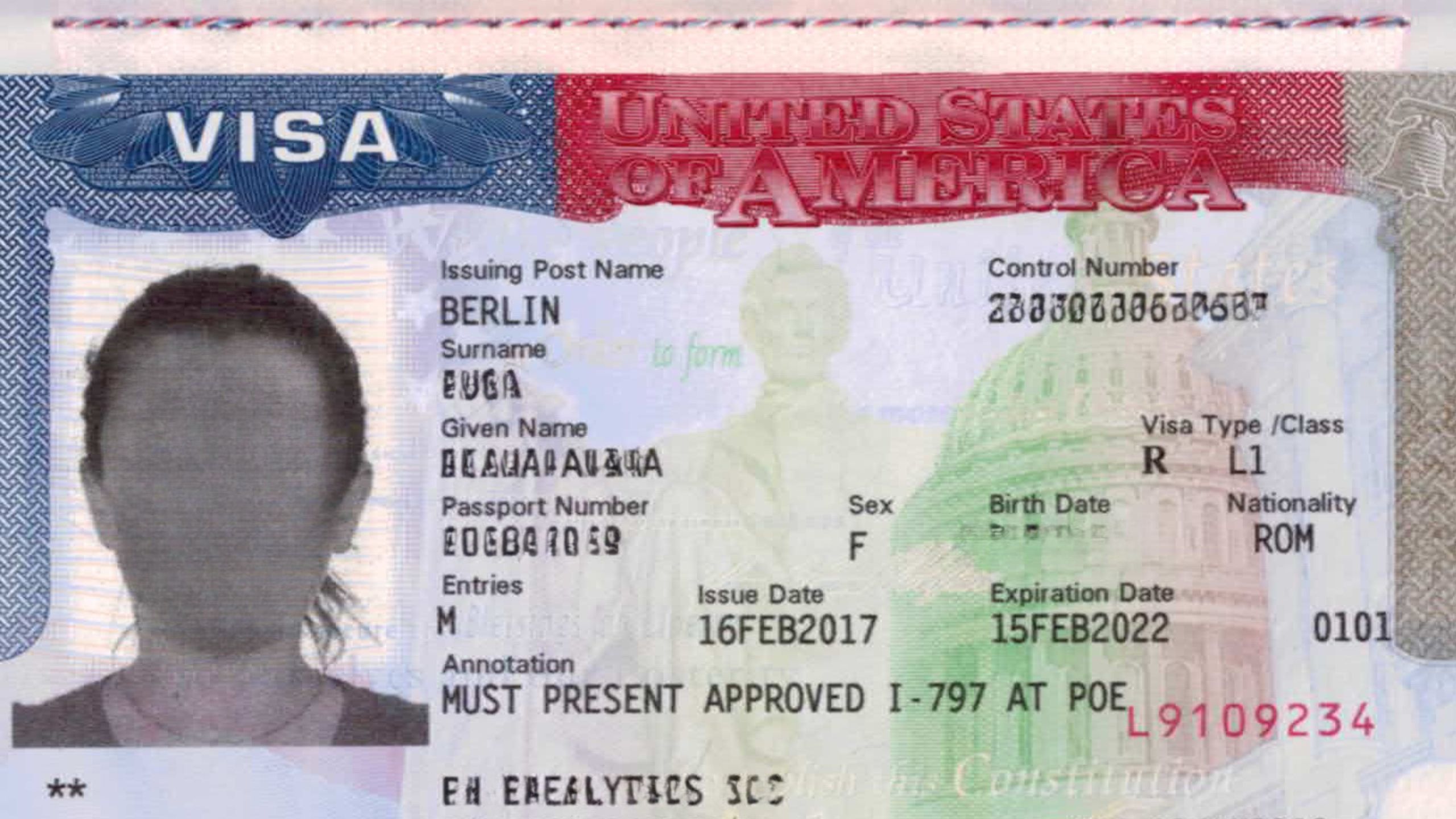
- L-1: For intra-company transferees who work in managerial or specialized roles at an overseas branch of a U.S. company.
- O-1: For individuals with extraordinary ability in the sciences, arts, education, business, or athletics.
The 2026 Application Process: A Step-by-Step Walkthrough
While the specific order of operations can vary slightly by consulate, the general framework for obtaining a nonimmigrant visa remains standardized.
1. Determine Your Visa Type
Select the category that matches your purpose of travel. Applying for the wrong visa type is a common reason for delays or denials.
2. Complete the Online DS-160 Form
The DS-160, Online Nonimmigrant Visa Application, is the primary source of information for the consular officer. You must provide personal history, travel plans, and answer security-related questions. In 2026, this form continues to require comprehensive social media identifiers and extensive travel history. Accuracy is paramount; any discrepancy between your form and your interview answers can be flagged as fraud.
3. Pay the Application Fee
The Machine Readable Visa (MRV) fee is non-refundable. As of 2026, fees generally range from $185 to $315, depending on the visa category. Some categories, such as the H-1B or L-1, may also involve "reciprocity fees," which are additional costs based on how your home country charges U.S. citizens for similar visas.
4. Schedule Your Appointment
Most applicants must schedule two appointments: one for biometrics (fingerprints and photo) at a Visa Application Center (VAC) and one for the visa interview at the U.S. Embassy or Consulate. In 2026, wait times vary significantly by region, so early planning is essential.
5. Attend the Interview
The interview is usually brief, often lasting less than five minutes. The officer will review your DS-160, verify your documents, and ask questions to determine your eligibility. You should be prepared to explain your travel plans and how you will fund your trip.
Comparison of Common Nonimmigrant Visas
| Visa Type | Primary Purpose | Petition Required? | Stay Duration (Initial) |
|---|---|---|---|
| B-1/B-2 | Tourism / Business Meetings | No | Up to 6 months |
| F-1 | Academic Studies | No (I-20 Required) | Duration of Status (D/S) |
| H-1B | Specialty Occupations | Yes (Form I-129) | Up to 3 years |
| J-1 | Exchange Programs | No (DS-2019 Required) | Program length + 30 days |
| L-1 | Intra-company Transfer | Yes (Form I-129) | Up to 3 years |
| O-1 | Extraordinary Ability | Yes (Form I-129) | Up to 3 years |
Essential Documentation and Evidence
While the DS-160 is your primary application, you must bring supporting documents to your interview to verify your claims. In 2026, digital copies are often accepted for review, but original physical documents should be available upon request.
- Passport: Must be valid for at least six months beyond your intended period of stay in the U.S.
- Confirmation Page: The printed barcode page from your completed DS-160.
- Financial Evidence: Bank statements, pay stubs, or tax returns demonstrating your ability to cover all costs without working illegally in the U.S.
- Proof of Ties: Employment contracts, property deeds, or enrollment verification from a school in your home country.
- Specific Forms: For students, the Form I-20; for exchange visitors, the Form DS-2019; for work visas, the I-797 Approval Notice.
Understanding Administrative Processing
If your application is not immediately approved or denied, it may be placed in Administrative Processing (Section 221(g)). This is not a final refusal. Instead, it means the consular officer requires more information or needs time to conduct additional background checks. This can occur due to your field of study (particularly in sensitive technologies), your name matching a database entry, or missing documentation. Most administrative processing cases are resolved within 60 days, though some can take longer.
Visa vs. Status: The Role of the I-94
A common misconception is that the expiration date on your visa sticker is the date you must leave the U.S. In reality, the visa is only an "entry ticket." Once you arrive at the border, a Customs and Border Protection (CBP) officer determines how long you can stay.
The officer will issue an electronic Form I-94 (Arrival/Departure Record). The date on your I-94 is the official end-date of your authorized stay. If you remain in the U.S. past this date, you are "out of status," which can lead to deportation and a multi-year bar from returning to the United States. You can check your current I-94 status at any time via the official CBP website.
Frequently Asked Questions
Can I work in the U.S. on a B-1/B-2 visitor visa?
No. Employment is strictly prohibited on a visitor visa. You may participate in business meetings, attend training, or negotiate deals, but you cannot be paid by a U.S. entity or perform services that would otherwise be done by a U.S. worker. Doing so is a violation of your status and can result in permanent visa ineligibility.
What happens if my visa application is denied?
If denied under Section 214(b), the officer will provide a written explanation. While there is no formal appeal process for nonimmigrant visas, you can reapply at any time. However, it is generally advised to wait until your circumstances have changed significantly or you can provide new evidence of your ties to your home country.
How far in advance should I apply for my visa?
It is recommended to apply at least 3 to 4 months before your intended travel date. While some consulates process visas in a few days, others may have interview wait times exceeding several months. You can check current appointment wait times on the U.S. Department of State website.
Is an interview always required for a nonimmigrant visa?
In 2026, many applicants may qualify for an Interview Waiver. Generally, if you are renewing a visa in the same category that expired within the last 48 months, or if you meet certain age requirements (under 14 or over 79), you may be able to skip the in-person interview. This is determined by the specific consulate where you are applying.
Can I change my visa status while I am in the United States?
Yes, in many cases, you can apply to change your status (e.g., from B-2 visitor to F-1 student) by filing a petition with USCIS while you are physically in the U.S. However, you must remain in legal status throughout the processing period, and you cannot begin your new activity (like starting classes or working) until the change of status is officially approved.
Final Recommendation for 2026 Applicants
The success of a nonimmigrant visa application hinges on transparency and preparation. Do not rely on generic templates for your DS-160; ensure every answer is specific to your personal history. If you are applying for a work or student visa, familiarize yourself with the specific regulations of your category, as "maintaining status" once you arrive is as important as getting the visa itself. For complex situations, such as prior arrests or previous visa denials, consulting with a qualified immigration attorney is highly recommended to ensure your application meets all legal standards.
Disclaimer: Immigration laws and policies are subject to frequent change. This information is for educational purposes and does not constitute legal advice. For the most current regulations, visit travel.state.gov or uscis.gov.
Image Gallery