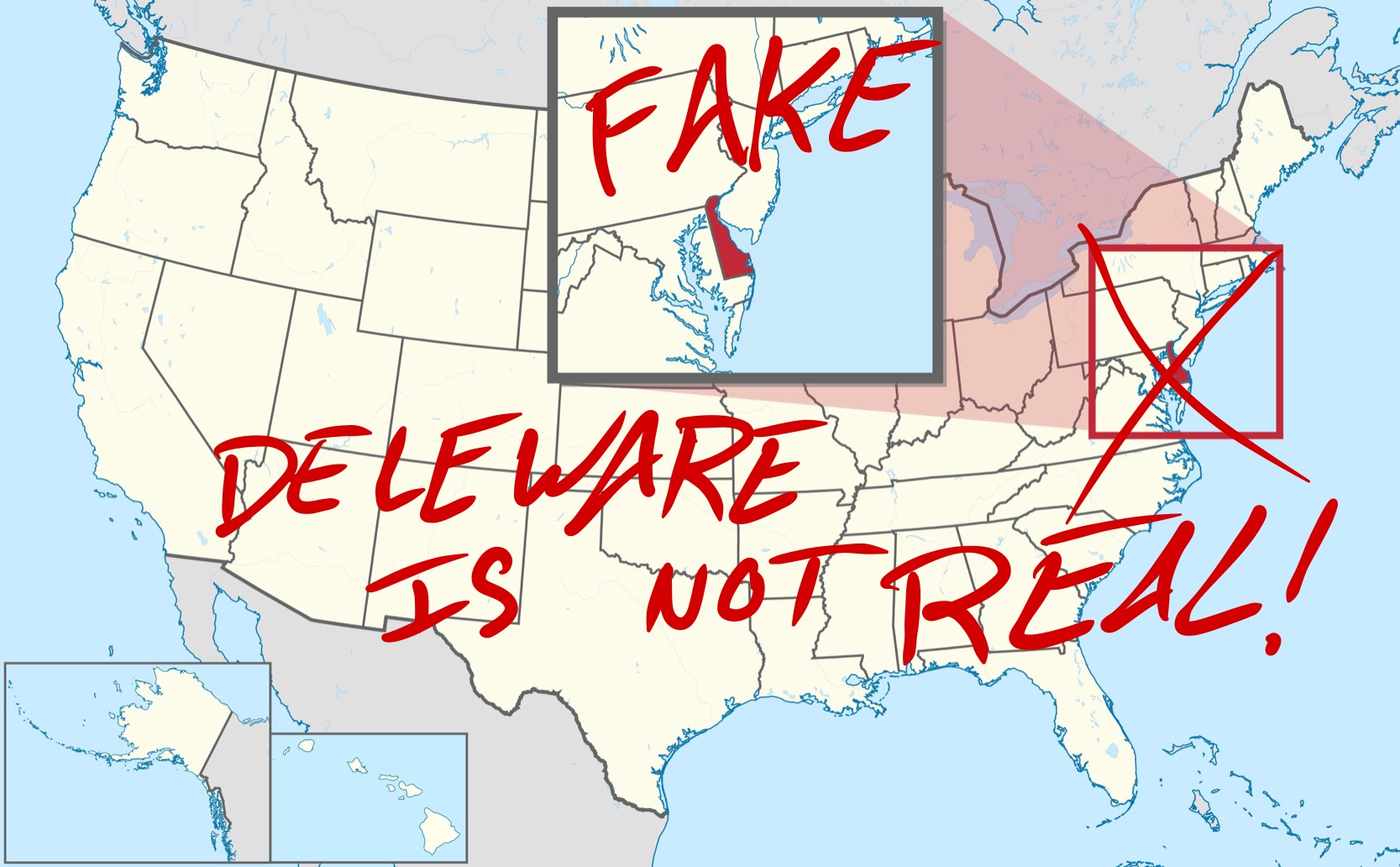
Why the State of Delaware Exists: Historical, Boundary, and Legal Origins
The State of Delaware exists as an independent entity due to seventeenth-century colonial rivalries, complex land grant disputes between Maryland and Pennsylvania, and a distinct regional assembly formed in 1704. Although geographicall...
The State of Delaware exists as an independent entity due to seventeenth-century colonial rivalries, complex land grant disputes between Maryland and Pennsylvania, and a distinct regional assembly formed in 1704. Although geographically small, Delaware maintained cultural and political autonomy from its neighbors, ultimately declaring independence from Great Britain and Pennsylvania in June 1776 before becoming the first U.S. state to ratify the Constitution.
Contents
Colonial Rivalries: Dutch, Swedish, and English Claims
Understanding why Delaware exists requires examining the earliest European settlements along the Delaware River basin in the seventeenth century. Long before state boundaries were codified, three European powers—the Dutch Republic, the Kingdom of Sweden, and the Kingdom of England—competed for economic control over the mid-Atlantic coastline.
In 1631, Dutch colonists established Zwaanendael near present-day Lewes, Delaware. Although local conflict destroyed this initial settlement shortly after its founding, it established a prior Dutch legal claim to the region. In 1638, Swedish settlers founded New Sweden, establishing Fort Christina near present-day Wilmington. New Sweden established permanent agricultural communities and trading posts, creating a distinct regional identity separate from the English settlements taking root in Virginia and New England.
The Dutch West India Company, operating from New Amsterdam (modern-day New York), reasserted its authority by capturing New Sweden in 1655 under Director-General Peter Stuyvesant. Less than a decade later, in 1664, an English expedition seized all Dutch territory along the Atlantic seaboard. King Charles II granted these conquered lands to his brother, James, Duke of York. The Duke maintained control of the territories on the west side of the Delaware River and Bay, laying the foundation for what would eventually become the state of Delaware.
The Boundary Dispute: Maryland, Pennsylvania, and the Three Lower Counties
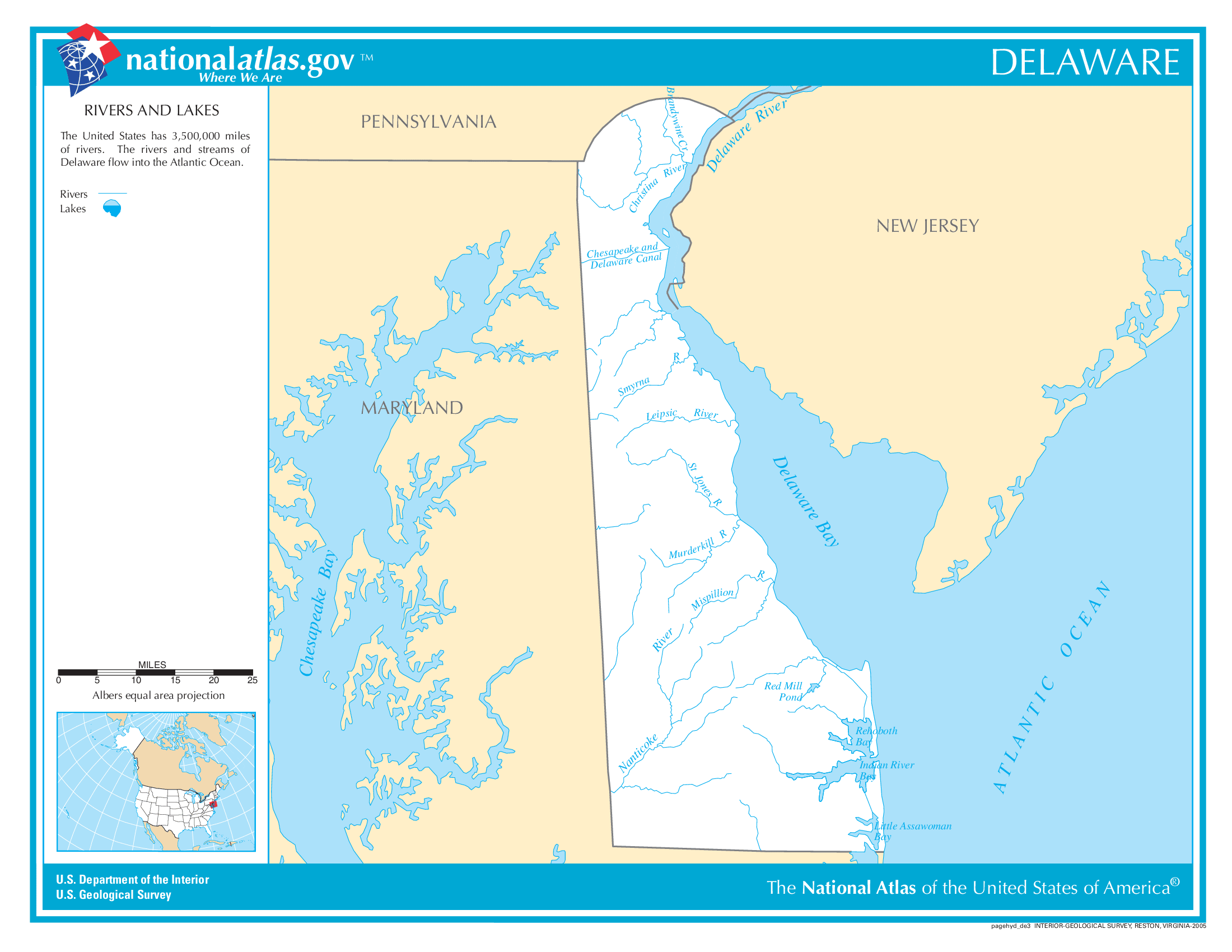
Delaware’s physical outline is the direct outcome of prolonged territorial conflicts between two prominent colonial proprietor families: the Calverts of Maryland and the Penns of Pennsylvania.
| Maryland (Lord Baltimore) | Pennsylvania / Lower Counties (Penn) |
|---|---|
| Charter of 1632 | Deed of 1682 |
| Claimed to 40th Parallel | Desired Atlantic Sea Access |
In 1632, King Charles I granted Cecil Calvert, 2nd Baron Baltimore, the charter for Maryland. This charter defined Maryland’s northern boundary at the 40th parallel and its eastern boundary at the Atlantic Ocean and Delaware Bay. However, the charter specified that Lord Baltimore was granted land that was hitherto uncultivated (hactenus inculta) and inhabited only by Native Americans. Because the Dutch had already settled Zwaanendael in 1631, subsequent legal rulings argued that the land along the Delaware Bay fell outside the scope of Maryland's charter.
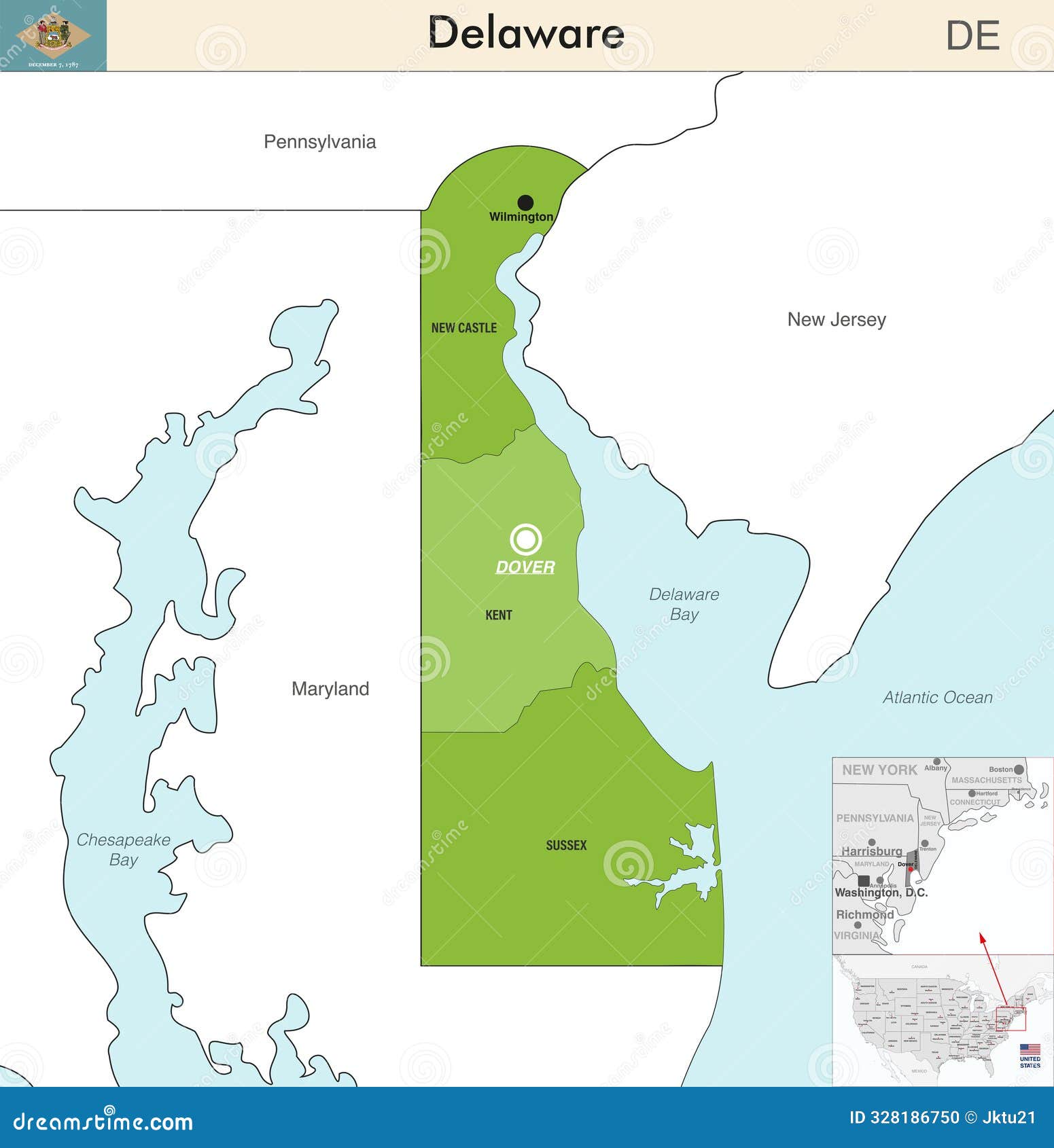
When William Penn received the charter for Pennsylvania in 1681, he recognized that his vast inland territory required direct access to the ocean for trade. Penn persuaded the Duke of York to lease and deed him the land along the west bank of the Delaware River—an area known as the "Three Lower Counties" (New Castle, Kent, and Sussex).
The overlapping claims created decades of litigation between the Calvert and Penn families. Resolving these boundary disputes required groundbreaking surveying efforts that created Delaware's unique modern borders:
- The 12-Mile Circle: Drawn in 1682, this arc radiates twelve miles from the cupola of the New Castle Courthouse, forming Delaware’s distinct northern border with Pennsylvania.
- The Transpeninsular Line: Surveyed in 1751, this east-west line established the southern boundary between Maryland and Delaware, running from Fenwick Island across the Delmarva Peninsula.
- The Tangent Line and Mason-Dixon Survey: Completed in the 1760s by Charles Mason and Jeremiah Dixon, this survey established Delaware's western border with Maryland, connecting the midpoint of the Transpeninsular Line north to a tangent point on the 12-Mile Circle.
The Legislative Split: 1704 Separation from Pennsylvania
Although William Penn controlled both Pennsylvania and the Three Lower Counties under a unified governance model, political and economic tensions quickly emerged between the two regions.
The upper counties of Pennsylvania were predominantly Quaker, pacifist, and focused on inland merchant trade centered around Philadelphia. In contrast, the residents of the Three Lower Counties were composed of diverse religious groups, including Anglicans, Presbyterians, and Lutherans, many of whom supported military defense measures for their exposed coastal shipping routes.
| Historical Dimension | Pennsylvania (Upper Counties) | Three Lower Counties (Delaware) |
|---|---|---|
| Primary Economy | Inland agriculture & merchant shipping | Maritime trade, coastal farming, timber |
| Dominant Culture | Quaker majority | Anglican, Presbyterian, Swedish Lutheran |
| Legislative Goal | Pacifist policy, centralized rule | Maritime defense, localized self-governance |
| Autonomy Date | 1682 Charter | 1704 Separate Assembly established |
Frustrated by Philadelphia's political dominance and distance, representatives from the Lower Counties petitioned for legislative independence. In 1704, William Penn granted permission for the Three Lower Counties to establish their own legislative assembly in New Castle.
While the Lower Counties shared Pennsylvania’s royal governor until 1776, they operated as an autonomous colony with their own laws, taxation, and legislative processes. This institutional separation ensured that when the American Revolution arrived, Delaware was already functioning as a distinct self-governing jurisdiction rather than a mere extension of Pennsylvania.
Statehood and Sovereignty: The Revolution of 1776
The formal transformation from colonial self-governance to full statehood occurred in 1776 amid the American Revolution. On June 15, 1776—weeks before the adoption of the Declaration of Independence in Philadelphia—the Delaware Assembly met at the New Castle Court House and passed a resolution severing all political ties with both the British Crown and the Province of Pennsylvania.
This historic act, celebrated locally as Separation Day, established the government of the "Delaware State." A constitutional convention convened in New Castle later that year, drafting Delaware's first state constitution, adopted on September 20, 1776.
- 1704: Separate Assembly Granted (Shared Governor with PA)
- June 15, 1776: Delaware Separation Day (Cuts ties with UK & PA)
- September 20, 1776: First Delaware State Constitution Adopted
- December 7, 1787: First State to Ratify the U.S. Constitution
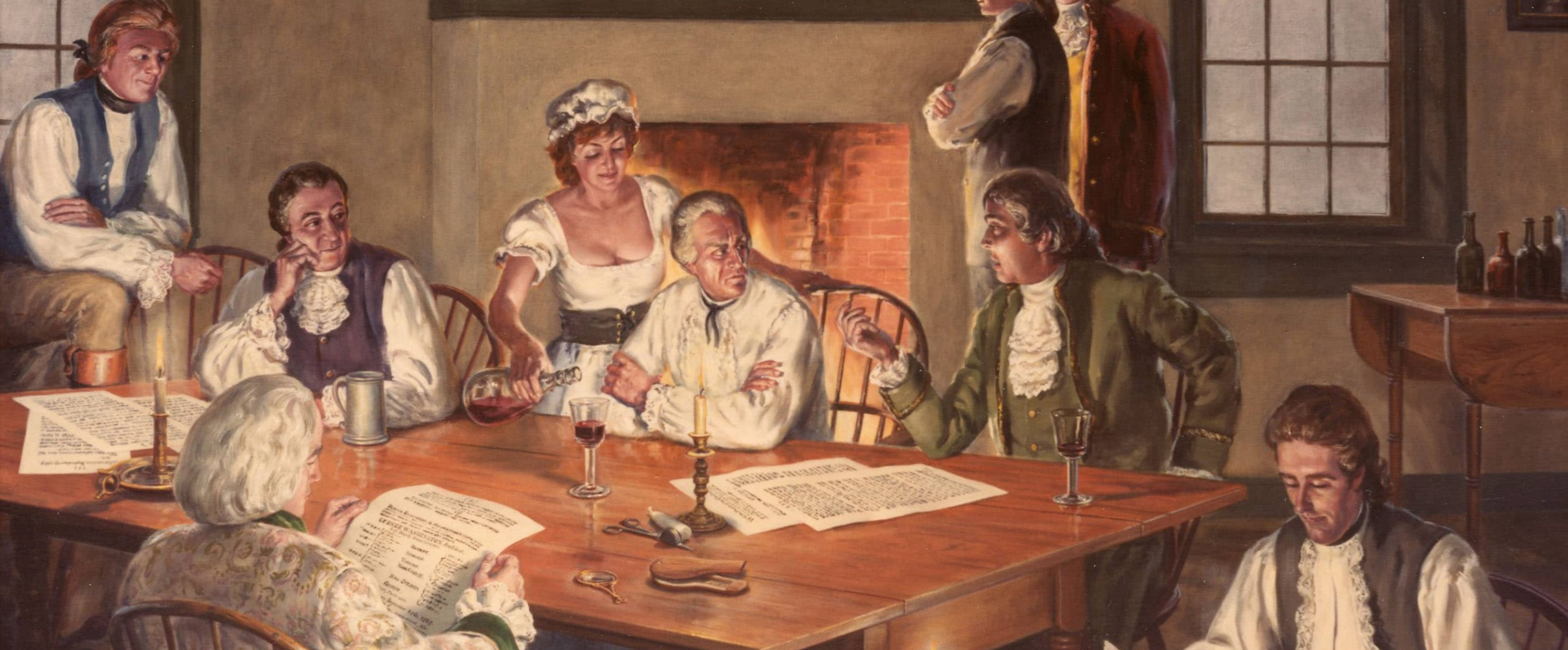
Delaware solidified its identity on December 7, 1787, when thirty delegates unanimously voted to ratify the newly drafted United States Constitution. By acting faster than any other former colony, Delaware earned its moniker, "The First State."
Small-state advocates, led by Delaware delegate John Dickinson, had successfully argued during the Constitutional Convention for equal representation in the United States Senate. This constitutional compromise protected small states like Delaware from being absorbed politically by larger neighbors such as Virginia or Pennsylvania.
The Corporate Jurisdiction: Why Delaware Exists as a Modern Legal Hub
While eighteenth-century boundary disputes and revolutionary politics explain Delaware’s territorial existence, modern corporate law explains its distinct economic and legal prominence today. Delaware is home to more incorporated entities than residents, including over 60 percent of Fortune 500 companies.
This corporate footprint traces back to the late nineteenth century. In 1899, Delaware passed the Delaware General Corporation Law (DGCL) to create a business-friendly legal climate. When neighboring New Jersey amended its corporate laws to be less favorable to holding companies in the early twentieth century, major businesses migrated their corporate domiciles to Delaware.
- Delaware Corporate System Governance
- Court of Chancery
- Specialized bench trial judges
- Expert equity jurisprudence
- Fast corporate dispute resolution
- General Corporation Law (DGCL)
- Updated annually by experts
- Flexible capital structures
- Predictable governance rules
- Court of Chancery
Delaware’s legal architecture offers several structural advantages for business entities:
- The Delaware Court of Chancery: Established in 1792, this specialized chancery court focuses strictly on equity matters and corporate governance disputes. Cases are decided by expert judicial officers (Chancellors) rather than lay juries, resulting in fast, predictable legal rulings.
- Predictable Case Law: Centuries of business litigation have created an extensive body of legal precedent. Corporate boards and investors rely on this body of decisions to assess legal risk accurately.
- Flexible Governance Statutes: The state legislature updates the General Corporation Law regularly in consultation with specialized legal professionals to adapt to modern commerce, venture capital requirements, and technological developments.
Key Historical Milestones Shaping Delaware
The table below outlines the major legal acts, disputes, and charters that established and preserved Delaware's independence.
| Year | Event / Instrument | Primary Parties | Impact on Delaware's Existence |
|---|---|---|---|
| 1631 | Settlement of Zwaanendael | Dutch West India Company | Established prior settlement, invalidating Baltimore's charter claim. |
| 1638 | Founding of New Sweden | Swedish South Company | Established permanent settlements along the Delaware River. |
| 1682 | Lease of Lower Counties | William Penn & Duke of York | Granted Penn ocean access and created the 12-Mile Circle boundary. |
| 1704 | Legislative Separation | Lower Counties Assembly | Granted independent legislative power to Delaware delegates. |
| 1767 | Mason-Dixon Boundary | Charles Mason & Jeremiah Dixon | Defined permanent southern and western borders with Maryland. |
| 1776 | Delaware Separation Day | Delaware General Assembly | Severed ties with Great Britain and Pennsylvania to establish a state. |
| 1787 | U.S. Constitution Ratification | Delaware Convention | First state to ratify, securing equal representation in the U.S. Senate. |
| 1899 | Delaware General Corporation Law | Delaware General Assembly | Established modern framework for corporate incorporation dominance. |
Frequently Asked Questions
Why didn't Maryland or Pennsylvania absorb Delaware during the colonial era?
Maryland was prevented from annexing Delaware because Lord Baltimore's 1632 charter applied only to uncultivated land, whereas Dutch settlers had already established Zwaanendael in 1631. Pennsylvania failed to absorb Delaware because the Three Lower Counties maintained cultural differences, demanded their own legislative assembly in 1704, and formally separated from Pennsylvania in 1776.
How did the 12-Mile Circle originate?
The 12-Mile Circle was established in 1682 as part of the land grant deeded by the Duke of York to William Penn. The arc was surveyed from the cupola of the New Castle Courthouse with a twelve-mile radius to guarantee that Penn's northern territory around Philadelphia did not encroach upon New Castle's established port area.
Why is Delaware called "The First State"?
Delaware earned the title "The First State" because its delegates were the first among the thirteen original colonies to unanimously ratify the United States Constitution on December 7, 1787.
Why do so many corporations incorporate in Delaware if they do not operate there?
Corporations incorporate in Delaware because of its favorable legal system, including the specialized Court of Chancery, an extensive body of corporate case law, and the adaptable Delaware General Corporation Law. Businesses benefit from legal predictability and corporate privacy standards regardless of where their physical headquarters are located.
Summary and Key Takeaway
Delaware exists today as a direct result of colonial settlement history, geographic boundary compromises, and early legislative self-determination. The initial Dutch presence at Zwaanendael thwarted Maryland's territorial claims, while political differences with Philadelphia led to a distinct legislative assembly in 1704. By declaring independence from Pennsylvania and Great Britain in 1776 and ratifying the Constitution first in 1787, Delaware permanently secured its constitutional status as a sovereign state. Modern business owners and legal scholars interested in state boundary history or corporate formation can consult historical records from the Delaware Public Archives or corporate filing information via the Delaware Division of Corporations.
Image Gallery