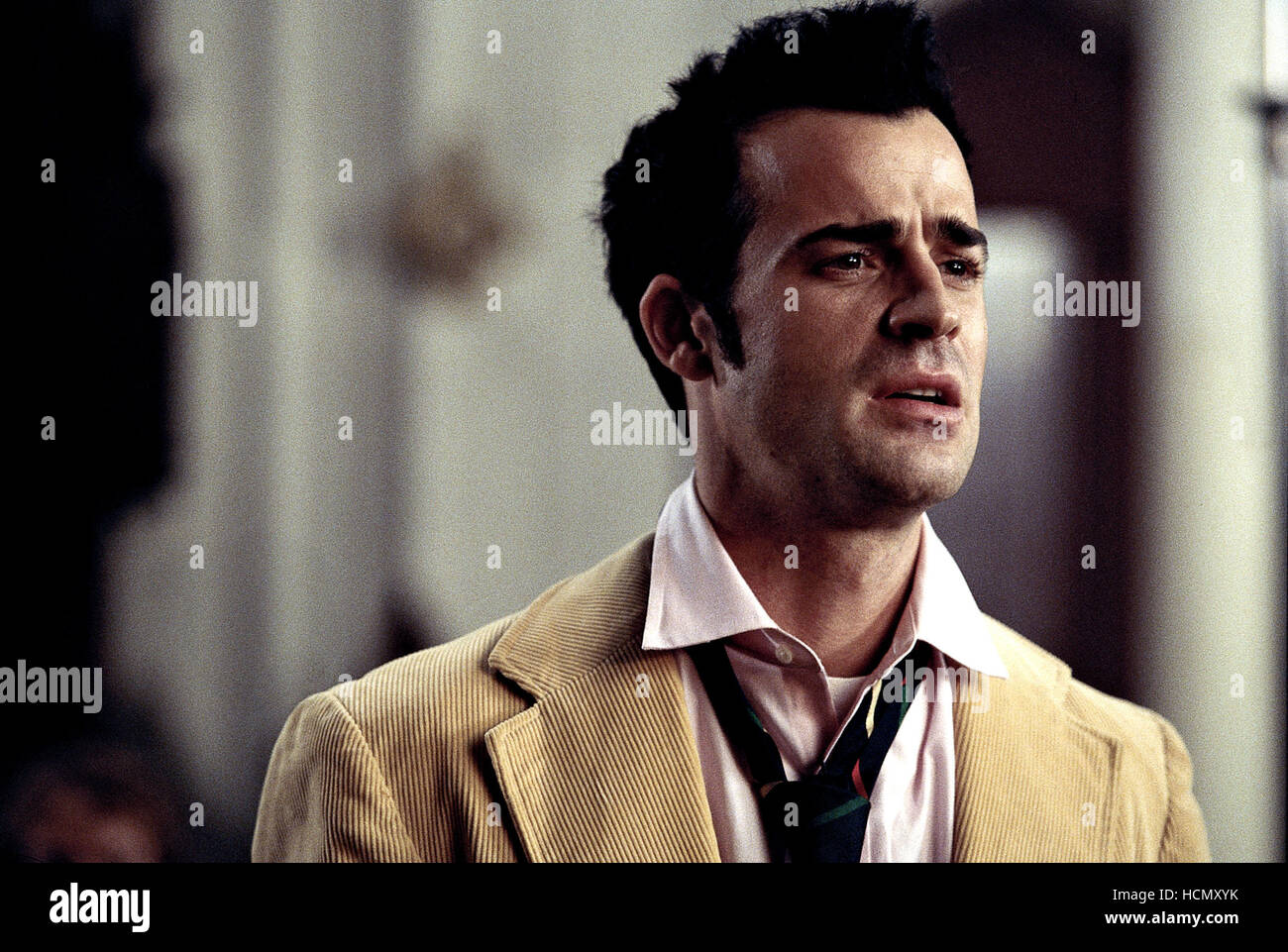
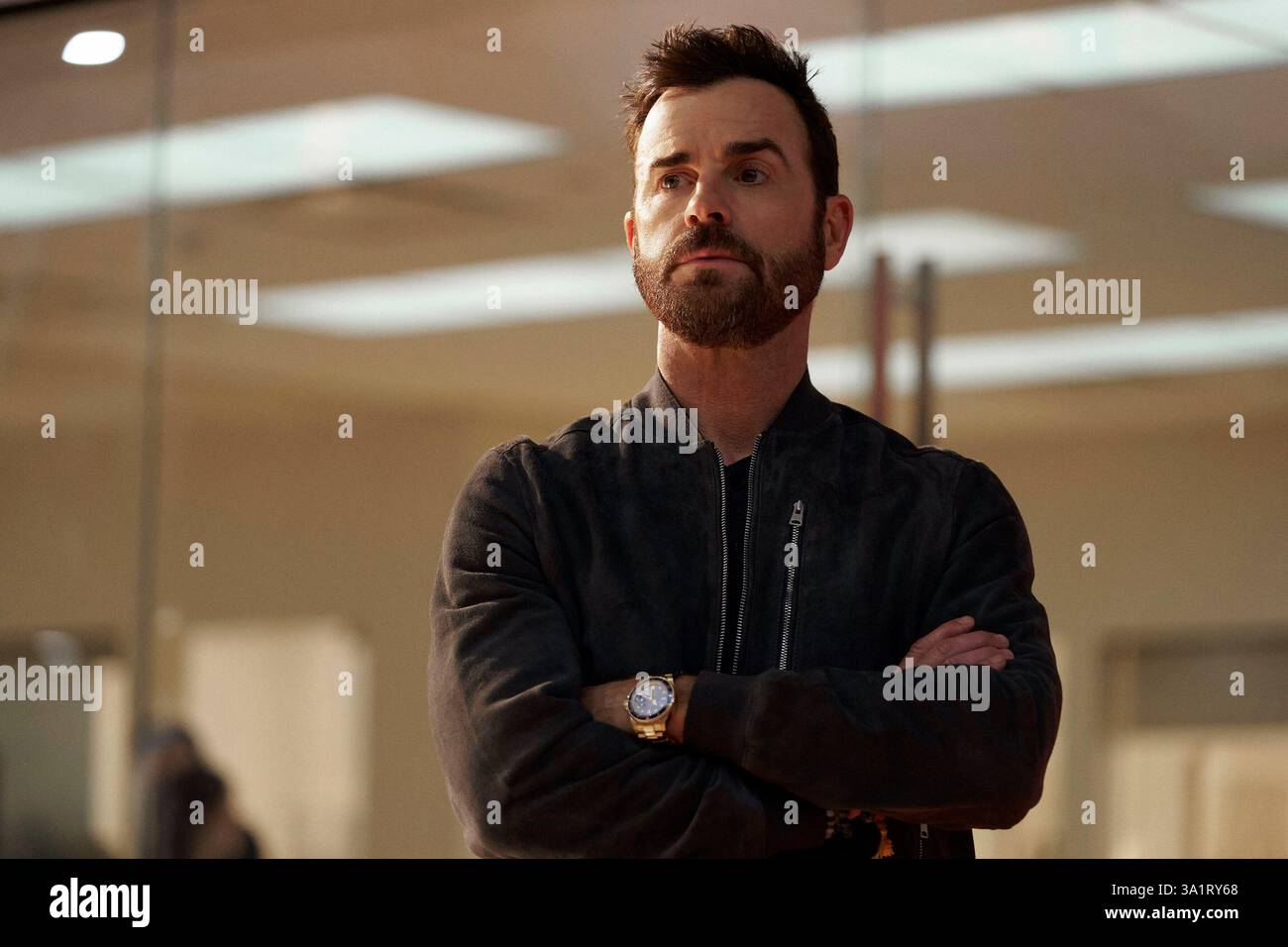
Justin Theroux: The Intersection of Cinematic Narrative and Architectural Design in 2026
Justin Theroux has forged a dual legacy as a versatile Hollywood powerhouse and a sophisticated architectural designer. Known for his roles in The Leftovers and screenwriting for Tropic Thunder, his design work focuses on masculine, in...
Justin Theroux has forged a dual legacy as a versatile Hollywood powerhouse and a sophisticated architectural designer. Known for his roles in The Leftovers and screenwriting for Tropic Thunder, his design work focuses on masculine, industrial aesthetics, blending historical preservation with modern functionality in high-end residential projects across New York and beyond.
Contents
The Dual Identity of a Modern Polymath
By 2026, the concept of the "multi-hyphenate" has become a standard in the creative industries, yet Justin Theroux remains a standout example of someone who treats film and design not as separate hobbies, but as interconnected disciplines. His career has never been a linear progression from acting to writing to design; instead, it is a simultaneous exploration of how environments tell stories.
In the film industry, Theroux is recognized for his ability to navigate the surrealist landscapes of David Lynch and the gritty, emotional realism of prestige television. In the world of design, he is celebrated for a "lived-in" industrialism that eschews the sterile nature of modern minimalism in favor of texture, history, and shadow. This intersection defines his public persona: a creator who understands that whether you are building a scene or a room, the primary goal is to evoke a specific emotional response from the inhabitant.
The Cinematic Foundation: From Lynch to the Blockbuster
To understand Theroux’s design eye, one must first analyze his cinematic origins. His early work with David Lynch in Mulholland Drive (2001) and Inland Empire (2006) introduced him to a visual language where spaces—hallways, red-curtained rooms, and dimly lit bungalows—act as characters. This "Lynchian" influence is visible in Theroux’s preference for dramatic lighting and moody color palettes in his interior design work.
The Evolution of the Leading Man
Theroux’s tenure as Kevin Garvey in HBO’s The Leftovers (2014–2017) solidified his status as a dramatic heavyweight. The show required a high level of physical and emotional commitment, often set against stark, evocative backdrops that mirrored the internal chaos of the characters. This period of his career emphasized the importance of atmosphere, a lesson he would later carry into his renovation projects.
More recently, his involvement in the Beetlejuice Beetlejuice (2024) revival and various prestige limited series leading into 2026 has shown his continued range. He balances these high-profile roles with a discerning selection of indie projects, maintaining a reputation for "cool" that is rare in Hollywood.
The Architect of the Screenplay
Beyond acting, Theroux’s contributions as a screenwriter for Tropic Thunder, Iron Man 2, and Rock of Ages demonstrate a technical understanding of structure. Writing a blockbuster requires a meticulous eye for pacing and "blueprinting" a narrative—a skill that translates directly to architectural planning. In both scripts and floor plans, Theroux displays an obsession with how "users" (the audience or the resident) move through a sequence of events or rooms.
Design Philosophy: Industrialism and Historical Preservation
Justin Theroux’s foray into interior and architectural design is characterized by what critics call "Intellectual Industrialism." While many designers lean toward the bright and airy, Theroux embraces the subterranean and the historic. His work is primarily focused on New York City’s urban fabric, specifically the renovation of lofts and townhouses that have lost their original soul to decades of generic modernization.
The Technicality of Materials
Theroux is known for a hands-on approach to material sourcing. His design vocabulary frequently includes:
- Reclaimed Timber: Using joists from 19th-century warehouses to create custom furniture or flooring.
- Cold-Rolled Steel: Incorporating raw metal for shelving and partitions to maintain an edge that feels grounded and permanent.
- Distressed Leather: Choosing upholstery that suggests decades of use, reinforcing a sense of comfort and history.
- Exposed Masonry: Stripping away drywall to reveal the structural integrity of the building, a hallmark of his NYC aesthetic.
Lighting as Architecture
Perhaps the most "cinematic" aspect of Theroux’s design work is his approach to lighting. He often avoids recessed "can" lights, which he argues flatten the depth of a room. Instead, he utilizes layers of light—sconces, floor lamps with Edison bulbs, and custom brass fixtures—to create pockets of shadow. This technique creates a sense of intimacy and "noir" that reflects his film background, making a residential space feel like a curated set piece.
Comparative Analysis: Film Roles vs. Design Characteristics
The following table illustrates how Theroux’s cinematic experiences align with his design preferences, showing the consistency of his aesthetic across different media.
| Aspect | Film Influence (Example) | Design Translation |
|---|---|---|
| Atmosphere | The Leftovers (Somber, visceral) | Moody palettes; dark charcoal and forest green walls. |
| Structure | Iron Man 2 (Complex, mechanical) | Exposed HVAC, custom steel joinery, and visible hardware. |
| Surrealism | Mulholland Drive (Unexpected details) | Curated oddities; antique medical tools or taxidermy as decor. |
| Narrative | Tropic Thunder (Satire/Character-driven) | Spaces designed around "stories"—the history of the building. |
| Durability | White House Plumbers (Grit and realism) | Heavy-duty materials; brass, copper, and solid stone. |
Case Studies: The Theroux Aesthetic in Practice
The Greenwich Village Loft
One of the most publicized examples of his design prowess is his own residence in New York. Moving away from the "white box" gallery look, Theroux transformed a standard loft into a multi-layered sanctuary. The technical challenge involved soundproofing the space against the noise of Lower Manhattan while maintaining the massive, original windows. The result is a masterclass in acoustic engineering disguised as high-end decor, featuring heavy velvet drapery and strategic wall padding.
The 18th-Century Farmhouse
Theroux’s work on rural properties shows a different side of his design capability. Here, the focus shifts from industrialism to "primitive luxury." He emphasizes the preservation of original hand-hewn beams and the restoration of wood-burning fireplaces. In these projects, the goal is to make any modern intervention—such as high-end kitchen appliances or radiant floor heating—completely invisible to the naked eye, preserving the historical integrity of the structure.
The Technical Intersection: Designing for the Camera
As we look at the landscape in 2026, Theroux’s influence has extended into the design of private screening rooms and home theaters for elite clients. Most home theaters fail because they prioritize technology over comfort, or "theatre vibes" over residential warmth.
Theroux’s approach is different. He treats the screening room as a "cigar lounge that happens to play movies." This involves:
- Matte Finishes: Ensuring no light reflects off surfaces back onto the screen, a technical requirement often missed by amateur designers.
- Ergonomic Sightlines: Calculating the exact height of seating to ensure the screen occupies the perfect field of vision without causing neck strain.
- Hidden Tech: Using acoustic fabric walls to hide massive speakers, ensuring the room remains a beautiful architectural space when the screen is off.
Common Mistakes in the "Theroux Style" and How to Avoid Them
Many homeowners attempt to replicate the Justin Theroux aesthetic but end up with a space that feels like a themed restaurant. To achieve the authentic look, one must avoid these common pitfalls:
- Over-Industrialization: Do not use too much "fake" industrial hardware. If a bolt or a pipe doesn't have a structural or functional purpose, it often looks kitsch. Authentic industrial design is about exposing real function.
- Poor Lighting Ratios: A dark room is only successful if it has high-contrast lighting. Simply painting walls black and using dim bulbs will make a space feel small and depressing. You must have "bright spots" (like a spotlight on a piece of art) to create depth.
- Ignoring Comfort: The "edge" of steel and stone must be balanced with the softness of textiles. Without high-quality rugs and linens, an industrial space becomes an echo chamber that is physically uncomfortable to inhabit.
Frequently Asked Questions
Does Justin Theroux have a formal design firm?
As of 2026, Justin Theroux operates primarily as a high-level consultant and private designer rather than running a large-scale commercial firm. He often collaborates with established architectural offices to provide the "creative direction" and "interior soul" of a project, while the partner firm handles the bulk of the permit filings and structural engineering.
What are Theroux's "must-have" materials for a home?
He frequently advocates for "living finishes"—materials like unlacquered brass or marble that develop a patina over time. He believes that a home should age with its owner, and materials that look better after ten years of use are superior to those that require constant polishing to look "new."
How has his screenwriting influenced his design work?
Screenwriting is about the "economy of space"—saying as much as possible with as little as possible. In design, Theroux applies this by avoiding clutter. Every object in a room must "earn its keep" by either providing a specific function or contributing to the narrative of the space.
Can the "Theroux look" be achieved on a budget?
Yes, but it requires a commitment to sourcing. Instead of buying "industrial-style" furniture from mass-market retailers, Theroux’s aesthetic is better served by visiting architectural salvage yards and estate sales. Finding a genuine vintage workbench to use as a kitchen island is often cheaper and more authentic than buying a reproduction.
What role does technology play in his designs?
Theroux is a proponent of "invisible technology." He prefers smart home systems that are controlled by hidden panels or voice, rather than having touchscreens mounted on every wall. The goal is to have a 21st-century functional home that looks like it belongs in the early 20th century.
Practical Recommendation for Aspiring Designers
If you are looking to integrate the "Justin Theroux" approach into your own project, start with lighting and texture rather than furniture. Replace all overhead "cool white" bulbs with "warm" or "amber" tones. Introduce one "raw" element—such as a natural stone backsplash or a reclaimed wood shelf—to act as a tactile anchor for the room. By focusing on the emotional weight of the materials, you move closer to the narrative-driven design that defines Theroux’s work in both film and architecture.
Image Gallery