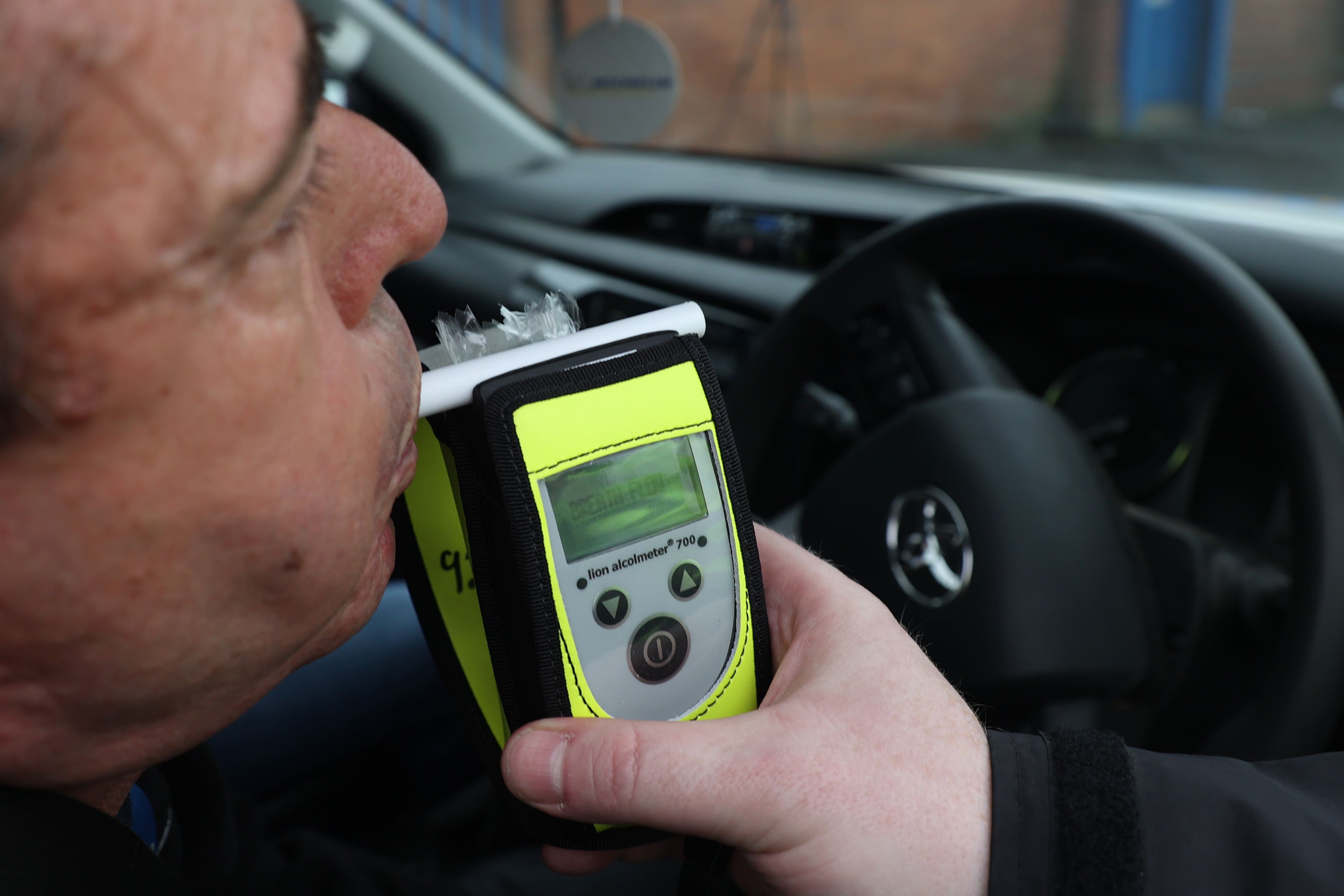
The Impact and Process of a Doctor Being Suspended for Drink Driving
When a doctor is suspended for drink driving, they face a dual-track disciplinary process involving both the criminal justice system and their professional regulator, such as the General Medical Council (GMC) in the United Kingdom. Whi...
When a doctor is suspended for drink driving, they face a dual-track disciplinary process involving both the criminal justice system and their professional regulator, such as the General Medical Council (GMC) in the United Kingdom. While the court issues legal penalties like fines or driving bans, the regulator determines if the doctor’s "fitness to practise" is impaired. Suspension is often used to maintain public confidence in the medical profession or to address underlying health issues related to alcohol consumption.
Contents
In 2026, the intersection of medical ethics and private conduct remains a critical area of professional regulation. For a medical practitioner, a conviction for driving under the influence (DUI) or driving with excess alcohol is not merely a private legal matter; it is a professional crisis. The regulatory framework operates on the principle that the public must have complete confidence in the integrity and clinical judgment of their physicians. A doctor who chooses to drive while intoxicated may be perceived as having poor judgment, a lack of self-discipline, or a potential substance misuse problem that could eventually endanger patients.
The Mandatory Reporting Requirement and Initial Notification
The process typically begins the moment a doctor is charged or convicted. Under the current 2026 Good Medical Practice guidelines, doctors have an absolute professional obligation to self-report any criminal charges, cautions, or convictions to their regulator immediately. Failure to disclose a drink-driving charge is often treated more severely than the offense itself, as it demonstrates a lack of "probity"—a fundamental requirement for any medical professional.
In many jurisdictions, the police also have a direct reporting line to professional bodies. When a person identified as a doctor is convicted of a serious motoring offense, the Disclosure and Barring Service (DBS) or local police force will notify the GMC or relevant national board. This triggers an initial triage process where the regulator decides if the matter requires a full "Fitness to Practise" (FTP) investigation. During this early stage, the regulator may refer the doctor to an Interim Orders Tribunal (IOT). This body does not determine guilt but decides if the doctor should be suspended or have their practice restricted while the full investigation is ongoing.
The Role of the Medical Practitioners Tribunal Service (MPTS)
If the regulator determines that the conviction is serious enough to potentially impair the doctor’s fitness to practise, the case is referred to a formal hearing. In the UK, this is handled by the Medical Practitioners Tribunal Service (MPTS). The tribunal acts as an independent adjudicator, separate from the GMC's investigative wing.
The tribunal's primary objective is not to punish the doctor—the criminal court has already handled the punishment—but to protect the public and the reputation of the profession. They examine the circumstances of the offense: Was it a high reading? Was there an accident? Was it a repeat offense? More importantly, they look at the doctor’s "insight" and "remorse." A doctor who admits their mistake, seeks help for any underlying issues, and demonstrates an understanding of why their behavior was unacceptable is less likely to face permanent erasure from the medical register than one who is defensive or dismissive.
Distinguishing Between Conduct and Health Pathways
One of the most critical distinctions in 2026 regulatory law is whether the drink-driving incident is treated as a Conduct issue or a Health issue.
The Conduct Pathway
If the incident is viewed as an isolated lapse in judgment by a doctor who does not have an alcohol dependency, it is treated as a conduct issue. The focus is on the breach of professional standards and the damage to public trust. A suspension in this context serves as a signal to the public that such behavior is not tolerated within the profession.
The Health Pathway
If the investigation reveals that the doctor has an underlying alcohol use disorder, the case may be managed through the health pathway. Regulators are increasingly aware of the high levels of stress and burnout in the medical profession. If a doctor is ill, the regulator may prioritize treatment and monitoring. In these cases, a suspension might be "stayed" or replaced with "Conditions of Practice," such as mandatory attendance at Alcoholics Anonymous (AA) meetings, regular blood testing (CDT tests), and supervision by a workplace mentor.
Professional Sanctions and Their Implications
The tribunal has a range of sanctions available, and the choice depends on the severity of the offense and the risk of recidivism.
| Sanction Level | Description | Duration | Impact on Practice |
|---|---|---|---|
| No Action / Advice | The incident is noted but no formal sanction is applied. | Permanent record | Full practice allowed. |
| Warning | A formal mark against the doctor’s name on the register. | Typically 2–5 years | Full practice allowed, but visible to employers. |
| Conditions | Specific rules the doctor must follow to keep working. | 12–36 months | Supervised practice, restricted duties, or health monitoring. |
| Suspension | The doctor is temporarily removed from the register. | 1 month to 12 months | Cannot work as a doctor or use the protected title. |
| Erasure | Permanent removal from the medical register. | Minimum 5 years before appeal | Total ban on practicing medicine in that jurisdiction. |
A suspension is a significant blow to a medical career. During a suspension, a doctor cannot earn a salary from clinical work, and their training progression (if they are a junior doctor or registrar) is halted. Furthermore, a suspension for drink driving can make future employment difficult, as it must be disclosed to every future employer and medical malpractice insurer.
The Impact on Clinical Negligence and Insurance
Even after a suspension is lifted, the repercussions continue. Medical defense organizations (MDOs) and private insurers view a drink-driving conviction as a high-risk indicator. A doctor with a history of alcohol-related disciplinary action may find their professional indemnity premiums skyrocketing or, in extreme cases, may find it difficult to obtain coverage at all for private practice.
In a clinical negligence context, if a doctor is involved in a future malpractice suit, a prior suspension for drink driving can be used by claimant solicitors to question the doctor’s general reliability and adherence to safety protocols. While the conviction may be unrelated to a specific clinical error, the "stain" on the professional record can be a powerful tool in court.
Returning to Practice After Suspension
For a doctor to return to work after a suspension for drink driving, they must usually attend a "Review Hearing" before their suspension expires. In 2026, the burden of proof is on the doctor to demonstrate that they are safe to return to the clinical environment.
The doctor must typically provide:
- Evidence of Insight: A reflective statement showing they understand the gravity of their actions and the impact on the profession.
- Evidence of Rehabilitation: If alcohol was an issue, they must provide clean toxicology reports and testimonials from counselors or sponsors.
- CPD Maintenance: Evidence that they have kept their clinical knowledge up to date during the period they were unable to practice.
- Testimonials: Statements from colleagues who can vouch for their character and current sobriety.
If the tribunal is not satisfied, they can extend the suspension or impose stringent conditions upon the doctor's return, such as requiring a "buddy system" or prohibiting the doctor from working in high-stress environments like the Emergency Department for a set period.
Frequently Asked Questions
Does a drink-driving conviction automatically mean a doctor will be suspended?
No, it is not automatic. The regulator assesses each case on its merits. A low-level reading with no aggravating factors and a history of good character might result in a "Warning" rather than a suspension. However, high readings, repeat offenses, or attempts to evade the police almost always lead to a suspension or erasure.
Can a doctor work in a non-clinical role while suspended?
A suspended doctor cannot work in any role that requires medical registration. They may work in administrative or research roles that do not require a license to practice, but they must be careful not to hold themselves out as a "doctor" in a professional capacity, as this could lead to further disciplinary action or even criminal charges for "pretending to be a registered medical practitioner."
How long does a drink-driving conviction stay on a doctor's GMC record?
In the UK, a conviction is generally considered "spent" for most jobs after a certain period under the Rehabilitation of Offenders Act. However, for medical professionals, the rules are different. Convictions are never truly "spent" regarding fitness to practise; the regulator and the MPTS will always have access to a doctor’s full criminal history, and it will be visible on an Enhanced DBS check.
What happens if the drink-driving happened in a different country?
Doctors are required to report convictions occurring anywhere in the world. Regulators have global reach and often share information with international boards. A conviction in a foreign jurisdiction will be treated as if it happened domestically, and the regulator will investigate whether the behavior would have constituted a criminal offense in the doctor's home country.
Is the suspension period usually linked to the length of the driving ban?
Not necessarily. The driving ban is a legal penalty for a road traffic offense. The medical suspension is a regulatory response to a breach of professional standards. A doctor might receive a 12-month driving ban from a court but only a 3-month suspension from the MPTS, or vice versa, depending on how the tribunal views the risk to the public and the profession.
Can a doctor appeal a suspension decision?
Yes, doctors have a right to appeal a tribunal’s decision, usually to the High Court (in the UK). However, the court will only overturn a suspension if it is shown to be "wrong" or "unjust because of a serious procedural or other irregularity." The court rarely interferes with the "professional judgment" of the tribunal regarding what is required to protect the public.
Practical Recommendations for Affected Doctors
If you are a medical professional facing a drink-driving charge, the first step is to seek specialist legal advice from a firm that handles professional discipline cases, not just a general criminal lawyer. You must notify your Medical Defense Organization (MDO) immediately. Transparency with your employer and your regulator is essential; attempting to hide the conviction is a secondary offense of dishonesty that frequently leads to permanent erasure. Finally, if the incident was linked to stress or alcohol misuse, engaging with support services like the NHS Practitioner Health Programme early in the process demonstrates a proactive approach to rehabilitation, which is a significant mitigating factor during tribunal hearings.
Image Gallery