Understanding the Five Love Languages: A Comprehensive Guide to Better Relationships
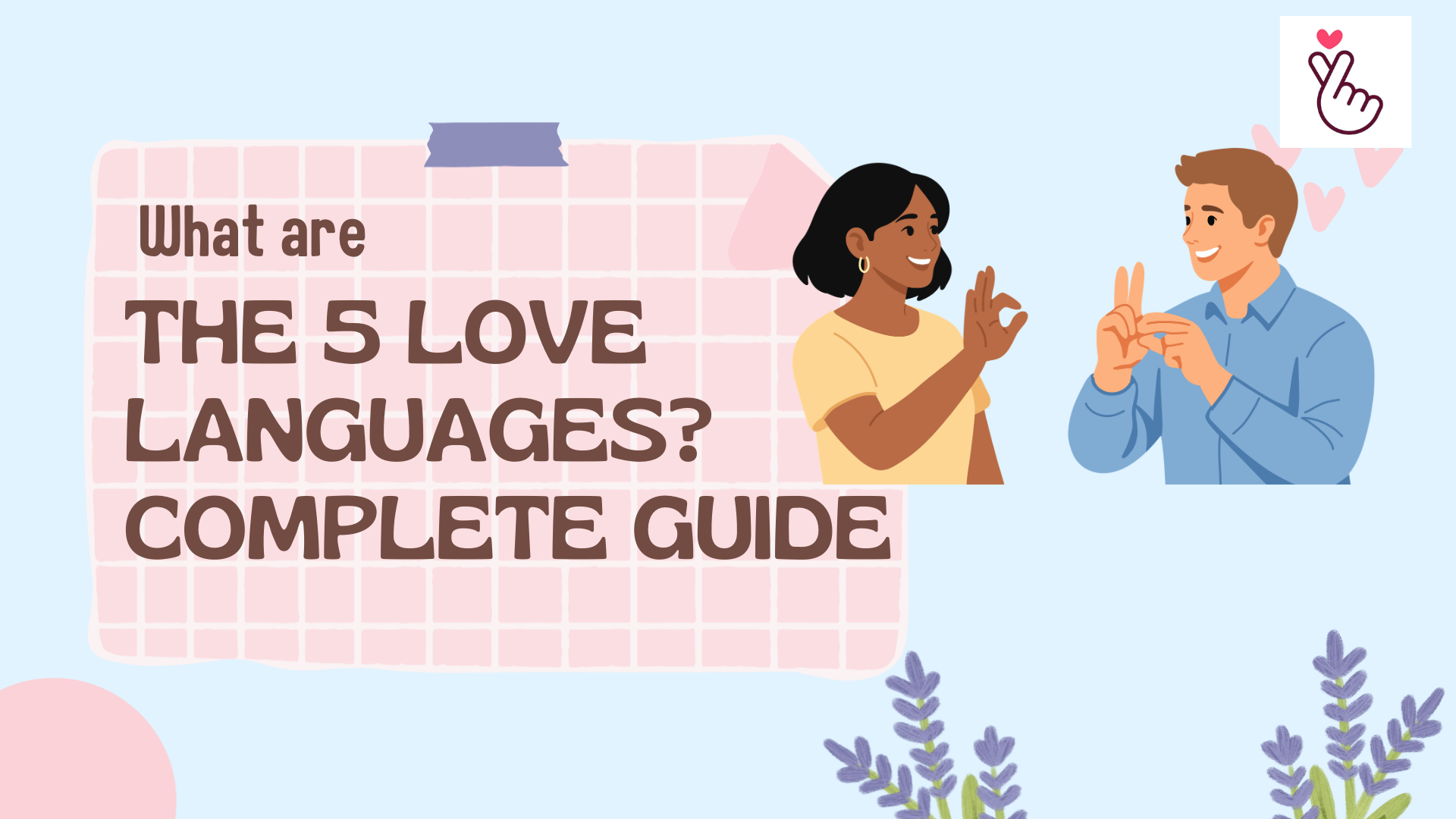
The five love languages—Words of Affirmation, Acts of Service, Receiving Gifts, Quality Time, and Physical Touch—represent the primary ways individuals express and experience emotional affection. Understanding these preferences helps p...
The five love languages—Words of Affirmation, Acts of Service, Receiving Gifts, Quality Time, and Physical Touch—represent the primary ways individuals express and experience emotional affection. Understanding these preferences helps partners communicate love more effectively by aligning their actions with their partner's specific emotional needs, thereby strengthening the relationship's emotional foundation.
Contents
The Origin and Evolution of Love Languages
The concept of love languages was first introduced by Dr. Gary Chapman in 1992 through his book, The 5 Love Languages: The Secret to Love that Lasts. As of 2026, this framework remains a cornerstone of relationship counseling and interpersonal psychology. Chapman’s central thesis is that people have different ways of expressing and receiving love, much like people speak different native languages. If you speak only English and your partner speaks only French, communication is impossible without a translation. Similarly, if you express love through "Acts of Service" but your partner receives love through "Words of Affirmation," they may feel unloved despite your best efforts.
Psychologists often refer to this as "emotional signaling." When we use a love language that resonates with our partner, we are effectively filling their "emotional tank." When we fail to use their language, that tank begins to run dry, leading to resentment, loneliness, and conflict. While the core five languages have remained consistent for over three decades, modern application has expanded to include digital communication, remote relationship dynamics, and neurodivergent perspectives on affection.
1. Words of Affirmation: The Power of Verbal Expression
For individuals whose primary love language is Words of Affirmation, spoken or written expressions of affection, praise, and appreciation are paramount. These people value the "why" behind the love. It is not enough to simply exist in a relationship; they need to hear the specific reasons they are valued.
Why It Matters
Verbal compliments and words of appreciation are powerful communicators of love. They are best expressed in simple, straightforward statements of affirmation. For someone with this language, a harsh word can be devastating and takes much longer to forgive than for others. In 2026, this extends beyond face-to-face conversation to include thoughtful text messages, voice notes, and social media public acknowledgments.
Practical Application
- Compliments: Regularly noticing a new outfit or a job well done.
- Encouragement: Supporting their dreams and acknowledging their effort, not just the outcome.
- Humility: Asking for things rather than demanding them, which validates their autonomy and value.
- Digital Affirmation: Sending a mid-day text saying, "I’m thinking of you and I’m so proud of how hard you’re working."
2. Acts of Service: Love as a Verb
For those who favor Acts of Service, actions speak louder than words. They feel most loved when their partner voluntarily helps with tasks, especially those that alleviate their burden of responsibility. This language is rooted in the idea that "to love is to serve."
The Psychology of Service
The core of this language is effort and planning. If a partner sees that the trash is full and empties it without being asked, the person with this love language doesn't just see a clean bin; they see a partner who was observant enough to notice their need and cared enough to act. Laziness, broken commitments, and making more work for them are interpreted as a lack of respect or affection.
Common Dialects
- Household Management: Handling chores like cooking, cleaning, or administrative tasks without being prompted.
- Problem-Solving: Fixing something that has been broken or streamlining a difficult process for them.
- Preparation: Starting the car on a cold morning or preparing their coffee exactly how they like it.
3. Receiving Gifts: Visual Symbols of Love
It is a common misconception that Receiving Gifts is about materialism or greed. In reality, for those with this love language, the gift is a visual symbol that "he was thinking of me" or "she remembered me." The value of the gift is not found in the price tag but in the sentiment and the effort required to obtain it.
The Significance of the "Thought"
A gift is something you can hold in your hand and say, "He was thinking of me," or "She remembered me." You must be thinking of someone to give them a gift. The gift itself is a symbol of that thought. For these individuals, missing a birthday, anniversary, or a "just because" moment can be deeply wounding, as it signals a lack of thought.
Implementation Strategies
- Found Objects: A smooth stone from a walk or a wildflower picked on the way home.
- Experiential Gifts: Tickets to a show or a planned trip, which combine the gift with future quality time.
- The Gift of Presence: Being there during a crisis or a major event is often the most significant "gift" one can provide.
4. Quality Time: The Gift of Undivided Attention
Quality Time is about giving someone your undivided attention. It is not sitting on the couch together watching television; it is sitting on the couch with the TV off, looking at each other and talking. In an era of constant digital distraction, this love language has become increasingly difficult to satisfy but more valuable than ever.
Deepening the Connection
The focus here is on "togetherness," not just "proximity." Togetherness has to do with focused attention. When a partner spends quality time with someone who has this love language, they are giving them a portion of their life—their time. Taking a walk together, going out to dinner, or engaging in a shared hobby are all ways to communicate this love.
Essential Components
- Quality Conversation: Sharing experiences, thoughts, feelings, and desires in a friendly, uninterrupted context.
- Quality Activities: Doing things together that one or both of you enjoy, with the goal of creating a shared memory.
- Eye Contact and Active Listening: Demonstrating that the other person is the most important thing in the room at that moment.
5. Physical Touch: The Fundamental Connection
For some, Physical Touch is the primary way they communicate and receive emotional love. This is not limited to sexual intimacy, though that is a component. It includes holding hands, kissing, embracing, and simply sitting close to each other.
The Biological Impact
Physical touch releases oxytocin, often called the "bonding hormone." For people with this love language, physical contact is their emotional lifeline. Without it, they feel isolated and insecure. Long-distance relationships are particularly challenging for these individuals, as the lack of physical presence can feel like a total absence of love.
Non-Sexual Touch Dialects
- Incidental Touch: A hand on the shoulder while walking by or a brief hug before leaving for work.
- Extended Touch: Cuddling while reading or a long embrace after a difficult day.
- Public Affection: A gentle squeeze of the hand in a social setting, signaling "I am with you."
Summary Table: Comparison of the 5 Love Languages
| Love Language | Core Focus | Actionable Examples | What to Avoid |
|---|---|---|---|
| Words of Affirmation | Verbal appreciation | Unexpected notes, verbal praise, "I love you" texts | Insults, harsh criticism, silence |
| Acts of Service | Helpful actions | Cooking dinner, doing laundry, fixing a sink | Laziness, broken promises, making more work |
| Receiving Gifts | Visual symbols | Small tokens, flowers, thoughtful surprises | Forgetting special dates, thoughtless gifts |
| Quality Time | Undivided attention | One-on-one dates, deep talks, shared hobbies | Distractions, postponed dates, lack of listening |
| Physical Touch | Physical contact | Hugs, holding hands, sitting close, intimacy | Physical neglect, long periods without contact |
How to Identify Your Primary Love Language
Identifying your own language is the first step toward improving your relationships. While most people appreciate all five, one or two usually stand out as most significant. Dr. Chapman suggests three ways to discover your primary language:
- The Disappointment Method: What does your partner do or fail to do that hurts you most deeply? The opposite of what hurts you most is likely your love language. For example, if it hurts when they don't help with chores, your language is likely Acts of Service.
- The Request Method: What have you most often requested of your partner? The thing you ask for most is likely the thing that would make you feel most loved.
- The Expression Method: How do you typically express love to others? We often give love in the way we wish to receive it. If you are constantly buying gifts for friends, "Receiving Gifts" may be your primary language.
Love Languages in the Modern Era (2026)
As we navigate 2026, the application of love languages has adapted to technological and social shifts. Virtual reality (VR) and high-fidelity video communication have allowed "Quality Time" and "Words of Affirmation" to flourish even in long-distance scenarios. However, the need for "Physical Touch" remains a biological constant that technology struggles to replicate fully.
Furthermore, the workplace has adopted these principles to improve employee retention and morale. Recognizing that an employee might value "Words of Affirmation" (public praise) over "Receiving Gifts" (a year-end bonus) allows managers to tailor their leadership styles for maximum impact.
Frequently Asked Questions
Can your love language change over time?
Yes, love languages are not static. While most people have a dominant "native" language that remains relatively stable, life stages can shift priorities. For example, a new parent might find "Acts of Service" significantly more meaningful than before, as their daily burden of tasks has increased. Similarly, someone going through a period of grief might crave "Physical Touch" or "Words of Affirmation" more than "Gifts."
Can you have more than one love language?
Most people have a primary and a secondary love language. While you might appreciate all five, there are usually two that fill your emotional tank most effectively. It is also possible to have a "tie" between two languages, where both are equally vital to your sense of emotional security.
What if my partner and I have different love languages?
This is extremely common. In fact, most couples do not share the same primary love language. The goal of the framework is not to find someone with the same language, but to learn to speak your partner's language. This requires intentionality and effort, as it may not come naturally to you to express love in a way you don't personally prioritize.
Do love languages apply to children and friendships?
Absolutely. Children also have primary love languages. Understanding a child's language can help parents discipline more effectively and build stronger bonds. In friendships, knowing if a friend prefers "Quality Time" over "Gifts" can help you be a more supportive and present companion.
Is it possible to "grow out" of the love language framework?
The love language framework is a tool for communication, not a rigid personality test. Some critics argue it simplifies complex human emotions, but its longevity is due to its practical utility. As long as humans require emotional connection, the basic categories of how we express that connection will remain relevant.
Practical Next Steps for Success
To put this knowledge into action, start by taking a formal assessment or reflecting on the identification methods mentioned above. Once you and your partner (or friend/family member) have identified your languages, have an "Alignment Conversation." Discuss specific actions that make you feel loved and identify one small thing you can each do this week to speak the other’s language.
Remember that love is a choice. Speaking a love language that is not your own may feel awkward at first, but it is one of the most profound ways to demonstrate that you value your partner's happiness above your own comfort. Consistency is the key to maintaining a full emotional tank and a resilient relationship.
Image Gallery