The Most Popular Hair Growth Products of 2026: A Comprehensive Guide to Effective Treatments
The most popular hair growth products in 2026 include FDA-approved medications like Minoxidil and Finasteride, alongside high-performance nutraceuticals such as Nutrafol and Viviscal. Topical peptide serums—specifically those containin...
The most popular hair growth products in 2026 include FDA-approved medications like Minoxidil and Finasteride, alongside high-performance nutraceuticals such as Nutrafol and Viviscal. Topical peptide serums—specifically those containing Redensyl and Procapil—and Low-Level Laser Therapy (LLLT) devices like iRestore also lead the market for their efficacy in treating androgenetic alopecia and thinning.
Contents
The Landscape of Hair Restoration in 2026
The market for hair growth products has shifted from generic "miracle cures" toward clinically backed, multi-modal systems. By 2026, the distinction between pharmaceutical interventions and high-end cosmeceuticals has blurred, as consumers increasingly demand transparency in ingredient sourcing and clinical trial data. Understanding which product is "most popular" requires looking at three distinct categories: FDA-approved drugs, systemic nutraceuticals, and advanced topical serums.
Hair loss, or alopecia, affects millions of individuals globally, with androgenetic alopecia (pattern baldness) being the most common cause. The popularity of specific products is driven by their ability to target the root causes of hair loss: hormonal imbalances (specifically Dihydrotestosterone or DHT), oxidative stress, nutritional deficiencies, and poor scalp microcirculation.
Medical Disclaimer: The information provided in this article is for educational purposes only and does not constitute medical advice. Hair loss can be a symptom of underlying health conditions. Always consult with a board-certified dermatologist or healthcare provider before starting new treatments, especially prescription medications.
FDA-Approved Gold Standards: Minoxidil and Finasteride
Despite the influx of new technology, the most popular and widely recommended treatments remain those with the longest track record of clinical success.
Minoxidil (Topical and Oral)
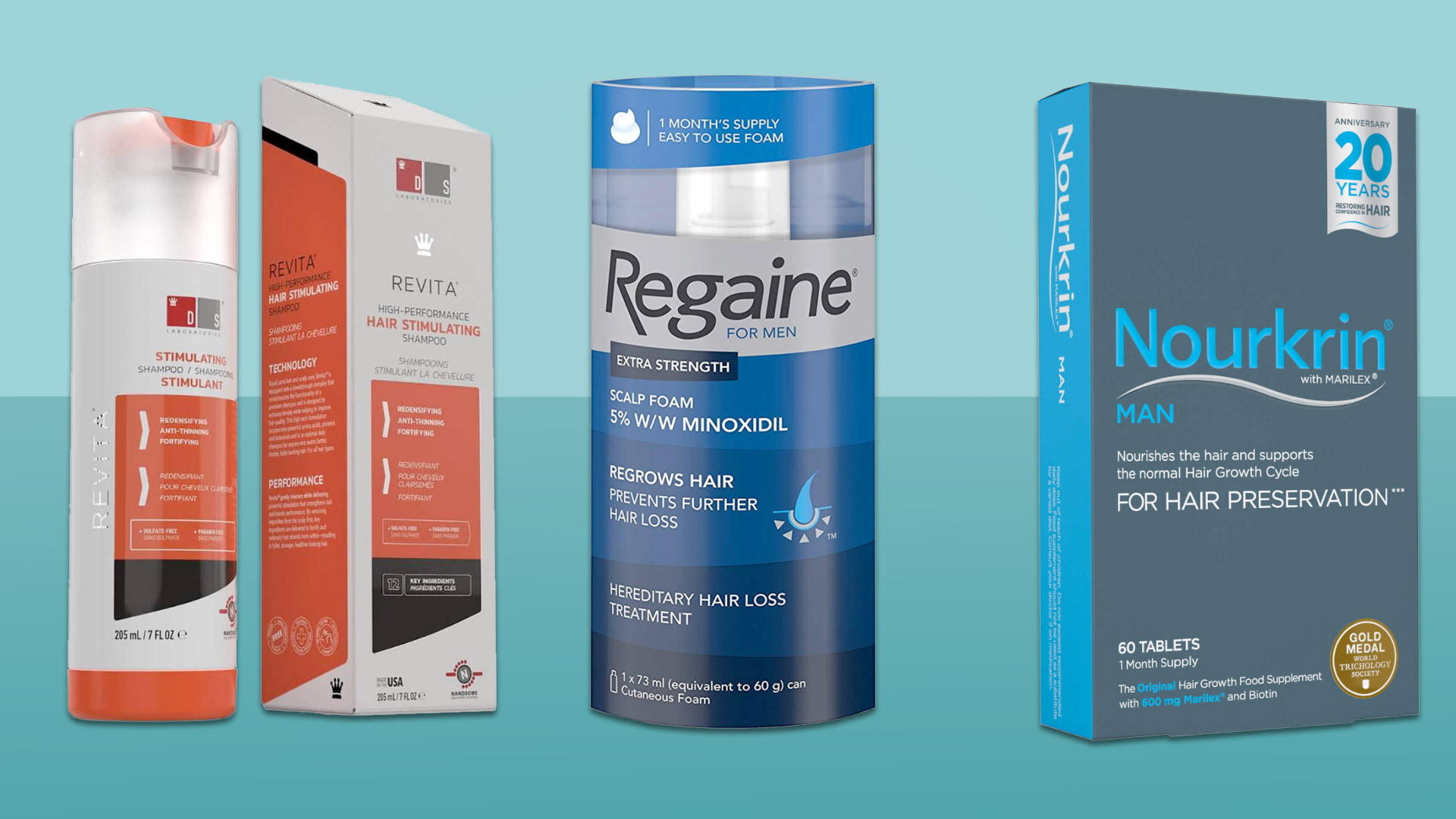
Minoxidil remains the most recognized name in hair regrowth. Originally an anti-hypertensive medication, its topical form (commonly known by the brand name Rogaine) has been the first line of defense for decades. In 2026, while the 5% foam remains a bestseller, there has been a significant surge in the popularity of low-dose oral Minoxidil, prescribed off-label by dermatologists for those who experience scalp irritation from topical applications.
Minoxidil works as a vasodilator. By widening the blood vessels in the scalp, it improves the delivery of oxygen and nutrients to hair follicles. This effectively extends the anagen (growth) phase of the hair cycle and reverses the miniaturization of follicles. Popularity is highest among those in the early stages of thinning, as the product is more effective at preserving existing hair than regrowing hair on a completely smooth scalp.
Finasteride (Propecia and Topical Variants)
Finasteride is the primary pharmaceutical intervention for male pattern hair loss. It functions as a type II 5-alpha-reductase inhibitor, which prevents the conversion of testosterone into DHT—the hormone responsible for shrinking hair follicles in genetically predisposed individuals.
By 2026, the "most popular" iteration of Finasteride has shifted toward topical compounded formulas. These formulations, often offered by telemedicine platforms like Hims, Hers, and Ro, combine Finasteride with Minoxidil in a single spray or drop. This method is preferred by many users because it targets the follicles directly, potentially reducing the risk of systemic side effects associated with the oral pill.
Top-Rated Nutraceuticals: Nutrafol and Viviscal
The "beauty from within" movement has solidified the position of supplements in the hair growth market. Unlike standard multivitamins, these nutraceuticals use standardized botanicals to address hair health holistically.
Nutrafol
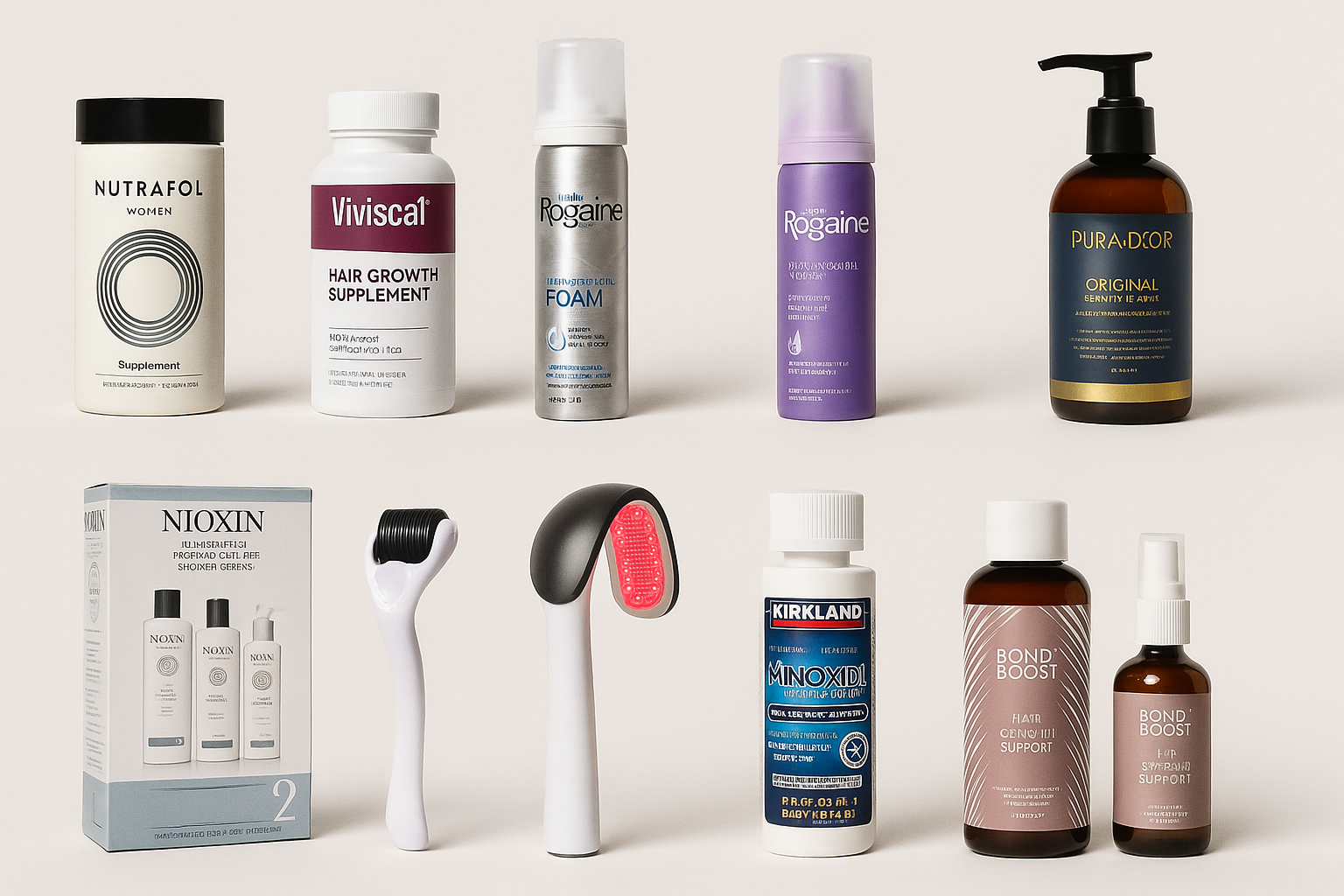
Nutrafol has maintained its position as a market leader through 2026 by emphasizing a "whole-body" approach. Their formulas—tailored for men, women, and postpartum individuals—target five key root causes of thinning: hormones, stress, lifestyle, metabolism, and nutrition.
The core of Nutrafol’s popularity lies in its use of the Synergen Complex, which includes:
- Sensoril Ashwagandha: To balance cortisol levels and manage stress-induced shedding (Telogen Effluvium).
- Saw Palmetto: A natural DHT blocker.
- Curcumin: To manage inflammation at the follicle level.
- Tocotrienols: Highly potent forms of Vitamin E that reduce oxidative stress on the scalp.
Viviscal
Viviscal remains a staple for those seeking a protein-based approach. Its proprietary AminoMar marine complex is derived from key marine protein molecules. Clinical studies have consistently shown that Viviscal increases the number of terminal hairs and hair diameter over a six-month period. It is particularly popular among women experiencing thinning due to age or hormonal shifts during menopause.
Advanced Topical Serums and Peptides
For consumers wary of hormonal medications, the rise of "hair growth molecules" like Redensyl, Procapil, and Capixyl has provided a popular alternative.
The Ordinary Multi-Peptide Serum for Hair Density
This product has achieved viral status and sustained popularity due to its high concentration of active technologies at an accessible price point. It utilizes a combination of Redensyl (which targets stem cells and human fibroblasts from the dermal papilla) and Procapil (which increases scalp blood flow and fights follicle aging). Its lightweight, non-greasy water-based formula makes it a favorite for daily use without ruining hairstyles.
Vegamour GRO Hair Serum
Vegamour has captured a significant share of the "clean beauty" market. By 2026, it is the leading vegan alternative to traditional growth products. It utilizes phyto-actives like mung bean and red clover, which are micro-encapsulated to penetrate deep into the scalp. Their popularity stems from their "harm-free" marketing, avoiding the "dread shed" sometimes associated with starting Minoxidil.
Comparison of Most Popular Hair Growth Treatments
The following table summarizes the key metrics for the leading products available in 2026.
| Product Category | Leading Brand(s) | Primary Active Ingredient | Best For | Typical Results Timeline |
|---|---|---|---|---|
| Prescription Topical | Hims/Hers, Rogaine | Minoxidil 5%, Finasteride | Pattern Baldness (Androgenetic) | 3–6 Months |
| Nutraceutical | Nutrafol | Saw Palmetto, Ashwagandha | Stress & Hormonal Thinning | 3–6 Months |
| Marine Supplement | Viviscal | AminoMar Complex | Nutritional & Protein Support | 3–4 Months |
| Peptide Serum | The Ordinary, Revivv | Redensyl, Procapil, Capixyl | Density & General Thinning | 4+ Months |
| Botanical Serum | Vegamour | Mung Bean, Red Clover | Vegan/Clean Beauty Users | 3–4 Months |
| Device (LLLT) | iRestore, Capillus | Medical-grade Lasers | Non-Invasive Maintenance | 6 Months |
Low-Level Laser Therapy (LLLT) and Scalp Technology
In 2026, hardware has become as popular as software (topicals). LLLT devices, such as the iRestore Professional laser helmet, have become standard household items for those serious about hair density.
These devices use medical-grade lasers and LEDs to emit red light at a specific wavelength (usually around 650nm). This light energy is absorbed by the hair follicles, stimulating cellular metabolism and increasing ATP (adenosine triphosphate) production. This "recharges" the follicles, pushing them from the resting phase (telogen) back into the growth phase (anagen). LLLT is often used as a complementary treatment alongside Minoxidil or Nutrafol to maximize results.
Common Mistakes When Using Hair Growth Products
Even the most popular products will fail if not used correctly. Understanding these pitfalls is essential for anyone starting a regimen in 2026.
- Inconsistency: Hair growth cycles move slowly. Most products require daily application for at least 90 to 180 days before visible changes occur. Stopping a treatment after one month because "it's not working" is the most common reason for failure.
- Stopping Treatment Prematurely: For products like Minoxidil and Finasteride, any hair regrown is dependent on the continued use of the drug. If you stop, the DHT-induced miniaturization process resumes, and the regrown hair will likely shed within a few months.
- Ignoring Scalp Health: A congested scalp with heavy sebum buildup or dandruff can hinder the absorption of topical serums. Popularity in 2026 has also grown for "scalp detox" products and exfoliants that prep the skin for growth treatments.
- Misdiagnosing the Cause: Using a DHT-blocker for hair loss caused by a thyroid imbalance or iron deficiency will not yield results. A professional diagnosis is crucial to selecting the right product.
Frequently Asked Questions
Do hair growth products actually work?
Yes, but efficacy varies significantly based on the cause of hair loss. FDA-approved products like Minoxidil and Finasteride have the highest success rates in clinical trials for pattern baldness. Nutraceuticals like Nutrafol have also demonstrated significant efficacy in peer-reviewed studies for thinning caused by stress and lifestyle factors.
Are there side effects to these popular products?
Topical treatments (Minoxidil) can cause scalp dryness or irritation. Oral medications (Finasteride) carry a small risk of systemic side effects, including libido changes, though these are less common with newer topical compounded versions. Supplements like Nutrafol are generally well-tolerated but should be checked for interactions with other medications.
Can I combine different hair growth products?
In 2026, "stacking" treatments is the standard approach. Many users combine a systemic supplement (Nutrafol), a topical medication (Minoxidil/Finasteride), and a mechanical stimulant (LLLT or microneedling) for a multi-angled attack on hair loss. However, you should always consult a doctor before combining multiple active drugs.
How long do I have to use these products?
For genetic hair loss (androgenetic alopecia), treatment is generally lifelong. If you stop using DHT blockers or growth stimulants, your hair will eventually return to its natural thinning pattern. For temporary thinning (Telogen Effluvium), you may only need the products until the underlying stressor is resolved.
Is Biotin enough for hair growth?
While Biotin is popular, it is rarely a "cure" for hair loss unless you have a specific Biotin deficiency, which is rare in developed countries. It supports the keratin structure but does not address hormonal or circulatory causes of hair loss.
Practical Recommendation: Finding Your Regimen
If you are just beginning your hair growth journey in 2026, the most effective path is a dual-track approach. Start by consulting a dermatologist to confirm if your hair loss is hormonal, nutritional, or stress-related.
For most individuals experiencing standard thinning, the current "gold standard" regimen involves a combination of Topical Minoxidil/Finasteride for direct follicle stimulation and a high-quality nutraceutical like Nutrafol to address internal health factors. If you prefer a non-pharmaceutical route, look for serums containing Redensyl and Procapil, and consider investing in an LLLT device for long-term maintenance. Remember that patience is the most important "ingredient" in any hair restoration plan.
Image Gallery