Why the School CRM Software Market Matters: Navigating the 2026 Educational Landscape
The school CRM software market is critical because it serves as the foundational infrastructure for institutional sustainability in an era of declining enrollments and rising digital expectations. By centralizing student data, schools...
The school CRM software market is critical because it serves as the foundational infrastructure for institutional sustainability in an era of declining enrollments and rising digital expectations. By centralizing student data, schools can personalize engagement, optimize recruitment pipelines, and improve retention rates through predictive analytics, ensuring long-term fiscal and academic viability.
Contents
The Evolution of Student Relationship Management
For decades, educational institutions relied on fragmented systems—spreadsheets for admissions, legacy Student Information Systems (SIS) for grading, and manual logs for alumni outreach. However, as of 2026, the school Customer Relationship Management (CRM) market has evolved into a sophisticated ecosystem that manages the entire student lifecycle. This shift matters because the modern student journey is no longer linear; it is a continuous loop of engagement that begins long before an application is submitted and extends decades beyond graduation.
The primary driver behind the market's importance is the elimination of "data silos." When recruitment data is separated from academic performance data, institutions cannot see the full picture of a student's health. A unified CRM allows for a "Student 360" view, where every interaction—from a prospective parent’s first website click to an alum’s donation history—is recorded in a single source of truth. This visibility is essential for administrators who must make high-stakes decisions regarding resource allocation and program development.
Strategic Market Drivers in 2026: The Demographic Reality
The significance of the school CRM market is amplified by the current demographic challenges facing global education. In many regions, particularly North America and parts of Europe, the "enrollment cliff"—a projected sharp decline in the college-aged population—is no longer a future threat but a present reality. To survive, schools can no longer rely on passive recruitment.
Competitive Differentiation and Brand Equity
With a smaller pool of applicants, schools are competing more fiercely than ever. A robust CRM enables "hyper-personalization," a strategy where communications are tailored to a student's specific interests, socio-economic background, and career aspirations. If a prospective student expresses interest in marine biology, the CRM automatically triggers a nurture sequence featuring research opportunities in that specific department, rather than a generic campus brochure. This level of responsiveness is the benchmark for brand equity in 2026.
Maximizing Yield and Reducing "Melt"
"Summer melt"—the phenomenon where students deposit but fail to enroll—remains a multi-million dollar problem for the education sector. The school CRM market provides the tools to combat this through automated engagement checkpoints. By tracking engagement metrics (e.g., whether a student has opened their housing orientation email), the software identifies students at risk of "melting" and alerts counselors to intervene personally. In a high-competition environment, maintaining a 2-3% higher yield rate can be the difference between a budget surplus and a deficit.
Technical Foundations: AI, Interoperability, and API-First Design
The technical sophistication of the school CRM market is a major reason for its current dominance. Unlike the rigid systems of the past, 2026-era CRMs are built on API-first architectures, allowing them to serve as the "brain" of a school’s digital nervous system.
Predictive Analytics and Early Warning Systems
Modern CRMs now integrate machine learning models that analyze historical data to predict future student behavior. This is particularly vital for retention. By monitoring indicators such as Learning Management System (LMS) login frequency, library resource usage, and mid-term grades, the CRM can flag a student who is likely to drop out weeks before they actually do. These Early Warning Systems (EWS) allow for proactive academic advising, which significantly boosts graduation rates.
The Role of Cloud-Native Infrastructure
The transition to cloud-native CRM platforms has reduced the Total Cost of Ownership (TCO) for schools. IT departments no longer need to maintain on-premise servers or handle complex manual updates. Instead, the focus has shifted to interoperability. A high-functioning school CRM must seamlessly exchange data with other core systems:
- LMS (Learning Management Systems): Such as Canvas or Moodle.
- SIS (Student Information Systems): For official transcripts and financial records.
- Financial Aid Portals: For real-time scholarship and grant tracking.
- Marketing Automation Tools: For high-volume outreach and lead scoring.
Comparative Analysis: CRM Tiers and Institutional Needs
The school CRM market is not monolithic. Different institutions require different levels of complexity and integration. The following table outlines the primary segments of the market as of 2026.
| Feature Segment | K-12 Private/Independent Schools | Higher Education (Undergrad/Grad) | Vocational & Continuing Ed |
|---|---|---|---|
| Primary Goal | Parent engagement & enrollment | Complex recruitment & retention | Rapid lead conversion & ROI |
| Key Integration | Parent portals & tuition billing | LMS, SIS, & Federal Aid | Career service databases |
| Lead Scoring | Family demographic fit | Academic potential & financial fit | Employment readiness |
| Engagement Focus | Community & values-based | Career outcomes & campus life | Skill acquisition & certification |
| Data Privacy Needs | High (COPPA/GDPR compliance) | High (FERPA/SOC2 compliance) | Moderate (Standard PII) |
Economic Impact and Total Cost of Ownership (TCO)
Understanding why the school CRM market matters requires looking at the financial return on investment (ROI). While the initial implementation of an enterprise-grade CRM can be significant—ranging from $50,000 for smaller colleges to over $1,000,000 for large university systems—the long-term savings are substantial.
Operational Efficiency
Automation is the primary driver of cost reduction. By automating routine tasks such as application processing, event registration, and transcript verification, schools can redirect human capital toward high-value activities like student counseling and mental health support. In many cases, institutions report a 30% increase in staff productivity within the first two years of a successful CRM rollout.
Revenue Retention
The cost of acquiring a new student (CAC) is significantly higher than the cost of retaining an existing one. By improving retention rates through the predictive tools mentioned earlier, schools stabilize their tuition revenue. Furthermore, a CRM that tracks alumni success and sentiment facilitates more effective fundraising campaigns. In 2026, the integration of "Wealth Intelligence" tools directly into the CRM allows advancement offices to identify potential major donors with much higher precision.
Privacy, Security, and Ethical Data Use
As schools collect more granular data on students, the ethical implications of CRM usage have become a focal point of the market. The significance of the market lies not just in what it can do, but in how it protects sensitive information.
Compliance with regulations like FERPA (Family Educational Rights and Privacy Act) in the United States and GDPR (General Data Protection Regulation) in Europe is no longer optional; it is a core feature of the software. Market leaders in 2026 differentiate themselves through "Privacy by Design," ensuring that data is encrypted both at rest and in transit, and that student consent is managed transparently.
Moreover, there is an increasing emphasis on algorithmic fairness. As CRMs use AI to score applicants or predict student success, developers must ensure that these models do not perpetuate biases related to race, gender, or socio-economic status. The maturity of the school CRM market is reflected in the shift toward "Explainable AI," where administrators can understand why a certain student was flagged as high-risk, rather than relying on a "black box" prediction.
Frequently Asked Questions
What is the difference between an SIS and a School CRM?
A Student Information System (SIS) is primarily a "system of record" used for administrative tasks like grading, scheduling, and official transcripts. A School CRM is a "system of engagement" designed to manage relationships and communication throughout the student lifecycle. While they overlap, the CRM focuses on the human interaction and marketing side, while the SIS focuses on the regulatory and academic record side.
How does a CRM improve student retention?
A CRM improves retention by aggregating data from multiple sources (like the LMS and library) to identify behavioral patterns associated with student success or failure. By using predictive analytics, the system can send automated alerts to advisors when a student’s engagement drops below a certain threshold, allowing for early intervention before the student decides to withdraw.
Can smaller K-12 schools benefit from a CRM?
Yes. For smaller schools, a CRM is vital for managing the parent relationship and the admissions pipeline. It helps small administrative teams handle inquiries more professionally, ensures no prospective family is forgotten, and streamlines the "re-enrollment" process each year, which is essential for predictable budgeting.
Is AI integration standard in school CRMs in 2026?
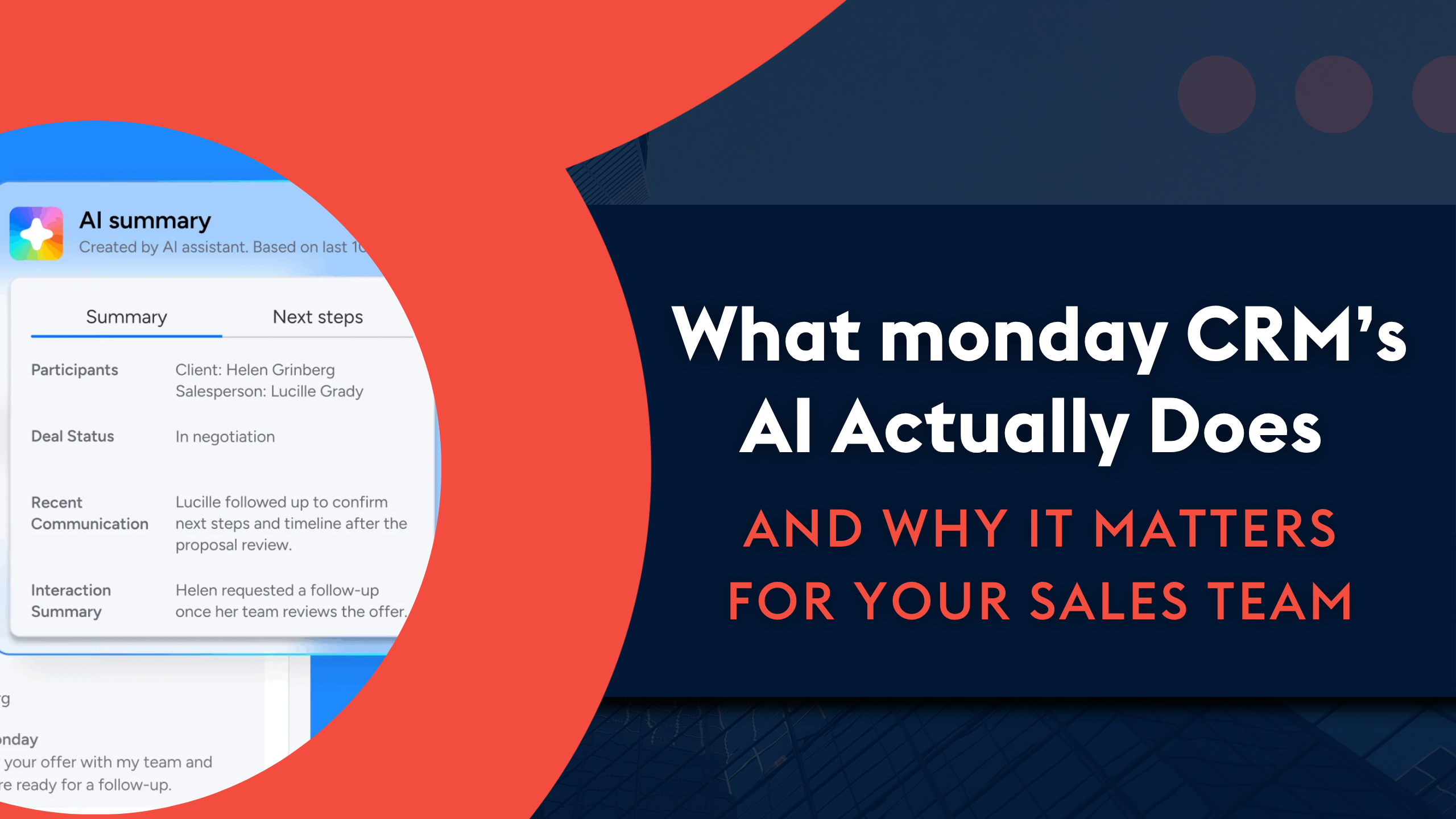
By 2026, AI is a standard feature in mid-to-enterprise level school CRMs. It is used for chatbots that answer common student questions 24/7, predictive modeling for enrollment and retention, and automated content generation for personalized marketing emails.
How long does it typically take to implement a new CRM?
Implementation timelines vary by institutional size. For a single-site K-12 school, it may take 3 to 4 months. For a large multi-campus university, a full implementation involving data migration and staff training typically takes 12 to 18 months.
Recommendation for Educational Leaders
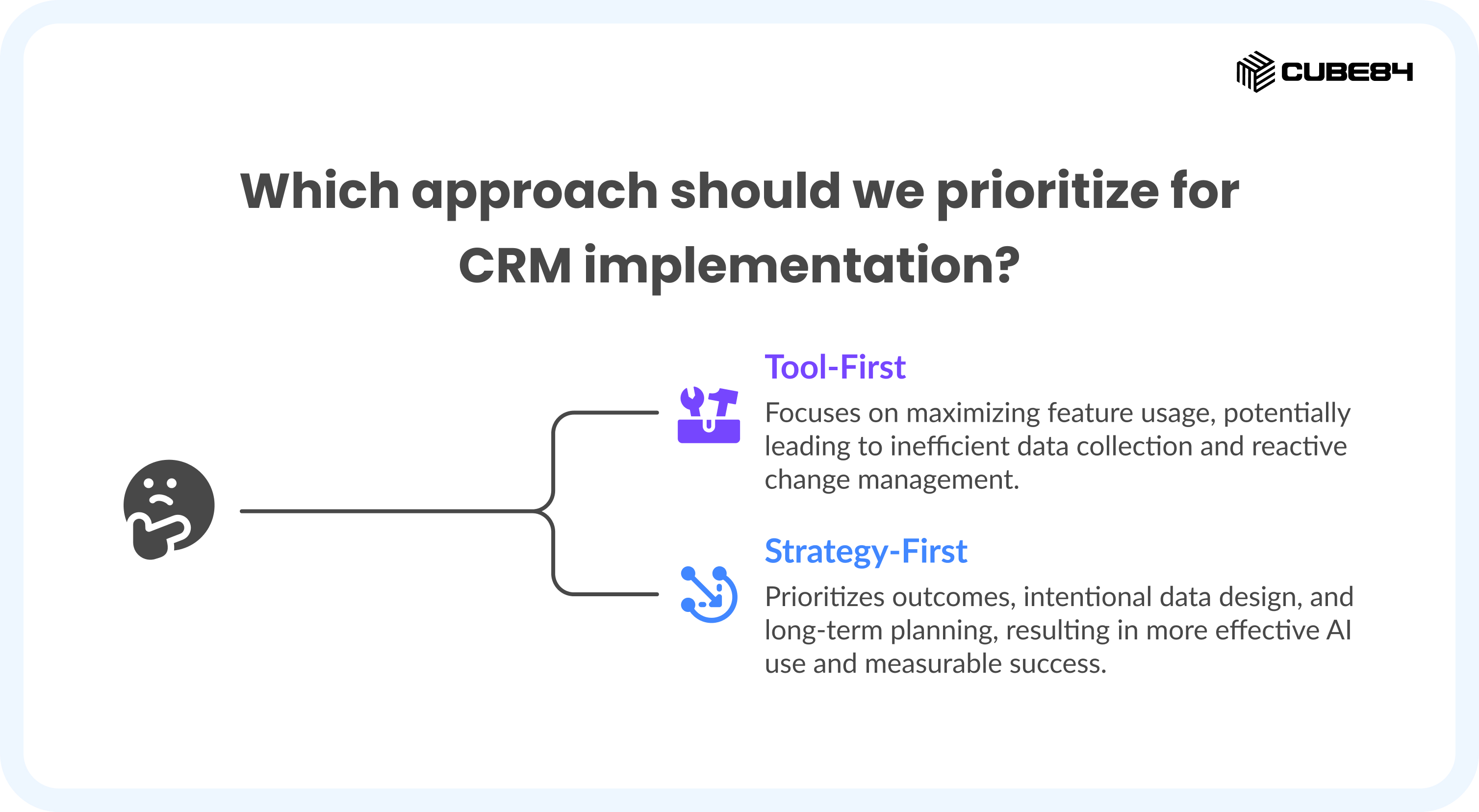
For institutions evaluating their position in the 2026 market, the decision is no longer whether to adopt a CRM, but how to choose one that aligns with their specific strategic goals. Schools should prioritize platforms that offer high interoperability with their existing SIS and LMS to avoid creating new data silos. Furthermore, look for vendors that provide robust training and change management support, as the success of a CRM depends more on staff adoption than on technical features. Begin by auditing your current student touchpoints to identify where communication is failing; this gap analysis will serve as the roadmap for your CRM implementation.
Image Gallery