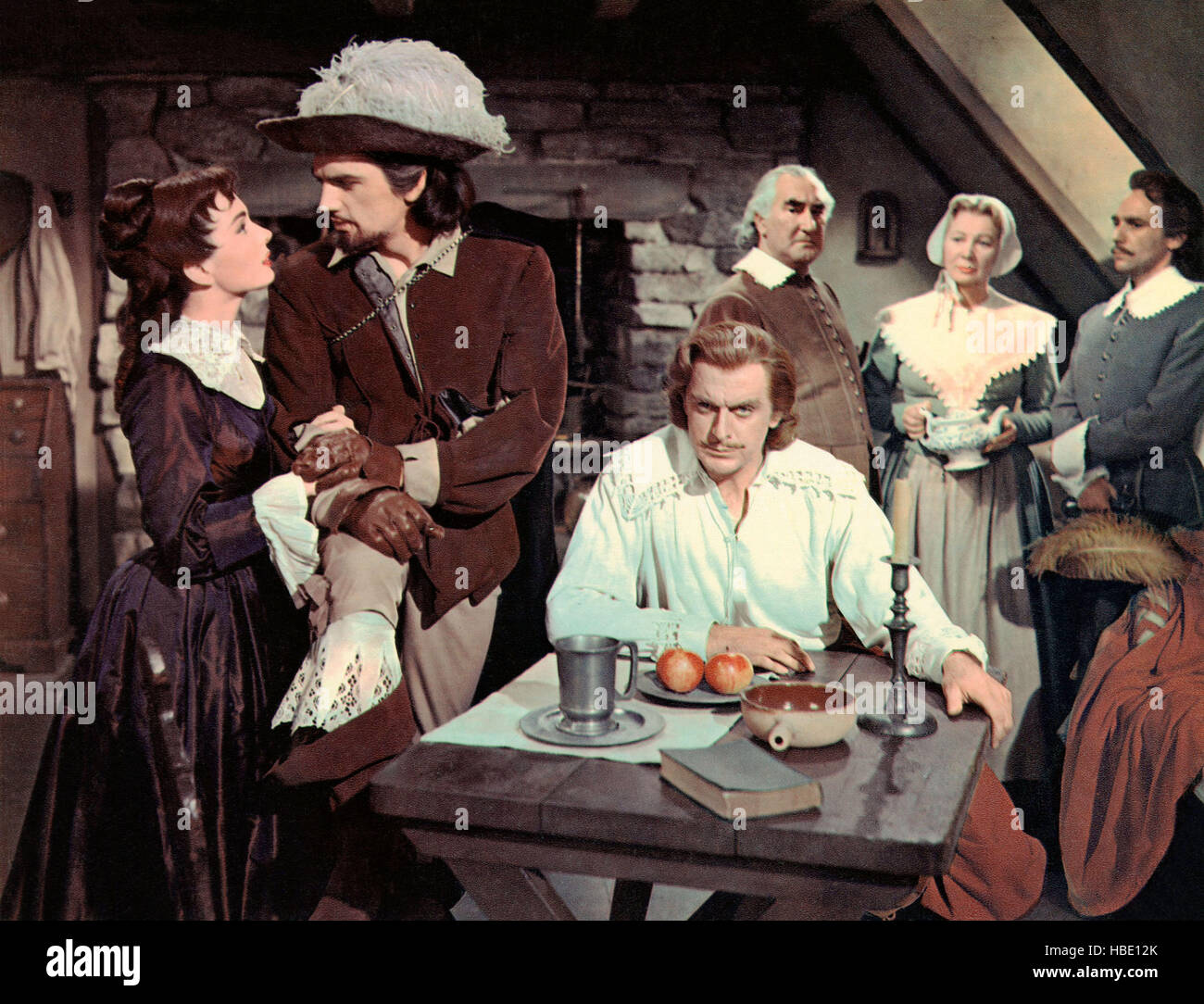
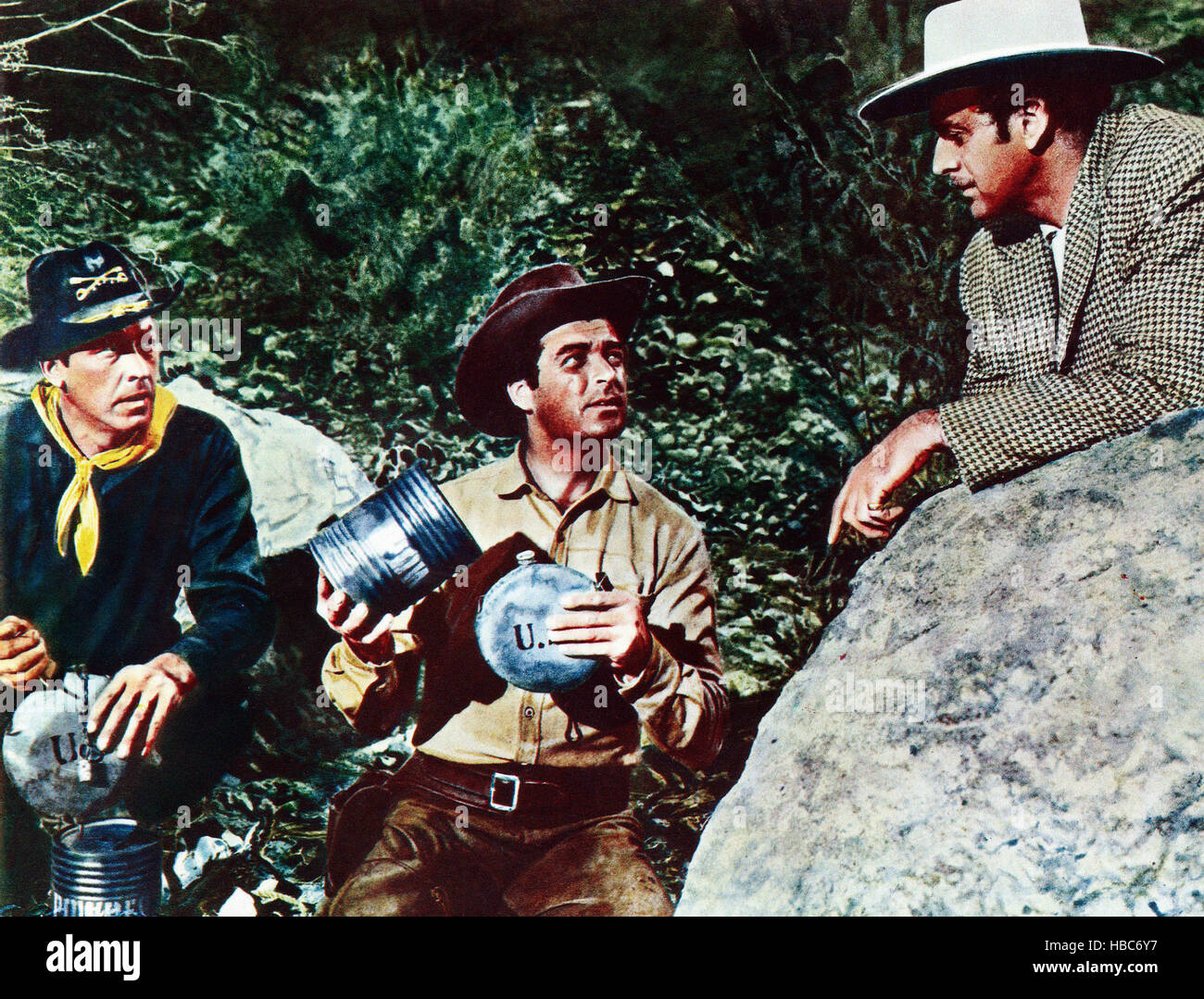
John Dehner Net Worth at Death: The Financial Legacy of a Character Acting Legend
At the time of his death in 1992, John Dehner’s estimated net worth was between $1 million and $3 million. This valuation reflects a prolific 50-year career spanning Disney animation, the Golden Age of Radio, and over 280 film and tele...
At the time of his death in 1992, John Dehner’s estimated net worth was between $1 million and $3 million. This valuation reflects a prolific 50-year career spanning Disney animation, the Golden Age of Radio, and over 280 film and television credits, alongside valuable real estate holdings in Santa Barbara, California.
Contents
John Dehner was the quintessential "working actor." While he rarely occupied the top billing of a Hollywood blockbuster, his constant presence across every medium of entertainment ensured a steady and substantial income that surpassed many of his more famous, yet less disciplined, contemporaries. To understand his net worth at the time of his passing, one must analyze the multifaceted nature of his career, the transition of the entertainment industry’s payment structures, and the lifestyle choices he made in his later years.
The Foundation: Animation and Early Radio Earnings
Before becoming a recognizable face on screen, Dehner’s financial journey began in the art department. He started his career as an animator for Walt Disney Studios, contributing to seminal works like Fantasia (1940) and Bambi (1942). During the early 1940s, an animator's salary provided a middle-class stability that many aspiring actors lacked. However, the 1941 Disney animators' strike altered his trajectory. Dehner’s departure from animation toward acting was a pivot that eventually led to a much higher earning ceiling.
Following a stint as a news editor and professional pianist, Dehner found his stride in radio. During the 1940s and 1950s, radio was a high-volume industry for character actors. Dehner’s distinct, authoritative baritone made him one of the most sought-after voices in the medium.
- Frontier Gentleman: As the star of this series, Dehner commanded "lead" rates, which were significantly higher than standard ensemble fees.
- Have Gun – Will Travel: He played Paladin in the radio version, a role that cemented his status as a top-tier radio earner.
- Gunsmoke: His frequent appearances as various characters provided a consistent weekly check.
In the 1950s, a successful radio actor could earn the equivalent of a modern-day six-figure salary through sheer volume. Dehner often recorded multiple shows in a single day, maximizing his "day rate" in a way that few others could match.
The Television Era: Series Regulars and Guest Appearances
As the Golden Age of Radio waned, Dehner transitioned seamlessly into television. This was the era where his net worth began to climb significantly. Unlike many actors who struggled with the "typecasting" of a single series, Dehner’s versatility allowed him to work across various genres, from Westerns to sitcoms.
The Value of the "Working Actor"
From the late 1950s through the 1980s, Dehner was rarely unemployed. His financial strategy relied on a mix of "guest star" appearances and "series regular" roles.
- Series Regular Roles: Roles in shows like The Roaring 20s, The Baileys of Balboa, and The Doris Day Show provided guaranteed seasonal income. During the 1960s and 70s, a series regular on a major network show could earn anywhere from $2,500 to $7,500 per episode, depending on their stature.
- Guest Appearances: Dehner appeared in virtually every major series of the era, including Gunsmoke (the TV version), The Twilight Zone, and Columbo. Guest stars often earned "top-of-show" rates, which were standardized by the Screen Actors Guild (SAG).
Residuals and the 1960 SAG Strike
A critical component of John Dehner’s net worth at death was the accumulation of residuals. Following the 1960 SAG strike, actors began receiving payments for television reruns. Because Dehner’s filmography was so vast and included shows that remained in heavy syndication for decades (such as Hogan's Heroes and The Wild Wild West), he benefited from a steady stream of passive income that continued well into his retirement.
Film Career and Major Studio Contracts
While television provided the volume, film provided the "lump sum" injections to his net worth. Dehner was a favorite of directors who needed a sophisticated villain or a stern authority figure. Notable films that contributed to his estate include:
- The Left Handed Gun (1958): Working alongside Paul Newman.
- The Boys from Brazil (1978): A high-profile international production.
- The Right Stuff (1983): His role as Henry Luce in this Academy Award-winning film represented a late-career highlight with a corresponding veteran’s salary.
By the 1980s, Dehner could command a premium "day player" or "weekly" rate that reflected his decades of experience and reliability. For a character actor of his stature, a few weeks of work on a major studio film could result in a mid-five-figure payout.
Comparative Earnings by Career Phase
To visualize how Dehner’s wealth was structured, the following table breaks down his primary income drivers across different decades.
| Decade | Primary Medium | Economic Role | Financial Impact |
|---|---|---|---|
| 1940s | Animation / Radio | Studio Employee / Voice Talent | Established initial savings and professional reputation. |
| 1950s | Radio / Film | Lead Radio Actor / Contract Player | Peak "volume" earnings; transition to high-paying film roles. |
| 1960s | Television | Series Regular / Guest Star | High-frequency TV guest spots and the start of the residual era. |
| 1970s | Television / Film | Veteran Character Actor | Significant income from long-running sitcoms and major films. |
| 1980s | Film / Voice-over | Supporting Actor | "Senior Statesman" rates and pension vesting through SAG-AFTRA. |
Real Estate and Asset Management
A significant portion of an actor's net worth at death is often tied to real estate. Dehner was known for his disciplined lifestyle and his move to Santa Barbara, California, in his later years.
Santa Barbara has long been one of the most expensive real estate markets in the United States. Dehner’s home, purchased during a time when his career was at its peak, would have appreciated significantly by 1992. When calculating net worth at death, the value of a primary residence in a coastal California enclave often accounts for 40% to 60% of the total estate for a working professional.
Furthermore, Dehner’s background as a news editor and his cultured interests (he was an expert fencer and spoke four languages) suggest a level of financial literacy that favored long-term investments over the "flashy" spending common in Hollywood. By 1992, his portfolio likely included a mix of:
- SAG-AFTRA Pension: Full vesting after five decades of membership.
- Investment Portfolios: Standard stocks and bonds favored by retirees in the early 90s.
- Residual Streams: Ongoing payments from a library of over 280 credits.
Inflation Adjustment: 1992 vs. 2026
When evaluating "net worth at death," it is essential to consider the purchasing power of the dollar at that time. A net worth of $2 million in 1992 is equivalent to approximately $4.7 million in 2026 dollars, adjusting for standard inflation.
For a character actor, achieving a multi-million dollar estate in the early 1990s was a sign of immense professional success. Unlike "leading men" who might earn $10 million for a single film today, character actors of Dehner’s era built their wealth brick-by-brick, performance-by-performance.
The Impact of Health and End-of-Life Costs
John Dehner passed away from complications related to emphysema and diabetes at the age of 76. While medical costs in 1992 were lower than they are in 2026, prolonged chronic illnesses can impact an estate. However, as a long-time member of the Screen Actors Guild, Dehner would have had access to some of the best health insurance and retirement benefits in the industry, preserving the bulk of his assets for his heirs, including his wife, Evelyn, and his children.
Frequently Asked Questions
Was John Dehner considered wealthy by Hollywood standards?
By the standards of a "working character actor," yes. While he did not have the massive wealth of stars like John Wayne or Doris Day, he was in the top tier of character actors who successfully converted a high volume of work into a stable, multi-million dollar estate.
Did John Dehner own the rights to any of his work?
Generally, no. As a performer in the studio system and for television networks, he was a "work-for-hire" artist. His financial benefit from his work came through initial fees and SAG-mandated residuals, rather than ownership of the intellectual property (IP).
How did his Disney background affect his net worth?
His time at Disney was more about foundational stability than massive wealth. However, the skills he learned as an animator and his brief time as a news editor gave him a professional versatility that ensured he was never without work when acting roles were scarce.
Where did the majority of his wealth come from?
The majority of his wealth was generated from his prolific television career in the 1960s and 1970s. The combination of high-frequency guest star fees and residuals from syndicated shows provided the most consistent financial growth of his life.
What happened to John Dehner's estate after he died?
Following his death in 1992, his estate was primarily left to his family. Given his residence in Santa Barbara and his long-standing career, the estate was managed through private probate, as is typical for high-net-worth individuals in California.
Final Recommendation for Researchers
When analyzing the net worth of historical figures like John Dehner, it is important to distinguish between "celebrity wealth" (driven by fame) and "professional wealth" (driven by longevity and volume). For those interested in the economics of the Golden Age of Hollywood, Dehner serves as a prime case study in how a disciplined, versatile actor could build a significant legacy without ever being a "household name" in the traditional sense.
Image Gallery