Arabic Christian Prayer: A Comprehensive Guide to History, Liturgy, and Devotion
Arabic Christian prayer is a ancient spiritual practice used by over 20 million Christians worldwide, primarily in the Middle East and the diaspora. It encompasses a diverse range of liturgical traditions, including Coptic, Maronite, M...
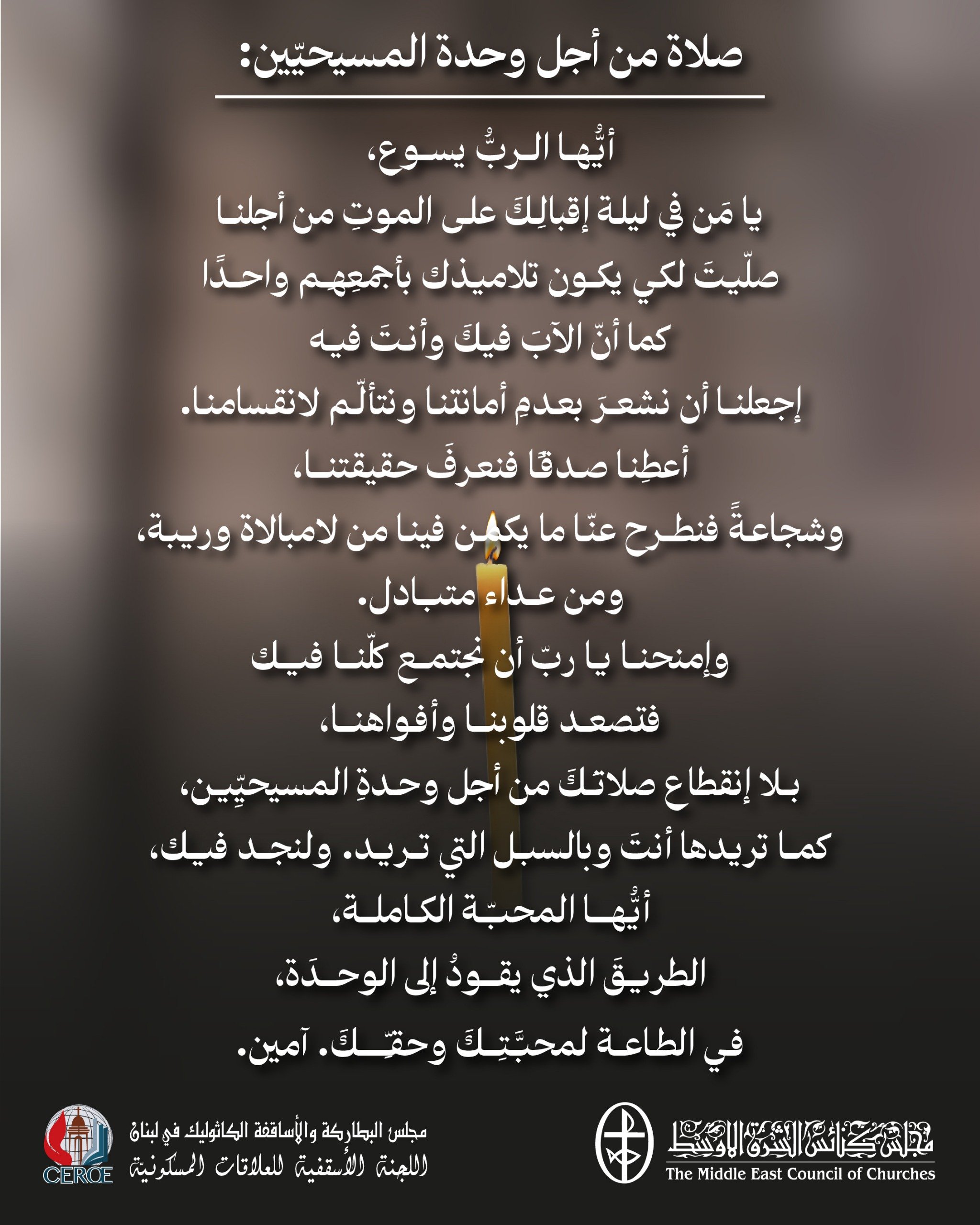
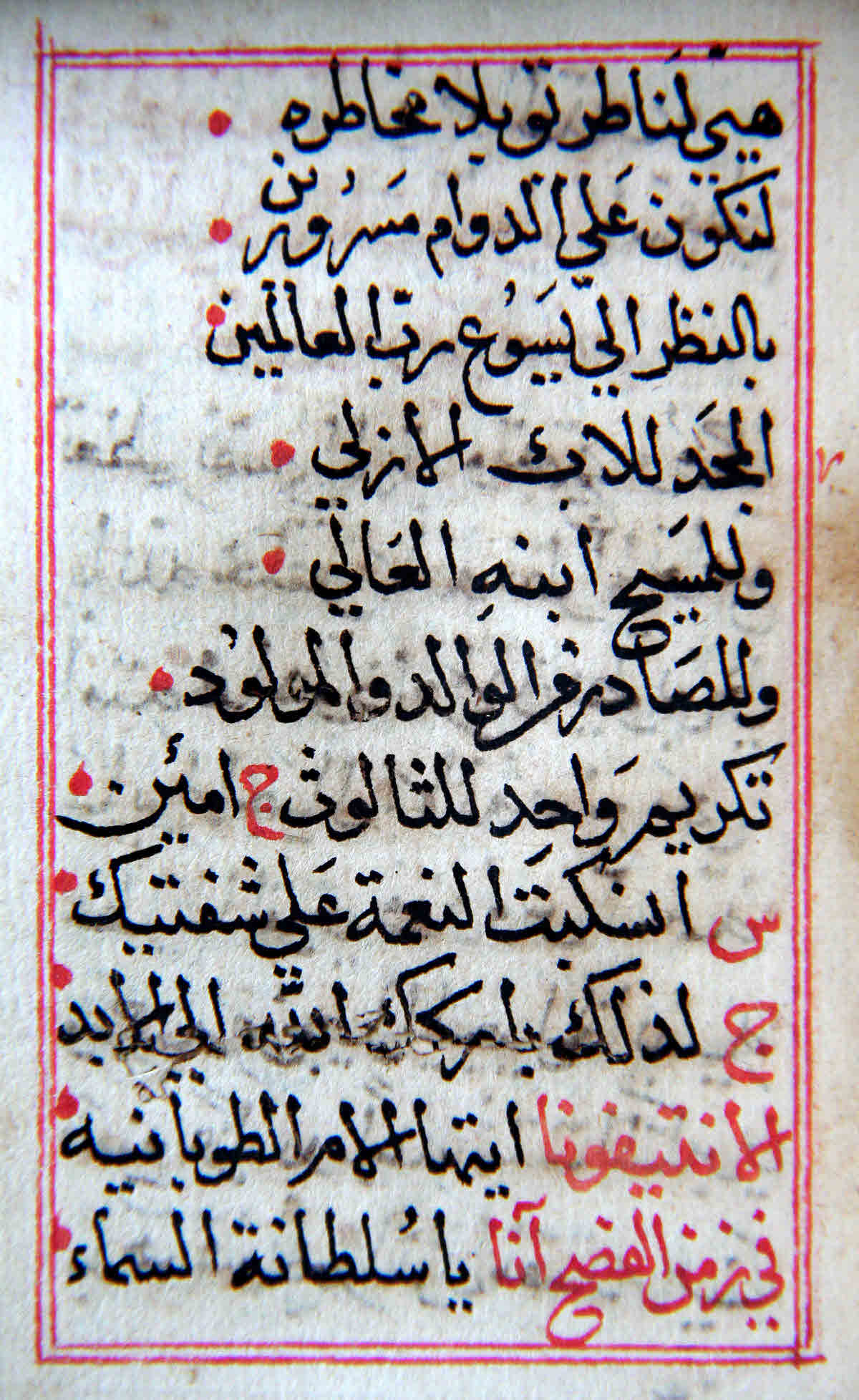
Arabic Christian prayer is a ancient spiritual practice used by over 20 million Christians worldwide, primarily in the Middle East and the diaspora. It encompasses a diverse range of liturgical traditions, including Coptic, Maronite, Melkite, and Orthodox rites. These prayers utilize "Fusha" (Modern Standard Arabic) and Classical Arabic to express core theological truths shared across global Christendom.
Contents
The Historical Context of Arabic in Christianity
To understand Arabic Christian prayer in 2026, one must first recognize that Arabic is not exclusively the language of Islam. Christians in the Levant, Egypt, and Iraq have used Arabic for prayer, theological discourse, and scripture for over a millennium. Before the rise of Islam, several Arab tribes, such as the Ghassanids and Lakhmids, were Christian. Following the Islamic conquests, Arabic gradually replaced Greek, Coptic, and Syriac as the lingua franca of the region.
By the 8th and 9th centuries, Christian scholars in Baghdad and Damascus were translating the Gospels and the Epistles into Arabic. This transition was not merely linguistic but cultural, as Christians adapted the rich Arabic vocabulary to express complex Trinitarian theology. Today, Arabic remains the primary liturgical and devotional language for the Coptic Orthodox Church, the Melkite Greek Catholic Church, the Maronite Church (alongside Syriac), and various Protestant denominations throughout the Arab world.
Essential Arabic Christian Terminology
A common misconception among non-Arabic speakers is that "Allah" is a specifically Islamic name for God. In reality, Allah is the standard Arabic word for God, used by Christians, Jews, and Muslims alike. In a Christian context, the term is inherently Trinitarian.
Key terms frequently encountered in Arabic Christian prayer include:
- Al-Ab, Al-Ibn, wa Al-Ruh Al-Qudus: The Father, the Son, and the Holy Spirit. This is the standard opening for almost every prayer (the Sign of the Cross).
- Sayyidna / Al-Rabb: Our Lord / The Lord.
- Yasu' al-Masih: Jesus Christ. Unlike the Islamic "Isa," Arab Christians almost universally use "Yasu'" for Jesus in a biblical context.
- Al-Adhra: The Virgin (referring to Mary).
- Qaddis: Saint.
- Amin: Amen.
Understanding these terms is vital for anyone engaging with Arabic liturgy or personal devotion, as they form the bedrock of the spiritual vocabulary used in churches from Cairo to Beirut.
Core Prayers in Arabic: Text and Transliteration
The most central prayers in the Christian faith—the Lord’s Prayer and the Hail Mary—are the pillars of daily Arabic devotion. For those learning these prayers, transliteration helps bridge the gap between the Arabic script and phonetic pronunciation.
The Lord’s Prayer (As-Salat al-Rabbaniya)
The Lord’s Prayer is the "model prayer" taught by Christ. In Arabic, it is known for its poetic rhythm and formal structure.
Arabic Text: أبانا الذي في السماوات، ليتقدس اسمك. ليأت ملكوتك، لتكن مشيئتك كما في السماء كذلك على الأرض. خبزنا كفافنا أعطنا اليوم، واغفر لنا ذنوبنا كما نغفر نحن أيضاً للمذنبين إلينا. ولا تدخلنا في تجربة، لكن نجنا من الشرير.
Transliteration: Abana al-lathi fi al-samawat, liyat-qaddas ismuka. Liya’ti malakutuka, litakun mashi’atuka kama fi al-sama’ kadhalika ‘ala al-ard. Khubzana kafafana a’tina al-yawm, wa-ghfir lana dhunubana kama naghfir nahnu aydan lil-mudnibina ilayna. Wa la tudkhilna fi tajriba, lakin najjina min al-sharrir.
The Hail Mary (As-Salam al-Malaki)
Deeply revered in the Catholic and Orthodox traditions, the Hail Mary in Arabic is a staple of the Rosary and the Agpeya (Coptic Book of Hours).
Arabic Text: السلام عليك يا مريم، يا ممتلئة نعمة، الرب معك. مباركة أنتِ في النساء، ومباركة ثمرة بطنك يسوع. يا قديسة مريم، يا والدة الله، صلي لأجلنا نحن الخطأة، الآن وفي ساعة موتنا. آمين.
Transliteration: As-salamu alayki ya Maryam, ya mumtali’atan ni’mah, al-Rabbu ma’aki. Mubaraka anti fi al-nisa’, wa mubaraka thamratu batniki Yasu’. Ya Qaddisa Maryam, ya Walidat Allah, salli li-ajlina nahnu al-khata’a, al-ana wa fi sa’ati mawtina. Amin.
Liturgical Traditions Across Arab Denominations
Arabic Christian prayer is not a monolith; it varies significantly based on the ecclesiastical tradition of the worshipper. While the language remains Arabic, the "flavor" of the prayer—its chants, structure, and theological emphasis—changes.
The Coptic Orthodox Tradition
The Coptic Church of Egypt is one of the oldest in the world. While the original language was Coptic (the final stage of the ancient Egyptian language), most liturgies today are conducted in a mix of Coptic and Arabic. The Agpeya, or Book of Hours, is the central devotional text for Coptic Christians, containing seven daily prayer services consisting mostly of Psalms and specific gospel readings.
The Melkite and Antiochian Orthodox Tradition
These churches follow the Byzantine Rite. Their prayers are often translations of Greek originals. In 2026, the use of Arabic in these liturgies remains a point of pride, particularly in the Patriarchate of Antioch. The prayers are characterized by "The Trisagion" (Quddusun Allah, Quddusun al-Qawi, Quddusun al-lathi la yamut—Holy God, Holy Mighty, Holy Immortal) which is frequently chanted in melodic Arabic tones.
The Maronite Tradition
Based primarily in Lebanon, the Maronite Church is an Eastern Catholic Church that uses the West Syriac Rite. While Arabic is the primary language of the people and much of the liturgy, many core prayers—including the Consecration—are still recited in Syriac (a dialect of Aramaic). This creates a unique linguistic blend where Arabic serves as the bridge between ancient Semitic roots and modern vernacular.
Practical Comparison of Arabic Prayer Elements
The following table summarizes how different Christian traditions utilize Arabic and related languages in their devotional lives.
| Tradition | Primary Liturgical Language | Key Devotional Text | Notable Prayer Feature |
|---|---|---|---|
| Coptic Orthodox | Arabic & Coptic | The Agpeya | Heavy emphasis on the Psalms. |
| Maronite Catholic | Arabic & Syriac | The Sh’himo (Divine Office) | Qadeeshat Aloho (Trisagion in Syriac). |
| Melkite Catholic | Arabic | Liturgy of St. John Chrysostom | Melodic chanting in Byzantine tones. |
| Antiochian Orthodox | Arabic | The Horologion | Strong focus on Resurrectional Troparia. |
| Arab Protestant | Modern Standard Arabic | The Arabic Bible (Van Dyck) | Extemporaneous prayer and hymns (Taraneem). |
The Role of Visual and Auditory Aids in Prayer
In the Arabic Christian tradition, prayer is often a multi-sensory experience. This is particularly true in 2026, where digital resources have made these traditions more accessible to the global diaspora.
- Icons: In Orthodox and Catholic traditions, icons of Christ, the Virgin Mary, and the saints serve as "windows to heaven." Prayer is often directed while facing an icon, which helps the believer focus on the presence of the holy figure.
- Incense (Bakhour): Used during the liturgy and sometimes in home prayers, the rising smoke of incense symbolizes the prayers of the saints ascending to God (Revelation 8:4).
- Prostrations (Metanoias): Especially during Great Lent, Arabic-speaking Christians may perform metanoias (bowing to the ground) during certain prayers as an act of humility and repentance.
- Chanting: Arabic prayer is rarely just spoken; it is often cantillated. The use of "Maqams" (Middle Eastern musical modes) gives Arabic Christian prayer a hauntingly beautiful, meditative quality that distinguishes it from Western hymnody.
Challenges and Nuances in Translation
Translating Christian concepts into Arabic requires precision. For instance, the concept of "The Word" (Logos) in John 1:1 is translated as Al-Kalima. In an Arabic context, this has profound philosophical weight.
Furthermore, the translation of the Bible into Arabic has a storied history. The Smith-Van Dyck translation (completed in 1865) remains the "Gold Standard" for many Arab Christians, much like the King James Version is for English speakers. Its high-literary Arabic style influences the way prayers are phrased today, favoring formal grammatical structures that signify reverence.
Frequently Asked Questions
Do Arab Christians pray toward the East?
Yes, many Arab Christians follow the ancient tradition of facing East during prayer. This is based on the belief that Christ, the "Sun of Righteousness," will return from the East. Most church altars in the region are oriented toward the East for this reason.
Is the word for "God" different in Arabic Christian prayer than in Islam?
The word used is the same: Allah. However, the theological meaning differs. In Christian prayer, Allah refers to the Triune God (Father, Son, and Holy Spirit). Christian Arabic prayers often emphasize God’s fatherhood (Abana), a concept that is distinct from the 99 names of Allah in Islam.
Can non-Arabic speakers use these prayers?
Absolutely. Many people find the rhythmic and ancient nature of Arabic prayer to be deeply meditative. Using transliterations or bilingual prayer books allows those outside the culture to participate in this 2,000-year-old spiritual heritage.
What is the most common greeting among Arab Christians?
While "As-salamu alaykum" is a general cultural greeting, Christians often use specific religious greetings like "Al-Masih qam!" (Christ is risen!) during the Easter season, to which the response is "Haqqan qam!" (Truly He is risen!).
Are there Arabic prayer apps available in 2026?
Yes, there are numerous apps such as "Agpeya," "Coptic Reader," and various Maronite and Orthodox prayer apps that provide daily readings, the Divine Office, and liturgical texts in both Arabic script and transliteration for the global community.
Recommendation for Further Practice
For those looking to integrate Arabic prayer into their spiritual life, the best next step is to start with the Sign of the Cross and the Lord's Prayer in Arabic. Consistency is more important than mastery of the language. Listening to recorded Arabic liturgies or hymns (such as those by Fairuz or contemporary Coptic choirs) can help familiarize your ear with the unique "Maqams" and cadences of Middle Eastern worship. If you are in a major city, visiting a local Melkite, Maronite, or Coptic church will provide a first-hand experience of how these ancient prayers continue to thrive in 2026.
Image Gallery