Dominion Energy Solar Program: A Comprehensive Guide to Residential and Commercial Options
Dominion Energy solar programs provide a structured pathway for residential and commercial customers to adopt renewable energy through net metering, shared solar subscriptions, and direct rooftop installations. These initiatives allow...
Dominion Energy solar programs provide a structured pathway for residential and commercial customers to adopt renewable energy through net metering, shared solar subscriptions, and direct rooftop installations. These initiatives allow participants to offset electricity costs, earn renewable energy credits, and support regional decarbonization goals mandated by state-level clean energy legislation.
Contents
As of 2026, Dominion Energy continues to transition its grid to meet the ambitious targets set by the Virginia Clean Economy Act (VCEA) and similar mandates in South Carolina. For the average consumer, "going solar" with Dominion is no longer just about mounting panels on a roof; it involves navigating a landscape of interconnection agreements, credit banking, and third-party financing models. Whether you are a homeowner looking to eliminate a monthly bill or a business seeking to meet Environmental, Social, and Governance (ESG) goals, understanding the specific mechanics of these programs is essential for a successful transition.
The Foundation of Residential Solar: Net Metering
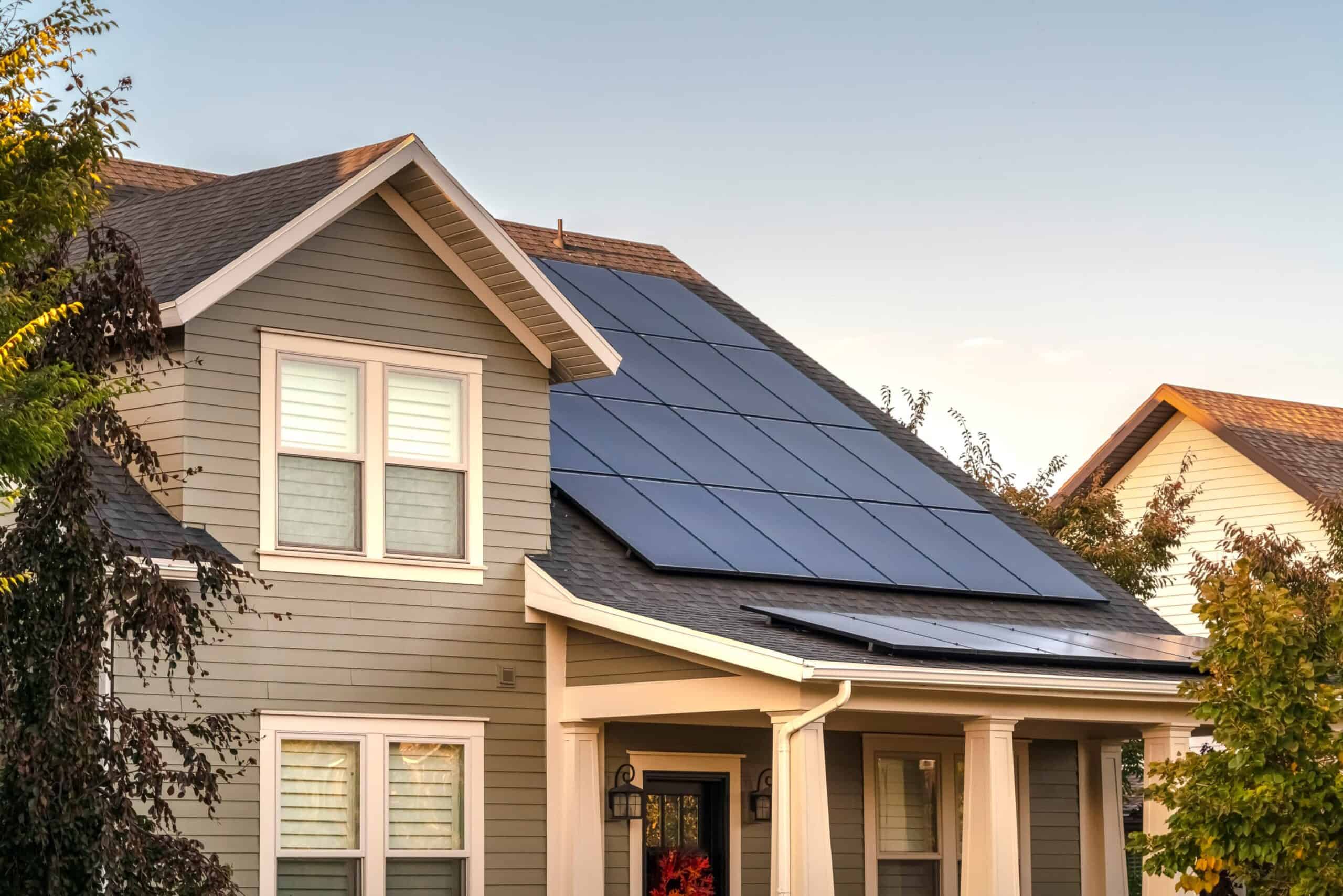
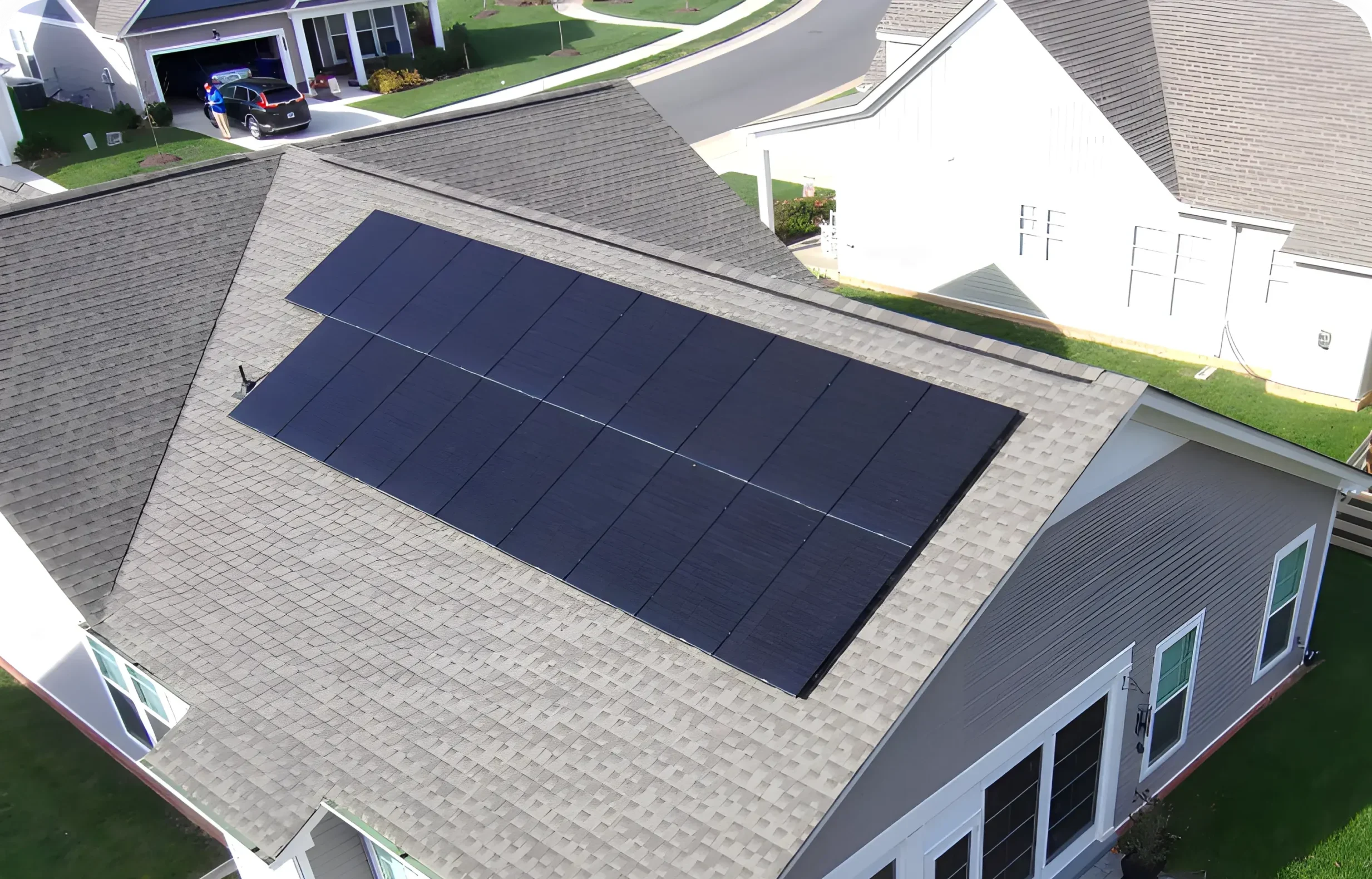
Net metering remains the primary vehicle for residential solar adoption within Dominion Energy’s service territories. This program allows customers who install their own solar photovoltaic (PV) systems to remain connected to the grid while using the utility as a "battery" for excess energy production.
How Net Energy Metering (NEM) Functions
When your solar panels produce more electricity than your home consumes—typically during the peak afternoon hours—the excess power flows back into the Dominion Energy grid. Your electric meter literally runs backward, or more accurately, records the outflow. Dominion then provides a one-to-one kilowatt-hour (kWh) credit on your bill for this exported energy.
During the night or on cloudy days when your panels are not producing enough to meet your needs, you draw power from the grid. At the end of the billing cycle, you are only charged for the "net" energy consumed. If you produced more than you used, those credits roll over to the next month.
System Capacity and Sizing Limits
In 2026, Dominion Energy maintains specific guidelines on how large a residential system can be. Generally, a system is sized to meet but not exceed the customer's previous 12-month annual energy consumption.
- Residential Limit: Most residential systems are capped at 25 kilowatts (kW) for net metering eligibility, though recent legislative adjustments have allowed for slightly larger systems in specific contexts.
- Commercial Limit: Non-residential customers often face different caps, frequently reaching up to 3,000 kW (3 MW), depending on the specific rate class and jurisdiction.
The Annual True-Up Period
Dominion Energy utilizes a "true-up" period, usually an annual cycle where any remaining credits are evaluated. While credits roll over month-to-month, at the end of the 12-month period, customers may have the option to sell excess credits back to the utility at the avoided-cost rate, which is significantly lower than the retail rate. Most experts recommend sizing systems to 95–100% of usage to avoid "losing" value on excess generation.
Shared Solar: The Alternative for Renters and Shaded Properties
Not every property is suitable for rooftop solar. Factors such as roof orientation, significant shading from trees, or the status of being a renter can prevent traditional installation. To address this, Dominion Energy operates the Shared Solar Program (often referred to as Community Solar).
Subscription Model
Under the Shared Solar program, a third-party developer builds a large-scale solar array. Dominion Energy customers can "subscribe" to a portion of the energy produced by that facility. The energy generated by your share of the project appears as a credit on your monthly Dominion bill, reducing your total payment.
Eligibility and The "Minimum Bill"
Shared solar is particularly popular in high-density areas of Virginia. However, it is important to note the "minimum bill" requirement. In 2026, legislative frameworks still require shared solar subscribers to pay a base monthly fee to Dominion Energy to cover the costs of maintaining the physical grid infrastructure. This fee ensures that while you are using solar energy, you are still contributing to the upkeep of the wires and transformers that deliver power when the sun isn't shining.
Low-Income Provisions
A significant portion of Dominion's shared solar capacity is reserved for low-income customers. These participants often receive specialized incentives or waived administrative fees, making renewable energy accessible to demographics that were historically excluded from the solar market due to high upfront costs.
Commercial Solar and Power Purchase Agreements (PPAs)
For businesses, schools, and non-profit organizations, the Dominion Energy solar landscape offers more complex financial structures. The most prominent of these is the Power Purchase Agreement (PPA).
Third-Party Ownership
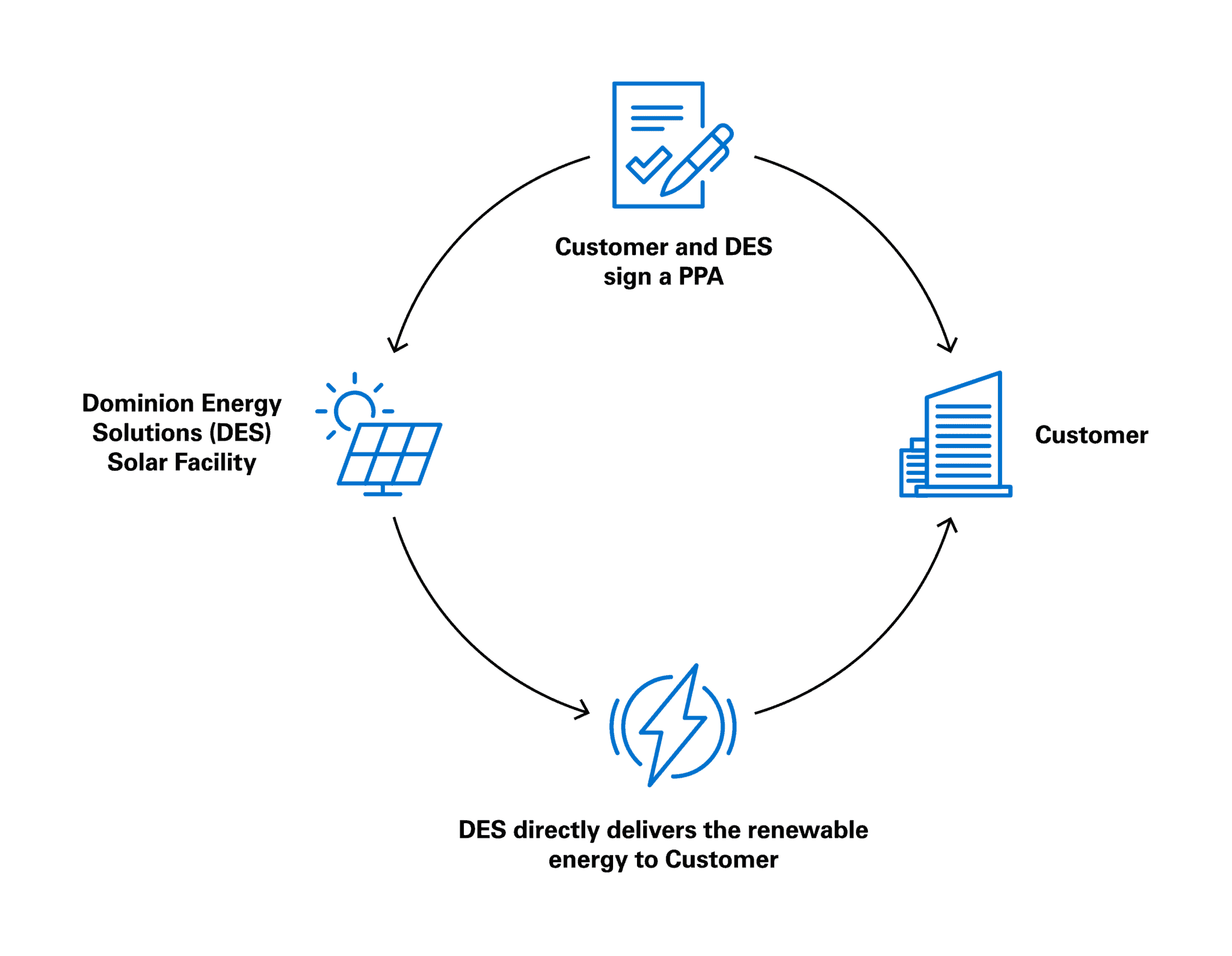
In a PPA, a third-party solar developer installs, owns, and maintains the solar system on the customer's property. The customer then agrees to purchase the power generated by the system at a fixed price per kWh, which is typically lower than Dominion’s standard retail rate. This allows the entity to go solar with zero upfront capital expenditure.
Impact on Demand Charges
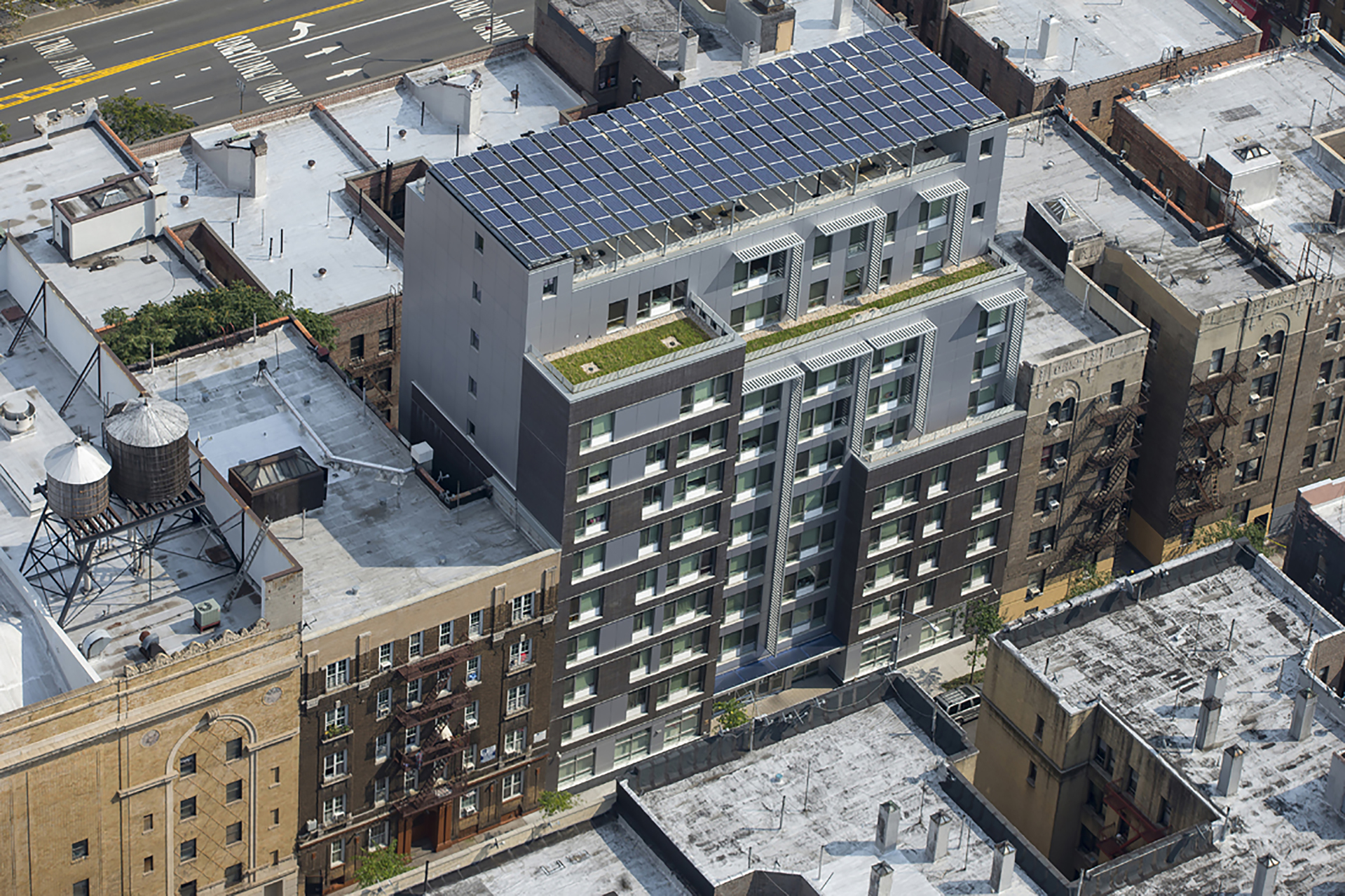
Commercial customers are often subject to "demand charges" based on their highest point of energy usage during a month. Solar programs for businesses are frequently designed to "shave" these peaks. By producing energy on-site during peak business hours, companies can significantly reduce the demand component of their Dominion Energy bill, leading to faster ROI than residential systems.
Technical Requirements and the Interconnection Process
Before a solar system can be turned on, it must go through a formal interconnection process with Dominion Energy. This ensures the system is safe and will not destabilize the local grid.
- Interconnection Application: The installer submits technical specifications of the panels and inverters to Dominion.
- Engineering Review: Dominion engineers verify that the local transformer and circuit can handle the added load of the solar export.
- Net Meter Installation: If the application is approved, Dominion will replace the standard meter with a bidirectional net meter.
- Permission to Operate (PTO): Once the system passes local building inspections and Dominion’s final check, the utility issues a formal PTO. Do not turn on your system before receiving this document, as it can lead to billing errors or safety hazards.
Comparing Dominion Energy Solar Pathways
The following table compares the three most common ways to engage with Dominion’s solar initiatives in 2026.
| Feature | Net Metering (Rooftop) | Shared Solar (Community) | Power Purchase Agreement (PPA) |
|---|---|---|---|
| Primary Target | Homeowners | Renters / Shaded Homes | Non-profits / Commercial |
| Upfront Cost | High (or Financed) | Zero / Low Subscription | Zero |
| Ownership | Customer Owned | Developer Owned | Developer Owned |
| Maintenance | Customer Responsibility | Developer Responsibility | Developer Responsibility |
| Credit Rate | Full Retail (1:1) | Retail minus "Minimum Bill" | Contractual Rate |
| Installation Site | On-site (Roof/Ground) | Off-site (Solar Farm) | On-site |
Solar Renewable Energy Credits (SRECs) in Virginia
One of the most financially compelling aspects of the Dominion Energy solar program in Virginia is the ability to sell Solar Renewable Energy Credits (SRECs).
Under the Virginia Clean Economy Act, Dominion is required to source a specific percentage of its power from renewable sources. To meet these goals, they (and other entities) purchase SRECs from solar owners. For every 1,000 kWh (1 Megawatt-hour) your system produces, you earn one SREC. These credits can be sold on an open market, providing an ongoing stream of income for the life of the system—often totaling thousands of dollars over a decade.
Federal Incentives and the 2026 Landscape
While Dominion Energy provides the framework for interconnection and credits, the federal government provides the primary tax incentive. In 2026, the Investment Tax Credit (ITC) remains a cornerstone of solar affordability.
Under the current extension of the Inflation Reduction Act, residential and commercial solar installers can claim a 30% federal tax credit on the total cost of the system. This includes equipment, labor, and even battery storage if installed in tandem with solar. For a $20,000 system, this represents a $6,000 direct reduction in federal tax liability.
Frequently Asked Questions
Does Dominion Energy pay me for excess solar power?
Dominion Energy typically provides credits on your bill rather than direct cash payments for residential solar. These credits offset future usage. At the end of an annual true-up period, if you have a surplus, you can request a payment, but it is issued at the "avoided cost" rate, which is much lower than the retail rate you pay for electricity.
What happens to my solar power during a grid outage?
Unless you have a battery backup system (like a Tesla Powerwall or similar), your solar system will automatically shut down during a power outage. This is a safety requirement called "anti-islanding," which prevents your system from sending electricity back into the grid and potentially harming utility workers who are repairing the lines.
Is BrightSuite part of Dominion Energy?
BrightSuite is a subsidiary of Dominion Energy. It operates as a solar provider and consultant, helping customers navigate the installation process. While you do not have to use BrightSuite to participate in Dominion’s solar programs, they are specifically integrated with the utility’s administrative processes.
How long does the interconnection process take?
The timeline can vary based on the complexity of the project. For standard residential systems, the process from application to Permission to Operate (PTO) generally takes between 4 to 8 weeks. Commercial projects or those requiring grid upgrades can take significantly longer.
Can I participate in shared solar if I own my home?
Yes. Homeowners who have roofs unsuitable for panels—perhaps due to historical preservation rules, structural weakness, or heavy tree cover—are eligible to subscribe to shared solar programs as long as there is available capacity in their specific region.
Moving Forward with Dominion Solar
The decision to transition to solar energy involves both technical and financial considerations. To begin, customers should analyze their last 12 months of energy usage via their Dominion Energy online portal. This data is the foundation for any system design.
For those pursuing rooftop solar, obtaining multiple quotes from installers certified by the North American Board of Certified Energy Practitioners (NABCEP) is recommended. If you are leaning toward shared solar, check the current waitlists and "minimum bill" structures in your specific jurisdiction, as these can fluctuate based on state regulatory decisions. By leveraging net metering and available tax credits, most participants in 2026 find that solar provides a reliable hedge against rising utility rates while contributing to a cleaner regional power grid.
Image Gallery