Why Remediation Stocks and Mold Removal Matter for Homeowners
Mold removal and environmental remediation stocks matter to homeowners because they signal market demand for property preservation, reflect rising repair costs, and highlight essential services that safeguard structural health and prop...
Mold removal and environmental remediation stocks matter to homeowners because they signal market demand for property preservation, reflect rising repair costs, and highlight essential services that safeguard structural health and property value. Tracking these stocks helps homeowners anticipate restoration trends, evaluate professional services, and explore investment opportunities driven by climate-resilient housing needs.
Contents
The Intersection of Environmental Remediation Stocks and Residential Property
Environmental remediation companies specialize in identifying, containing, and removing biological and chemical hazards from built environments. While real estate investors and financial analysts historically tracked these corporations primarily for equity performance, modern homeowners increasingly monitor the sector. Publicly traded companies operating in restoration, indoor air quality management, and disaster recovery offer a clear baseline for industry labor rates, technological adoption, and micro-market demand for property repair.
Public companies in this sector—such as FirstService Corporation (which operates major property service and restoration brands like Paul Davis Restoration), Rollins, Inc., APi Group Corporation, and Clean Harbors, Inc.—serve as economic indicators for property management. When demand for specialized remediation services rises, market capital flows into these stocks. For homeowners, this growth signals underlying shifts: extreme weather events are accelerating property damage, aging residential infrastructure requires more intensive maintenance, and health regulations around indoor air quality are growing stricter.
- Macro Trends (Climate, Aging Homes, IAQ Regulations)
- Increased Demand for Disaster Recovery & Containment
- Expansion of Remediation Stocks & Industry Capacity
- Higher Service Availability, Evolving Standards & Costs for Homeowners
Understanding how these commercial entities operate allows homeowners to see past short-term contractor bids. It reveals broader industry benchmarks, standard remediation practices, and the true cost of neglected water damage. Furthermore, property owners who invest in equities can use these stocks to construct natural hedges against the cost of maintaining their physical real estate assets.
The True Impact of Mold on Home Equity and Structural Health
Mold contamination is not merely a cosmetic inconvenience; it is a structural hazard and a primary threat to residential equity. Fungal species such as Stachybotrys chartarum, Aspergillus, and Penicillium thrive in humid environments with organic substrate materials like drywall, wooden framing studs, and subflooring. When water intrusion occurs—whether from roof leaks, plumbing failures, or high indoor humidity—mold spores can colonize wet surfaces within 24 to 48 hours.
From a physical standpoint, unchecked fungal growth degrades cellulose materials, compromising structural integrity. From a financial standpoint, mold infestations can derail home sales, reduce property appraisal values, and create significant legal liabilities during disclosures.
- Water Intrusion Event (Unchecked Leak / Flooding)
- Spore Germination (24–48 Hour Window)
- Structural Cellulose Breakdown & IAQ Spikes
- Diminished Property Appraisal & Uninsured Loss
Financial and Health Consequences
- Appraisal and Resale Loss: Unaddressed mold issues must be disclosed during real estate transactions. Professional inspectors flag active mold or evidence of prior improper remediation, often leading buyers to demand substantial price concessions or walk away entirely.
- Insurance Limits and Denials: Standard homeowners insurance policies (such as the widespread HO-3 form) generally treat mold as a secondary outcome. Coverage is typically capped—often between $5,000 and $10,000—unless the mold directly stems from a covered "sudden and accidental" water peril. Slow leaks or maintenance neglect are routinely denied.
- Indoor Air Quality (IAQ) and Health Safety: The U.S. Environmental Protection Agency (EPA) notes that indoor mold exposure can trigger allergic reactions, asthma attacks, and respiratory irritation. Severe infestations require certified professional containment under strict negative air pressure to avoid dispersing spores throughout the home's HVAC network.
Primary Drivers Expanding the Remediation Market
The growth of publicly traded remediation stocks reflects long-term structural demand rather than temporary consumer trends. Key macroeconomic factors continue to drive capital into environmental cleanup and restoration services:
- Frequency of Severe Weather Events: Increased precipitation, urban flooding, and major storm surges elevate the frequency of water intrusion events in residential neighborhoods, creating ongoing demand for emergency drying, water extraction, and mold prevention.
- Aging Housing Stock: A substantial portion of residential housing in North America was built several decades ago. Older plumbing systems, deteriorating roofs, and outdated basement waterproofing make these structures inherently more vulnerable to persistent moisture problems.
- Heightened Regulatory and Health Standards: State and federal guidelines regarding indoor environment safety have tightened. Standards established by the Institute of Inspection, Cleaning and Restoration Certification (IICRC)—specifically the IICRC S520 Standard for Professional Mold Remediation—have established clear protocols that incentivize property owners to hire accredited, insured corporate operators over uncertified handymen.
- Corporate Consolidation: Private equity and publicly traded holdings continue to consolidate fragmented, independent local restoration businesses into regional and national franchises. This consolidation standardized service delivery, pricing structures, and equipment deployment nationwide.
Comparing Remediation Sector Metrics and Homeowner Realities
Tracking key metrics within the remediation market helps homeowners evaluate the necessity, standard pricing, and urgency of professional restoration projects.
| Market Metric / Sector Focus | Operational Driver | Direct Impact on Homeowners | Financial & Investment Context |
|---|---|---|---|
| Water Extraction & Structural Drying | Emergency response following sudden plumbing bursts or storm flooding. | Dictates emergency mitigation pricing and contractor availability during localized disaster events. | High-margin, non-discretionary service revenue for public restoration networks. |
| Microbial Containment (IICRC S520) | Deployment of HEPA filtration, negative air machines, and anti-microbial treatments. | Determines safety compliance, preventing cross-contamination to clean areas of the home. | Capital-intensive equipment deployment; favors well-capitalized corporate entities. |
| Insurance Claim Billing & Direct Repair | Preferred vendor networks established between remediation firms and insurers. | Streamlines approval processes but can introduce coverage limits based on pre-set insurer fee schedules. | Stable contract-based cash flow; reduces bad debt expenses for publicly traded providers. |
| HVAC & Indoor Environmental Testing | Post-remediation verification (PRV) and air cassette sampling by industrial hygienists. | Provides objective proof that mold spore counts have returned to normal background levels. | Expands recurring service lines into preventative maintenance and indoor air quality monitoring. |
Strategic Guidance: Managing Home Equity and Investment Exposure
Homeowners can take a proactive approach to protecting both their living space and their financial portfolio by connecting remediation industry insights with practical property management.
Proactive Home Protection Framework:
- Moisture & Structural Audits
- Track indoor relative humidity (<50%)
- Inspect sumps, roofs, and foundations
- Insurance Portfolio Optimization
- Add Water Backup & Sump Overflow rider
- Review mold remediation cap limits
- Professional Vetting & Standards Check
- Demand IICRC S520 certified technicians
- Mandate independent PRV air testing
- Portfolio Hedging Strategy
- Consider sector stocks to balance
- Offset out-of-pocket maintenance risk
1. Execute Regular Moisture Audits
Preventing mold growth requires continuous moisture management. Homeowners should maintain indoor relative humidity below 50% using whole-home dehumidifiers or air conditioning. Regularly inspect high-risk areas including basement sump pits, crawl spaces, attic rafters, and appliance supply lines (washing machines, refrigerators, and dishwashers). Installing smart moisture sensors near critical fixtures can alert you to leaks before mold germinates.
2. Audit Insurance Policies for Remediation Coverage
Review your homeowners policy declarations page for specific limits on mold, wet rot, and water backup. If your policy caps mold damage at $5,000, consider purchasing an endorsement rider to increase coverage limits, especially if your property features a finished basement or resides in a high-humidity region. Additionally, secure a Water Backup and Sump Pump Overflow rider, as standard policies exclude water entering through drain backups.
3. Require Independent Testing and Certified Standards
When hiring a remediation contractor, ensure the company operates according to the IICRC S520 standard. To avoid conflicts of interest, hire an independent certified Industrial Hygienist (IH) or Council-certified Indoor Environmental Consultant (CIEC) to perform baseline testing and final Post-Remediation Verification (PRV). The remediation company should never perform its own clearance testing.
4. Evaluate Financial Hedging Opportunities
Homeowners looking to balance their long-term property maintenance costs can research publicly traded environmental services and disaster recovery firms. Holding shares in resilient market sectors can generate capital growth that helps offset out-of-pocket home repair expenses over time.
Common Pitfalls in Mold Removal and Remediation Investing
- Using Bleach on Porous Surfaces: Applying household bleach to porous materials like drywall or subflooring kills surface mold temporarily but leaves water deep within the material, feeding fungal roots and allowing growth to return quickly. Proper remediation requires removing contaminated porous materials under physical containment.
- Assuming Standard Insurance Covers All Water Damage: Many property owners discover too late that gradual leaks—such as a pipe dripping inside a wall over several months—are categorized as continuous or repeated seepage and excluded from standard coverage.
- Skipping Physical Containment During Removal: Attempting major DIY mold removal without plastic barrier containment and negative air pressure equipment redistributes millions of microscopic spores into the home's heating and cooling ductwork, contaminating unaffected rooms.
- Conflating General Maintenance with Qualified Remediation: Contracting general utility laborers without specific microbial remediation training can lead to improper chemical application, inadequate drying, and failure to resolve the moisture source.
Frequently Asked Questions
Why are remediation stocks considered resilient during economic downturns?
Environmental remediation and disaster recovery services are non-discretionary. When a home suffers severe flooding, pipe bursts, or hazardous mold infestation, the work cannot be deferred regardless of broader economic conditions. This essential demand profile provides corporate service providers with predictable cash flow even during periods of market volatility.
Does standard homeowners insurance cover mold removal?
Standard insurance policies usually cover mold removal only if it results directly from a sudden, accidental peril covered by the policy—such as a burst water pipe. Coverage is typically subject to low caps (e.g., $5,000 to $10,000). Mold stemming from poor maintenance, roof leaks neglected over time, or unaddressed humidity is almost universally excluded.
What is the standard protocol for professional mold remediation?
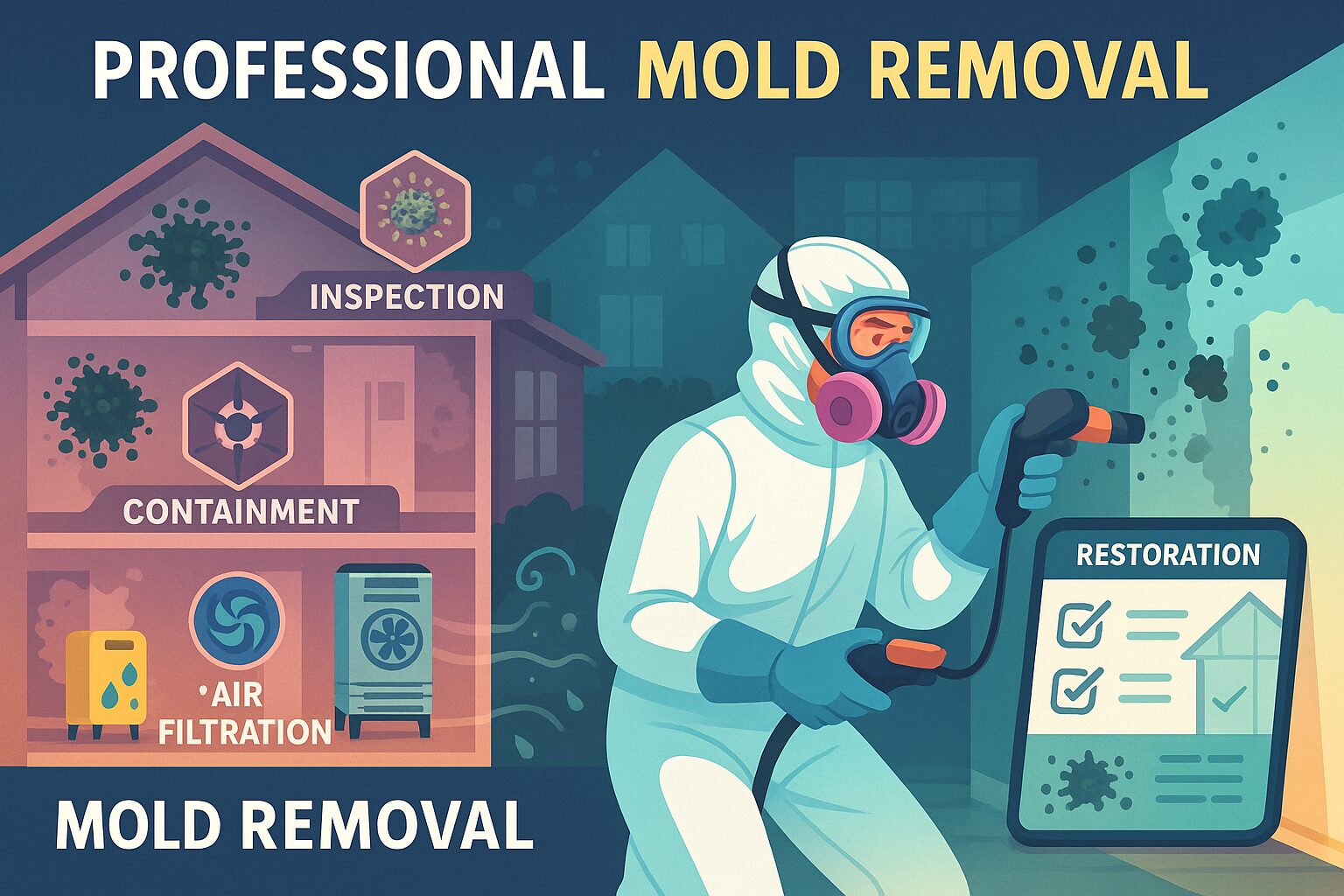
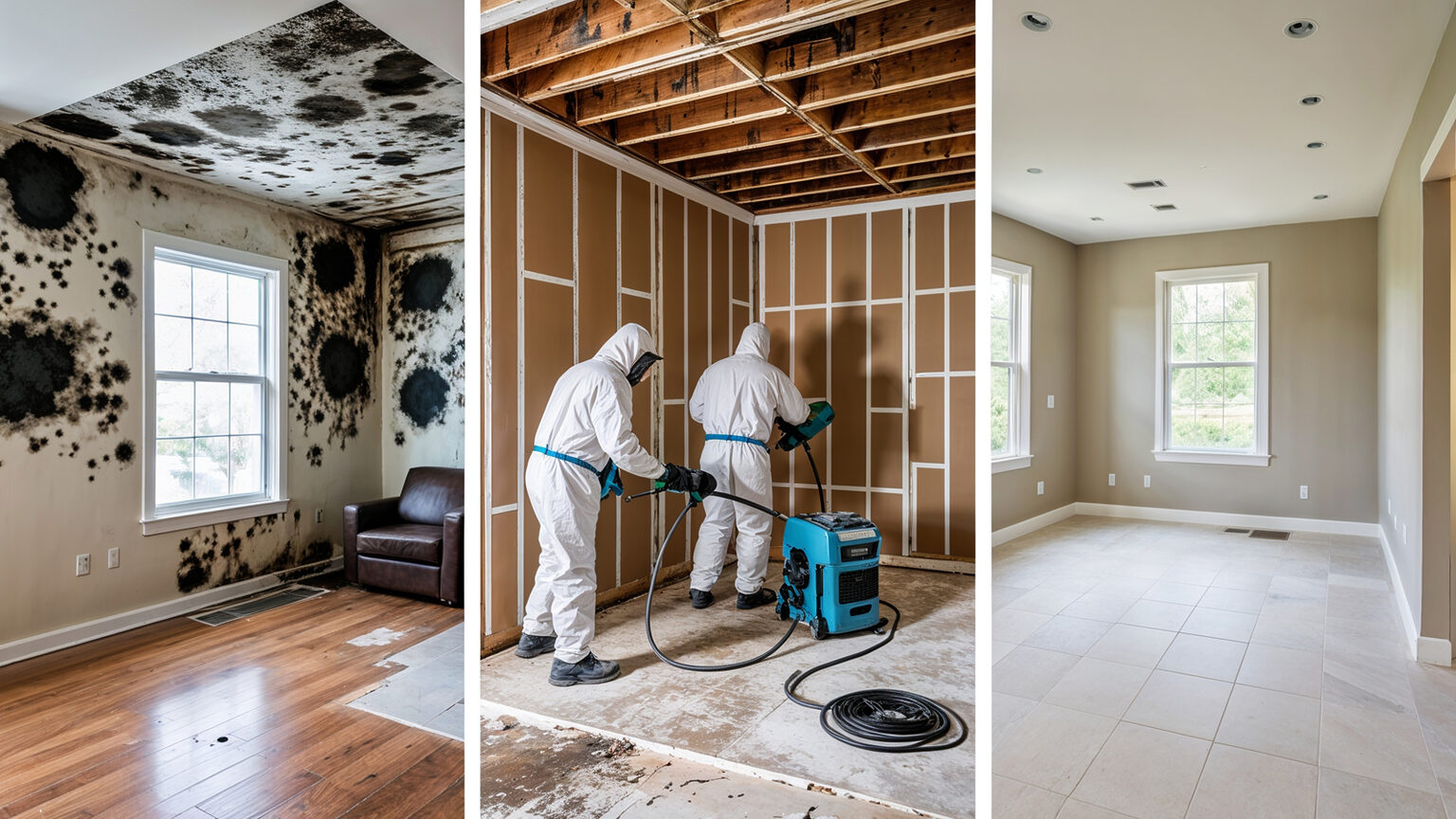
Professional mold remediation should follow the IICRC S520 standard. Key steps include establishing containment barriers with plastic sheeting, maintaining negative air pressure using HEPA-filtered air scrubbers, physically removing non-salvageable porous materials, HEPA-vacuuming and cleaning semi-porous structural elements, applying EPA-registered anti-microbials, and undergoing independent post-remediation clearance testing.
How significantly can mold reduce a home's appraisal value?
Unaddressed mold can reduce a property's market value substantially—often by 10% to 20% or more, depending on structural severity. Mortgage lenders may decline to approve loans on properties with active, uncontained mold infestations, forcing sellers to remediate the issue prior to closing or accept steep cash discount offers.
How can homeowners verify a remediation firm's qualifications?
Homeowners should verify that the firm carries specialized Environmental Impairment Liability (EIL) and general liability insurance. Look for credentials from recognized bodies such as the IICRC (Certified Mold Remediation Technician/Contractor) or the American Council for Accredited Certification (ACAC). Always demand references and proof of independent third-party clearance testing.
Recommended Next Steps
To protect both your physical home and your broader balance sheet:
- Conduct an Immediate Water Vulnerability Audit: Inspect your home's roof lines, gutter downspouts, basement walls, sumps, and plumbing connections for any signs of hidden dampness or elevated moisture levels.
- Review Your Homeowners Coverage: Contact your insurance broker to clarify exact mold coverage limits, verify water backup endorsements, and determine out-of-pocket exposure for catastrophic water events.
- Establish a Qualified Remediation Contact: Identify certified, insured environmental remediation firms in your area before an emergency occurs, ensuring quick access to professional help when moisture issues arise.
Image Gallery