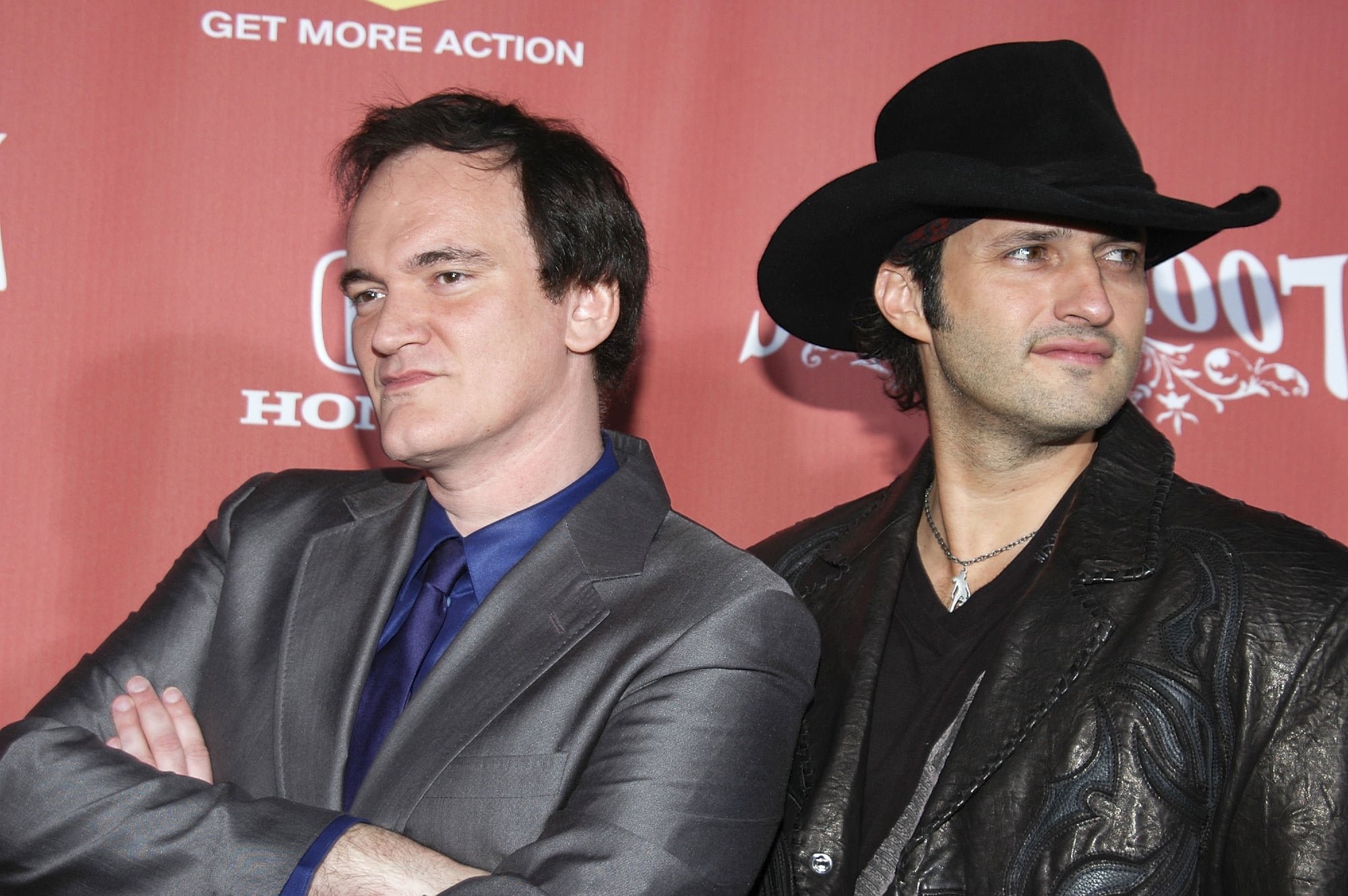
Tarantino Star Wars Cultural Crossover Explained
The cultural crossover between Quentin Tarantino and Star Wars represents the intersection of two distinct cinematic titans: the gritty, dialogue-driven auteurism of 1990s independent cinema and the mythic world-building of space fanta...
The cultural crossover between Quentin Tarantino and Star Wars represents the intersection of two distinct cinematic titans: the gritty, dialogue-driven auteurism of 1990s independent cinema and the mythic world-building of space fantasy. This cultural crossover manifests through actor connections like Samuel L. Jackson, shared roots in genre homage, viral fan-art mashups, and Tarantino’s critical commentary on how George Lucas changed Hollywood.
Contents
- Tarantino & Star Wars Intersection
- Actor Bridge (S.L. Jackson: Mace Windu / Jules)
- Shared Roots (Kurosawa & Westerns)
- Fan Mashups ("Pulp Wars" & Pop Remixes)
- Film Criticism (1977 Shift & Rogue One)
The Actor Axis: Samuel L. Jackson as the Ultimate Cinematic Bridge
The most direct physical and cultural link between the cinematic worlds of Quentin Tarantino and George Lucas is actor Samuel L. Jackson. After his iconic, Academy Award-nominated performance as hitman Jules Winnfield in Tarantino’s Pulp Fiction (1994), Jackson became one of the most recognizable faces in modern cinema. When George Lucas began casting the Star Wars Prequel Trilogy in the late 1990s, Jackson expressed an intense personal desire to appear in the franchise, leading to his casting as Jedi Master Mace Windu in Star Wars: Episode I – The Phantom Menace (1999).
Jackson’s presence created a permanent pop-culture bridge between Tarantino's hyper-literate, R-rated underworld and Lucas’s PG-rated galactic mythology. This crossover materialized in explicit detail during the production of Star Wars: Episode II – Attack of the Clones (2002):
- The Custom Purple Lightsaber: Jackson specifically requested that George Lucas give Mace Windu a unique purple lightsaber—a deviation from the traditional blue, green, and red blades—so that his character would stand out during the massive arena battle scene on Geonosis.
- The "BMF" Prop Inscription: As a direct tribute to his Pulp Fiction character Jules Winnfield, whose wallet bore the phrase "Bad Mother Fucker," Jackson had the initials "BMF" etched onto the physical hilt of his movie prop lightsaber.
This blend of Tarantino-esque badassery with Star Wars Jedi lore established Mace Windu as a distinct cultural figure within the franchise. It demonstrated how an actor’s persona, forged in 1990s independent cinema, could reshape the visual language of one of the largest corporate franchises in history.
Shared Cinematic DNA: Akira Kurosawa, Westerns, and Genre Homage
Beyond direct personnel crossover, Quentin Tarantino and George Lucas share a foundational creative philosophy: cinematic collage. Neither creator built their world strictly from original, vacuum-sealed ideas; instead, both assembled their narratives by remaking, honoring, and synthesizing the film genres of the mid-20th century.
- Common Cinematic Roots & Homages
- Akira Kurosawa
- Lucas: Hidden Fortress
- Tarantino: Yojimbo, Lady Snowblood
- Spaghetti Westerns
- Lucas: Cantina Duels, Mos Eisley Frontier
- Tarantino: Hateful 8, Django Unchained
- Akira Kurosawa
The Japanese Cinema Influence
George Lucas famously based the core structure of 1977’s Star Wars: Episode IV – A New Hope on Akira Kurosawa’s 1958 samurai adventure The Hidden Fortress. The decision to tell an epic story through the eyes of two lowly peasants (which Lucas adapted into the droids C-3PO and R2-D2) came directly from Kurosawa. The Jedi order itself draws heavily from Japanese jidaigeki (period drama) cinema and the philosophy of the samurai.
Tarantino similarly built his career on Japanese cinema homage. His two-part epic Kill Bill (2003–2004) draws extensively from Kurosawa’s Yojimbo and Seven Samurai, alongside Toshiya Fujita’s Lady Snowblood (1973) and Kinji Fukasaku’s Yakuza films. Both directors use the sword-fighter archetype as a vehicle for moral exploration, balancing martial honor against chaotic violence.
The Spaghetti Western Aesthetic
The frontier aesthetic of Star Wars owes immense debt to Sergio Leone and the Italian Spaghetti Western tradition. The Mos Eisley Spaceport—described by Obi-Wan Kenobi as a "wretched hive of scum and villainy"—is structured visually and narratively like a border town in a Western. Han Solo’s standoff with Greedo in the cantina mirrors classic gunfighter confrontations, characterized by tight close-ups, tension-building silence, and sudden lethal violence.
Tarantino’s affinity for Spaghetti Westerns is central to his filmography, culminating in Django Unchained (2012) and The Hateful Eight (2015). Tarantino’s signature use of extreme close-ups, dramatic musical cues (often composed by Ennio Morricone), and morally gray mercenaries directly parallels how Lucas framed bounty hunters like Boba Fett and rogue smugglers like Han Solo.
Fan Culture and the "Pulp Star Wars" Phenomenon
During the late 1990s and early 2000s, the emergence of digital media editing coincided with the release of the Star Wars prequels and Tarantino's Jackie Brown and Kill Bill. This timeline birthed a major internet fan art movement: the "Pulp Star Wars" mashup subgenre.
- Pulp Fiction (1994)
- Jules & Vincent
- Nonlinear Monologues
- Ezekiel 25:17 Quote
- Star Wars (1977-Present)
- Bounty Hunters / Sith
- Blasters & Force Powers
- Cantina Underworld
- "Pulp Star Wars" Fan Crossover Movement
Creators began superimposing Tarantino’s trademark dialogue over Star Wars footage, or redrawing Star Wars characters in the iconic style of the Pulp Fiction theatrical poster. Common iterations of this cultural crossover include:
- Jules and Vincent as Bounty Hunters: Reimagining Jules Winnfield and Vincent Vega as Imperial bounty hunters or Sith enforcers, substituting blasters for handguns while preserving Tarantino's iconic dialogue about fast food and mundane cultural differences.
- The Ezekiel 25:17 Jedi Monologue: Dubbing Samuel L. Jackson’s famous Bible-quoting speech over Mace Windu confronting Emperor Palpatine in Revenge of the Sith.
- Reservoir Droids: Fan artwork portraying imperial droids or alien mercenaries walking in slow motion clad in black suits and thin ties, mimicking the opening sequence of Tarantino’s 1992 debut film Reservoir Dogs.
These mashups highlighted how both franchises had achieved mythic status in modern pop culture. Where Lucas created a shared mythology of space fantasy, Tarantino created a shared vocabulary of film speech and cinematic cool.
Tarantino’s Film Criticism: The 1977 Paradigm Shift
Quentin Tarantino is not only a director but also a film historian and critic. Throughout his career—and documented extensively in his book Cinema Speculation—Tarantino has analyzed the cultural and industrial impact of 1977’s Star Wars.
- Tarantino's View on 1977 Film History
- New Hollywood (1970s)
- Auteur-Driven
- Edgy & Experimental
- Example: Taxi Driver
- Post-1977 Blockbuster
- Franchise IP Focus
- Family-Friendly Pop
- Example: Star Wars
- New Hollywood (1970s)
The End of the "New Hollywood" Golden Age
Tarantino’s central thesis regarding Star Wars centers on how its unprecedented commercial success shifted the Hollywood studio system away from the gritty, auteur-led "New Hollywood" cinema of the 1970s (exemplified by directors like Martin Scorsese, William Friedkin, and Robert Altman) toward franchise-driven blockbuster intellectual property.
Tarantino notes that prior to 1977, adult-oriented, complex dramas could dominate the box office. When Star Wars revolutionized merchandising and mass audience appeal, studio executives realized that youth-oriented visual spectacles provided far higher returns on investment. While Tarantino respects Lucas’s technical craft and pop sensibility, he frequently identifies Star Wars as the moment American cinema shifted its focus toward commercial franchise assembly.
Tarantino on Modern Star Wars (Rogue One)
Despite his critique of corporate blockbuster dominance, Tarantino has occasionally praised individual entries in the franchise. In public interviews, Tarantino singled out Gareth Edwards’s Rogue One: A Star Wars Story (2016) for praise, noting its darker tone, high stakes, and dramatic climax. He appreciated that Rogue One departed from formulaic character survival, ending with the total sacrifice of its main cast to preserve narrative integrity.
Comparative Analysis: Tarantino vs. Lucas Film Aesthetics
To understand how these two cinematic visions compare, the following table breaks down their creative choices across key artistic dimensions:
| Artistic Dimension | Quentin Tarantino Cinema | George Lucas Cinema (Star Wars) |
|---|---|---|
| Primary Narrative Foundation | Crime serials, Exploitation cinema, Spaghetti Westerns, Martial arts films | Akira Kurosawa samurai films, Flash Gordon serials, World War II dogfights, Mythology |
| Dialogue Construction | Verbose, pop-culture-obsessed, rhythmic, highly stylized monologues | Functional, dramatic, serial-style exposition and mythic archetypes |
| Violence & Action Framing | Visceral, blood-splattered, practical stunt execution, tense standoffs | Stylized, family-friendly laser fire, choreographed lightsaber duels, space combat |
| Musical Score Strategy | Curated needle-drops from existing pop, rock, funk, and vintage film soundtracks | Original, grand orchestral leitmotifs composed by John Williams |
| Structural Pacing | Non-linear chapters, sudden temporal shifts, extended dialogue scenes | Linear hero's journey, parallel cross-cutting during climax sequences |
| Actor Persona Usage | Exploits established actor personas; reinvents veteran actors (Pulp Fiction, Jackie Brown) | Employs mostly unknown actors to immerse audiences into character archetypes |
Frequently Asked Questions
Did Quentin Tarantino ever direct a Star Wars movie?
No, Quentin Tarantino has never directed or officially developed a Star Wars movie. Tarantino has maintained a focus on his own original screenplays and intellectual properties throughout his career. While he briefly explored directing an R-rated Star Trek feature project with Paramount, he never entered formal development for a Star Wars project with Lucasfilm.
Why did Samuel L. Jackson want a purple lightsaber in Star Wars?
Samuel L. Jackson asked George Lucas for a purple lightsaber during the filming of Star Wars: Episode II – Attack of the Clones so his character, Mace Windu, would stand out during the massive Jedi battle sequence on Geonosis. Lucas initially explained that lightsabers were typically only blue, green, or red, but ultimately granted Jackson’s request.
How did Star Wars impact Tarantino's view of cinema history?
Quentin Tarantino views the release of 1977’s Star Wars as a pivotal historical moment that ended the "New Hollywood" era of the 1970s. In his analysis, the massive commercial success of Lucas's space epic caused Hollywood studios to prioritize youth-targeted, franchise-driven blockbusters over character-driven, adult-oriented auteur films.
What is the "Pulp Star Wars" trend?
"Pulp Star Wars" is a long-running fan-art and digital media trend that combines the visual aesthetic and iconic dialogue of Quentin Tarantino’s Pulp Fiction with the sci-fi characters and setting of Star Wars. Common examples include depicting Jules Winnfield and Vincent Vega as imperial bounty hunters or editing Samuel L. Jackson’s Tarantino monologues over Mace Windu scenes.
Did George Lucas and Quentin Tarantino ever collaborate?
George Lucas and Quentin Tarantino have never officially collaborated on a film project. However, both directors share deep connections through their reliance on classic film history, their ties to independent cinema history, and their mutual work with actor Samuel L. Jackson.
Practical Takeaways for Film Enthusiasts and Creators
Understanding the cultural crossover between Quentin Tarantino and Star Wars offers actionable insights for writers, filmmakers, and pop-culture analysts:
- Analyze Source Influences: To understand both creators, study their foundational texts. Watch Akira Kurosawa’s The Hidden Fortress and Yojimbo, alongside Sergio Leone’s Dollars Trilogy, to see how Lucas and Tarantino translated classic film tropes into entirely original worlds.
- Study Actor Persona Integration: Examine how Samuel L. Jackson used his Tarantino-established screen presence to create a distinctive, memorable character within the strictly regulated Star Wars prequel universe.
- Evaluate Industrial Shifts: Analyze Tarantino’s film criticism regarding 1977 to better understand how modern Hollywood transitioned from auteur-led projects to the franchise universe landscape that dominates cinema today.
Image Gallery