What Is a Life Insurance License and Is It Worth It?
A life insurance license is a state-issued authorization that permits an individual to legally solicit, negotiate, and sell life insurance policies and annuities to consumers. Obtaining this license is generally worth the initial inves...
A life insurance license is a state-issued authorization that permits an individual to legally solicit, negotiate, and sell life insurance policies and annuities to consumers. Obtaining this license is generally worth the initial investment for self-motivated professionals, as it provides high earning potential and flexible career paths for a relatively low upfront financial commitment.
Contents
What Is a Life Insurance License?
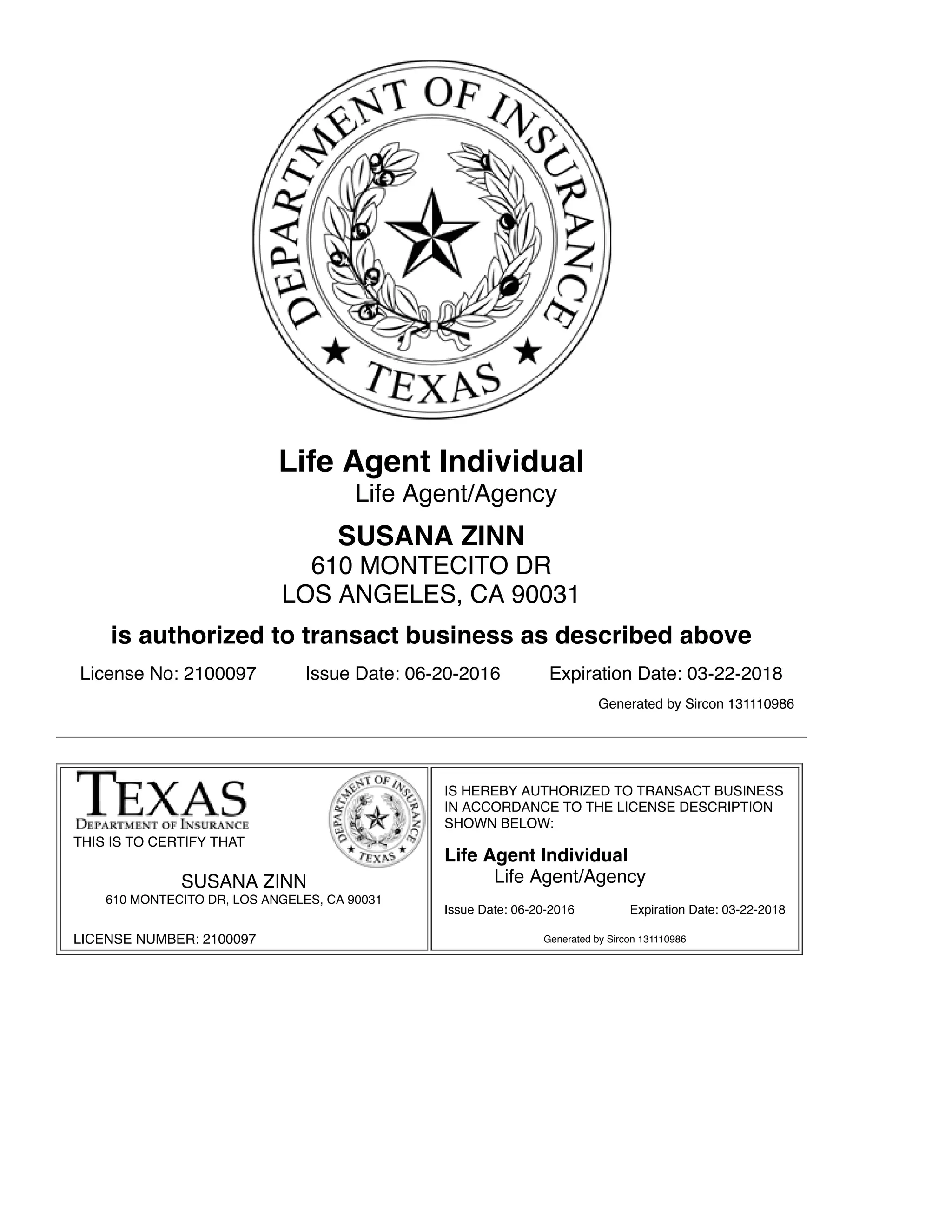
A life insurance license is a legal credential granted by a state’s insurance regulatory authority—such as a state Department of Insurance—that permits an individual to act as an insurance producer. Under state statutory frameworks and standards established by the National Association of Insurance Commissioners (NAIC), selling, soliciting, or negotiating insurance contracts without an active license is illegal and carries administrative penalties, fines, or criminal charges.
The scope of a life insurance license covers financial products designed to mitigate risk associated with human life and longevity. Depending on state line-of-authority classifications, a standard life insurance license authorizes an agent to transact:
- Term Life Insurance: Coverage providing a death benefit over a specified period.
- Whole and Universal Life Insurance: Permanent contracts building cash value alongside protection.
- Annuities: Fixed and fixed-indexed financial products that convert capital into income streams during retirement.
- Riders: Supplemental policy add-ons covering critical illness, terminal illness, or accidental death.
In practice, candidate agents rarely apply for a standalone life credential. Most regulators offer a combined Life & Health (L&H) license, which expands an agent’s authority to sell disability income, long-term care, and accident policies alongside life insurance products.
- State Department of Insurance
- Issues License: Licensed Insurance Producer
- Solicits: Life Insurance Policies
- Negotiates: Annuities & Riders
- Issues License: Licensed Insurance Producer
Licensing Requirements and Application Steps
States regulate insurance independently, meaning specific requirements vary by jurisdiction. However, state laws generally align with the NAIC Uniform Producer Licensing Model Act.
- Eligibility Check
- Pre-Licensing Education
- State Exam Pass
- Fingerprints & Background
- Application Submission
- Ongoing CE Maintenance
1. Basic Eligibility Criteria
Applicants must meet standard statutory prerequisites before beginning the licensing process:
- Minimum age of 18 years.
- U.S. citizenship or legal authorization to work in the United States.
- Clear criminal background record, or state-approved disclosures for prior administrative or misdemeanor offenses.
2. Pre-Licensing Education
Most states mandate pre-licensing education hours through approved providers. Requirements range from 20 to 40 classroom or online study hours per line of authority. The curriculum covers foundational topics:
- Contract law principles (offer, acceptance, consideration, legal purpose).
- Policy provisions, options, and riders.
- Tax treatment of life insurance proceeds and annuity payouts.
- State-specific statutes, ethics, and unfair trade practices rules.
3. State Licensing Examination
After completing required coursework, candidates must pass a state-proctored examination administered by testing centers such as Pearson VUE or Prometric.
- Format: Multiple-choice questions (typically 80–150 questions).
- Passing Score: Most states require a score of 70% or higher.
- Topics Covered: General insurance concepts (60–70% of the exam) and state-specific insurance law (30–40%).
4. Background Check and Fingerprinting
Applicants undergo state and federal criminal history checks via electronic fingerprinting through designated vendors (e.g., IdentoGO). Felony convictions—particularly those involving fraud, breach of trust, or financial crimes—can result in license disqualification under federal statute 18 U.S.C. § 1033, unless a formal federal waiver is granted.
5. Application Submission
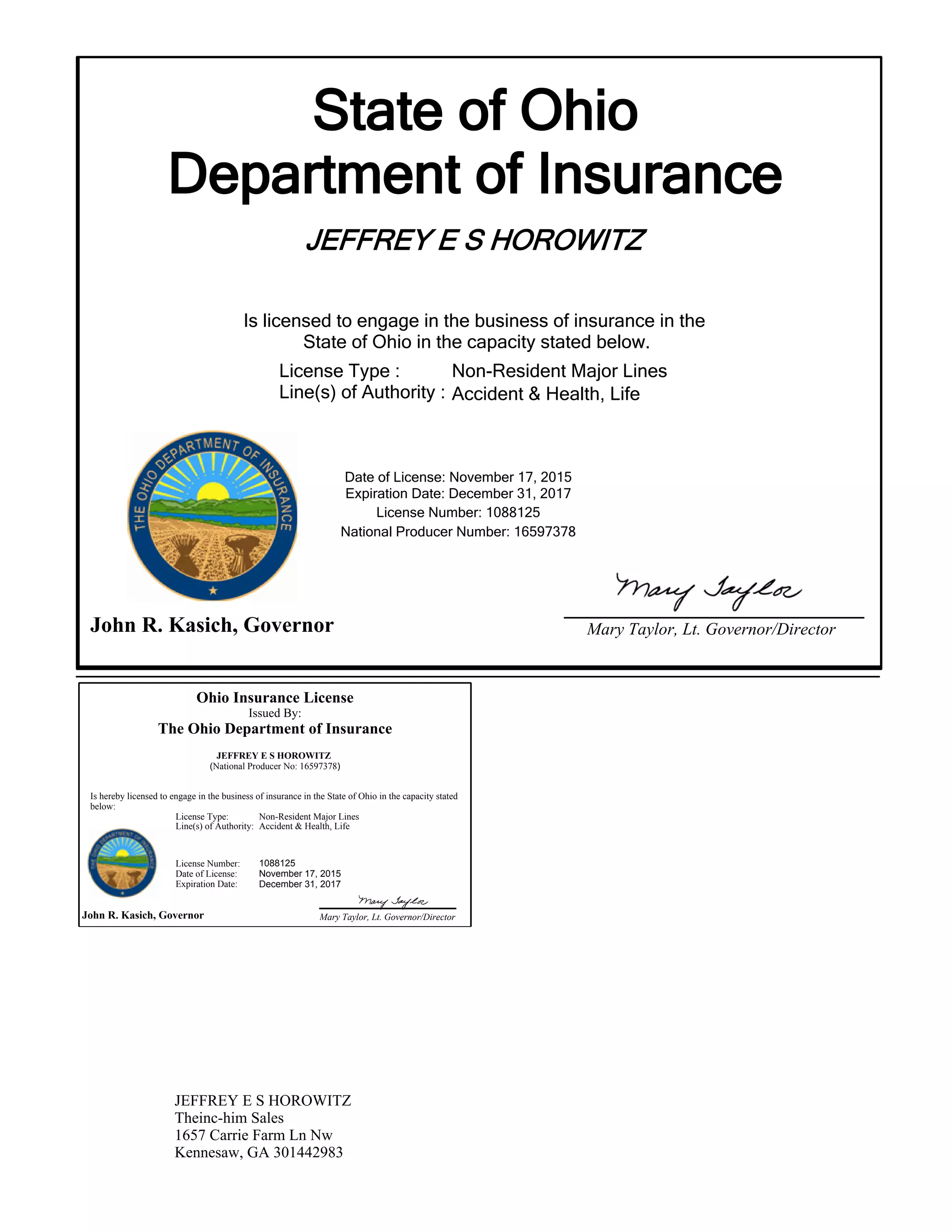
Upon passing the exam and clearing background checks, candidates submit a formal application through portals like the National Insurance Producer Registry (NIPR). State insurance departments review the filing and issue the official producer license number.
6. Ongoing Continuing Education (CE)
To maintain an active license, agents must complete continuing education credits during every renewal cycle (typically every two years). Most jurisdictions require 24 hours of CE, which must include at least 3 hours of approved ethics training.
Cost and Time Investment Breakdown
Obtaining a life insurance license requires low capital expenditure compared to other professional financial credentials.
| Expense / Step | Typical Cost (USD) | Estimated Time | Key Details |
|---|---|---|---|
| Pre-Licensing Course | $50 – $200 | 20 – 40 Hours | Self-paced online or classroom study programs. |
| State Licensing Exam Fee | $40 – $100 | 2 – 3 Hours | Paid per exam attempt to third-party testing centers. |
| Fingerprinting & Background Check | $30 – $80 | 1 Hour | State police and FBI background processing. |
| State Application Fee | $50 – $150 | N/A (1-2 weeks wait) | Paid to state insurance department via NIPR. |
| Errors & Omissions (E&O) Insurance | $30 – $50 / month | Ongoing | Professional liability coverage required by carriers before contracting. |
| Total Initial Investment | $200 – $580 | 1 – 4 Weeks | Varies by state regulations and study pacing. |
Compensation Structure and Business Models
Understanding how licensed life insurance agents earn income is essential to evaluating whether the license aligns with personal career goals.
- Licensed Insurance Agent
- Captive Model
- Single carrier alignment
- Corporate lead assistance
- Lower commission caps
- Independent Model
- Multiple carrier choices
- Higher commission rates
- Full business overhead
- Captive Model
How Life Insurance Agents Earn Income
Life insurance producers are primarily compensated through commission structures:
- First-Year Commission (FYC): When an agent sells a policy, the insurer pays a percentage of the total annualized first-year premium (AP). Commission rates typically range from 50% to 110% of the first year's premium, depending on contract level, product type, and agency hierarchy.
- Advances vs. As-Earned: Most agencies offer a commission "advance," paying 75% of the expected first-year commission up front when the policy issues. If the policy lapses within the first 12 months, the insurer issues a chargeback, requiring the agent to repay unearned commissions.
- Renewal Commissions (Residual Income): Beginning in year two, agents receive a smaller commission percentage (typically 2% to 10%) for every year the policyholder keeps the contract active. Over time, renewal payments build predictable residual revenue.
Captive vs. Independent Agent Models
- Captive Agents: Represent a single insurance company (e.g., State Farm, Northwestern Mutual). The carrier often provides office infrastructure, brand recognition, marketing support, and technology access. In exchange, captive agents accept lower commission percentages and cannot place clients with outside carriers if the primary company declines coverage.
- Independent Agents / Brokers: Contract with multiple carriers directly or through Insurance Marketing Organizations (IMOs) and Field Marketing Organizations (FMOs). Independent producers own their book of business, offer broader product options to clients, and command higher commission schedules. However, they bear full responsibility for business overhead, marketing costs, and lead generation.
Variable Products and Financial Registration
Selling variable life policies or variable annuities—where policy cash values invest directly in securities portfolios—requires more than a standard life license. Agents must also hold securities registrations regulated by the Financial Industry Regulatory Authority (FINRA), such as the Series 6 or Series 7 registration, alongside a Series 63 or 65 state law registration.
Pros and Cons of Getting a Life Insurance License
- PROS:
- Low Barrier & Upfront Costs
- Unlimited Residual Potential
- Schedule Flexibility
- Portable State Reciprocity
- CONS:
- High Early Industry Attrition
- Income Volatility & Chargebacks
- Lead Acquisition Costs
- Constant Prospecting Demands
Key Advantages
- Low Entry Barrier: Unlike degrees or multi-year apprenticeships, a candidate can fulfill education requirements, pass the licensing exam, and receive a professional state credential in less than a month for under $500.
- High Earning Potential: Commission structures create direct linkage between effort and revenue. According to the U.S. Bureau of Labor Statistics (BLS), insurance agents earn a solid median wage, while top-tier producers earn well into six figures annually.
- Passive Renewal Revenue: Accumulating active policies builds compounding annual renewal streams, establishing enterprise value in a portfolio or providing income stability during slow sales cycles.
- Professional Independence: Agents manage their schedules, work remotely or in office settings, and build personal business brands.
- State Reciprocity: Under NAIC reciprocal agreements, once an agent secures a home-state (resident) license, obtaining non-resident licenses in other states usually requires only a fee and an online application, without retaking examinations.
Key Challenges
- High Early Attrition: Industry estimates show that a large majority of new agents leave the insurance industry within their first two years. Failure typically stems from depleted prospecting channels, inefficient lead generation, and poor cash flow management.
- Income Volatility: Commission-only positions create sharp income fluctuations. Early-stage agents often experience months with zero revenue while waiting for policies to undergo medical underwriting and issue.
- Lead Costs and Prospecting Demands: Finding qualified prospects requires continuous work. Independent agents frequently spend thousands of dollars per month purchasing direct mail or digital leads.
- Chargeback Risk: If a client cancels their policy within the first year, the insurer reclaims advanced commissions, creating unexpected debts for uncapitalized agents.
Is a Life Insurance License Worth It for You?
Evaluating the ROI of a life insurance license depends on individual career goals, risk tolerance, and sales aptitude.
- Is the License Worth It?
- YES, IF YOU ARE:
- Self-disciplined & driven
- Skilled at networking
- Building advisory practices
- NO, IF YOU ARE:
- Seeking steady baseline pay
- Highly risk-averse
- Uncomfortable with outreach
- YES, IF YOU ARE:
When It Is Worth It
- Career Switchers Seeking Entrepreneurship: For professionals transitioning out of traditional employment who want business ownership without high capital outlay or franchise fees, insurance distribution offers clear unit economics.
- Financial Advisors and Wealth Managers: Adding a life insurance license allows financial planners, CPAs, or mortgage loan officers to offer comprehensive estate, protection, and tax-deferred planning while retaining revenues previously lost to outside referrals.
- Dedicated Sales Professionals: Individuals with proven outbound sales experience, strong communication skills, and disciplined activity habits can scale income rapidly.
When It Is NOT Worth It
- Individuals Needing Immediate Fixed Salary: If you require guaranteed, immediate cash flow to cover baseline living expenses, a commission-only producer role presents excessive financial risk.
- People Uncomfortable with Outbound Marketing: Insurance products are sold, not bought. Success requires active prospecting, cold outreach, follow-ups, and managing client rejection daily.
Common Mistakes to Avoid When Getting Licensed
- Signing Exclusive Contracts Without Review: New agents often join agencies without reviewing contract vesting schedules, commission tables, or ownership of their client data (book of business). Ensure you understand whether your renewals belong to you from day one.
- Underestimating Lead and Startup Costs: Passing the state exam is only the first expense. Budget adequately for marketing, client management software, phone systems, and initial living expenses during policy underwriting windows.
- Choosing the Wrong Agency Partner (IMO/FMO): Aligning with an agency that offers high commission promises but zero training or compliance support leaves new agents unprepared for real-world client conversations. Look for agencies offering structured mentoring and clear carrier access.
- Neglecting Continuing Education Deadlines: Allowing a license to lapse causes carrier contracts to terminate immediately, halting renewal commissions and requiring administrative reinstatement procedures with state regulators.
Frequently Asked Questions
How hard is the life insurance licensing exam?
The exam is moderately challenging, focusing heavily on legal terminology, insurance contract concepts, policy provisions, and state regulations. Most candidates pass on their first try by completing pre-licensing practice exams and studying regulatory rules.
Can I sell life insurance in multiple states?
Yes. After securing your resident state license, you can apply for non-resident licenses in any other U.S. state through the National Insurance Producer Registry (NIPR). Most states issue non-resident licenses without requiring additional exams under NAIC reciprocity guidelines.
Do I need a college degree to get a life insurance license?
No. State insurance commissions do not require a college degree. You only need to meet age requirements, pass a background check, complete pre-licensing education hours, and pass the state exam.
How long does it take to start earning money after getting licensed?
Once licensed and contracted with carriers, policy issuing and underwriting take anywhere from a few days for simplified-issue policies to 4–8 weeks for fully underwritten policies requiring medical exams. Most agents receive their first commission payments within 30 to 60 days of active selling.
Can I get a life insurance license if I have a criminal record?
It depends on the nature of the conviction. Misdemeanors or unrelated offenses may be approved after state review and written disclosure. However, felony convictions involving dishonesty, breach of trust, or financial fraud face strict scrutiny under federal law (18 U.S.C. § 1033) and often require formal state-level moral character approvals or written consent.
Next Steps and Action Plan
If you decide that obtaining a life insurance license aligns with your career targets, follow this step-by-step launch sequence:
- Check Your State's Department of Insurance Website: Verify exact pre-licensing hourly requirements and designated exam providers in your home state.
- Enroll in an Accredited Pre-Licensing Program: Choose a recognized education vendor (e.g., ExamFX, Kaplan, or WebCE) offering state-specific practice tests.
- Interview Agencies and IMOs: Before scheduling your exam, speak with captive and independent agencies. Ask about commission schedules, contract vesting, lead resources, and training programs.
- Schedule and Pass Your Exam: Complete your coursework and take the state exam while the concepts are fresh in your mind.
- Complete Fingerprinting and Submit Your NIPR Application: Finalize background processing and file state documents immediately after passing to avoid exam score expiration.
Image Gallery